How to Drill Out a Door Lock: Expert Guide & Tips
Have you ever found yourself standing in front of a stubborn door lock that refuses to budge, no matter how hard you try? It’s a common frustration, and you’re certainly not alone.
Whether you’re dealing with a lost key or a lock that’s simply seen better days, sometimes your best option is to drill it out. But before you reach for your tools, it’s crucial to know the right steps to take.
In this guide, we’ll walk you through the process of drilling out a door lock, ensuring you can tackle this task safely and efficiently. Imagine the relief of finally getting that door open and the satisfaction of solving the problem yourself. Stick with us, and you’ll soon be equipped with the knowledge to handle any pesky lock that stands in your way.

Credit: www.wikihow.com
Tools And Materials Needed
Drilling out a door lock requires specific tools. You’ll need a power drill with high-speed drill bits.
These bits must be able to handle metal. Safety goggles are essential for protection. Flying debris can hurt your eyes.
A mask helps keep dust out of your lungs. Gloves protect your hands from sharp edges.
Prepare a screwdriver too. It helps with removing screws. A hammer might be necessary. It aids in loosening stubborn parts.
Lubricant spray eases the drilling process. It reduces friction.
Have a rag handy to wipe away dust. Keep a bucket or box nearby. This collects removed parts.
Patience is key. Drilling takes time. Go slow to avoid mistakes. Follow safety rules. Stay focused during the task.
Safety Precautions
Always use safety goggles to protect your eyes. Small metal pieces can fly. Wear gloves to keep your hands safe. Choose gloves that fit well. Make sure the area is clear. No distractions should be around. Children and pets should stay away. Use a sturdy ladder if needed. Ensure it stands firm. Double-check your tools before you start. The drill should work properly. Keep a first aid kit nearby. It helps in case of small cuts. Work in a well-lit area. This helps you see clearly. Take breaks if you feel tired. Safety is most important.
Assessing The Lock Type
Door locks come in many types. Some are easy to drill. Others are harder. Common locks include deadbolts and knob locks. Both are popular. Deadbolts are strong. They need more effort to drill. Knob locks are simpler. They are easier to drill.
Identifying Common Lock Types
Look at the lock. Is it a deadbolt? Or a knob lock? Deadbolts are thicker. They stick out more. Knob locks are round. They are part of the handle. Knowing the lock type helps. It tells you what tools to use.
Understanding Lock Mechanisms
Locks have parts inside. These parts are called mechanisms. They keep the door shut. Deadbolts have a bolt inside. It moves back and forth. Knob locks have a latch. It hooks onto the door frame. Knowing these parts helps when drilling.
Preparation Steps
First, make sure the door is closed and locked. This keeps it steady. Use a door stopper or a heavy object to hold the door in place. A steady door makes drilling easier. It also keeps you safe. Check the door is not moving. This is very important.
Find the center of the lock. Use a marker to put a dot there. This is your starting point. It helps keep the drill steady. Make sure the dot is clear. You can use a ruler if needed. It’s important to start in the right spot.
Drilling Technique
Choose a drill bit that is tough and strong. Steel or carbide bits are best for metal locks. Make sure the bit size matches the lock. Too small won’t work. Too big can cause damage. Read instructions on drill bit packages. They show which ones work for metal.
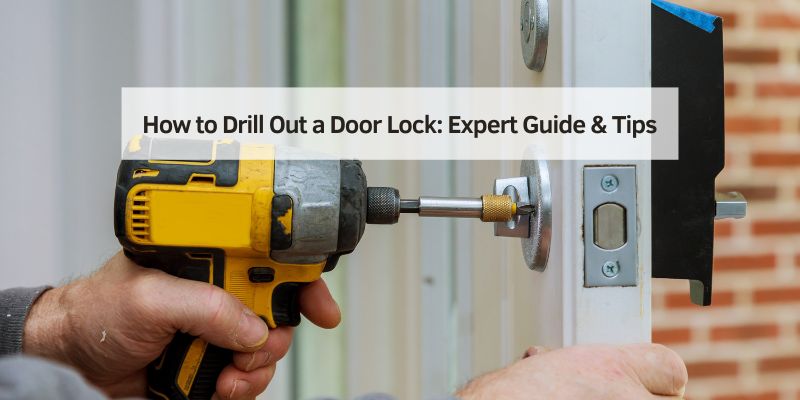
Hold the drill straight and steady. Aim at the center of the lock. Check the drill is not wobbling. This ensures a clean hole. Press the drill gently against the lock. Avoid pushing too hard. It can break the drill bit. Slowly increase speed for better control.

Credit: www.youtube.com
Handling Broken Locks
First, find the lock hole. Then, use a small drill bit. Drill into the keyhole gently. This helps loosen the lock parts. Be careful not to use too much force. Pull out the pieces with pliers. Sometimes, the lock is stuck. Try shaking the door a bit. This can help loosen stubborn parts. Check for hidden screws. They might hold the lock tight. Look for them carefully.
Gather all fallen pieces. Use a brush to clean the area. Remove any small metal bits. They can harm the new lock. A vacuum helps pick up tiny particles. Check if any pieces are stuck. Use pliers to pull them out. Ensure the hole is clean. This makes the next steps easier. Prepare the area for the new lock.
Post-drilling Procedures
Drilling out a door lock requires precision and care. Ensure safety goggles and gloves are worn before starting. Follow step-by-step instructions to avoid damaging the door.
Installing A New Lock
First, pick a new lock that fits your door. Remove the old lock pieces. Clean the hole with a cloth. Position the new lock into the hole. Ensure it sits firmly. Use a screwdriver to fix the lock with screws. Align the new lock’s plate with the door frame. Tighten all screws well. Check if the handle moves smoothly. Adjust if needed. Make sure everything feels secure.
Testing The New Lock
Place the new key into the lock. Turn the key carefully. Check if the door opens and closes smoothly. Test the lock from both sides. Ensure the door latches securely. Listen for any strange sounds. If the lock sticks, adjust it. You might need to tighten screws again. Finally, ensure the lock feels solid and safe.
Common Mistakes To Avoid
Drilling out a door lock requires patience. Rushing can damage the door. Use the correct size drill bit. A wrong size can break the lock. Keep your hands steady. Shaky hands can lead to mistakes. Remember to wear safety goggles. Metal pieces can fly and hurt your eyes. Avoid forcing the drill. This can harm both the lock and drill. Take breaks if needed. This helps prevent errors and accidents.
Double-check the lock type first. Not all locks can be drilled. Always keep your workspace tidy. A messy area can cause confusion. Ensure the door is securely held. A moving door can make drilling hard.
Protect your hearing with earplugs. Drilling can be loud. Plan your steps before starting. This makes the task easier. Have a helper nearby. Extra hands can assist if needed. Practice safety first. It’s the most important rule.
Expert Tips For Success
Drilling a door lock needs care and attention. First, gather your tools. You will need a drill, drill bits, and safety gear. Wear safety glasses to protect your eyes. Start with a small drill bit. Drill slowly into the center of the lock. This helps avoid damage to the door. Switch to a larger bit to remove the lock cylinder.
Make sure you apply steady pressure. Too much force can break the drill bit. If the lock is still tight, try using a lubricant. This can make the drilling process smoother. Always check if the door and lock are not moving. A moving door can cause the drill to slip. This can be dangerous.

Credit: littlelocksmith.com
Frequently Asked Questions
Can You Drill Out A Door Lock?
Yes, you can drill out a door lock. Use a drill and appropriate drill bits to remove it. Ensure safety precautions and consider consulting a professional locksmith for guidance. Drilling might damage the door or lock, requiring replacement.
What Is The Best Drill Bit For Drilling Out Locks?
The cobalt drill bit is ideal for drilling out locks due to its durability and heat resistance. It easily cuts through tough metals, ensuring efficiency. Opt for a bit size slightly larger than the lock’s pin diameter for best results.
How Effective Is Drilling Out A Lock Really?
Drilling a lock is effective but can damage the lock and door. It’s a last resort solution. Always consider professional locksmith services before attempting. Drilling requires precise technique to avoid further complications. Be aware that some locks are drill-resistant, making the process more difficult and time-consuming.
How Do You Drill Out A Security Lock?
To drill out a security lock, use a drill bit that matches the lock’s size. Secure the lock, start drilling at the keyhole, and apply steady pressure. Once drilled, remove the lock’s pins to unlock it. Always wear safety gear and ensure the drill bit is sharp for efficiency.
Conclusion
Drilling out a door lock is a straightforward task. With the right tools, you can do it safely. Always wear protective gear to prevent injuries. Follow each step carefully to avoid damaging the door. Remember, this method should be a last resort.
Consider professional help if unsure. Practice patience and take your time. Mistakes can lead to costly repairs. Keep your tools organized and within reach. This saves time and effort. Successfully drilled locks mean access restored. Ensure you replace the lock promptly for security.
Your safety and security come first.