How to Field Dress a Deer Hanging from Legs: A Step-by-Step Guide
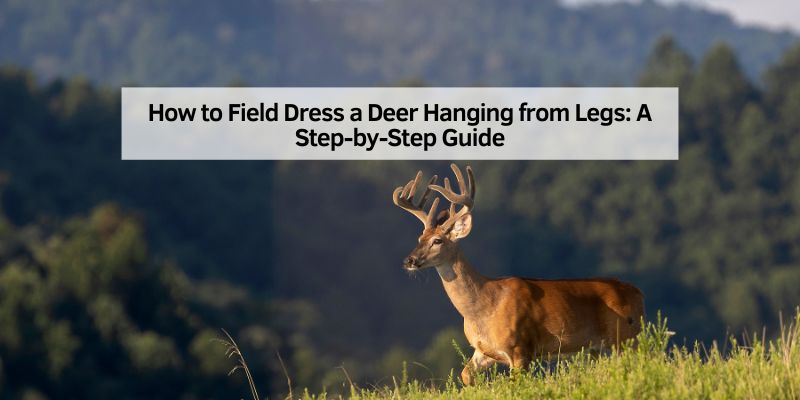
Hey there, friend! So, you’ve bagged a deer, and now you’re wondering how to field dress it while it’s hanging from its legs? I’ve been hunting for years, tromping through the woods of Michigan, Pennsylvania, and beyond, and I’ve field-dressed plenty of deer in all sorts of setups. Hanging a deer by its legs is one of my favorite methods—it’s clean, efficient, and makes the job easier. Let me walk you through the process, sharing everything I’ve learned from my own successes and a few messy mistakes. By the end, you’ll feel ready to field dress your deer like a seasoned hunter.
I’ve gutted deer in freezing snow, sticky summer heat, and even in the dark with a headlamp. Each time, I’ve fine-tuned my approach to make it quicker and cleaner. This guide is packed with my hands-on tips, from setting up the hang to preserving the meat. Whether you’re a first-time hunter or looking to improve your skills, I’ve got you covered. Let’s get that deer prepped and keep the meat fresh for your table!
Why Field Dress a Deer?
Field dressing is the first step after harvesting a deer. It means removing the internal organs to cool the body and preserve the meat. I learned early on that skipping this or delaying it can ruin your venison. Warm temperatures or bacteria from the gut can spoil the meat fast. Field dressing also makes the deer lighter to carry or drag out of the woods.
Hanging a deer by its legs is a great way to do this. It lets gravity help you. The organs fall away from the spine, making cuts easier. It also keeps the carcass clean by keeping it off the ground. I’ve tried field dressing on the ground, and it’s messier—dirt and leaves stick to the meat. Hanging is my go-to for a tidy job.
Why Hang a Deer by Its Legs?
Hanging a deer by its hind legs is different from the head-up method. I prefer leg-hanging because it’s practical. The pelvis is open at the top, so organs slide out smoothly. It’s easier to reach inside without bending awkwardly. Plus, blood drains better, which keeps the meat cleaner. I’ve found it’s also safer—your knife is pointed downward, away from your body.
This method works well in the field or at camp. You just need a sturdy tree branch or a gambrel and hoist. I’ve done it both ways, and leg-hanging saves my back from hunching over. It’s a solid choice for any hunter.
Tools You’ll Need
Before you start, gather your gear. I’ve learned the hard way that missing a tool makes the job harder. Here’s what I always bring:
- Sharp Knife: A 4-6 inch fixed-blade knife is best. I use a gut-hook knife for clean cuts.
- Game Gambrel: This holds the deer’s legs apart while hanging. I got a sturdy one for $20.
- Rope or Hoist: Strong rope (at least 500-pound rating) to hang the deer. I use a pulley hoist for easy lifting.
- Gloves: Latex or nitrile gloves keep your hands clean. I double up for extra protection.
- Game Bags: These protect the meat after dressing. I use breathable cotton bags.
- Headlamp: For early morning or evening hunts. My LED headlamp has saved me in the dark.
- Small Saw or Bone Shears: For cutting the pelvis or ribs. I carry a compact bone saw.
- Clean Water or Wipes: To clean your knife or hands. I bring a water bottle for rinsing.
- Trash Bag: For disposing of organs. I pack one to keep the site clean.
Optional: a shoulder-length gutting glove for messy jobs. Here’s a table of the essentials:
| Item | Purpose | Why It’s Handy |
|---|---|---|
| Sharp Knife | Making clean cuts | Prevents tearing meat |
| Game Gambrel | Holds deer legs | Keeps carcass open |
| Rope/Hoist | Hangs deer | Makes lifting easy |
| Gloves | Keeps hands clean | Reduces bacteria spread |
| Game Bags | Protects meat | Keeps flies and dirt off |
Having these ready makes field dressing smooth and quick.
Setting Up the Hang
Getting the deer hung right is key. I’ve fumbled this before, and a slipping deer is no fun. Here’s how I set it up:
- Find a Sturdy Branch: Look for a tree branch 8-10 feet high that can hold 200 pounds. I check for cracks or weak spots.
- Use a Gambrel: Slide the gambrel’s hooks through the tendons above the deer’s hocks (just below the knee joint). I cut small slits in the skin to make this easier.
- Hoist the Deer: Tie your rope to the gambrel and pull the deer up. I use a pulley hoist to save effort. Hang the deer so its head is about 2-3 feet off the ground.
- Secure the Rope: Tie the rope to the tree trunk or a stake. I double-knot it to prevent slipping.
- Clear the Area: Remove leaves or debris below the deer. I lay a tarp if I’m at camp to keep things tidy.
The deer should hang steady with its legs spread. This makes gutting easier and keeps the meat clean.
Preparing Yourself
Field dressing can be messy, so prep yourself. I’ve gotten blood on my favorite jacket before—not fun. Here’s my routine:
- Wear Gloves: Put on latex or nitrile gloves. I wear two pairs for tough jobs.
- Roll Up Sleeves: Keep your clothes clean. I tuck my shirt into my pants, too.
- Stay Calm: If it’s your first time, take deep breaths. I was nervous my first time, but it’s easier than it looks.
- Position Yourself: Stand facing the deer’s belly. I keep my feet shoulder-width apart for balance.
- Check Your Knife: Make sure it’s sharp. I run my thumb along the blade to test it.
Being ready mentally and physically makes the job smoother. You’re set to start cutting.
Step-by-Step: Field Dressing the Deer
Now for the main event. I’ve dressed dozens of deer this way, and it takes me about 15-20 minutes. Here’s how I do it, step by step:
- Make the First Cut: Start at the pelvis. Pinch the skin near the anus and make a shallow 2-inch cut upward. I use my gut hook to avoid puncturing organs. Be careful not to cut the intestines.
- Open the Pelvis: Use your bone saw or shears to split the pelvic bone. I saw gently, holding the legs apart. This opens the cavity and lets organs fall out.
- Extend the Cut: Slice from the pelvis to the ribcage, following the midline of the belly. I keep my knife shallow to avoid nicking the stomach or intestines. Lift the skin with your free hand to guide the blade.
- Remove the Anus: Cut around the anus to free it from the body. I tie it off with a string to prevent leaks. Pull it through the pelvic opening.
- Reach Inside: Put your hand inside the cavity and pull the intestines and stomach downward. I use my knife to cut any connective tissue holding them in place. Gravity helps here.
- Remove the Organs: Keep pulling organs out. Cut the diaphragm (the thin muscle below the ribs) to access the chest. I reach up to grab the heart and lungs, cutting them free.
- Save Edible Parts: If you want the heart or liver, set them aside in a clean bag. I rinse mine with water later.
- Clean the Cavity: Wipe out blood or debris with a cloth or water. I splash water inside to keep the meat clean.
The organs should come out in one or two big pulls. Dispose of them in a trash bag or bury them deep, following local laws.
Preserving the Meat
After gutting, you need to cool the meat fast. I’ve lost meat to spoilage before, and it’s heartbreaking. Here’s how I protect it:
- Cool the Carcass: Leave the deer hanging in shade or a cool spot. I aim for temperatures below 40°F. If it’s warm, get it to a cooler within 2 hours.
- Prop the Cavity Open: Stick a small branch or rock between the ribs to let air circulate. This prevents bacterial growth.
- Use Game Bags: Cover the deer with breathable game bags. I use cotton bags to keep flies and dirt off while letting air flow.
- Transport Quickly: Get the deer to a processor or your home cooler. I pack mine in ice if I’m far from home.
- Skin Later: If you’re in the field, leave the skin on until processing. I skin mine at home to keep the meat clean.
Quick cooling is the secret to tasty venison. Don’t skip this.
Cleaning Up After Field Dressing
A clean site shows respect for the land. I always leave the woods better than I found them. Here’s my cleanup routine:
- Dispose of Organs: Put the guts in a heavy-duty trash bag and take them out. If allowed, bury them 2 feet deep, away from water sources. I check local rules first.
- Clean Your Tools: Wipe your knife and saw with water or wipes. I sanitize mine with alcohol pads at home.
- Wash Your Hands: Use water or hand sanitizer. I keep wipes in my pack for quick cleanup.
- Check the Area: Pick up any trash or gear. I walk around to make sure nothing’s left behind.
- Store Gear: Dry your tools before packing them. I air-dry my gimbap and rope to prevent rust.
A tidy cleanup keeps the woods pristine and your gear ready for next time.
Safety Tips for Field Dressing
Field dressing involves sharp tools and raw meat, so safety matters. I’ve nicked my hand before, and it’s no joke. Here’s what I do to stay safe:
- Use a Sharp Knife: Dull knives slip and cause accidents. I sharpen mine before every hunt.
- Cut Away from Yourself: Always point the blade downward or away. I keep my free hand clear of the knife.
- Wear Gloves: They protect against bacteria and cuts. I use thick gloves for sawing bones.
- Work in Good Light: Use a headlamp if it’s dark. I’ve struggled in low light, and it’s risky.
- Stay Focused: Avoid distractions like chatting. I focus fully on each cut.
Being careful keeps you safe and makes the job smoother.
Common Mistakes to Avoid
I’ve messed up plenty while field dressing. Here’s what to watch out for:
- Puncturing Organs: Cutting too deep into the stomach or intestines spills bacteria. I go shallow and slow.
- Not Cooling Fast: Leaving the deer in heat spoils meat. I cool mine within hours.
- Weak Hanging Setup: A falling deer is dangerous. I test my branch and knots first.
- Skipping Cleanup: Leaving guts attracts predators. I always dispose of them properly.
- Dull Knife: It makes cuts harder and riskier. I carry a sharpener in my pack.
Avoid these, and your field dressing will go smoothly.
Tips for First-Time Hunters
If this is your first deer, don’t worry—it’s easier than it looks. I was nervous my first time, but practice makes it second nature. Here’s my advice:
- Watch Someone Else First: I learned by helping a buddy dress his deer. It built my confidence.
- Start Slow: Take your time with each cut. I rushed my first try and made a mess.
- Bring a Friend: A partner can hold the deer or pass tools. My brother helped me early on.
- Practice Knife Skills: Get comfortable with your knife at home. I practiced on cardboard to get the feel.
- Stay Positive: It’s a learning process. My first deer wasn’t perfect, but the meat was delicious.
You’ll get the hang of it with a little patience.
My Field Dressing Story
One of my favorite hunts was in Michigan’s Upper Peninsula. I bagged a buck at dusk and dressed it hanging from a pine branch by headlamp. The leg-hang setup made it quick, and the meat was perfect for chili that winter. But I’ve had flops too—like when I forgot my gambrel and struggled with a wobbly rope setup. Each hunt teaches me something, and I’m thrilled to share those lessons with you.
Conclusion
Field dressing a deer hanging from its legs is a practical, clean way to prepare your harvest. With the right tools, a sturdy setup, and careful steps, you can preserve your venison and enjoy the fruits of your hunt. From hanging the deer to cooling the meat and cleaning up, every part matters. Avoid my early mistakes, like rushing cuts or skipping cooling, and you’ll have a smooth process.
I love the satisfaction of turning a deer into meals for my family, from steaks to stews. I hope this guide gives you the know-how to field dress your deer with confidence. Grab your knife, hang that deer, and savor the reward of a job well done!
FAQs
Why hang a deer by its legs instead of its head?
Leg-hanging lets organs fall out easily and keeps the meat cleaner. It’s also safer for cutting.
What knife is best for field dressing a deer?
A 4-6 inch fixed-blade knife with a gut hook works great. I use one for clean, safe cuts.
How long does it take to field dress a deer?
It takes me 15-20 minutes. First-timers might need 30 minutes, but you’ll get faster.
What do I do with the deer’s organs?
Put them in a trash bag and take them out. Or bury them 2 feet deep, away from water.
How soon should I field dress a deer?
As soon as possible, ideally within an hour. This prevents spoilage, especially in warm weather.
Can I field dress a deer without gloves?
You can, but gloves keep your hands clean and protect against bacteria. I always wear them.
What if I don’t have a gambrel to hang the deer?
Use a strong rope to tie the legs to a branch. I’ve done it, but a gambrel is easier.