How to Fix a Door Knob: A Step-by-Step Guide
Hey there! I’m thrilled you’re here to chat with me about a handy skill I’ve picked up over the years: how to fix a door knob! It’s one of those everyday fixes that can save the day, whether it’s a wobbly knob at home or a sticky one in your garage. As a car enthusiast, I love tinkering with anything mechanical, and a while back, I had a loose door knob driving me nuts at my place. I dove in, got my hands dirty, and figured it out. Now, I’m excited to share everything I’ve learned with you!
This guide is perfect for my USA automotive blog readers—whether you’re a mechanic, a driver, or just love cars and want a secure door for your home or shop. So, grab a seat, and let’s get that door knob working like new!
I’ve broken this down into simple, easy steps from my own experience. We’ll cover why door knobs break, how to fix common issues, and tips to keep them solid. It’s like tuning up your car—straightforward and satisfying. Let’s dive in!
Why Do Door Knobs Break?
When my door knob started acting up, I wondered what went wrong. Turns out, door knobs take a beating! They get turned, pushed, and pulled daily. Over time, parts wear out. A loose knob might wobble because screws come loose. A sticky one could mean the latch—the part that catches the door frame—gets jammed. I’ve seen this in my garage, where dust and grime sneak in.
Other culprits? Worn-out springs inside make the knob sluggish. If someone yanks too hard, maybe rushing to grab a car part, internal pieces bend. Old knobs, like vintage car parts, just age. Even a key that won’t turn might signal a lock issue. Figuring this out helped me know where to start. It’s like diagnosing a car—find the problem, then fix it!
What Tools Will You Need?
Before I fixed my door knob, I gathered my tools. It’s like prepping for a car repair—you need the right stuff! Here’s what I used:
- Screwdriver: A Phillips or flathead, depending on your screws. Most knobs use Phillips.
- Allen Wrench: Some knobs have tiny set screws—check yours!
- Pliers: Handy for gripping small parts. I love needle-nose ones.
- Lubricant: WD-40 or graphite spray to loosen sticky bits.
- Cloth: For cleaning grime. I keep an old rag in my toolbox.
- Replacement Parts: Maybe a new knob or screws, just in case.
I got these from my garage stash—same tools I use for car fixes! A quick tip: keep the door open while you work. I almost locked myself out once—lesson learned! You’re ready to roll now.
How to Identify the Problem
Okay, let’s play detective! I started by checking my door knob. Is it loose? Mine wobbled like a bad wheel bearing. Try turning it—if it spins without catching, screws or the latch might be loose. If it sticks, the latch or internal spring could be jammed. I jiggled mine and felt resistance—sticky.
Does the key turn? If not, the lock cylinder might be the issue. Look at the door, too. If it’s misaligned—maybe from settling— the latch won’t catch the strike plate, that metal piece on the frame. I noticed my garage door sagged a bit, messing with the knob. Watch and listen—clicks or grinding can clue you in. Once I knew the issue, I was set to fix it!
How to Fix a Loose Door Knob
A loose knob was my first challenge. It’s super common! Here’s how I tackled it:
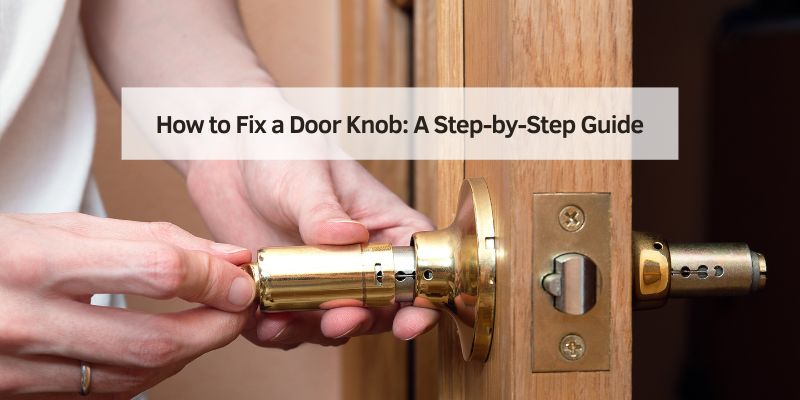
First, I looked for screws. Most knobs have two on the inside faceplate—the plate around the knob. I grabbed my Phillips screwdriver and tightened them. Turn clockwise, but don’t overdo it—stripping screws is a pain, like over-torquing a bolt.
Some knobs hide screws under a cover. I popped mine off gently with a flathead screwdriver. Underneath, I found two screws holding the knob together. I tightened those, and the wobble stopped! Check for a tiny set screw, too—mine was on the knob’s neck. An Allen wrench snugged it up.
I tested it—turned the knob, and it felt solid. Took me five minutes! If screws are stripped or missing, I’d grab new ones from the hardware store. It’s like tightening a car’s loose part—simple and satisfying.
How to Fix a Sticky Door Knob
A sticky knob drove me up the wall! Mine wouldn’t turn smoothly. Here’s how I fixed it:
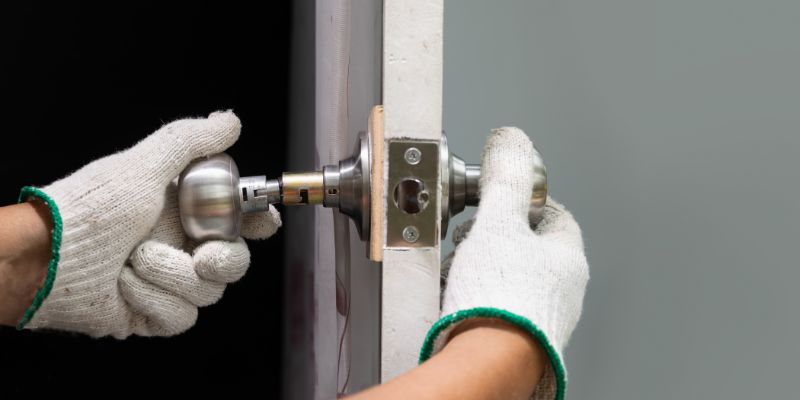
I started by removing the knob. I unscrewed the faceplate—two screws on the inside—and pulled the knob off. It came apart into two pieces, like splitting a car part. The latch—the metal bit that moves in and out—was stuck. I saw dust and grime, probably from my garage.
I grabbed my WD-40 and sprayed the latch lightly. Don’t soak it—too much gunk attracts more dirt. I moved the latch with pliers, back and forth, to work it loose. Then, I wiped it clean with a rag. Felt like cleaning a carburetor!
I put the knob back, screwed it in, and turned it. Smooth as butter! If it’s still sticky, the spring inside might be worn. I’d replace the whole knob then—easy to find at any USA hardware store.
How to Fix a Door Knob That Won’t Turn
Sometimes, the knob won’t budge at all. I had this once—frustrating! Here’s my fix:
I took the knob off again—unscrewed the faceplate and pulled it apart. I checked the latch. Mine was jammed, not moving when I turned the knob. I sprayed lubricant into the latch and the spindle—the rod connecting the knobs. I wiggled it with pliers to free it up.
Next, I looked at the door alignment. My frame had shifted a bit—houses settle! The latch wasn’t hitting the strike plate right. I loosened the strike plate screws, shifted it slightly, and tightened them. Took some trial and error, like adjusting a car’s timing.
I put the knob back and tested it. It turned! If the latch or spindle is bent, you might need a new knob. I got lucky—mine worked after a little TLC.
How to Fix a Key That Won’t Turn
If your key won’t turn, it’s a lock issue. I faced this on my front door. Here’s what I did:
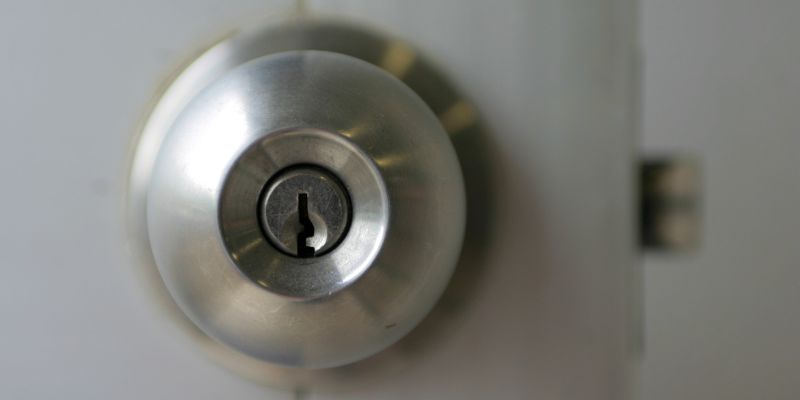
First, I tried the key. It stuck halfway. I sprayed graphite lubricant—better for locks than WD-40—into the keyhole. I wiggled the key gently, not forcing it. It started to move!
I took the knob off to check the cylinder—the part the key fits into. I unscrewed the faceplate and pulled the knob free. The cylinder looked okay, no big damage. I sprayed more graphite, turned the key a few times, and cleaned it with a rag.
Back together, I tested it—key turned, lock clicked! If the cylinder’s busted—maybe worn or broken inside—I’d buy a new knob or lockset. Hardware stores have tons of options. Felt good to unlock it smoothly!
When to Replace the Door Knob
Sometimes, a fix won’t cut it. I learned this the hard way. If screws are stripped, the latch is bent, or the lock’s shot, replacement’s the answer. My garage knob was old—springs worn, parts rusted. I decided to swap it.
I bought a new knob at the store—picked a sturdy one, like choosing a good car part. Prices vary, maybe $15 to $50. I removed the old one—unscrewed the faceplate, pulled it off, and took out the latch. The new one came with a template to line up the strike plate and latch.
I installed it—slid the latch in, screwed the new knob on, and aligned the strike plate. Took me 20 minutes, and it worked like a dream! If you’re not comfy, a locksmith can help, but I loved doing it myself.
Why This Matters for Automotive Folks
You might wonder how this fits our car world. I’ve got you! As USA auto enthusiasts, we care about security and function. A solid door knob keeps your home or garage safe—where you park your ride or store tools. My classic car sits in my garage, and a wobbly knob made me nervous.
If you’re a mechanic, a working door means clients trust your shop. Drivers, you want a secure home base before a road trip. I fixed my knob and felt better about my space. It’s like tightening a lug nut—small fix, big peace of mind.
Tips for a Smooth Fix
I’ve picked up tricks to make this easy. Here’s what I’d tell you:
- Work Carefully: Don’t force screws or parts. I stripped one once—big hassle!
- Clean It: Wipe grime off the latch and knob. Keeps it smooth, like a clean engine.
- Test Often: Turn the knob after each step. I caught a loose screw that way.
- Match Parts: If replacing, bring the old knob to the store. Ensures a fit.
- Be Patient: It’s quick—10 to 20 minutes—but don’t rush. I got better with practice.
It’s like a car repair—take your time, and you’ll nail it!
How to Maintain Your Door Knob
After fixing mine, I wanted it to last. Maintenance is key! I tighten screws every few months—takes two minutes. I spray lubricant into the latch and keyhole once a year, wiping off excess. Keeps it smooth.
I check alignment, too. If the door sags, the knob struggles. I adjusted my strike plate once and saved a headache. Clean dust, especially in a garage with car work. A solid knob lasts years, like a well-oiled engine.
Here’s a quick guide I use:
| Task | How Often | What to Do | Why It Helps |
|---|---|---|---|
| Tighten Screws | Every 3–6 months | Use a screwdriver, turn clockwise | Stops wobble and loose knobs |
| Lubricate | Once a year | Spray WD-40 or graphite, wipe clean | Keeps latch and lock moving |
| Check Alignment | Every 6 months | Keeps the latch and lock moving | Ensures knob catches right |
| Clean Grime | As needed | Wipe with a rag | Prevents sticking from dust |
Safety and Security Tips
I started thinking about safety, too. A good door knob keeps your home secure. After fixing mine, I made sure the lock worked. Don’t share keys with just anyone—I’m picky, like lending my car.
If you’re in the garage a lot, a strong knob protects tools and your ride. I lock my door when I’m out cruising. If the knob’s too broken, replace it—don’t risk a break-in. Felt great knowing my place was tight!
Wrapping It Up: Take Charge of Your Door Knob
Wow, we’ve fixed a lot together, haven’t we? I’ve loved walking you through how to fix a door knob! From loose screws to sticky latches, I’ve tackled it all, and now you can too. It’s simple—grab a screwdriver, check the problem, tighten, lubricate, or replace. My garage door knob works like a champ now, and I’m betting yours will too!
For us car lovers in the USA, a solid knob keeps our homes and shops safe—perfect for protecting your ride or tools. You’ve got the power to make it right, just like tuning your engine. Grab your tools, get hands-on, and feel that win. I’m rooting for you—fix that knob, stay secure, and keep rolling in the automotive life!
Frequently Asked Questions
Why is my door knob loose?
It’s usually loose screws or a worn part. Tighten the faceplate or set screw with a screwdriver or Allen wrench.
How do I fix a sticky door knob?
Take it apart, spray the latch with WD-40, wiggle it loose, clean it, and put it back. Works great!
What if my door knob won’t turn?
Check the latch—lubricate it. Look at the strike plate, too—adjust if the door’s misaligned.
Why won’t my key turn in the door knob?
The lock cylinder might be stuck. Spray graphite lubricant, wiggle the key, and test it.
When should I replace my door knob?
If screws are stripped, the latch is bent, or the lock’s shot, get a new one. Easy swap!
What tools do I need to fix a door knob?
A screwdriver, an Allen wrench, pliers, lubricant, and a rag. Maybe a new knob if it’s bad.
How do I keep my door knob working?
Tighten screws every few months, lubricate yearly, and clean grime. Keeps it smooth and strong!