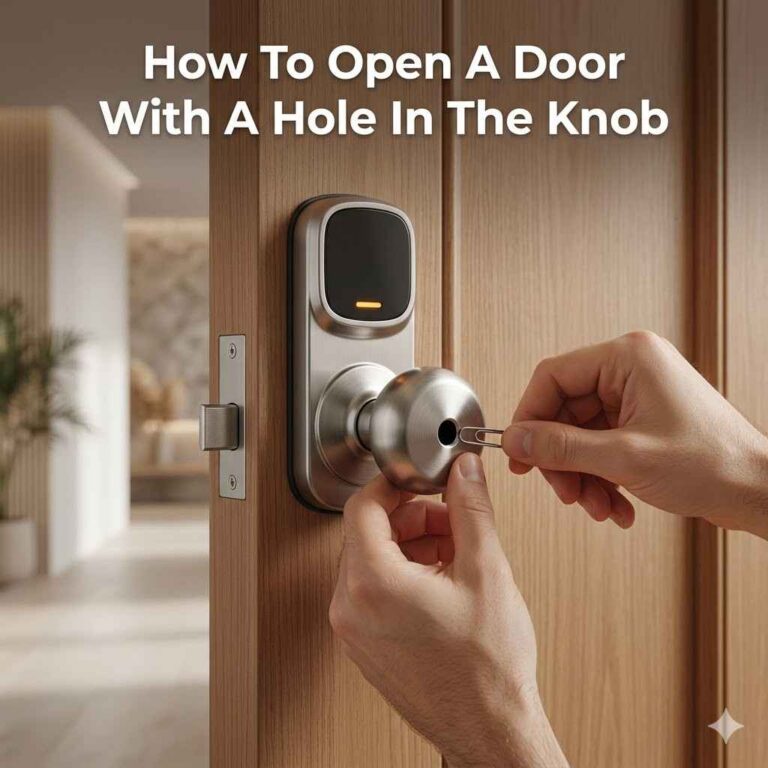
How to Fix a Loose Door Knob Without Visible Screws
Dealing with a wobbly door knob can be a bit annoying, especially when you can’t see any screws to tighten. This is a common issue many people face, and it can seem tricky if you’re new to home repairs. But don’t worry, fixing a loose door knob without visible screws is usually a simple job that most people can handle with a few basic tools. We’ll walk you through the process step by step, making it easy to get your door knob feeling secure again. Let’s get your door knob back in shape.
Understanding How to Fix a Loose Door Knob Without Visible Screws
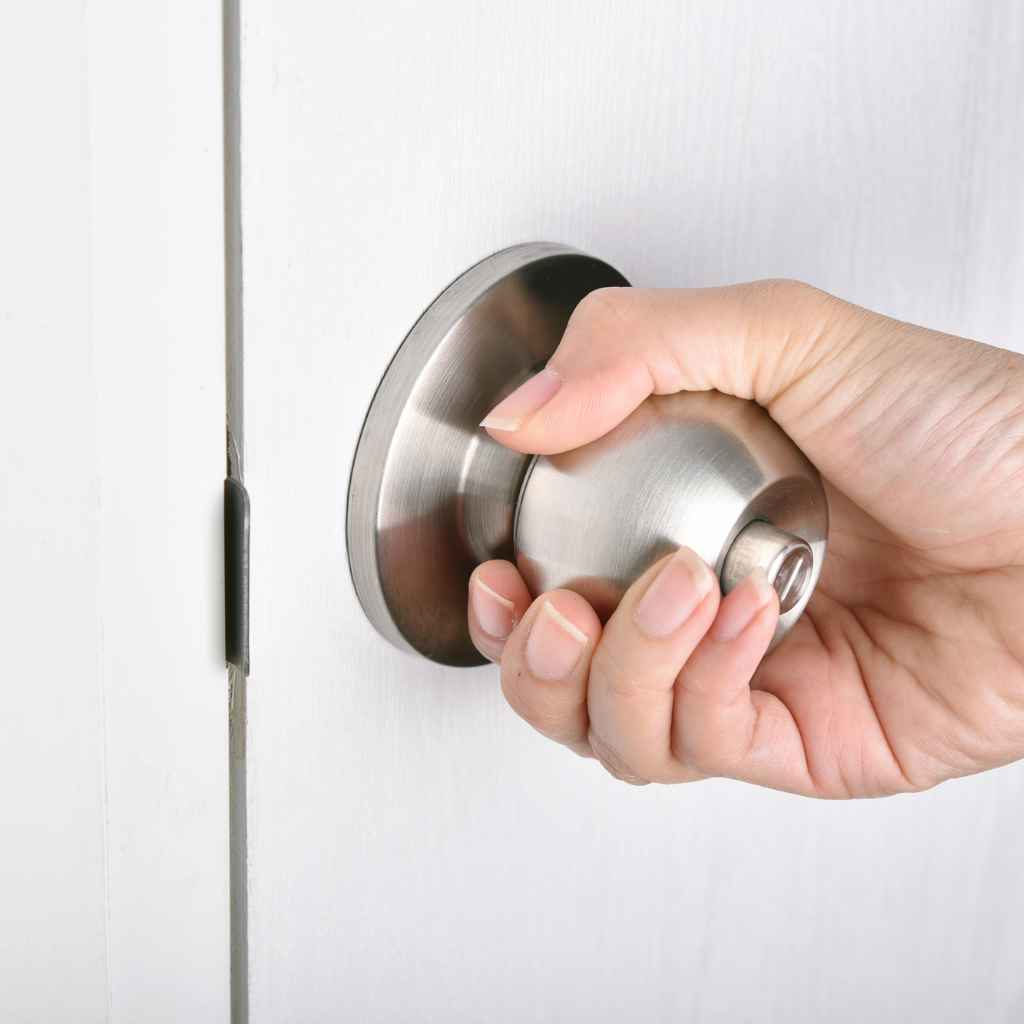
Many door knobs, especially older or more decorative ones, are designed with hidden screws to maintain a clean look. This clever design can make it confusing when the knob starts to loosen up. You might find yourself turning the knob or the rose (the decorative plate behind the knob) and nothing seems to tighten. The challenge for beginners is not knowing where to look for the fastening points.
They are usually concealed under a decorative cap or trim. This guide aims to demystify this common household repair, offering clear, actionable steps. We will cover the common reasons for looseness and how to address them. By the end, you will feel confident in tackling this task yourself.
Identifying the Hidden Fasteners
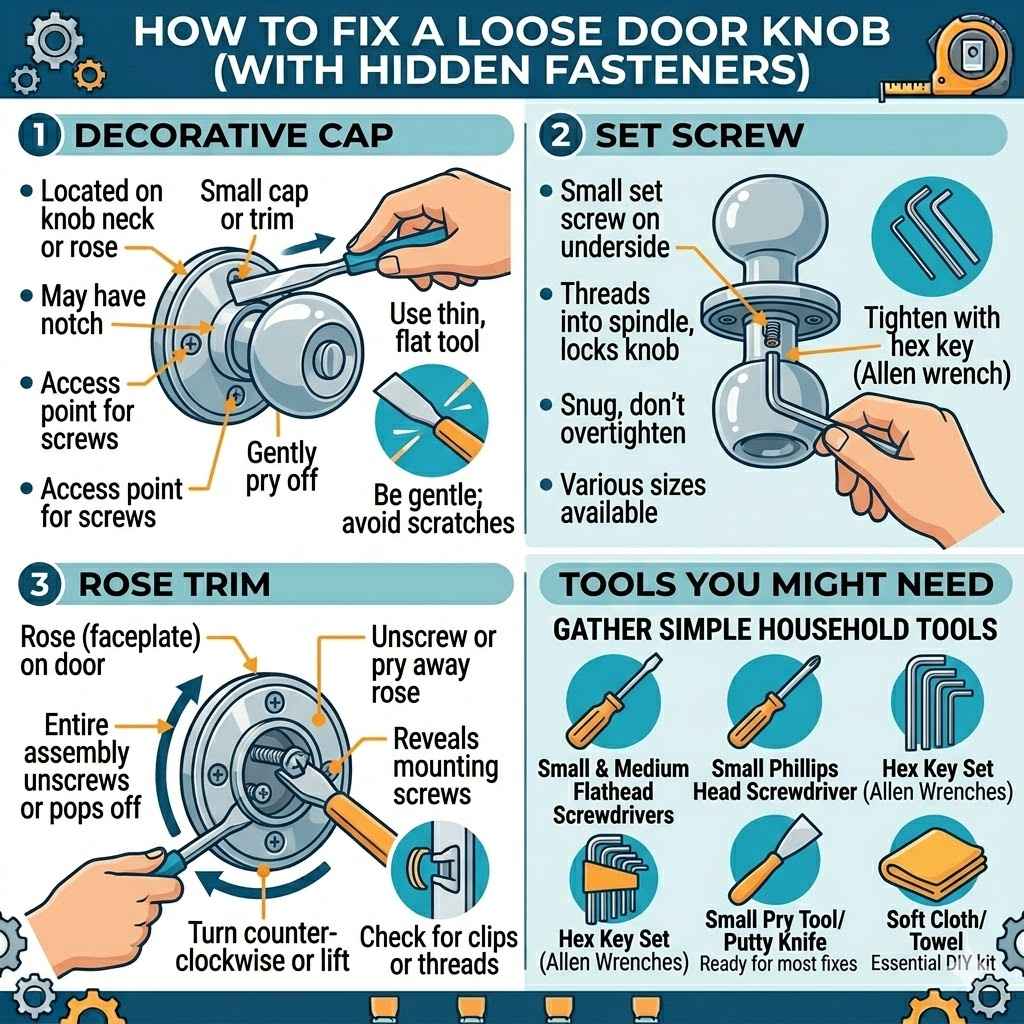
The first step in learning how to fix a loose door knob without visible screws is to locate where it’s actually held together. Most of these types of knobs have a way to access the screws without them being out in the open. This often involves a small cap or a decorative trim piece that can be gently pried off. Once you find this access point, you’ll be able to see the screws that need tightening or potentially replacement. Learning to spot these hidden fasteners is key to unlocking the fix.
Decorative Caps: Many knobs have a small cap, often circular, located on the neck of the knob or on the rose. This cap might be smooth or have a small notch.
To remove a decorative cap, you typically need a very thin, flat tool, like a small flathead screwdriver or even a putty knife. You want to gently lever it out. Be careful not to scratch the finish of your knob or the door. Sometimes, these caps twist off, but more often, they pop off. If it’s stuck, a tiny bit of gentle wiggling can help.
Set Screws: Some knobs use a small set screw, often found on the underside of the knob itself. This screw goes into a threaded hole and locks the knob onto the spindle.
If you find a set screw, you’ll need a small hex key (Allen wrench) or a tiny Phillips head screwdriver to tighten it. The size of the set screw varies greatly by manufacturer and knob type. It’s a good idea to have a small set of Allen wrenches handy if you do a lot of DIY. Make sure the screw is snug, but don’t overtighten, as this could strip the threads or damage the spindle.
Rose Trim: The rose is the plate that sits against the door. Sometimes, the entire rose assembly can be unscrewed or pried off to reveal the mounting screws for the knob mechanism.
To remove a rose, look for a seam where it meets the door. You might be able to insert a flat tool and gently pry it away. Some roses screw directly onto a mounting plate, so you’d turn the rose itself counter-clockwise. Others might have small tabs or clips holding them in place. Always be gentle and observe how it’s attached before applying force.
Tools You Might Need
Before you start, gather a few simple tools. Having them ready will make the process much smoother. You won’t need anything fancy, just common household items.
Flathead screwdriver (small and medium size)
Phillips head screwdriver (small size)
Hex key set (Allen wrenches)
A soft cloth or towel
Possibly a small pry tool or putty knife
These tools are usually enough for most standard door knob fixes.
Diagnosing the Cause of Looseness
A loose door knob can be caused by a few things. Understanding why it’s loose helps in fixing it correctly. It’s not always just about tightening a screw.
Worn Threads or Stripped Screws: Over time, the screws holding the knob together or the knob to the spindle can become worn or stripped. This means they can’t grip properly anymore.
When threads wear out, the screw might turn endlessly without tightening anything. If you notice a screw just spinning and not getting tighter, this is likely the problem. Sometimes, a slightly larger screw or a thread repair kit can help, but often it means replacing the faulty part. For a temporary fix, some people use a small amount of thread locker or even a bit of thread tape, but this isn’t a long-term solution.
Loose Spindle Connection: The spindle is the rod that goes through the door and connects the two knobs. If the knob isn’t secured tightly to the spindle, it will feel loose.
This is a very common issue. The knob is usually attached to the spindle with a set screw. If this set screw loosens, the knob can spin freely on the spindle, making it feel wobbly. The fix here is to tighten that set screw, which we’ll cover in detail.
Loose Mounting Screws: On some door knobs, there are screws that go through the door to hold the entire mechanism in place. If these loosen, the whole assembly can wobble.
These are typically found on the inside of the door. If you can’t find any screws on the knob or rose, look at the larger plate on the inside handle. Often, these have two visible screws that hold the entire mechanism to the door. Tightening these will secure the whole unit.
Common Door Knob Types and Their Issues
Different door knobs are built differently, and their common problems vary. Knowing the type of knob you have can guide your repair.
Passage Knobs: These are simple knobs used on interior doors where a lock isn’t needed, like closets or hallways. They often have a spindle that passes through both knobs.
The most common issue with passage knobs is the set screw loosening, making one or both knobs spin freely. Sometimes, the spindle itself can become slightly bent if too much force is applied, causing a stiff turning action.
Privacy Knobs: These are common on bathrooms and bedrooms and have a locking mechanism. The outside knob is usually locked by a button or turn knob on the inside.
Privacy knobs have more internal parts, which can sometimes lead to looseness. The internal lock mechanism can jam or become loose, affecting the knob’s feel. The set screw issue is also very common here.
Dummy Knobs: These are non-functional knobs, usually installed on doors that don’t need to close or latch, like on closet doors or French doors. They are often attached with screws that go directly into the door.
Dummy knobs are generally simpler and less prone to loosening. If one does become loose, it’s usually because the mounting screws have backed out of the door.
How to Fix a Loose Door Knob Without Visible Screws Step-by-Step
Now that you understand the potential issues, let’s get to the actual fix. Following these steps will help you secure your loose door knob.
Step 1: Inspect the Knob and Rose
Look closely at your door knob. Gently try to turn or wiggle both the knob and the decorative rose (the plate behind it).
Spinning Knob: If the knob spins freely on its own without turning the latch, the problem is likely the set screw connecting the knob to the spindle.
Wobbly Rose: If the entire knob and rose assembly feels loose against the door, the mounting screws might be loose.
Observe any small gaps, decorative caps, or seams. These are usually clues to where the fasteners are hidden.
Step 2: Locate and Remove Decorative Caps or Trim
This is where the “no visible screws” part comes in. You’ll need to find how the knob is accessed.
Pry Off Caps: For knobs with small decorative caps, use a thin, flat object like a small flathead screwdriver or a putty knife. Carefully insert it into a seam or notch and gently pry the cap off. It might pop off with a little pressure. Do this slowly to avoid damaging the knob’s finish.
Twist Off Roses: Some decorative roses twist off. Try gently twisting the rose counter-clockwise. If it moves, keep twisting until it detaches. You might need to hold the knob steady while you do this.
Once a cap or rose is removed, you should see screws underneath.
Step 3: Tighten the Set Screw
If you found a set screw on the knob’s shaft, this is probably the culprit.
Find the Right Tool: You’ll likely need a small Allen wrench (hex key) or a small Phillips head screwdriver.
Tighten: Insert the tool into the set screw and turn it clockwise. Tighten it until the knob feels snug and doesn’t wiggle anymore. Don’t overtighten, as this can strip the threads.
A common scenario is a knob that spins but doesn’t open the door. This is almost always a loose set screw. You’ll feel it when you tighten it, and the knob will become firm.
Step 4: Tighten Mounting Screws (If Visible)
If the entire knob assembly feels loose against the door, you’re looking for mounting screws.
Locate Screws: These are usually on the larger decorative plate (the rose) on the inside of the door. They are often countersunk and might have caps covering them.
Tighten: Use the appropriate screwdriver to tighten these screws. Make sure the knob and rose are aligned properly against the door before tightening.
Sometimes, especially on older doors, the wood around the screw holes might be worn. If this is the case, you might need to use slightly longer screws or insert some wood filler or toothpicks with glue into the holes before reinserting the screws.
Step 5: Reassemble and Test
Once everything is tightened, reattach any decorative caps or roses you removed.
Replace Caps: Gently push them back into place until they click or seat firmly.
Test: Open and close the door several times. Turn the knob to ensure it operates smoothly and securely.
If the knob is still loose, you may need to repeat the steps or investigate further.
Troubleshooting Common Issues
Even with clear steps, some problems can pop up. Here’s how to handle them when learning
how to fix a loose door knob without visible screws.
Missing Set Screw: If you find the hole for the set screw but the screw itself is missing, you’ll need to get a replacement.
Take the knob to a hardware store to find a matching screw. Thread size and length are important. You can often buy small packets of assorted set screws.
Stripped Threads: If the set screw or mounting screws just keep turning without tightening, the threads might be stripped.
For a set screw, you might try a slightly larger size screw. For mounting screws, using longer screws or filling the holes with wood glue and toothpicks can create a new grip for the screws.
Worn Spindle: If the spindle itself is damaged or worn down, the knob might not grip securely even with a tight set screw.
This is a more serious issue and might require replacing the entire spindle or the knob set. You can often buy replacement spindles or knobs separately.
When to Call a Professional
Most door knob issues are simple fixes. However, if you’ve tried these steps and the knob is still loose, or if you’re dealing with a complex locking mechanism, it might be time to call a locksmith or a handyman.
They have specialized tools and experience to deal with intricate problems. For very old or antique door knobs, a professional can also help ensure you don’t damage valuable hardware.
Maintenance for Long-Lasting Knobs
Once you’ve fixed your loose door knob, a little ongoing care can prevent future problems.
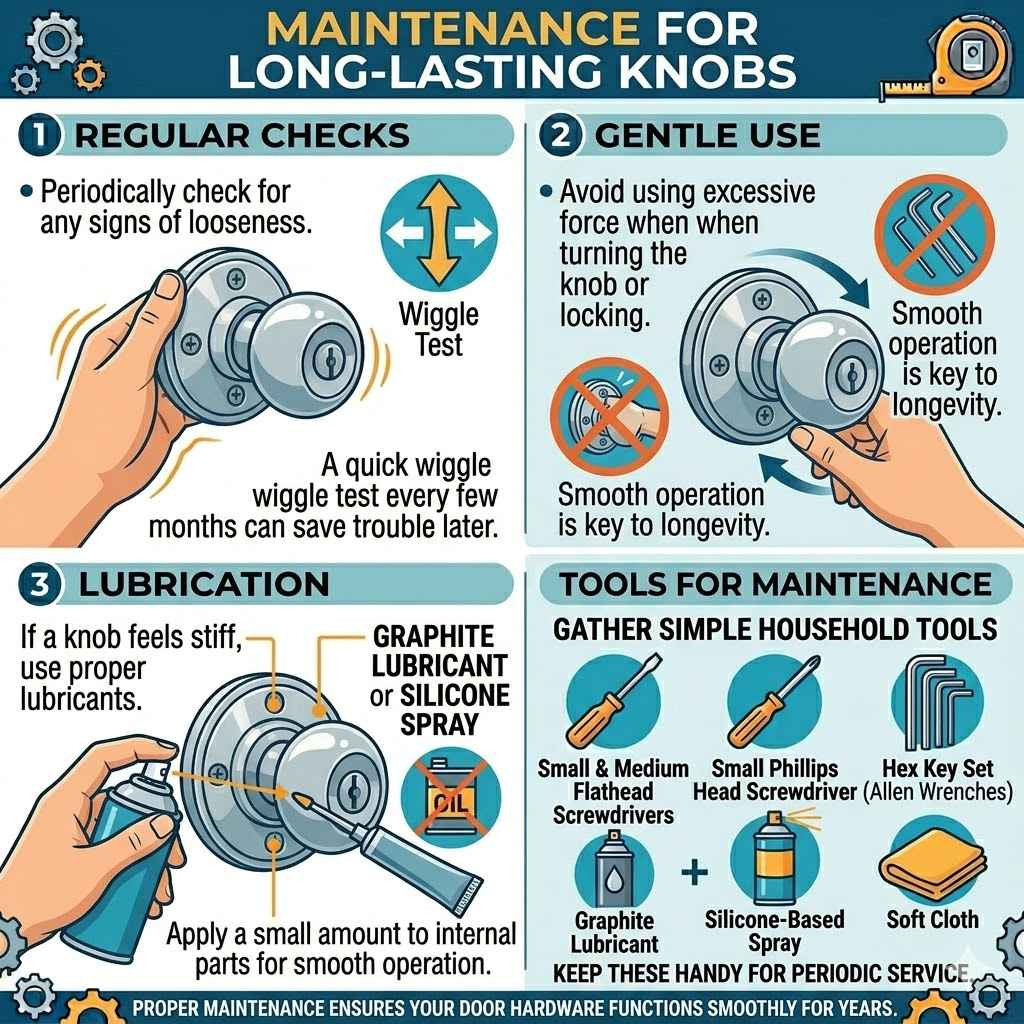
Regular Checks: Periodically check your door knobs for any signs of looseness. A quick wiggle test every few months can save you trouble later.
Gentle Use: Avoid using excessive force when turning the knob or locking the door. Smooth operation is key to longevity.
Lubrication: If a knob feels stiff, a little bit of graphite lubricant or a silicone-based spray can help.
Proper maintenance ensures your door hardware functions smoothly for years.
Frequently Asked Questions
Question: What tool should I use to remove the decorative cap on my door knob
Answer: You can usually use a small, thin flathead screwdriver or a putty knife. Gently insert it into the seam and pry it off slowly to avoid scratching.
Question: My door knob still feels loose after tightening the set screw
Answer: This might mean the threads on the screw or in the knob are stripped. You may need to try a slightly larger screw or consider replacing the knob.
Question: How do I know if my door knob has visible screws
Answer: Look for screws on the exterior of the knob or on the rose (the plate behind it). If you don’t see any, the screws are likely hidden under a decorative cap or trim.
Question: Can I use super glue to fix a loose door knob
Answer: While super glue might offer a temporary fix for some very minor issues, it’s generally not recommended. It can make future repairs difficult and may not hold long-term, especially with the force door knobs endure.
Question: How often should I check my door knobs for looseness
Answer: Checking your door knobs every few months is a good idea. A quick visual inspection and a gentle wiggle test can catch problems early.
Wrap Up
Fixing a loose door knob without visible screws is a manageable DIY task. By carefully inspecting for hidden caps, using the right tools to access set screws or mounting hardware, and tightening them properly, you can restore stability. This simple repair ensures your door functions smoothly and securely. You’ve now learned the key steps to get your door knob feeling solid again.