How To Fix A Sinking Foundation
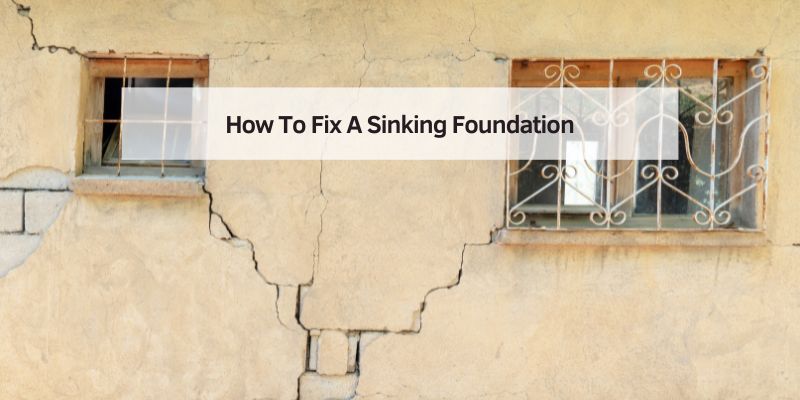
I’ll never forget the day I noticed my front door sticking. It was like wrestling a bear to get it closed! That’s when I learned my home’s foundation was sinking—a scary thought, but fixable. In this article, I’ll share simple steps to spot and fix a sinking foundation. Whether you’re a homeowner or just curious, I’ll explain everything in easy words, with practical tips and examples. You’ll learn what causes foundations to sink, how to fix them, and ways to save money. Let’s dive in and make this as easy as pie!
What Is a Sinking Foundation?
A sinking foundation happens when the ground under your home shifts or settles, causing the foundation to sink or tilt. Think of it like a table wobbling because one leg is on soft dirt. It’s a big deal because it can crack walls or make floors uneven. According to the National Association of Home Builders, about 25% of homes in the USA face foundation issues at some point.
Why Does It Matter?
A sinking foundation can mess up your home’s structure. Cracks in walls, sticky doors, or sloping floors are warning signs. If ignored, repairs can cost thousands—yikes! Fixing it early keeps your home safe and saves money. Plus, it’s a great chance to learn about your house.
Signs Your Foundation Is Sinking
Spotting a sinking foundation is the first step. When I checked my home, I saw clues outside and inside. Here are easy signs to look for:
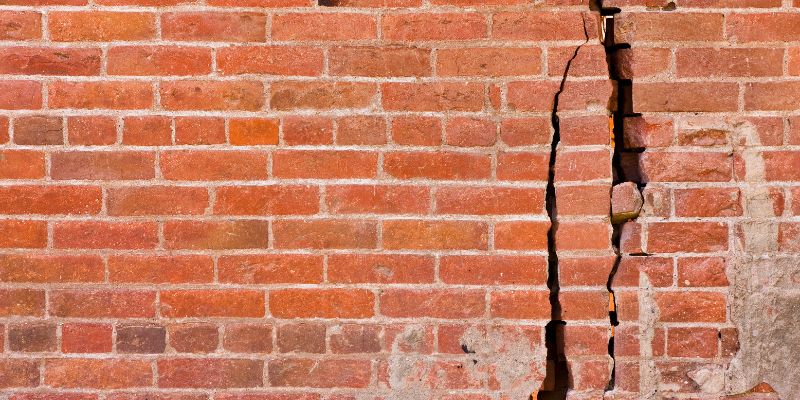
- Cracks in Walls: Big cracks in basement walls or drywall mean trouble. Small hairline cracks are okay, but wide ones? Get them checked.
- Sticky Doors or Windows: If doors or windows won’t close right, your foundation might be shifting.
- Uneven Floors: Floors that slope or feel bouncy are a red flag.
- Outside Clues: Look for cracks in exterior bricks or steps pulling away from the house.
Visual Idea: A simple diagram showing a house with labeled signs (cracks, tilted walls, uneven floors) would help beginners spot issues.
Why Foundations Sink
Foundations sink for a few reasons. Understanding why helps you choose the right fix. Here’s what I learned from my own home:
- Soil Problems: Clay-heavy soil swells when wet and shrinks when dry, moving your foundation.
- Water Issues: Poor drainage or leaks can soften soil under your home.
- Old Construction: Older homes might not have strong foundations for today’s standards.
- Heavy Weight: Your home’s weight can push down on weak soil over time.
Pro Tip: Check your yard’s drainage. Water pooling near your house is a sneaky culprit!
How To Fix a Sinking Foundation: Step-by-Step Guide
Fixing a sinking foundation sounds tough, but it’s doable with the right approach. I’ll break it down into simple steps. Most fixes need a pro, but you can handle small prep work.
Step 1: Spot the Problem
Walk around your home, inside and out. Look for cracks, uneven floors, or sticky doors. Write down what you see. This helps pros figure out what’s wrong.
Step 2: Call a Professional
Foundation repairs aren’t a DIY job for most. Contact a foundation repair company for a free inspection. They’ll check soil and damage. I found a local company through the Foundation Repair Association—super helpful
Step 3: Choose a Repair Method
There are a few ways to fix a sinking foundation. Here’s a simple table comparing common methods:
| Method | What It Does | Cost Range | Best For |
|---|---|---|---|
| Piering (Underpinning) | Pushes piers deep into stable soil | $5,000–$20,000 | Severe sinking, long-term fix |
| Mudjacking | Pumps concrete to lift foundation | $2,000–$6,000 | Minor sinking, budget-friendly |
| Foam Injection | Uses foam to lift and stabilize | $3,000–$8,000 | Moderate sinking, quick fix |
Caption: Compare repair methods to pick the best one for your home’s needs.
Step 4: Prep Your Home
Before repairs, clear the area around your foundation. Move plants, furniture, or outdoor stuff. Pros need space to work. I moved my patio chairs—it was a quick job!
Step 5: Let Pros Work
Repair crews will dig, install piers, or pump materials. It might take a few days. Stay patient—my repair took three days but fixed everything!
Step 6: Prevent Future Issues
After repairs, keep water away from your foundation. Install gutters or a yard drainage system. I added a simple downspout extension—problem solved!
Visual Idea: A basic sketch of a house with piers or foam injection points labeled would show how repairs work.
Tools and Materials Needed
You won’t need many tools for prep, but here’s a quick list:
- Notebook and Pen: To jot down signs of sinking.
- Tape Measure: To check crack sizes or floor slopes.
- Flashlight: For checking dark basements or crawl spaces.
For repairs, pros bring heavy-duty tools like hydraulic jacks or concrete pumps. If you’re curious, ask them to explain their gear—it’s cool to learn!
Benefits and Drawbacks of Fixing a Sinking Foundation
Fixing a sinking foundation has big perks but some challenges too. Here’s a quick rundown:
-
Benefits:
- Saves your home from worse damage.
- Boosts property value—fixed homes sell better!
- Peace of mind knowing your house is safe.
-
Drawbacks:
- Repairs can be pricey (see cost table above).
- Work might disrupt your yard or home for a few days.
Alternative Approach: If costs are high, start with small fixes like improving drainage. It won’t solve everything but can slow sinking.
My Top Tips for Beginners
After fixing my foundation, I picked up some tricks:
- Check Often: Look for cracks or sticky doors monthly. Early catches save cash.
- Save on Costs: Get multiple quotes from repair companies. I saved $1,000 by shopping around!
- Avoid Mistakes: Don’t ignore small signs—they grow into big problems.
- Safety First: Stay clear of repair zones. Heavy equipment is no joke.
Visual Idea: A checklist diagram with “Check cracks,” “Call pros,” and “Fix drainage” would make these tips pop.
Cost-Saving Ideas
Foundation repairs can hit your wallet hard, but I found ways to cut costs:
- Get Free Inspections: Many companies, like Helitech, offer free checks.
- Fix Drainage First: A $100 downspout can prevent worse damage.
- Compare Quotes: I got three quotes and picked the middle one—saved big!
Here’s a table to plan costs:
| Task | Estimated Cost | Why It Helps |
|---|---|---|
| Free Inspection | $0 | Spots issues early |
| Downspout Extension | $50–$150 | Keeps water away from foundation |
| Full Piering Repair | $5,000–$20,000 | Fixes severe sinking for good |
Caption: Budget-friendly steps to tackle a sinking foundation.
Common Mistakes To Avoid
I made a few goofs when dealing with my sinking foundation. Learn from me:
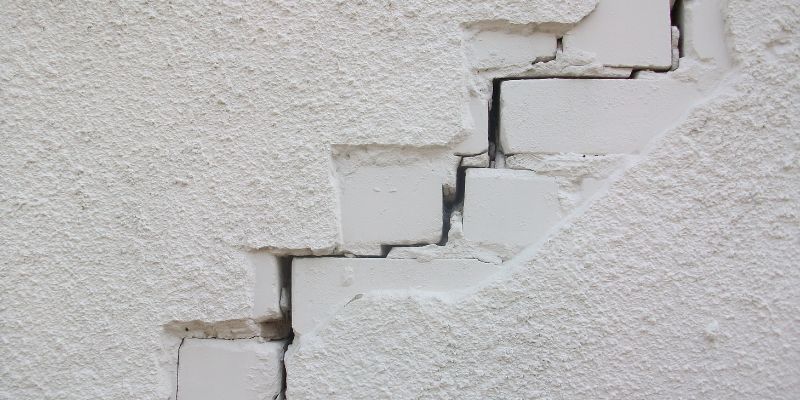
- Ignoring Small Cracks: I thought they were no big deal—wrong! They grew fast.
- DIY Repairs: I tried patching a crack myself. It was a mess and didn’t fix the real issue.
- Skipping Drainage Fixes: Water near your house is a foundation’s worst enemy.
Frequently Asked Questions
What Causes a Foundation To Sink?
Soil movement, water pooling, or poor construction can make foundations sink. Clay soil swells and shrinks, shifting your home. Bad drainage or old building methods also cause issues.
How Much Does It Cost To Fix a Sinking Foundation?
Costs range from $2,000 to $20,000, depending on the method. Mudjacking is cheaper ($2,000–$6,000), while piering costs more ($5,000–$20,000). Get quotes for exact prices.
Can I Fix a Sinking Foundation Myself?
Most repairs need professionals due to heavy equipment. You can prep by checking for signs or fixing drainage, but leave big fixes to experts.
How Long Does a Foundation Repair Take?
Repairs usually take 1–5 days. Simple jobs like mudjacking are quicker, while piering might take longer, depending on damage.
How Can I Prevent Foundation Sinking?
Keep water away with gutters and good drainage. Check your foundation yearly for cracks or shifts to catch problems early.
Is a Sinking Foundation Dangerous?
Yes, it can harm your home’s structure if ignored. Cracks or uneven floors can worsen, leading to costly repairs or safety risks.
When Should I Call a Professional?
Call if you see big cracks, sticky doors, or sloping floors. Early checks prevent bigger issues. Most companies offer free inspections.
Conclusion
Fixing a sinking foundation isn’t as scary as it sounds. Spot the signs, call a pro, and take simple steps like improving drainage. You’ll save money and keep your home safe. My sticky door is gone, and my house feels solid again! Try checking your foundation this weekend—it’s easier than you think. Share your tips or questions in the comments. Let’s keep our homes steady and strong! For more info, check trusted sites like Foundation Repair Association or Helitech Online.