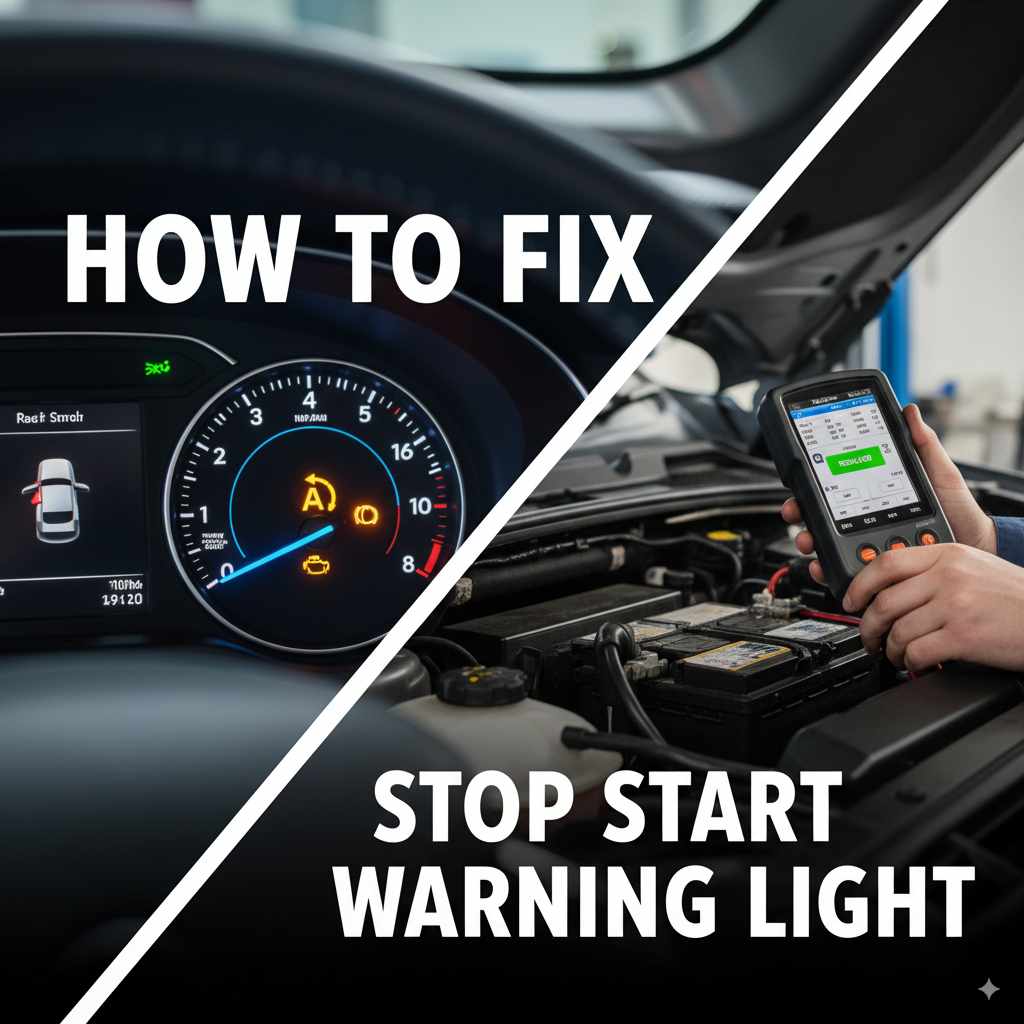
How to Fix Stop Start Warning Light: Proven Solution
Quick Summary
The stop-start warning light often indicates a battery issue. To fix it, first check your car battery’s charge and connections. If the battery is weak or corroded, replace or clean it. A professional diagnostic scan can pinpoint other causes if the battery isn’t the problem.
Ever seen that little light pop up on your dashboard and felt a little pang of worry? The stop-start warning light can be a bit of a mystery, and it’s natural to wonder what it means for your car. Don’t let it stress you out! Most of the time, this light is a friendly heads-up about something relatively simple to fix, especially if you’re comfortable with a few basic checks. We’re going to walk through it step-by-step, making it easy to understand and tackle yourself. By the end, you’ll know exactly what to do to get that light off and your car running smoothly again.
Understanding Your Stop-Start Warning Light
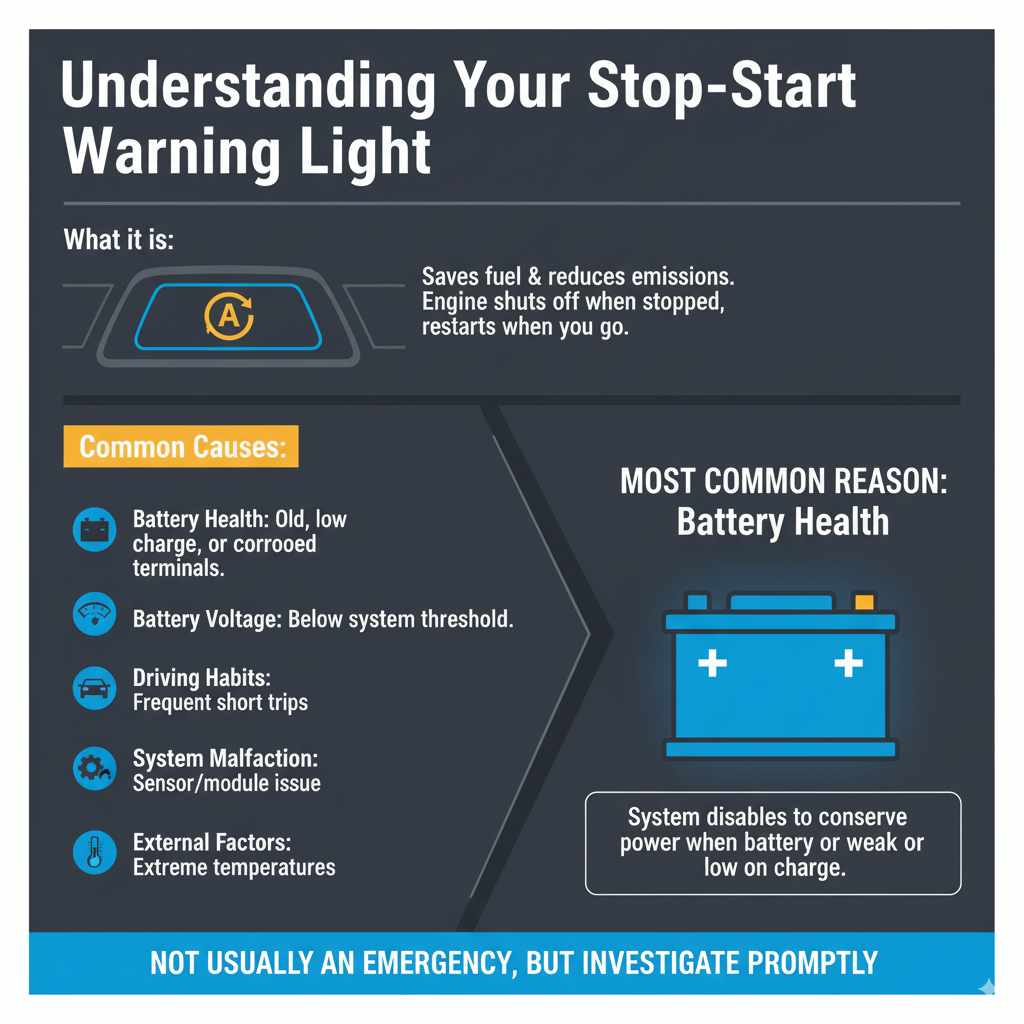
Your car’s stop-start system is designed to save fuel and reduce emissions by automatically shutting off the engine when you’re stopped (like at a red light) and restarting it when you’re ready to move. It’s a clever piece of technology, but like any system, it can sometimes have hiccups. The warning light is your car’s way of telling you something isn’t quite right with this system. It’s not usually an emergency, but it does mean it’s time to investigate.
The most common reason this light appears is related to the vehicle’s battery. The stop-start system requires a healthy, robust battery to function correctly. When the battery’s charge dips or it starts to show signs of wear, the system might disable itself to prevent stalling or to conserve power, and that’s when the warning light illuminates.
Common Causes of the Stop-Start Warning Light
Let’s break down the usual suspects. Knowing these can save you a lot of guesswork:
- Battery Health: This is by far the most frequent culprit. The stop-start system is a significant drain on the battery, especially during short trips or in cold weather. If your battery is old, not holding a charge well, or its terminals are corroded, the system might not get enough power.
- Battery Voltage: Even a healthy battery needs to maintain a certain voltage. If the voltage drops below the system’s threshold, it will temporarily disable the stop-start function and trigger the light.
- Driving Habits: Frequent short trips can prevent the battery from fully recharging. If the battery doesn’t get enough time to replenish its charge, the stop-start system might be deactivated.
- System Malfunction: Less commonly, there could be an issue with a sensor, the control module, or another component within the stop-start system itself.
- External Factors: In some cases, extreme temperatures (very hot or very cold) can temporarily affect the battery’s performance and trigger the light.
DIY Steps to Fix the Stop-Start Warning Light
Before you rush to a mechanic, there are a few things you can check yourself. These steps are beginner-friendly and can often resolve the issue without needing specialized tools.
Step 1: Check Your Car Battery
This is your first and most important stop. A weak or failing battery is the primary reason for the stop-start warning light.
Sub-Step 1.1: Visual Inspection
Pop the hood and locate your car battery. You’ll typically find it towards the front of the engine bay. Look for any obvious signs of damage, corrosion, or loose connections.
Sub-Step 1.2: Clean Battery Terminals
Corrosion on the battery terminals (the metal posts where the cables attach) is a common problem. It looks like a white or bluish powdery substance. This corrosion can prevent a good electrical connection, affecting the battery’s performance.
-
Tools you might need:
- Safety glasses
- Gloves
- A wire brush or battery terminal cleaner
- A mixture of baking soda and water
- A clean cloth
-
How to clean:
- Make sure the engine is off and the keys are out of the ignition.
- Disconnect the negative (black) terminal first, then the positive (red) terminal. This prevents accidental short circuits.
- Mix a tablespoon of baking soda with a small amount of water to create a paste.
- Apply the paste to the corroded terminals and cable clamps. Let it bubble for a few minutes.
- Use the wire brush or terminal cleaner to scrub away the corrosion.
- Wipe everything clean with a damp cloth, then dry thoroughly.
- Reconnect the terminals, positive first, then negative. Ensure they are snug and secure.
Sub-Step 1.3: Check Battery Charge (If you have a multimeter)
If you have a multimeter, you can get a more precise idea of your battery’s health. A fully charged car battery should read around 12.6 volts or higher when the engine is off.
-
Tools you might need:
- Digital Multimeter
-
How to check voltage:
- Set your multimeter to DC Voltage mode (usually indicated by V– or VDC) and select a range above 12 volts.
- Touch the red probe to the positive (+) battery terminal and the black probe to the negative (-) battery terminal.
- Read the voltage displayed on the multimeter.
What the readings mean:
| Voltage Reading | Battery Condition |
|---|---|
| 12.6 volts or higher | Fully charged and likely healthy. |
| 12.4 – 12.6 volts | Partially charged, may need charging. |
| 12.0 – 12.4 volts | Needs charging, potential issues if it doesn’t hold charge. |
| Below 12.0 volts | Significantly discharged, may need replacement. |
If your battery voltage is consistently low, or if it drops quickly after charging, it’s probably time for a new battery. You can find excellent guides on battery selection and replacement on resources like AutoZone’s DIY battery guides.
Step 2: Consider Your Driving Habits
The stop-start system relies on the battery being adequately charged. If you primarily make very short trips, the alternator might not have enough time to fully recharge the battery between drives. This can lead to a gradual decrease in battery charge, eventually triggering the warning light.
Solution: Try to incorporate longer drives (at least 20-30 minutes) into your routine whenever possible. This allows the alternator to work more effectively and keep the battery topped up.
Step 3: Check for Other Warning Lights
Sometimes, the stop-start warning light might be accompanied by other dashboard indicators. If you see other lights, like the check engine light, it could point to a more complex issue that requires professional diagnosis.
Step 4: Reset the System (If applicable)
In some vehicles, after addressing a battery issue or a temporary power fluctuation, the system might reset itself. However, this isn’t always the case. Some cars have a specific procedure to reset the stop-start system, which might involve a sequence of ignition cycles or using a diagnostic tool. Consult your car’s owner’s manual for specific instructions for your make and model.
When to Seek Professional Help
While many stop-start warning light issues can be resolved with simple DIY checks, there are times when you’ll need a mechanic’s expertise. If you’ve gone through the steps above and the light persists, or if you’re not comfortable performing these checks yourself, it’s time to call in the pros.
Signs You Need a Mechanic:
- Persistent Warning Light: After cleaning terminals, checking voltage, and ensuring the battery is in good condition, the light remains on.
- Multiple Warning Lights: If the stop-start light is on with other critical warning lights (e.g., check engine, ABS, brake warning), it suggests a broader problem.
- System Not Functioning: If the stop-start system doesn’t engage even when the light is off, or if the car behaves erratically.
- Lack of Tools or Confidence: If you don’t have a multimeter, or if you’re hesitant about working with car batteries.
- Complex System Issues: The stop-start system is linked to various sensors and control modules. A fault in these components requires specialized diagnostic equipment.
What a Mechanic Will Do:
A professional mechanic has advanced diagnostic tools that can read error codes from your car’s computer. These codes provide specific information about what might be wrong.
- Diagnostic Scan: They’ll connect a scan tool to your car’s OBD-II port to retrieve any stored fault codes.
- Battery Testing: They can perform more in-depth battery load tests to assess its overall health and capacity.
- Component Testing: They can test individual components of the stop-start system, such as sensors, relays, and the control module.
- Wiring Inspection: They’ll check for any damaged or loose wiring within the system.
For a deeper understanding of how modern car electronics work, resources like the National Highway Traffic Safety Administration (NHTSA) offer valuable insights into vehicle safety and technology.
Preventative Maintenance for Your Stop-Start System
Just like any part of your car, proactive maintenance can help prevent issues with the stop-start system. Here are some tips:
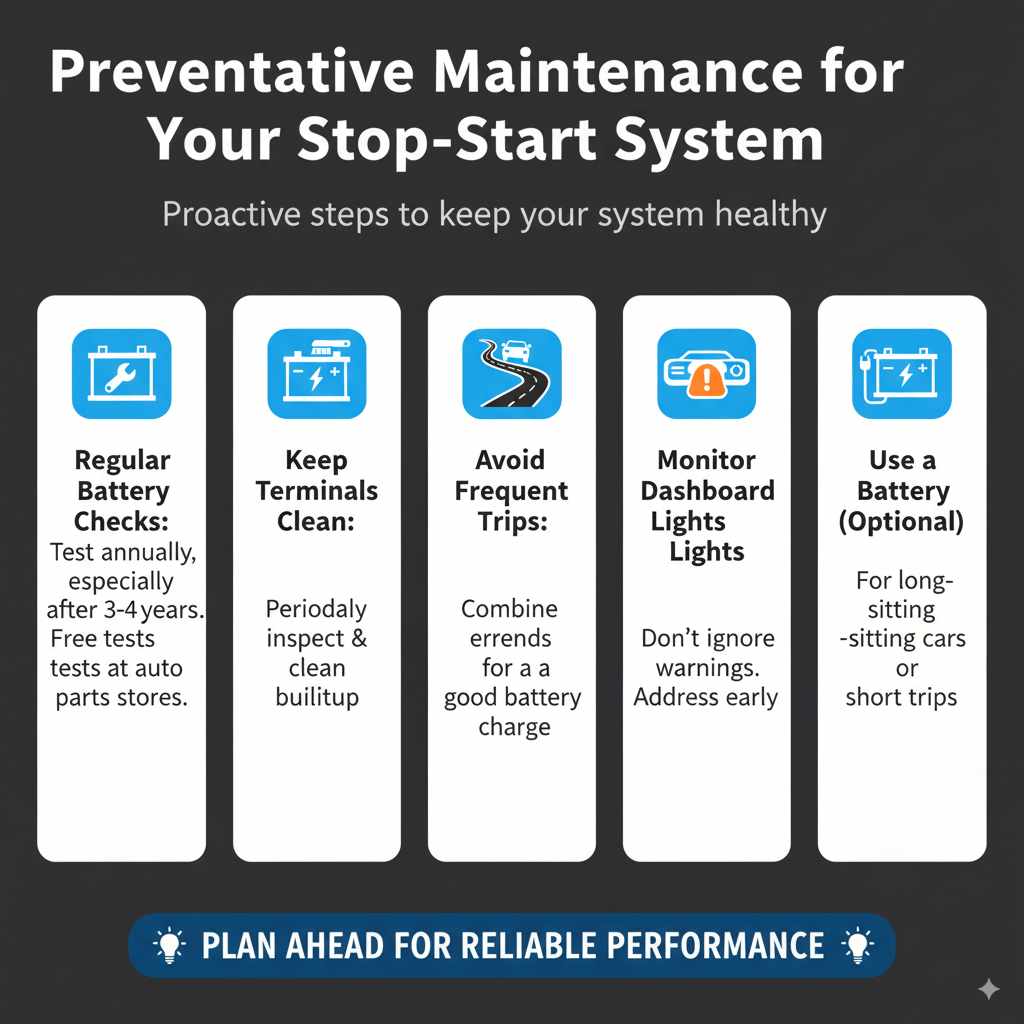
- Regular Battery Checks: Have your battery tested annually, especially as it gets older (typically after 3-4 years). Many auto parts stores offer free battery testing.
- Keep Terminals Clean: Periodically inspect and clean your battery terminals to prevent corrosion buildup.
- Avoid Frequent Short Trips: When possible, combine errands or take a longer drive to ensure your battery gets a good charge.
- Monitor Dashboard Lights: Don’t ignore any warning lights that appear. Addressing them early can prevent more significant problems.
- Use a Battery Tender (Optional): If your car sits for long periods or you only do very short trips, a battery tender can help maintain the charge.
FAQs About the Stop-Start Warning Light
Q1: Is it safe to drive with the stop-start warning light on?
A1: In most cases, yes. The light typically indicates that the stop-start system is temporarily disabled. Your car should still drive normally. However, if other warning lights are on, or if you notice unusual behavior, it’s best to get it checked soon.
Q2: How much does it cost to fix a stop-start warning light?
A2: The cost varies greatly. If it’s just a matter of cleaning battery terminals or a short drive to recharge the battery, it can be free. Replacing a battery typically costs between $100-$300. If it’s a more complex electronic issue, it could range from $200 to over $1000, depending on the part and labor.
Q3: Can a faulty alternator cause the stop-start light to come on?
A3: Yes, indirectly. If the alternator isn’t charging the battery properly, the battery’s voltage will drop, which can trigger the stop-start warning light. A mechanic can test your alternator’s performance.
Q4: My car is new, why is the stop-start light on?
A4: Even new cars can experience this. It might be due to a software glitch, a temporary issue with the battery’s initial charge, or even environmental factors. A quick visit to the dealership or a mechanic can usually diagnose and resolve it.
Q5: Do all cars have a stop-start system?
A5: No, not all cars come equipped with a stop-start system. It’s more common in newer vehicles, especially those designed for better fuel efficiency or to meet emissions standards. If your car doesn’t have this feature, you won’t see this specific warning light.
Q6: Can I disable the stop-start system permanently?
A6: Some vehicles have a button to temporarily disable the system for each drive. Permanently disabling it often requires modifications to the car’s computer system, which is generally not recommended and can void your warranty. It’s usually best to fix the underlying reason why the system is deactivating.
Conclusion
Dealing with a warning light on your dashboard can be unnerving, but understanding the stop-start warning light is the first step to gaining control. As we’ve seen, the most common cause is a simple battery-related issue, which you can often diagnose and even fix yourself with basic tools and a little patience. By checking your battery’s connections, cleaning away any corrosion, and ensuring it’s holding a proper charge, you can frequently resolve the problem and get your stop-start system back to its fuel-saving duties.
Remember, your car’s systems are designed to alert you to potential issues, and the stop-start warning light is no different. Don’t hesitate to perform these simple checks. If the problem persists or if you encounter other warning signs, a professional mechanic is always your best resource. With a little know-how and a proactive approach to maintenance, you can keep your car running smoothly and confidently on the road.