How to Get Multiple Door Locks with the Same Key
Hey there! If you’re like me, you’ve probably juggled a keyring full of clunky keys, each one for a different door in your home or workshop. It’s frustrating, right? Constantly fumbling to find the right key for the front door, back door, or shed can make you wish for a simpler solution. That’s where getting multiple door locks with the same key comes in. I’ve spent years tinkering with locks as a woodworking enthusiast and homeowner, and I’m excited to share everything I’ve learned about this game-changing topic.
Whether you’re securing your home, garage, or workshop, having one key for multiple locks is a total lifesaver. Let’s dive into how you can make this happen, step by step, with practical tips and insights I’ve picked up along the way.
Why Use the Same Key for Multiple Door Locks?
Picture this: you’re carrying a load of lumber into your workshop, and you need to unlock the door. Your keys are buried in your pocket, and you’re stuck trying to figure out which one fits. Using the same key for multiple locks eliminates this hassle. It’s not just about convenience, though. It’s also about security and efficiency. When all your doors use the same key, you reduce the risk of losing track of multiple keys or accidentally leaving one behind. Plus, it’s a huge time-saver for busy folks like us who want to focus on projects, not key management.
I first realized the value of this when I was renovating my home. I had separate keys for the front door, garage, and shed, and it drove me crazy. After switching to a single-key system, everything felt streamlined. It’s especially great for families or small businesses where multiple people need access to different doors. No more handing out a dozen keys or worrying about someone using the wrong one.
Understanding Keyed-Alike Locks
Let’s start with the basics. When we talk about multiple door locks using the same key, we’re usually talking about “keyed-alike” locks. These are locks designed to work with a single key, even if they’re installed on different doors. Manufacturers like Schlage, Kwikset, and Baldwin offer keyed-alike options for deadbolts, doorknobs, and even padlocks. The lock cylinders are configured to match the same key code, so one key fits them all.
I learned about keyed-alike locks when I was upgrading the security of my workshop. I wanted to make sure my tools were safe, but I didn’t want to carry a separate key for every lock. Keyed-alike locks were the perfect solution. They’re widely available at hardware stores, online retailers, and locksmiths. The trick is knowing what to look for when buying them, which we’ll cover next.
How to Choose Keyed-Alike Locks
Choosing the right keyed-alike locks can feel overwhelming, especially with so many brands and types out there. I’ve made a few mistakes along the way, like buying locks that didn’t match my existing setup. Here’s what I’ve learned to help you pick the perfect ones.
First, decide what type of locks you need. Are you securing exterior doors, interior doors, or maybe a gate? Deadbolts are great for exterior doors because they’re tough to pick or break. For interior doors, a simple doorknob lock might do the trick. I use deadbolts on my home’s entry points and a keyed-alike padlock for my shed. Make sure all the locks you buy are from the same brand and product line, as different brands use different keyways that won’t work together.
Next, check the keyway. This is the shape of the key and the lock’s internal mechanism. If you already have a lock you love, buy keyed-alike locks with the same keyway. For example, if you have a Kwikset lock, stick with Kwikset. Mixing brands like Schlage and Kwikset won’t work unless you rekey them, which we’ll talk about later.
Finally, think about the finish and style. I made the mistake of buying a shiny brass lock for one door and a matte black one for another, and it looked mismatched. Pick a finish that matches your home’s aesthetic, like satin nickel or oil-rubbed bronze. Most brands offer keyed-alike sets in multiple finishes, so you’ve got options.
Here’s a quick table to help you compare popular keyed-alike lock brands:
| Brand | Types Available | Finishes Available | Price Range (Single Lock) |
|---|---|---|---|
| Schlage | Deadbolts, Knob Locks | Satin Nickel, Brass, Black | $20–$50 |
| Kwikset | Deadbolts, Smart Locks | Satin Chrome, Bronze | $15–$40 |
| Baldwin | Deadbolts, Lever Locks | Polished Brass, Nickel | $30–$70 |
| Yale | Deadbolts, Padlocks | Satin Nickel, Black | $25–$60 |
Buying Keyed-Alike Lock Sets
The easiest way to get multiple door locks with the same key is to buy a keyed-alike lock set. These are bundles of locks pre-configured to work with one key. I bought a Kwikset keyed-alike set for my home, which came with two deadbolts and two doorknob locks. It was perfect for my front and back doors.
You can find these sets at places like Home Depot, Lowe’s, or Amazon. When shopping, look for the term “keyed alike” in the product description. Some sets even let you choose how many locks you need, which is great if you have multiple doors. For example, I needed four locks for my home, garage, shed, and workshop, so I ordered a custom set online.
One thing to watch out for is the number of keys included. Most sets come with two or three keys, but you might need more if you’re sharing with family or employees. You can always get extra keys cut at a locksmith or hardware store, but it’s cheaper to order them with the set.
Rekeying Existing Locks
What if you already have locks installed but want them to use the same key? That’s where rekeying comes in. Rekeying is when a locksmith or you (with the right tools) change the internal pins of a lock to match a new key. I tried this myself when I wanted my existing Schlage locks to work with one key, and it was surprisingly doable.
You can buy a rekeying kit from the lock’s manufacturer, like Kwikset’s SmartKey system. These kits come with tools and instructions to adjust the lock’s pins. I found it took about 15 minutes per lock, and I didn’t need to be a pro to do it. Just follow the instructions carefully, and you’ll be fine.
If DIY isn’t your thing, a locksmith can rekey your locks for you. I called one when I was short on time, and it cost about $15–$20 per lock. Make sure to tell the locksmith you want all the locks keyed alike, and bring along the key you want to use. One tip: if your locks are different brands, rekeying won’t work unless the keyways are compatible, so stick to one brand.
Smart Locks and Keyed-Alike Systems
Smart locks are a modern twist on keyed-alike systems, and I’ve been obsessed with them lately. Brands like Schlage and Yale offer smart locks that can be keyed alike and controlled with an app or keypad. I installed a Schlage Encode smart lock on my front door, and it’s keyed alike with my other deadbolts. I love that I can use a key, a code, or my phone to unlock it.
The beauty of smart locks is flexibility. If you’re worried about losing a key, you can share digital access with family or friends. Plus, many smart locks let you rekey them easily, so you can match them to your existing setup. The downside? They’re pricier, often $100–$200 per lock. But for me, the convenience was worth it, especially for my workshop where I’m in and out all day.
When choosing a smart lock, make sure it’s compatible with your other locks. Check the keyway and confirm it supports keyed-alike options. Also, look for features like Wi-Fi or Bluetooth if you want remote access. I went with a Wi-Fi-enabled lock so I could check if my workshop was locked from anywhere.
Installing Keyed-Alike Locks
Installing keyed-alike locks is straightforward, especially if you’re replacing existing ones. I’ve swapped out locks on my doors, and it’s a project most DIYers can handle. You’ll need a screwdriver, maybe a drill, and about 30 minutes per lock.
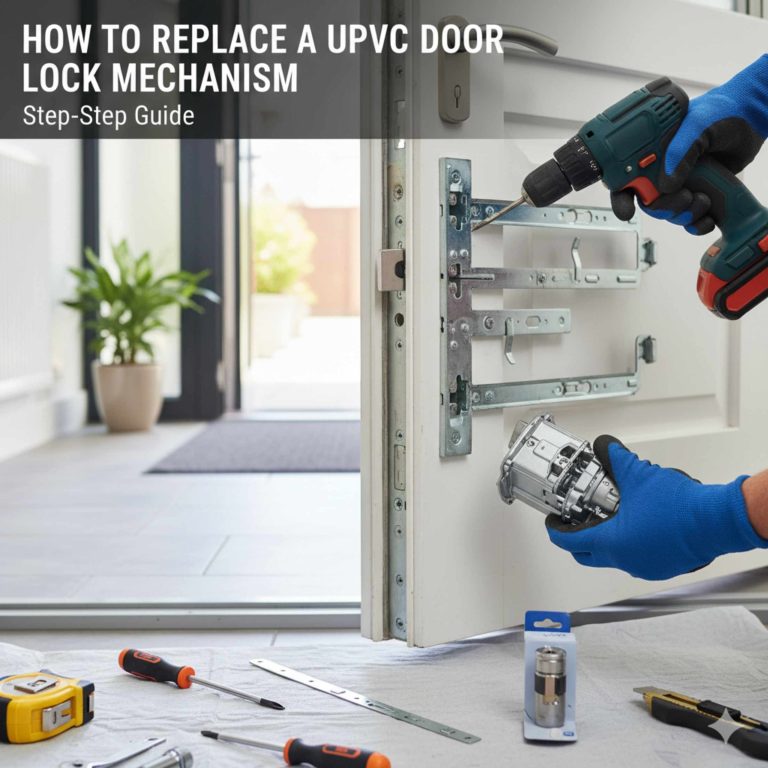
Start by removing the old lock. Unscrew the bolts on the inside of the door, pull out the lock, and remove the latch from the door’s edge. Your new keyed-alike lock should come with a template to help you align it. If you’re installing on a new door, you might need to drill holes for the lock and latch. I used a 2-1/8-inch hole saw for the lock and a 1-inch spade bit for the latch when I set up my workshop door.
Once the holes are ready, insert the latch and secure it with screws. Then, slide the lock through the hole, align the exterior and interior parts, and screw them together. Test the key to make sure it turns smoothly. I had one lock that was sticky at first, but a little graphite lubricant fixed it right up.
If you’re not comfortable with installation, a locksmith or handyman can do it for $50–$100 per lock, depending on your location. I’ve done both DIY and professional installs, and honestly, DIY is satisfying if you have the time.
Maintaining Your Keyed-Alike Locks
Locks take a beating, especially on exterior doors exposed to weather. I learned this the hard way when my shed lock started sticking after a rainy season. To keep your keyed-alike locks working smoothly, a little maintenance goes a long way.
Every six months, lubricate the lock with a graphite-based spray or powder. Don’t use oil-based lubricants like WD-40; they attract dirt and gum up the mechanism. I spray a little graphite into the keyhole, insert the key, and turn it a few times to spread it around.
Also, check the screws on your locks and tighten them if they’re loose. I had a deadbolt that felt wobbly, and tightening the screws made it solid again. If you live in a humid area, watch for rust on the latch or strike plate. A quick wipe with a rust-resistant spray can prevent issues.
If a lock starts to feel stiff or the key won’t turn, don’t force it. Try cleaning it with compressed air to remove debris. If that doesn’t work, it might be time to call a locksmith. I’ve saved a few locks this way instead of replacing them.
Common Mistakes to Avoid
I’ve made my share of mistakes with keyed-alike locks, so let me save you some trouble. First, don’t mix brands unless you’re sure the keyways are compatible. I once bought a Schlage lock thinking it would work with my Kwikset key—big mistake. Always double-check the keyway.
Another mistake is forgetting to test all the locks with the key before installing them. I installed a set of locks only to find one was miskeyed. Test each lock at the store or when it arrives to avoid surprises.
Finally, don’t skimp on quality. Cheap locks might save you a few bucks, but they’re easier to pick and wear out faster. I replaced a bargain-brand lock after a year because it started jamming. Stick with trusted brands like Schlage or Kwikset for durability.
Benefits of Keyed-Alike Locks for Home and Workshop
Using keyed-alike locks has been a game-changer for me. In my home, I have one key for the front door, back door, and garage, which means less clutter on my keyring. In my workshop, I use a keyed-alike padlock for my tool chest and the door, so I don’t have to hunt for keys when I’m in the middle of a project.
For families, it’s a lifesaver. My wife and kids each have one key that works everywhere, so there’s no confusion. If you run a small business or rental property, keyed-alike locks make it easy to give access to employees or tenants without handing out a dozen keys.
Security-wise, keyed-alike locks don’t compromise safety if you choose high-quality ones. Look for locks with features like bump-proof technology or hardened steel bolts. I upgraded to Schlage’s SecureKey system, which adds an extra layer of protection against lock picking.
When to Call a Professional
While I love DIY projects, sometimes it’s best to call a locksmith. If you’re dealing with complex smart locks or need to rekey multiple locks across different brands, a professional can save you time and headaches. I called a locksmith when I wanted to integrate a smart lock with my existing keyed-alike system, and they had it done in under an hour.
Locksmiths can also help if you’re installing locks on unusual doors, like heavy workshop doors or antique ones. I had a custom door in my home that needed a specific lock setup, and the locksmith knew exactly what to do.
Expect to pay $50–$150 for professional services, depending on the job. It’s worth it for peace of mind, especially if security is a top priority.
Conclusion
Getting multiple door locks with the same key has transformed the way I manage my home and workshop. No more fumbling with a jumble of keys or worrying about which one fits where. Whether you’re a homeowner, a woodworker, or a small business owner, keyed-alike locks offer convenience, security, and peace of mind. From choosing the right locks to installing and maintaining them, I’ve shared everything I’ve learned from years of trial and error. You can go the DIY route with a rekeying kit or buy a pre-configured set, or call a locksmith for a seamless setup. Whatever you choose, the result is the same: one key to rule them all. So, grab a quality lock set, test those keys, and enjoy the simplicity of a single-key system. Your future self will thank you!
FAQs
What does it mean for locks to be keyed alike?
Keyed-alike locks are designed to work with the same key. The lock cylinders have identical pin configurations, so one key can open multiple locks. It’s perfect for simplifying access to different doors.
Can I make my existing locks use the same key?
Yes, you can rekey existing locks to use the same key if they have compatible keyways. You can buy a rekeying kit or hire a locksmith to adjust the lock’s internal pins to match your chosen key.
Are keyed-alike locks less secure?
Not if you choose high-quality locks from reputable brands like Schlage or Kwikset. Keyed-alike locks are just as secure as regular locks, as long as they have features like bump-proof technology or strong materials.
How much does it cost to rekey a lock?
Rekeying a lock typically costs $15–$20 per lock if you hire a locksmith. If you do it yourself with a rekeying kit, the kit costs about $10–$30, depending on the brand.
Can smart locks be keyed alike?
Yes, many smart locks, like those from Schlage or Yale, can be keyed alike with other locks from the same brand. Check the keyway and confirm the lock supports keyed-alike options before buying.
Where can I buy keyed-alike lock sets?
You can find keyed-alike lock sets at hardware stores like Home Depot or Lowe’s, online at Amazon, or through locksmiths. Look for sets labeled “keyed alike” and check the number of locks included.