How to Get Rid of Black Stains on Hardwood Floors
Dealing with black stains on your lovely hardwood floors can be a real headache. You might wonder if those dark marks are permanent or if there’s a simple way to make them disappear. For many people, especially those new to wood floor care, figuring out How to Get Rid of Black Stains on Hardwood Floors can seem tricky. But don’t worry! This guide breaks it down into easy steps that anyone can follow. We’ll show you exactly what to do to bring back the shine and beauty of your floors.
Understanding Black Stains on Hardwood Floors
Black stains on hardwood floors are a common problem that can really detract from the beauty of your home. These marks often appear without much warning, leaving homeowners searching for effective solutions. It’s important to know what causes them to better prevent them and to choose the right cleaning method. Ignoring these stains can make them harder to remove and potentially damage the wood over time. This section will explore the common culprits behind these stubborn marks and why they happen.
Common Causes of Black Stains
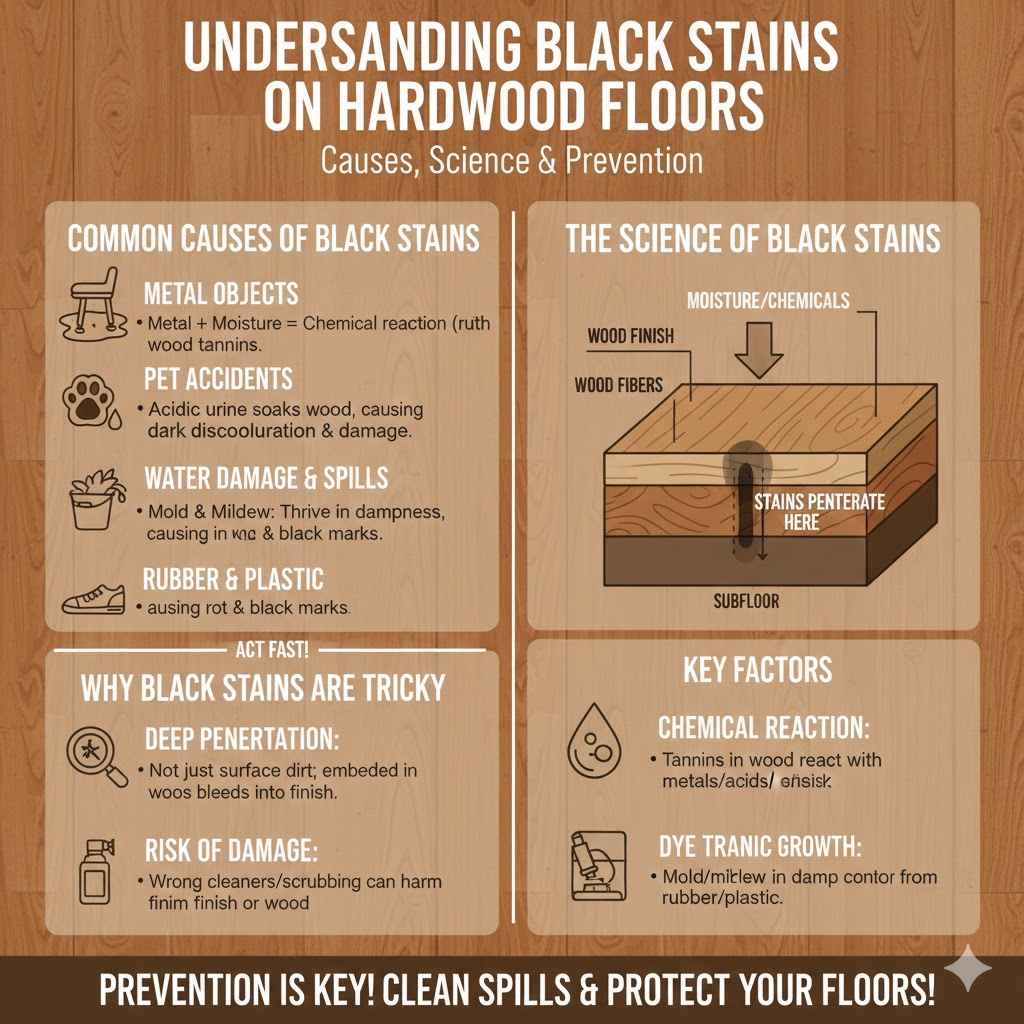
Several things can lead to those frustrating black marks on your wood floors. Understanding these sources helps in both prevention and choosing the right cleaning approach.
Metal Objects
Metal items left on a damp wood floor can react with the tannins in the wood. This reaction creates a chemical stain that often turns black. Think about chairs with metal feet, toys, or even tools. If moisture is present, the magic, or rather the rust, begins.
Pet Accidents
Urine from pets is highly acidic and can soak into the wood. When it sits there, it breaks down the wood fibers and can react with finishes, leading to dark or black discoloration. This is especially common if accidents aren’t cleaned up promptly.
Water Damage and Spills
Large water spills or persistent leaks can cause wood to swell and rot. This moisture, combined with dirt or debris, can create a breeding ground for mold and mildew. These fungi thrive in damp conditions and are notorious for leaving dark, black marks behind. Even a leaky plant pot can be a culprit.
Rubber and Plastic
Some rubber-backed mats, old shoes, or plastic items can transfer color to the wood surface. This is a type of dye transfer that can be difficult to remove once it has bonded with the wood finish.
These causes are why learning How to Get Rid of Black Stains on Hardwood Floors is such a useful skill for any homeowner. The key is to act quickly and use the right methods.
Why Black Stains Are Tricky
Black stains are challenging because they often penetrate the wood’s surface or react with its very structure. Unlike simple surface dirt, these marks are not just sitting on top; they are embedded within or have chemically altered the wood itself. This means a quick wipe with a damp cloth usually won’t cut it. The pigment or the altered wood fibers are the issue.
For beginners, the fear of making things worse is also a big factor. Using the wrong cleaner or scrubbing too hard can damage the wood’s finish or even the wood itself. This can lead to more costly repairs or refinishing.
Effective Methods for Removing Black Stains
Once you know why you have black stains, you can choose the best way to get rid of them. Different types of stains might need slightly different treatments, but there are some go-to methods that work well for most common black marks on hardwood floors. We will explore these techniques, from gentle approaches for lighter stains to more intensive options for stubborn ones.
Gentle Cleaning Solutions
Starting with the least abrasive methods is always a good idea. You want to remove the stain without harming your floor’s finish. These gentle solutions often involve common household items.
Mild Soap and Water
For light, recent stains, a solution of mild dish soap and warm water can be effective. Use a soft cloth dampened with the solution, not soaking wet. Gently wipe the stained area. Always dry the floor immediately afterward to prevent water damage.
Vinegar Solution
A mixture of white vinegar and water (1:1 ratio) is a popular choice. Vinegar is acidic and can help break down certain types of stains. Apply with a soft cloth, work gently, and rinse with a clean, damp cloth. Be sure to dry thoroughly. Avoid using too much vinegar, as its acidity can dull some finishes over time.
Baking Soda Paste
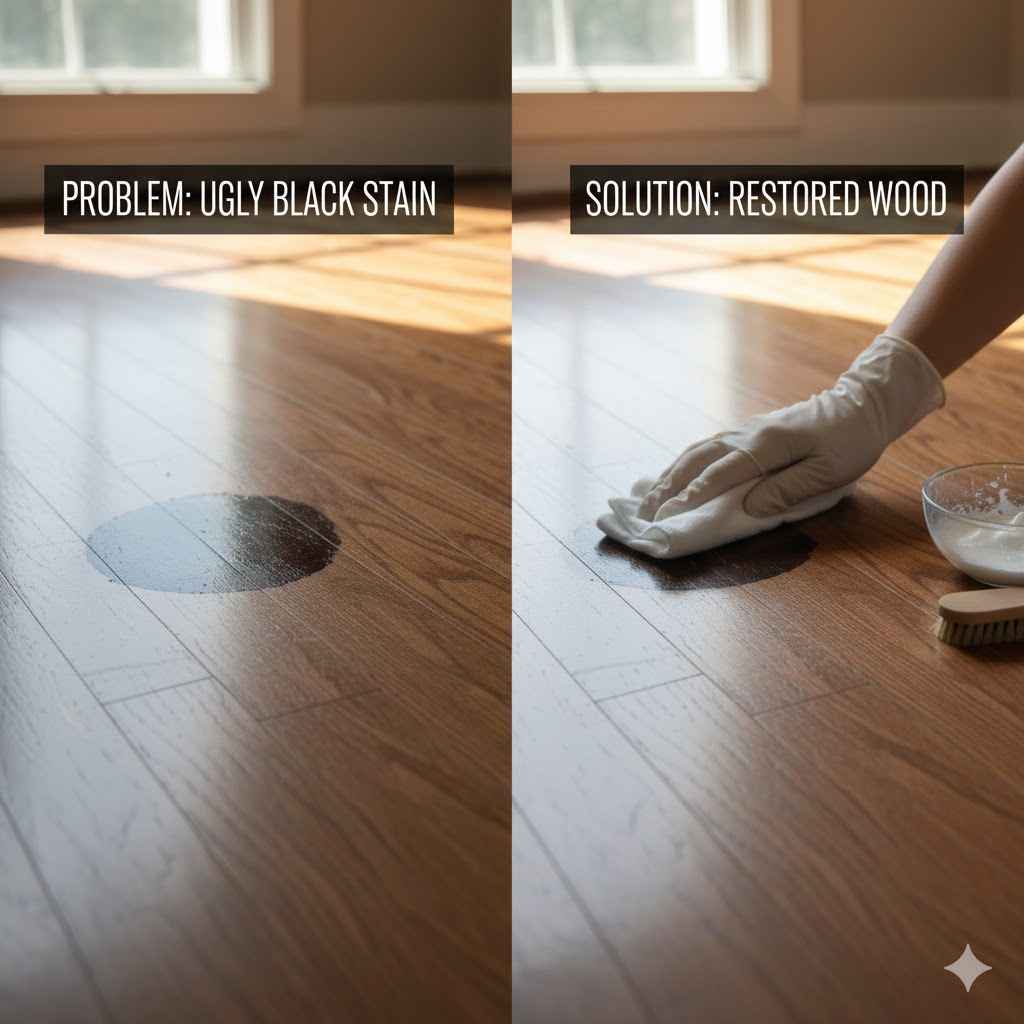
Baking soda is a mild abrasive. Mix baking soda with a small amount of water to create a paste. Apply the paste to the stain and let it sit for a few minutes. Gently scrub with a soft cloth or a soft-bristled brush. Wipe clean and dry. This method works well for surface stains and can lift some discoloration.
These methods are excellent for testing the waters. They are safe for most hardwood finishes and often solve the problem without the need for harsher chemicals.
Deeper Cleaning Techniques
If gentle methods don’t fully remove the stain, it’s time to step up your game. These techniques are a bit more powerful and can tackle stains that have set in.
Hydrogen Peroxide
For darker stains, hydrogen peroxide can be very effective. It has bleaching properties that can lighten the discolored wood. Apply a small amount of 3% hydrogen peroxide to a clean cloth and dab it onto the stain. Let it sit for a short period, then wipe clean with a damp cloth and dry thoroughly. Always test this in an inconspicuous spot first, as it can lighten the wood color.
Oxalic Acid (Wood Bleach)
Oxalic acid is often sold as wood bleach. It is very effective for removing black water stains and rust stains caused by metal. You’ll typically mix the oxalic acid crystals with warm water according to the product instructions. Apply the solution to the stained area with a brush or cloth. Let it work, then neutralize it (often with a baking soda and water solution) and rinse thoroughly. After it dries, the area might need light sanding and refinishing. This is a more advanced technique and requires careful handling and protection for your skin and eyes.
When using stronger cleaners like hydrogen peroxide or oxalic acid, always wear gloves and ensure good ventilation. These are powerful agents that require respect.
When to Sand and Refinish
Sometimes, a black stain has gone too deep into the wood to be removed by cleaning alone. In these cases, sanding and refinishing the affected area is the only way to restore the floor’s appearance. This is a more involved process but can bring your floor back to looking new.
Localized Sanding
If the stain is only in one small area, you might be able to sand just that spot. Start with a medium-grit sandpaper and work your way to finer grits. The goal is to remove the stained wood layer. After sanding, you’ll need to reapply a matching stain color and a protective finish to the area to blend it with the rest of your floor.
Full Floor Refinishing
If many areas of your floor have deep black stains, or if the stain has spread, a full floor refinishing might be necessary. This involves sanding the entire floor down to the bare wood, then applying stain and protective topcoats. This is a significant undertaking and often best left to professionals, but it guarantees a completely renewed floor.
This is the ultimate solution for very stubborn stains. While it requires more effort, the results can be dramatic.
Preventing Future Black Stains
The best way to deal with black stains is to avoid them altogether. By taking a few simple preventative steps, you can keep your hardwood floors looking beautiful for years to come. Prevention is always easier and cheaper than repair.
Regular Cleaning and Maintenance
Keeping your floors clean is the first line of defense. Regular dusting and sweeping will remove grit that can scratch the finish and trap moisture.
Daily Sweeping or Dusting
Use a soft-bristle broom or a microfiber dust mop daily to pick up dust, dirt, and pet hair. This prevents abrasive particles from scratching the floor’s surface.
Damp Mopping (Correctly)
When it’s time for a deeper clean, use a damp mop. The key is “damp,” not “wet.” Use a wood floor cleaner recommended by your floor manufacturer or a mild soap and water solution. Wring out the mop thoroughly so it releases moisture only, not standing water. Always dry the floor immediately with a clean, dry cloth or microfiber mop.
Avoid Excessive Water
Never let standing water sit on your hardwood floors. Wipe up spills immediately. Be mindful of moisture from windows, leaky plants, or entryways during wet weather.
Consistent, gentle cleaning is key to maintaining your floor’s integrity and appearance.
Protecting Your Floors from Damage
Beyond cleaning, certain protective measures can shield your floors from the common causes of black stains. These are simple habits that make a big difference.
Use Furniture Pads
Place felt pads on the legs of all furniture. This prevents metal or hard plastic legs from scratching the floor and stops furniture from creating indentations that can trap moisture and dirt. Regularly check and replace worn pads.
Area Rugs and Mats
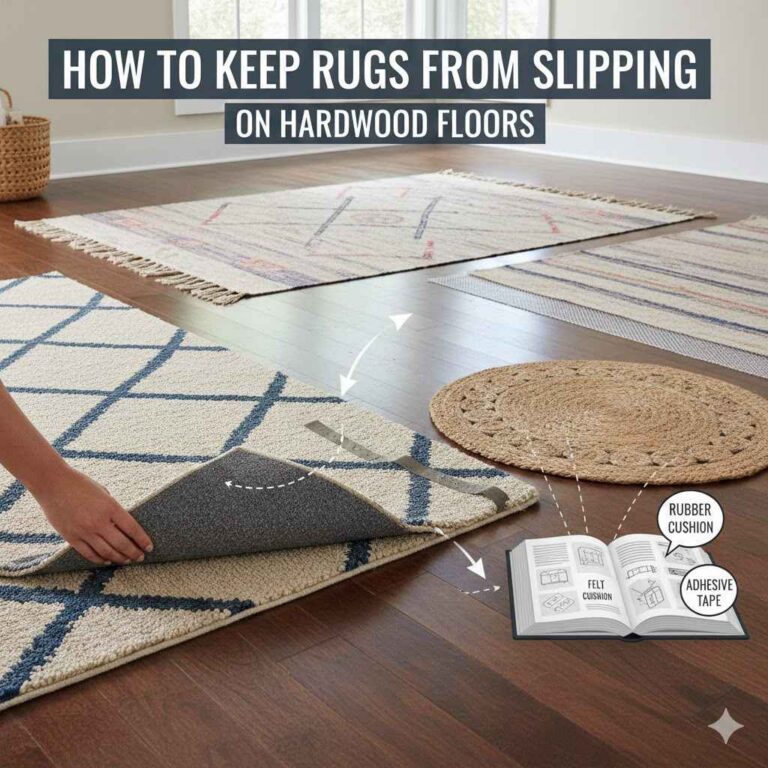
Place rugs or mats at entryways to catch dirt and moisture from shoes. Use rugs in high-traffic areas like dining rooms and living rooms. Ensure that any mats placed on hardwood floors are made of breathable materials and do not have rubber backing, which can cause staining.
Address Pet Issues Promptly
If you have pets, clean up accidents immediately. Keep pet nails trimmed to prevent scratches. Consider using pet stain removers specifically designed for hardwood floors to neutralize odors and prevent staining.
Manage Moisture Levels
Ensure your home has appropriate humidity levels. Use dehumidifiers in damp areas or during humid seasons. Keep windows closed during rainstorms and wipe down any wet areas around doors and windows.
These proactive steps significantly reduce the risk of encountering those difficult black stains.
Dealing with Different Types of Black Stains
Not all black stains are created equal. Understanding the likely source of the stain can help you choose the most effective removal method. Here, we’ll look at how to tackle some of the most common types.
Stains from Metal Objects
Black stains caused by metal furniture legs, metal toys, or other metal objects are often a result of a chemical reaction. The metal, especially when exposed to moisture, reacts with the tannins in the wood.
Identifying Metal Stains
These stains typically appear as dark gray or black marks. They are often localized to where the metal object was in contact with the floor. The stain might look like a ring or a dark footprint.
For these, a paste of baking soda and water, or a gentle scrub with a soft cloth dipped in a mild soap solution, can sometimes lift the surface discoloration. If the stain is deeper, hydrogen peroxide or oxalic acid might be necessary, followed by sanding and refinishing if the stain persists.
Pet Stain Black Marks
Pet urine is acidic and can penetrate the wood, causing discoloration and potential damage to the finish and wood itself. These stains can be particularly stubborn.
Dealing with Pet Stains
Blot up as much of the liquid as possible immediately. For fresh stains, a solution of equal parts water and white vinegar can help neutralize the odor and lift the stain. If the stain has set and turned black, you might need to use an enzymatic cleaner designed for pet stains, which breaks down the organic matter. For deep, black stains from old pet accidents, sanding and refinishing the affected area will likely be required.
It’s crucial to address pet stains quickly to prevent them from becoming permanent black marks.
Water and Mold Stains
These stains occur when water sits on the wood for too long, leading to rot and the growth of mold or mildew. They often have a fuzzy or moldy appearance before turning dark.
Removing Water and Mold Stains
For light mold or water stains, a solution of hydrogen peroxide can be effective at killing mold and lightening the stain. If the mold is extensive or the wood is visibly damaged, you may need to treat the area with a diluted bleach solution (use caution and ensure good ventilation). However, bleach can also lighten the wood unevenly. Often, these stains require sanding down to the unaffected wood and then refinishing the area to match the surrounding floor.
It’s vital to not only remove the stain but also to ensure the area is completely dry to prevent mold from returning.
Tools and Materials You Will Need
Gathering the right supplies before you start will make the process smoother and more efficient. Having everything ready ensures you can tackle the stains without interruption.
- Soft cloths or microfiber towels
- Soft-bristle brush or old toothbrush
- Bucket
- Mild dish soap
- White vinegar
- Baking soda
- Hydrogen peroxide (3% solution)
- Gloves
- Safety glasses (especially if using stronger chemicals)
- Sanding paper (medium and fine grit, if needed)
- Wood stain (if refinishing)
- Wood finish or sealant (if refinishing)
- Optional: Oxalic acid crystals (wood bleach)
Choosing the right tools and materials is a big part of learning How to Get Rid of Black Stains on Hardwood Floors successfully.

Frequently Asked Questions
Question: How quickly should I clean up spills on hardwood floors
Answer: You should clean up spills immediately. The longer liquid sits on hardwood, the more likely it is to soak in and cause stains or damage.
Question: Can I use bleach to remove black stains from hardwood
Answer: Diluted bleach can be used for stubborn mold and mildew stains, but it can also lighten the wood unevenly. Test in an inconspicuous area first, and use it sparingly with good ventilation.
Question: What is the best way to prevent black stains on my hardwood floors
Answer: Regular sweeping, prompt spill cleanup, using furniture pads, and placing rugs at entrances are key prevention methods.
Question: Will sanding always remove black stains
Answer: Sanding removes the top layer of wood. If the stain has not penetrated too deeply, sanding will likely remove it. Very deep stains might require extensive sanding.
Question: How do I know if a stain is too deep to remove without sanding
Answer: If gentle cleaning methods do not lighten the stain after a few attempts, or if the stain appears very dark and set-in, it is likely too deep for cleaning alone and may require sanding.
Wrap Up
Learning How to Get Rid of Black Stains on Hardwood Floors empowers you to maintain your home’s beauty. You can tackle most dark marks with simple household items like baking soda and vinegar. For tougher stains, hydrogen peroxide or oxalic acid offer stronger solutions. If stains are very deep, sanding and refinishing restore your floors like new. Always remember that quick cleanup and protective measures prevent these issues from arising. Your beautiful hardwood floors are worth the effort.