How to Hang a Tarp Like a Curtain
Hey, friend! If you’re looking to create some shade, privacy, or weather protection in your garage, carport, or outdoor workspace, hanging a tarp like a curtain is a fantastic solution. I’ve done this a few times myself, whether it was to shield my truck from rain while working on it or to create a cozy outdoor nook for my family. It’s a simple, budget-friendly project that anyone can tackle with a little know-how. I’ve learned a lot through trial and error, and I’m excited to share my experience with you.
In this guide, I’ll walk you through every step of hanging a tarp like a curtain, with tips to make it sturdy, functional, and even a little stylish. Whether you’re a DIY newbie or a seasoned gearhead, you’ll find everything you need to get this done. Let’s get started!
Why Hang a Tarp Like a Curtain?
I first got the idea to hang a tarp like a curtain when I needed a quick way to block wind in my open garage. Tarps are versatile, durable, and way cheaper than custom curtains or partitions. They’re perfect for automotive settings—think covering a carport to keep your tools dry or creating a temporary paint booth. I’ve also used them to section off part of my backyard for a car wash setup. A tarp curtain can protect against sun, rain, dust, or prying eyes, and it’s easy to put up and take down. Plus, it’s a project that doesn’t require fancy skills or tools, which I love. It’s all about practicality and getting the job done.
Choosing the Right Tarp
Picking the right tarp is the first step, and I’ve learned it makes a big difference. Here’s a table of tarp types I’ve used and what they’re best for:
| Tarp Type | Material | Best For |
|---|---|---|
| Heavy-duty canvas | Canvas | Durable, breathable, great for long-term use |
| Vinyl | Vinyl | Waterproof, ideal for rain or paint booths |
| Polyethylene (poly) | Plastic | Lightweight, affordable, good for temporary setups |
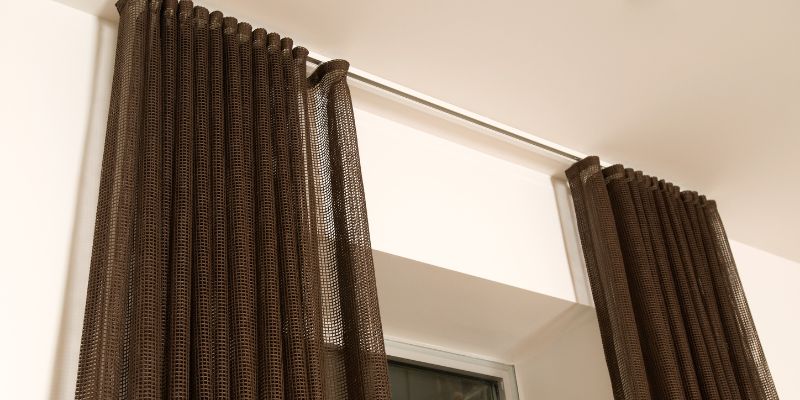
| Mesh | Poly with mesh weave | Wind resistance with airflow, like carport dividers |
I usually go for a heavy-duty canvas tarp if I want something that looks decent and lasts for years. Vinyl is my choice for wet environments, like when I’m working under a carport during a storm. Poly tarps are cheap and easy to find, but they tear more easily. Mesh is great if you need airflow but still want some shade. I also check the tarp’s size to match my space—measure your area first to avoid buying one that’s too small or too big.
Tools and Materials You’ll Need
You don’t need a ton of gear to hang a tarp like a curtain, which is one reason I love this project. Here’s what I keep on hand:
- Tarp: Chosen based on your needs.
- Curtain rod or pole: Metal or PVC, strong enough to hold the tarp.
- Grommets (if not included): For attaching the tarp to the rod.
- Rope or bungee cords: To secure the tarp or add tension.
- Screws or hooks: To mount the rod or rope anchors.
- Drill or screwdriver: For installing hooks or brackets.
- Measuring tape: To get the dimensions right.
- Scissors or utility knife: To trim the tarp if needed.
- Ladder: For high installations.
- Zip ties or clips: For extra securing points.
I also keep safety glasses and gloves handy, especially when drilling or cutting. Most of these items are probably already in your garage, and anything else is easy to grab at a hardware store.
Step-by-Step Guide to Hanging a Tarp Like a Curtain
I’ve hung tarps in all sorts of places, from my garage to my backyard, and this process works every time. It’s simple but takes a bit of care to get right. Here’s how I do it:
Step 1: Measure Your Space
I start by measuring the area where I want the tarp to hang. I use a measuring tape to check the width and height of the space, like the opening of my carport. I add a few extra inches to the width for a gathered, curtain-like look and to the height for a hem or floor clearance. If the tarp slides open and closed, I make sure it’s wide enough to cover the space when fully extended. Writing down the measurements helps me avoid mistakes when buying or cutting the tarp.
Step 2: Choose and Prepare the Tarp
Once I know the size, I pick a tarp that fits. If the tarp doesn’t have grommets (those metal rings in the corners), I add them using a grommet kit from the hardware store. I space the grommets about 12-18 inches apart along the top edge to make sure the tarp hangs evenly. If I need to trim the tarp, I use scissors or a utility knife and seal the edges with a lighter to prevent fraying. I’ve learned that prepping the tarp properly makes the rest of the job easier.
Step 3: Install the Curtain Rod or Support
Next, I set up something for the tarp to hang from. I’ve used a metal curtain rod for a sturdy setup or a PVC pipe for a lighter, temporary one. I mount the rod using brackets screwed into the wall or ceiling. For outdoor setups, like in my carport, I’ve tied a rope tightly between two anchor points, like posts or trees. I make sure the rod or rope is level using a level tool—otherwise, the tarp will hang crooked. I also check that it’s strong enough to hold the tarp’s weight, especially for heavy canvas ones.
Step 4: Attach the Tarp to the Rod
Now, I hang the tarp. If it has grommets, I slide the rod through them, like threading a curtain. For a rope setup, I tie the grommets to the rope with zip ties or small bungee cords. If the tarp doesn’t have grommets, I use curtain clips or fold the top edge over the rod and secure it with clips. I make sure the tarp slides smoothly if I want it to open and close. This step is where the curtain starts coming together, and it’s exciting to see it take shape.
Step 5: Secure the Sides and Bottom
To keep the tarp in place, I secure the sides and bottom. For a fixed tarp, I tie the side grommets to hooks or posts with rope or bungee cords. If I want the tarp to slide, I leave the sides free but add weights, like small sandbags, to the bottom corners to keep it from flapping in the wind. I’ve also used velcro strips to attach the tarp to a frame for a snug fit. This step depends on your setup, but it’s key to making the tarp stable.
Step 6: Test and Adjust
Once the tarp is up, I test it. I slide it open and closed (if it’s meant to move) to check for snags. I tug gently to make sure the rod or rope holds firm. If it’s sagging or uneven, I adjust the rod brackets or tighten the ropes. I also check for gaps where wind or light might sneak through and add extra ties if needed. This step is all about fine-tuning to get that perfect curtain look.

Tips for a Professional-Looking Setup
I’ve picked up a few tricks to make my tarp curtains look and work better. First, choose a tarp color that matches your space—neutral colors like beige or green blend well in automotive settings. Second, double-check your measurements before cutting or buying anything. I’ve wasted money on tarps that were too small because I rushed this. Third, use bungee cords for outdoor setups—they add flexibility and handle wind better than rope. Finally, clean your tarp before hanging it. A quick wipe with soap and water makes it look sharp.
Common Mistakes to Avoid
I’ve made plenty of mistakes, so let me save you some trouble. One big one is using a tarp that’s too flimsy. Cheap poly tarps tear easily, especially outdoors. I also learned not to skip grommets—without them, the tarp can rip when you hang it. Another mistake is installing the rod too low, which makes the tarp drag on the ground. I’ve done this and had to redo the whole setup. Lastly, don’t overtighten ropes or bungees—it can pull the tarp out of shape or damage the grommets.
Customizing Your Tarp Curtain
One thing I love about tarp curtains is how easy they are to customize. I’ve added clear vinyl strips to one for a window-like effect, letting light in while keeping rain out. For a paint booth, I taped multiple tarps together to create a larger enclosure. You can also paint canvas tarps with fabric paint for a unique look, though I stick to simple colors for my garage. If you want a temporary setup, I’ve used removable hooks or suction cups to avoid drilling holes. Get creative—it’s your space!
Maintaining Your Tarp Curtain
Tarps are tough, but they need a little care to last. I clean mine with mild soap and water every few months to remove dirt or grease, especially in my garage. For canvas tarps, I check for mold and let them air out if they get damp. Vinyl tarps can crack in extreme cold, so I store them indoors during winter. I also inspect grommets and ropes regularly for wear and replace them if they’re fraying. A little maintenance keeps your tarp curtain looking good and working well.
When to Use a Tarp Curtain in Automotive Work
I’ve found tarp curtains super useful for automotive projects. In my garage, I hang one to block dust when sanding or painting parts. For outdoor work, a tarp curtain in my carport keeps my tools dry and shields my car from sun or rain. I’ve also used one to create a private workspace when detailing a customer’s car. They’re great for separating spaces, like keeping your welding area away from flammable materials. Wherever you need quick, affordable protection, a tarp curtain gets the job done.
Why I Love This Project
Hanging a tarp like a curtain is one of those projects that’s simple but makes a big impact. I love how versatile it is—whether I’m protecting my truck, setting up a temporary workshop, or just adding some shade, it always works. It’s also a budget-friendly way to solve problems without buying expensive equipment. Every time I slide my tarp curtain open or see it hold up in a storm, I feel proud of my handiwork. It’s a small project with big rewards, and I’m excited for you to try it.
Conclusion
Hanging a tarp like a curtain is a DIY project that anyone can master, and I hope my experience helps you nail it. From picking the right tarp to securing it tightly, every step is about creating a functional, durable solution for your automotive space. Whether you’re shielding your car from the elements or setting up a private workspace, a tarp curtain is a cheap, effective way to get it done. I’ve loved using this trick in my garage and beyond, and I’m confident you’ll find it just as useful. So grab your tarp, measure carefully, and have fun making your space your own. If you have any questions, check out the FAQs below. Happy DIYing!
FAQs
What’s the best tarp for outdoor use?
I recommend vinyl for waterproofing or canvas for durability. Both handle weather well, but vinyl is better for rain.
Can I hang a tarp without drilling holes?
Yes! I’ve used removable adhesive hooks or suction cups for temporary setups. Just make sure they’re rated for the tarp’s weight.
How do I keep the tarp from flapping in the wind?
I add weights, like sandbags, to the bottom corners or use bungee cords to keep it taut.
What if my tarp doesn’t have grommets?
I use curtain clips or add grommets with a kit from the hardware store. It’s easy and makes hanging simpler.
How long does it take to hang a tarp curtain?
For a simple setup, I spend about 30-60 minutes, depending on the size and complexity.
Can I wash a tarp curtain?
Yes, I clean mine with soap and water. For canvas, I air it out to prevent mold. Vinyl wipes down easily.
Will a tarp curtain block all light?
It depends on the material. Vinyl and canvas block most light, but mesh lets some through. I’ve added clear strips for light if needed.