A Simple Guide to Installing Tarps on Your Patio
I love relaxing on my patio, but the sun and rain used to ruin my fun. One summer, I learned how to install tarps to patio spaces, and it changed everything! Now, I enjoy shade and stay dry no matter the weather. This article will show you how to install tarps to patio areas easily. I’ll share simple steps, handy tips, and my own experiences. Whether you’re a beginner or a pro, you’ll find clear ideas here. Let’s make your patio cozy and protected!
Why Install Tarps on Your Patio?
Tarps keep your patio comfy. They block sun, rain, and debris.
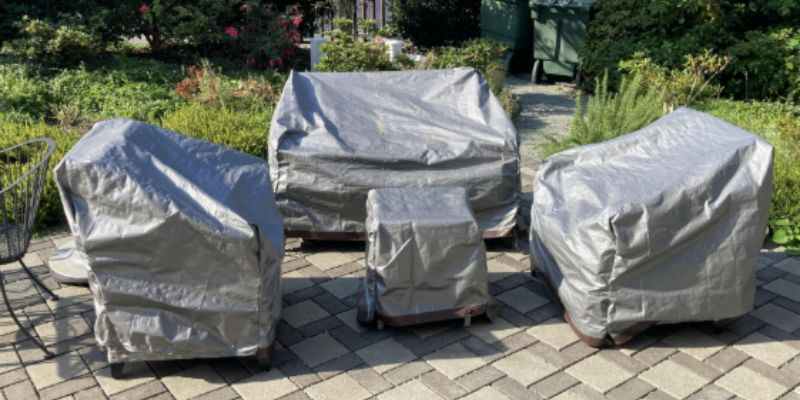
I once hosted a barbecue, but rain threatened to cancel it. A tarp saved the day! It’s a cheap way to enjoy your outdoor space. Tarps also protect furniture and add privacy. They’re easy to set up and remove.
Choosing the Right Tarp
Picking a tarp is key. You want one that fits your patio and needs.
I tried a cheap blue tarp once, but it tore quickly. Now, I choose stronger ones. Here’s what to think about:
- Material: Polyethylene is waterproof and light. Vinyl is tough for bad weather. Mesh lets air through but gives shade.
- Size: Measure your patio. Add a few inches for overlap.
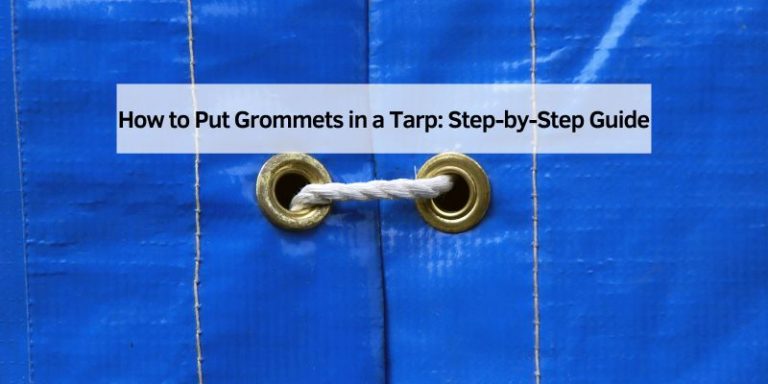
- Features: Look for tarps with grommets (metal holes) for easy setup.
Table 1: Tarp Material Comparison
| Material | Pros | Cons | Best For |
|---|---|---|---|
| Polyethylene | Waterproof, light, cheap | Less durable | General use |
| Vinyl | Very tough, waterproof | Heavy, costly | Harsh weather |
| Mesh | Airflow, shade | Not waterproof | Hot, windy areas |
| Caption: Compare tarp materials to pick the best one for your patio. |
Tools and Materials You’ll Need
You don’t need much to install a tarp. I keep things simple.
Here’s what I use:
- Tarp with grommets
- Rope or bungee cords
- Anchors (like stakes or eye bolts)
- Measuring tape
- Ladder (for high spots)
- Scissors or a knife
You can find these at Home radditDepot or Tarp Supply. A basic tarp costs $10–$50. Bungee cords are about $5 for a pack.
Step-by-Step Guide to Install Tarps to Patio
Installing a tarp is easy if you follow these steps. I’ve done this many times!
Step 1: Measure Your Patio
Measure your patio’s length and width. Add 6 inches for overlap.
I once forgot to measure and bought a tiny tarp. It didn’t cover half my patio! Use a tape measure for accuracy.
Step 2: Pick Anchor Points
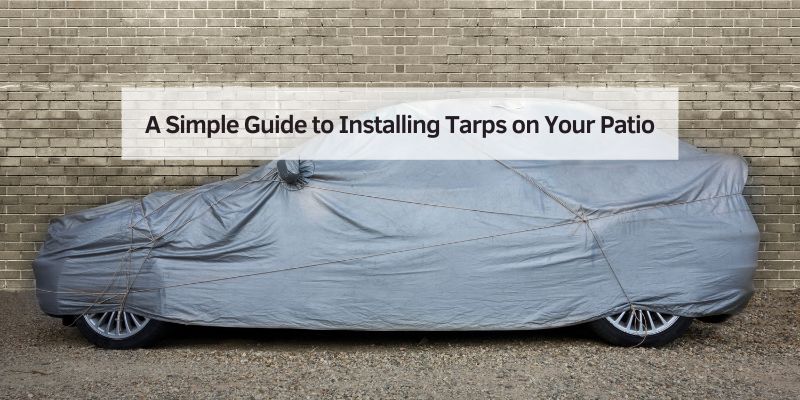
Find strong spots to tie your tarp, like poles or walls. I use my fence and house beams.
Make sure anchors are sturdy. Weak ones can break in wind.
Step 3: Spread the Tarp
Lay the tarp over your patio. Center it so corners reach your anchors.
I spread mine on the ground first to check the fit. It saves time.
Step 4: Attach the Tarp
Thread rope or bungee cords through the tarp’s grommets. Tie them to anchors.
I use bungee cords for flexibility. They stretch in wind, so the tarp won’t tear.
Step 5: Tighten and Adjust
Pull the ropes tight to avoid sagging. Check that water can run off.
I adjust mine after a day to keep it snug. Loose tarps collect water.
List 1: Quick Installation Tips
- Use bungee cords for windy areas.
- Slope the tarp to let rain slide off.
- Check anchors weekly for tightness.
Visual Idea: A diagram showing a tarp tied to a fence and beams, with arrows for rope paths.
Benefits of Patio Tarps
Tarps make your patio better. They’re cheap and easy to use.
- Shade: Block hot sun for cool relaxation.
- Protection: Keep furniture dry and clean.
-
Privacy: Hide from nosy neighbors.
I love how my tarp lets me read outside without glare. But tarps aren’t perfect. They can tear in strong winds, and some aren’t fully waterproof.
Drawbacks and Alternatives
Tarps can flap in wind if not tight. Cheap ones wear out fast.
I once used a low-quality tarp that ripped in a storm. Now, I spend a bit more for durability. You could also try:
- Permanent Covers: Like pergolas, but they’re expensive.
- Shade Sails: Stylish but harder to install.
Table 2: Tarp vs. Alternatives
| Option | Cost | Ease of Setup | Durability |
|---|---|---|---|
| Tarp | $10–$50 | Easy | 1–3 years |
| Pergola | $500–$5000 | Hard | 10+ years |
| Shade Sail | $50–$200 | Medium | 3–5 years |
| Caption: Compare tarps to other patio covers for your budget. |
My Top Tips for Success
I’ve learned a lot from installing tarps. Here’s what works:
- Check Weather: Take down tarps before big storms.
- Clean Regularly: Wash with soap to avoid mold.
-
Add Support: Use extra ropes in the middle for big tarps.
One time, I skipped cleaning, and my tarp got moldy. Now, I rinse it monthly.
List 2: Common Mistakes to Avoid
- Don’t use weak anchors; they’ll break.
- Avoid loose tarps; they hold water.
- Don’t skip measuring; it wastes money.
Visual Idea: A simple sketch of a sloped tarp setup to show water runoff.
Safety Tips for Tarp Installation
Safety comes first. I always check my setup carefully.
- Use a sturdy ladder to reach high anchors.
- Tie ropes securely to avoid tripping.
- Remove tarps in high winds to prevent damage.
I once tripped on a loose rope—ouch! Now, I tie knots tightly.
Table 3: Tool Costs and Sources
| Tool | Cost | Where to Buy |
|---|---|---|
| Tarp | $10–$50 | Home Depot, Tarp Supply |
| Bungee Cords | $5–$15 | Amazon, Hardware Stores |
| Stakes | $5–$20 | Lowes, Outdoor Retail |
| Caption: Budget-friendly tools for your tarp project. |
Other Ways to Use Tarps
Tarps aren’t just for shade. I’ve used them creatively.
- Windbreaks: Block chilly breezes for cozy evenings.
- Privacy Screens: Create a private nook.
-
Temporary Roofs: Cover leaks during repairs.
I once made a tarp playhouse for my kids. They loved it!
Visual Idea: A photo of a tarp setup as a windbreak next to a patio table.
Frequently Asked Questions
What’s the Best Tarp for a Patio?
Polyethylene tarps are great for most patios. They’re waterproof and cheap. Vinyl is tougher for stormy areas. Mesh tarps work in hot, windy spots. Pick one that fits your patio size. I use polyethylene for my sunny backyard. Check Lowes for options.
How Do I Keep My Tarp from Tearing?
Use bungee cords to absorb wind stress. Tighten ropes evenly to avoid strain. Check for sharp edges on anchors. I once had a tarp tear because of a rough pole. Now, I sand anchors smooth.
Can I Install a Tarp Alone?
Yes, but it’s easier with help. I’ve done it solo by tying one corner at a time. Use a ladder for high spots. Start with a small tarp to practice. It takes about 30 minutes alone.
How Long Do Patio Tarps Last?
Good tarps last 1–3 years. Vinyl lasts longer than polyethylene. Clean them regularly to avoid mold. I replace mine every two years for best results. Store them dry in winter.
What If My Patio Has No Anchor Points?
Use stakes or ground anchors. I’ve driven stakes into the ground for open patios. You can also use heavy objects like sandbags. Buy stakes at Amazon.
How Do I Clean a Patio Tarp?
Wash with mild soap and water. I use a soft sponge to scrub mine. Rinse well and dry before storing. This prevents mold and keeps your tarp looking nice.
Can Tarps Handle Heavy Rain?
Most tarps are water-resistant, not waterproof. Slope them so rain runs off. I learned this when my tarp pooled water during a storm. Vinyl tarps are best for heavy rain.
Conclusion
Installing tarps to your patio is simple and fun. They keep you cool, dry, and cozy. With a few tools and my steps, you can do it yourself. Try it this weekend! Share your setup with friends or ask me questions. Let’s make your patio awesome!