How to Install a Threshold Strip Between Hardwood and Tile: A Step-by-Step Guide for a Seamless Transition
Hey there! If you’re reading this, you’re probably standing in your home, staring at that awkward gap where your hardwood floor meets your tile, wondering how to make it look polished and professional. I’ve been there, and let me tell you, installing a threshold strip between hardwood and tile is one of those home improvement projects that’s totally doable, even if you’re not a pro. It’s like adding the perfect finishing touch to a painting it ties everything together and makes your floors look intentional and cohesive.
In this guide, I’m going to walk you through every step of the process, share tips from my own experience, and help you avoid common pitfalls. Whether you’re a DIY newbie or a seasoned renovator, I’ve got you covered with clear, practical advice to create a smooth, beautiful transition between your hardwood and tile floors. Let’s dive in!
Why a Threshold Strip Matters
When I first tackled a flooring project in my home, I didn’t think much about the transition between rooms. I was focused on picking the perfect hardwood and tile. But then I noticed the gap where my living room’s oak flooring met the kitchen’s ceramic tile. It wasn’t just an eyesore—it was a tripping hazard! That’s where a threshold strip comes in. It’s a small but mighty piece of material that bridges the gap between two different flooring types, like hardwood and tile, creating a smooth, safe, and visually appealing transition.
Threshold strips do more than just cover gaps. They protect the edges of your flooring from wear and tear, prevent moisture from seeping underneath, and make moving from one room to another feel seamless. Plus, they add a touch of style. Whether you choose wood, metal, or even stone, a well-installed threshold strip can elevate the look of your entire space. Trust me, once you get this right, you’ll wonder why you didn’t do it sooner.
Choosing the Right Threshold Strip
Picking the right threshold strip is like choosing the perfect pair of shoes—you want something that fits well and looks good with the outfit (or in this case, your floors). There are a few types to consider, and your choice depends on the height difference between your hardwood and tile, the aesthetic you’re going for, and the amount of foot traffic the area gets. Here’s a quick breakdown of your options:
| Type of Threshold Strip | Material | Best For | Pros | Cons |
|---|---|---|---|---|
| T-Molding | Wood, Metal, Plastic | Floors of equal height | Easy to install, blends well | Not ideal for significant height differences |
| Reducer Strip | Wood, Metal | Floors with height differences | Smooths uneven transitions | Can be noticeable if not matched well |
| Saddle Transition | Wood, Stone | High-traffic areas | Durable, wide coverage | More expensive, harder to install |
| End Cap | Wood, Metal | Edges against walls or doors | Clean finish, protects edges | Limited to specific applications |
I learned the hard way that not all threshold strips are created equal. In my first project, I grabbed a metal T-molding without checking the height difference between my floors. Spoiler alert: it didn’t sit flush, and I had to redo it. Measure the height of both your hardwood and tile (including underlayment) before you buy. If your tile is higher, a reducer strip is your best bet. If the floors are level, a T-molding works great. For a custom look, I love wood saddles—they’re sturdy and can be stained to match your hardwood perfectly.
Tools and Materials You’ll Need
Before we get to the fun part (the actual installation), let’s talk about what you’ll need. I like to gather everything beforehand so I’m not running to the hardware store mid-project. Here’s my go-to list:
- Threshold strip (wood, metal, or plastic, based on your preference)
- Measuring tape (for precise measurements)
- Miter saw or hacksaw (to cut the strip to size)
- Utility knife (for trimming or scoring)
- Level (to ensure a flat installation)
- Construction adhesive (for glue-down strips)
- Drill and screws/nails (for mechanical fastening)
- Wood filler or caulk (to fill gaps)
- Putty knife (for applying filler)
- Sandpaper (for smoothing wood strips)
- Cleaning supplies (to prep the area)
- Safety gear (gloves, safety glasses)
Pro tip: If you’re using a wood threshold, grab some stain or paint to match your hardwood. It’s a small detail, but it makes a huge difference in the final look. I once skipped this step and ended up with a threshold that stuck out like a sore thumb. Don’t make my mistake!
Measuring and Cutting the Threshold Strip
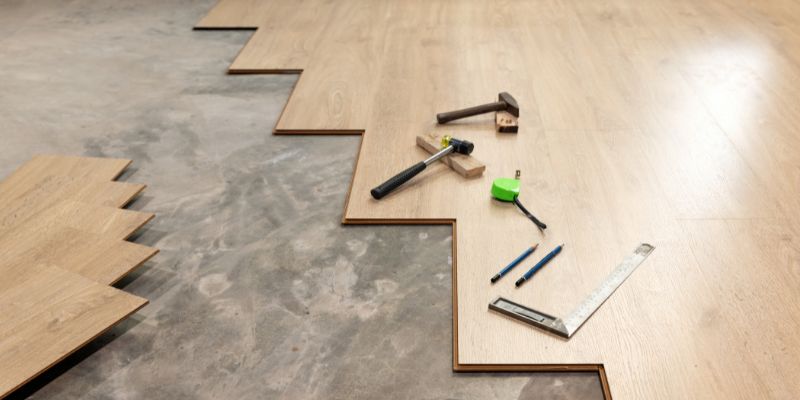
Alright, let’s get to work. The first step is measuring the width of the doorway or space where your threshold strip will go. I use a measuring tape and measure twice—trust me, it saves headaches later. Mark the measurement on your threshold strip with a pencil. If you’re working with wood, a miter saw will give you a clean, straight cut. For metal or plastic, a hacksaw works just fine.
Here’s something I learned from experience: always cut slightly longer than you think you need. You can always trim a little more, but you can’t add material back! Once you’ve got your strip cut, do a dry fit. Place it in the gap between the hardwood and tile to check the fit. Use a level to make sure it sits evenly. If it’s wobbly or too long, trim it down and check again. This step is crucial for a professional finish, so don’t rush it.
Preparing the Area
Before you install the threshold strip, the area needs to be spotless. I’m talking no dust, no debris, no old adhesive—nothing. I usually sweep and vacuum the gap, then wipe it down with a damp cloth. If there’s old caulk or glue, a utility knife can help scrape it off. For hardwood, fill any gaps or holes with wood filler and let it dry. For tile, check that the grout lines are smooth and level.
I once skipped this step in a rush and ended up with a threshold that wouldn’t stick properly because of some leftover adhesive. Take the extra 10 minutes to prep—it’s worth it. Also, make sure the subfloor is dry. Moisture can ruin your adhesive or cause wood to warp over time.
Installing the Threshold Strip
Now for the main event! There are two main ways to secure a threshold strip: adhesive or mechanical fasteners (screws or nails). I’ll walk you through both, as the method depends on your strip and preference.
Adhesive Installation
If you’re using a glue-down strip, apply a thin, even layer of construction adhesive to the underside. I like to use a zigzag pattern to ensure good coverage. Carefully place the strip in the gap, aligning it with the edges of both the hardwood and tile. Press it down firmly and hold it for a minute or two to let the adhesive grab. If the strip shifts, you’ve got a small window to adjust it before it sets.
Here’s a tip from my own mishaps: place some heavy objects, like books or a toolbox, on the strip to keep it in place while the adhesive dries. Check the manufacturer’s instructions for drying time—usually 2-4 hours. Avoid walking on it during this time, or you’ll risk shifting it out of place.
Mechanical Fastening
If your threshold strip has pre-drilled holes or you’re using screws/nails, this method is a bit more involved but super secure. Position the strip in the gap and mark where the screws or nails will go. If you’re drilling into a concrete subfloor, you’ll need a masonry bit and anchors. For wood subfloors, a standard drill bit works fine.
Drill pilot holes slightly smaller than your screws or nails to prevent splitting. Then, secure the strip with screws or finishing nails, making sure they’re flush with the surface to avoid tripping hazards. I once used nails that were too long, and they poked through the top—yep, I had to start over. Countersink the fasteners and fill the holes with wood filler for a seamless look.
Finishing Touches
Once your threshold strip is in place, it’s time to make it look flawless. Check for any small gaps between the strip and the flooring. For wood strips, I use wood filler to fill gaps, smoothing it with a putty knife. For tile, a color-matched caulk or grout works wonders. Apply a thin bead along the edges where the strip meets the floors to seal out moisture and give it a polished look.
If you’re using a wood threshold, now’s the time to sand it lightly and apply stain or paint to match your hardwood. I usually do a test patch on a scrap piece to get the color just right. After the stain dries, add a coat of polyurethane for extra durability, especially in high-traffic areas like doorways.
Maintaining Your Threshold Strip
Your threshold strip is installed, and it looks amazing—nice work! But to keep it looking great, a little maintenance goes a long way. I sweep or vacuum the area regularly to prevent dirt from building up in the seams. For wood strips, a quick wipe with a damp cloth and mild cleaner keeps them shiny. Avoid harsh chemicals, as they can damage the finish.
Every year or so, check the strip for signs of wear, like loose adhesive or scratches. If you notice any issues, reapply caulk or touch up the finish. Metal strips are super durable but can dent if you drop something heavy on them, so be careful when moving furniture.
Common Mistakes to Avoid
I’ve made my fair share of mistakes installing threshold strips, so let me save you some trouble. First, don’t skip the dry fit. It’s tempting to jump straight to gluing or nailing, but checking the fit saves time and frustration. Second, don’t use too much adhesive—it can ooze out and make a mess. A thin layer is all you need.
Another big one: don’t glue a threshold strip to a floating hardwood floor. Hardwood needs room to expand and contract with humidity, and gluing it down can cause buckling. Instead, let the strip float on the hardwood side and secure it to the tile or subfloor. Lastly, double-check your measurements. A strip that’s too short leaves ugly gaps, and one that’s too long won’t sit flush.
Creative Ideas for a Stylish Transition
Once you’ve got the basics down, you can get creative with your threshold strip to make it a design feature. In my dining room, I used a dark walnut strip to contrast with light oak hardwood and white subway tile—it’s subtle but adds a lot of character. If you’re feeling bold, try a patterned tile insert instead of a traditional strip for a unique look. Diagonal cuts or curved transitions can also add movement and soften the line between rooms.
For a modern vibe, I love sleek metal strips in chrome or brushed nickel. They’re durable and work well in contemporary spaces. If you’re going for a rustic feel, a stone saddle, like marble or granite, adds texture and warmth. Just make sure whatever you choose complements both floors and ties the room together.
When to Call a Professional
I’m all about DIY, but sometimes it’s worth calling in a pro. If your floors have a significant height difference (more than ¾ inch), or if you’re dealing with an uneven subfloor, a professional tiler or flooring installer can ensure a perfect fit. They’ve got the tools and experience to handle tricky situations, like cutting custom strips or leveling floors.
I called a pro for a project where my tile was installed over underfloor heating, which made the height difference tricky to navigate. The installer used a custom-milled wood reducer, and it looked flawless. If you’re unsure about your skills or the complexity of the job, a professional can save you time and stress.
Conclusion
Installing a threshold strip between hardwood and tile is one of those projects that feels so satisfying when it’s done. It’s not just about covering a gap—it’s about creating a seamless, safe, and beautiful transition that makes your home feel polished and complete. I remember the first time I finished this project in my home. I stood back, admired the smooth line between my living room and kitchen, and felt like I’d just unlocked a new level of DIY confidence. By choosing the right strip, measuring carefully, and taking your time with the installation, you can achieve a professional-looking result that you’ll be proud of for years.
Whether you’re bridging a small height difference or adding a stylish accent to your floors, this guide has everything you need to get it right. So grab your tools, pick a threshold strip that matches your style, and get ready to transform your space. You’ve got this! If you have any questions or run into challenges, don’t hesitate to revisit this guide or reach out to a local flooring expert. Happy renovating!
Frequently Asked Questions
What is a threshold strip, and why do I need one?
A threshold strip is a piece of material, like wood or metal, that covers the gap between two different types of flooring, such as hardwood and tile. You need one to create a smooth transition, prevent tripping, protect floor edges, and keep moisture out.
Can I install a threshold strip myself, or should I hire a professional?
You can definitely install a threshold strip yourself if you’re comfortable with basic tools and measuring. It’s a beginner-friendly project. But if you have a big height difference or an uneven subfloor, a professional might be worth it for a perfect finish.
How do I choose the right material for my threshold strip?
Choose a material based on your floors and style. Wood blends well with hardwood and can be stained to match. Metal is durable and great for high-traffic areas. Plastic is budget-friendly but less stylish. Consider foot traffic and aesthetics when deciding.
What if my hardwood and tile floors aren’t the same height?
If your floors have a height difference, use a reducer strip or half-saddle. These are designed to ramp up or down between uneven floors. Measure the height difference to pick the right strip.
How long does it take to install a threshold strip?
Installing a threshold strip usually takes 30 minutes to an hour, depending on your experience and the complexity of the job. Prepping the area and cutting the strip to size take the most time.
Can I use glue on both the hardwood and tile sides?
Don’t glue the strip to a floating hardwood floor—it needs room to expand and contract. Secure it to the tile or subfloor with adhesive or screws, and let it float on the hardwood side.
How do I maintain my threshold strip?
Sweep or vacuum regularly to keep dirt out of the seams. For wood strips, wipe with a damp cloth and mild cleaner. Check yearly for wear, and reapply caulk or touch up the finish as needed.