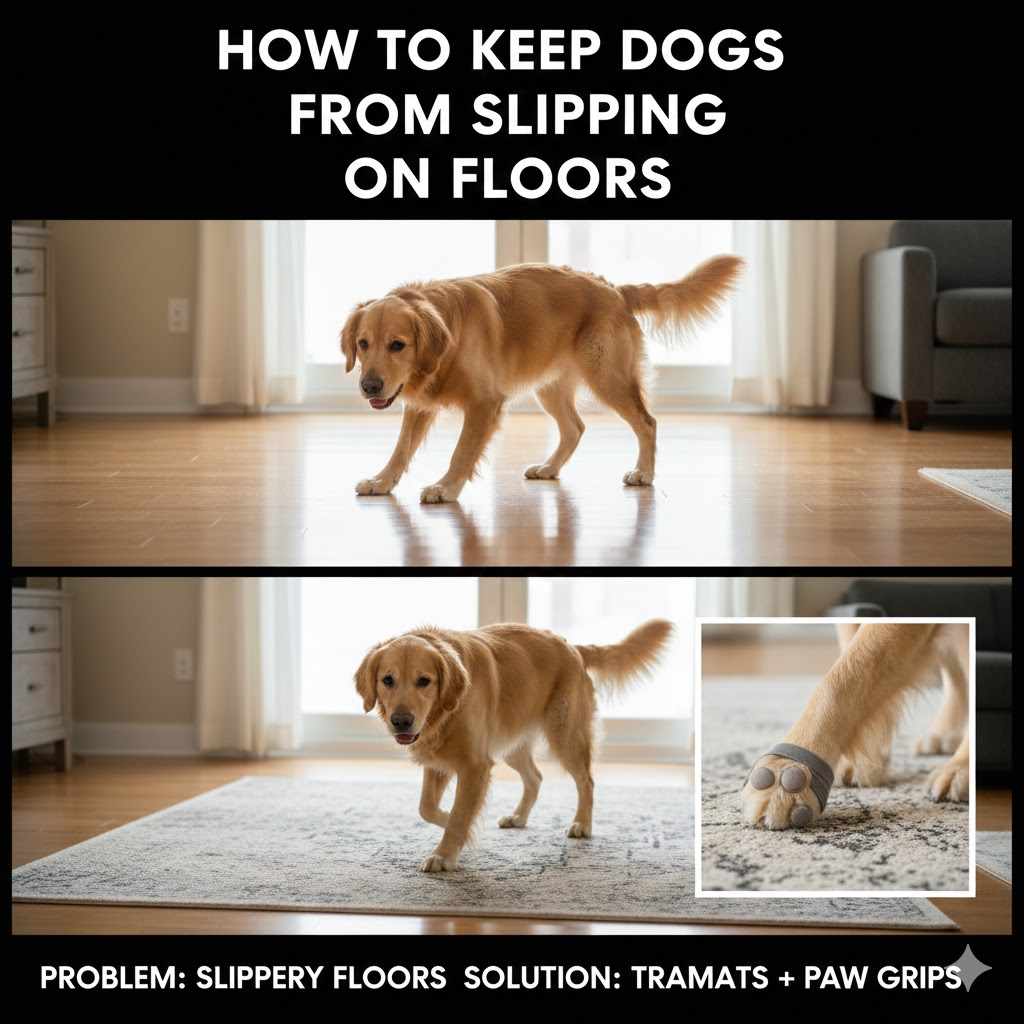
How to Keep Dogs from Slipping on Floors
It’s a common worry for many dog owners. You love your furry friend, but seeing them struggle or slide on shiny hardwood floors can be tough. This can happen with puppies who are still learning to get around, or older dogs who might have a bit of arthritis.
Don’t worry, figuring out How to Keep Dogs from Slipping on Hardwood Floors doesn’t have to be complicated. We’ll walk you through some simple ideas that can make a big difference for your dog’s safety and comfort. Let’s get your dog moving with more confidence.
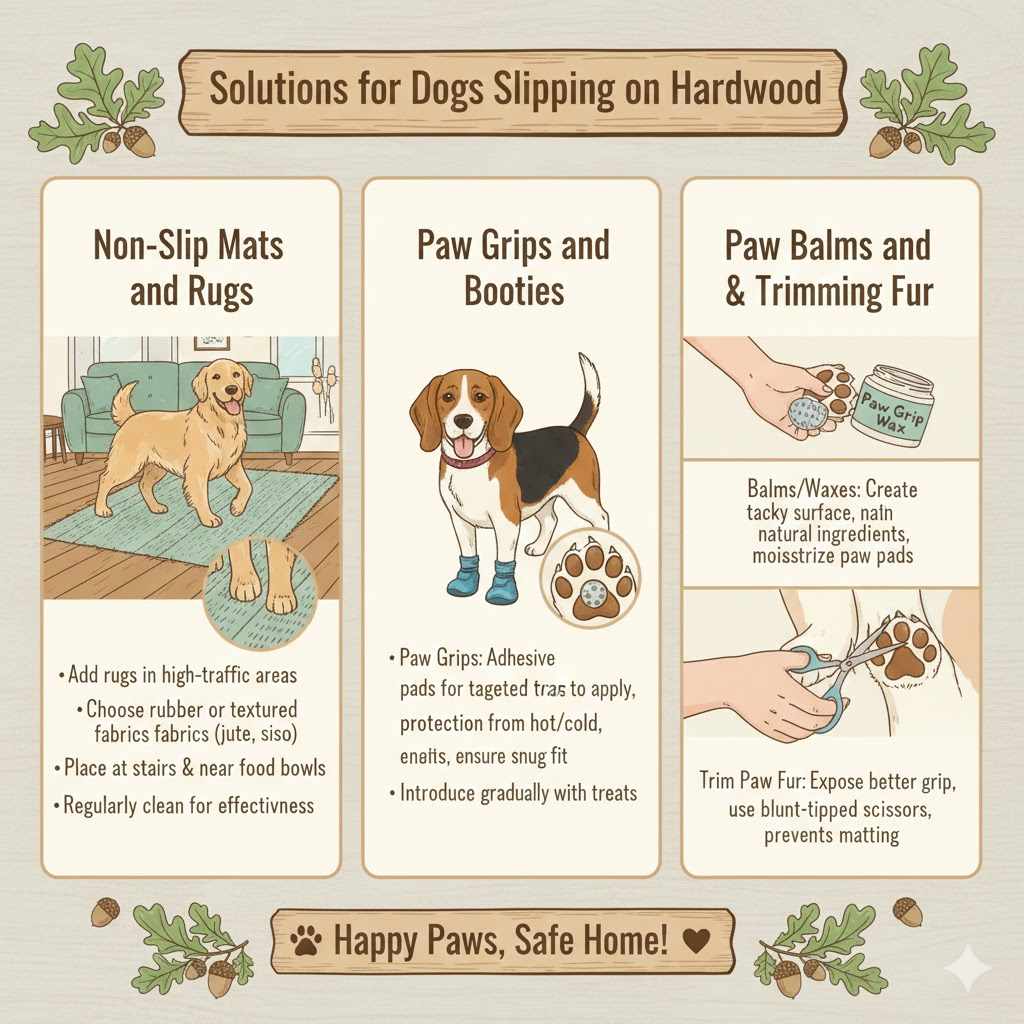
Solutions for Dogs Slipping on Hardwood
Many dog owners face the challenge of their pets slipping on smooth, hard floor surfaces. This is especially true for hardwood, tile, or laminate floors that lack traction. The main reason dogs slip is that their paws are not designed to grip these slick surfaces effectively.
This can lead to falls, potential injuries, and a general lack of confidence for the dog. This section explores practical ways to address this common issue, ensuring your dog can move around your home with ease and safety. We will cover various methods, from simple additions to the dog’s environment to specific products designed for better grip.
Non-Slip Mats and Rugs
Adding rugs and mats is one of the easiest and most popular ways to help dogs with slipping. These provide immediate traction for your dog’s paws. They act like little pathways of grip throughout your home.
You can place them in high-traffic areas where your dog walks most often, such as in hallways, doorways, and near furniture. This gives your dog a safe place to walk and transition between different floor types.
- Choosing the right type of mat is important. Look for mats made from materials that offer good grip, like rubber or textured fabrics. Avoid slippery mats that could cause more problems. Natural fibers like jute or sisal can also provide good grip.
- Consider the size and placement of your rugs. Larger rugs can cover more area, offering more consistent traction. Smaller mats can be placed strategically at the top and bottom of stairs, or in front of food and water bowls. This is where dogs might feel less secure.
- The thickness of the rug can also matter. Thicker rugs might be more comfortable for your dog to walk on. However, very thick rugs could also be a tripping hazard for some dogs, especially if they have mobility issues. Find a balance that works for your dog.
- Maintenance is key for effective non-slip solutions. Regularly clean your rugs and mats to remove dirt and debris. Accumulated grime can make them less effective and even create new slipping hazards. Vacuuming them often is a good idea.
- The aesthetic appeal of rugs should also be considered. While functionality is the priority, there are many stylish options available that can complement your home decor. You don’t have to sacrifice style for safety.
Paw Grips and Booties
For a more direct approach, consider paw grips or dog booties. Paw grips are often small adhesive pads that stick to the bottom of your dog’s paws. They offer targeted traction exactly where your dog needs it most.
Booties, on the other hand, are like little shoes for your dog. They cover the entire paw and can provide excellent grip, especially on very slick surfaces.
Paw grips are a great option for dogs who are reluctant to wear full booties. They are easy to apply and come in various sizes to fit different paws. The adhesive is usually designed to be safe for your dog’s skin and is water-resistant.
However, they may need to be replaced more often than booties, especially if your dog walks outdoors. The duration they last depends on how active your dog is and the type of surface they are walking on.
Dog booties offer more comprehensive protection. They can also help protect your dog’s paws from hot pavement or cold snow when you go outside. When choosing booties, ensure they fit snugly but not too tight.
A proper fit prevents chafing and discomfort for your dog. Many dog booties have adjustable straps to ensure a secure fit. Some also have reflective elements for added visibility during evening walks.
Introducing booties or paw grips to your dog might take some patience. Start by letting your dog wear them for short periods indoors. Offer treats and praise to create a positive association.
Gradually increase the wear time as your dog becomes more comfortable. Some dogs take to them immediately, while others need a bit more time to adjust.
Paw Balms and Waxes
Certain paw balms and waxes can also help improve a dog’s grip on slippery floors. These products are designed to create a slightly tackier surface on your dog’s paw pads. This can give them just enough extra friction to prevent slipping.
They are a good option for owners who prefer a more natural solution and for dogs who are sensitive to wearing accessories.
When applying paw balm, ensure your dog’s paws are clean and dry. Rub a small amount into each paw pad until it’s absorbed. The balm will create a protective layer that also adds grip.
It’s important to use products specifically made for dogs, as human products may contain ingredients that are harmful if licked. Many natural paw balms contain ingredients like beeswax, shea butter, and coconut oil, which are safe and beneficial for paw health.
These balms can also help keep your dog’s paw pads moisturized and protected. Dry, cracked paw pads can be more prone to injury and may offer less natural grip. Regular application can keep paws healthy and supple.
This contributes to overall comfort and better traction. It’s a dual-purpose solution for paw care and slip prevention.
Remember that paw balms offer a subtle increase in grip. They are most effective for minor slipping issues or as a supplementary aid along with other methods. For dogs with significant mobility problems or severe slipping, you might need to combine this with other solutions.
Always test a new product on a small area of your dog’s paw first to check for any allergic reactions.
Trimming Paw Fur
The fur between a dog’s paw pads can sometimes grow long enough to interfere with their grip. This longer fur can act like little slippers, reducing the direct contact between the paw pad and the floor. Trimming this fur can help expose more of the paw pad, allowing for better traction.
It’s a simple grooming task that can make a surprising difference.
When trimming paw fur, use blunt-tipped scissors or a pet grooming clipper with a comb attachment. This is to avoid accidentally cutting the dog’s skin, which is very sensitive. Carefully trim away the excess fur that protrudes beyond the paw pad.
Be gentle and go slowly, especially if your dog is not used to having their paws handled extensively.
Regular grooming of the paw fur is recommended, especially for breeds prone to fast hair growth between their pads. This not only helps with traction but also prevents matting, which can be painful for the dog. Keeping this area clean and trimmed can also help prevent infections by allowing for better airflow and visibility.
Inspect your dog’s paws regularly for any cuts, scrapes, or foreign objects.
This method is particularly effective for dogs with naturally grippy paw pads. By removing the obstructing fur, you are maximizing the natural surface area that can make contact with the floor. It’s a low-cost, easy-to-implement solution that many owners overlook.
It’s a good first step before trying more involved methods.
Creating a Safer Home Environment
Beyond specific products for your dog, modifying your home environment can significantly improve safety. This involves making strategic changes to reduce the overall slipperiness of your floors. It’s about creating a home where your dog feels secure and can move freely without fear of falling.
These adjustments can make a big impact on a dog’s mobility and quality of life.
Strategic Rug and Runner Placement
When it comes to How to Keep Dogs from Slipping on Hardwood Floors, the smart placement of rugs and runners is essential. Think about the paths your dog takes throughout the day. They likely have favorite routes from their bed to their food bowl, to the door, and to where you spend most of your time.
Placing non-slip rugs or runners along these paths creates a safe highway for your dog.
Consider placing runners in long hallways where dogs tend to gain speed. A runner can break up a long stretch of slippery floor. Also, put a rug near the entrance of your home.
This is where dogs often enter and exit, and it can be a common spot for slips. A rug here can also help to dry off wet paws, reducing the chance of tracking water onto other slick surfaces.
For dogs who struggle with stairs, place a runner or a series of mats on the steps themselves. This provides much-needed grip on inclines and declines. Ensure the rugs are secured with non-slip backing or double-sided tape to prevent them from bunching up or sliding.
Bunched-up rugs can be a tripping hazard themselves.
You can also place rugs around furniture your dog frequently jumps on or off of, like sofas or dog beds. This gives them a stable surface for mounting and dismounting, reducing strain on their joints. The goal is to create a network of traction points throughout your home.
Carpeted Stairs and Ramps
Stairs can be a major obstacle for dogs prone to slipping. Traditional hardwood or laminate stairs can be extremely dangerous. If your stairs are a concern, consider covering them with carpet.
This can be done with carpet tiles, stair treads, or a full carpet runner. Carpet provides excellent grip and a softer landing if a dog does stumble.
Another excellent option, especially for older dogs or those with significant mobility issues, is to use ramps. Ramps can
The incline of the ramp is important. A gentler slope is easier for dogs to navigate. Ensure the ramp is sturdy and well-supported.
Your dog should feel confident walking up and down it without wobbling. Some ramps are adjustable, allowing you to tailor the incline to your dog’s specific needs and the height of the furniture or elevated area.
The transition from the floor to the ramp, and from the ramp to the furniture, should be smooth. Avoid abrupt changes in height. If using ramps for furniture, choose one that is the right height for the piece of furniture.
This will make it more inviting for your dog to use.
Non-Slip Treatments for Floors
For homeowners who want a more permanent solution, there are non-slip treatments available for hardwood floors. These are typically sealants or coatings applied directly to the floor surface. They create a microscopic texture that increases friction without significantly altering the appearance of the floor.
These treatments are usually applied by professionals, but some DIY options are available. They are designed to be durable and long-lasting. However, it’s crucial to choose a product specifically made for hardwood floors and to follow the application instructions carefully.
Improper application can damage the floor or not provide the desired effect.
The effectiveness of these treatments can vary. Some provide a subtle increase in grip, while others offer more significant traction. It’s a good idea to research different brands and read reviews to find a product that meets your needs.
Consider getting a sample to test on an inconspicuous area first.
It’s also important to note that while these treatments can help, they may not eliminate all slipping hazards, especially for dogs with severe mobility issues. They are best used as part of a broader strategy for slip prevention. Regular cleaning of the treated floors is still necessary to maintain their effectiveness.
Addressing Specific Needs and Conditions
Dogs are individuals, and their slipping issues can stem from various factors. Understanding these specific needs can help you choose the most effective solutions. This section looks at how to adapt your approach based on your dog’s age, breed, health, and general well-being.
Addressing these unique factors ensures you provide the best possible support for your canine companion.
Puppies and Young Dogs
Puppies are often full of energy and still developing their coordination. Young dogs might not have the muscle strength or balance of adult dogs, leading to slips. This is a normal part of their growth and learning process.
The key here is to provide a safe environment where they can build confidence as they explore.
For puppies, focus on creating clear, safe paths using rugs and mats. This helps them learn where to walk without constantly encountering slippery surfaces. Avoid overwhelming them with too many new things at once.
Gradual exposure to different textures and surfaces is beneficial.
Booties might be too much for a very young puppy, but paw grips could be an option for brief periods during training sessions. The main goal for puppies is to encourage confident movement. Positive reinforcement when they navigate safe areas well is crucial.
This builds good habits from the start.
It’s also worth noting that some puppies may have underlying physical issues that affect their coordination. If you have concerns about your puppy’s balance or gait, consult with your veterinarian. Early detection of any health concerns is always best.
Senior Dogs and Arthritis
Older dogs often experience joint pain and stiffness due to conditions like arthritis. This can make it significantly harder for them to get traction on slippery floors. Their muscles may also be weaker, further contributing to instability.
For these dogs, comfort and safety are paramount.
Non-slip mats and rugs are incredibly important for senior dogs. They provide essential grip and reduce the effort required to walk. Consider thicker, more cushioned rugs that also offer support for sore joints.
Ramps are also highly recommended to help them access favorite spots without having to jump or climb.
Paw balms can help keep their pads healthy, which might offer a slight improvement in grip. Long fur between the paw pads should definitely be trimmed to maximize any natural traction. Regular, gentle exercise as recommended by your vet can help maintain muscle strength.
This can aid in stability.
Consult your veterinarian about pain management options for arthritis. Addressing the underlying discomfort can significantly improve your dog’s mobility and willingness to move around. A comfortable dog is a more confident dog.
Dogs with Mobility Issues or Injuries
Dogs recovering from injuries or those with chronic mobility problems require extra care. Their ability to balance and move is already compromised. Slippery floors can exacerbate these issues and lead to further injury.
For these dogs, a comprehensive approach is best. Combine non-slip mats and rugs in all key areas. Ramps should be used for any elevated surfaces.
If your dog has specific leg weakness, consider orthopedic dog beds that offer extra support and are easier to get on and off.
Paw grips or booties might be necessary for dogs who need maximum traction during their recovery or for daily movement. Ensure any bandaging or support your dog wears does not interfere with their ability to grip the floor.
Physical therapy, as recommended by your veterinarian, can be a vital part of their recovery and management plan. This helps rebuild strength and improve coordination, which in turn improves their ability to navigate safely.
Breeds Prone to Slipping
Some dog breeds are naturally more prone to slipping on hard floors. Breeds with short legs, like Dachshunds and Corgis, may have trouble gaining traction. Similarly, breeds with very smooth paw pads or those that are bred for speed and agility might find slick surfaces challenging.
For these breeds, consistent use of non-slip solutions is key. Think about creating dedicated safe zones within your home. This ensures they always have reliable grip when they need it.
Regular grooming, including trimming paw fur, is also beneficial.
Consider the natural gait and build of your breed. Some dogs might benefit more from specific types of rugs, like those with a lower pile that’s easier to walk on. Others might need more cushioning for their joints.
Understanding your dog’s breed predispositions can help you proactively implement solutions. It’s about tailoring your approach to suit their specific physical characteristics and needs.
Common Mistakes to Avoid
While trying to help your dog, it’s easy to make small mistakes that can reduce the effectiveness of your efforts or even create new problems. Being aware of these common pitfalls can help you implement the best strategies for How to Keep Dogs from Slipping on Hardwood Floors. Avoiding these issues ensures your dog’s safety and comfort.
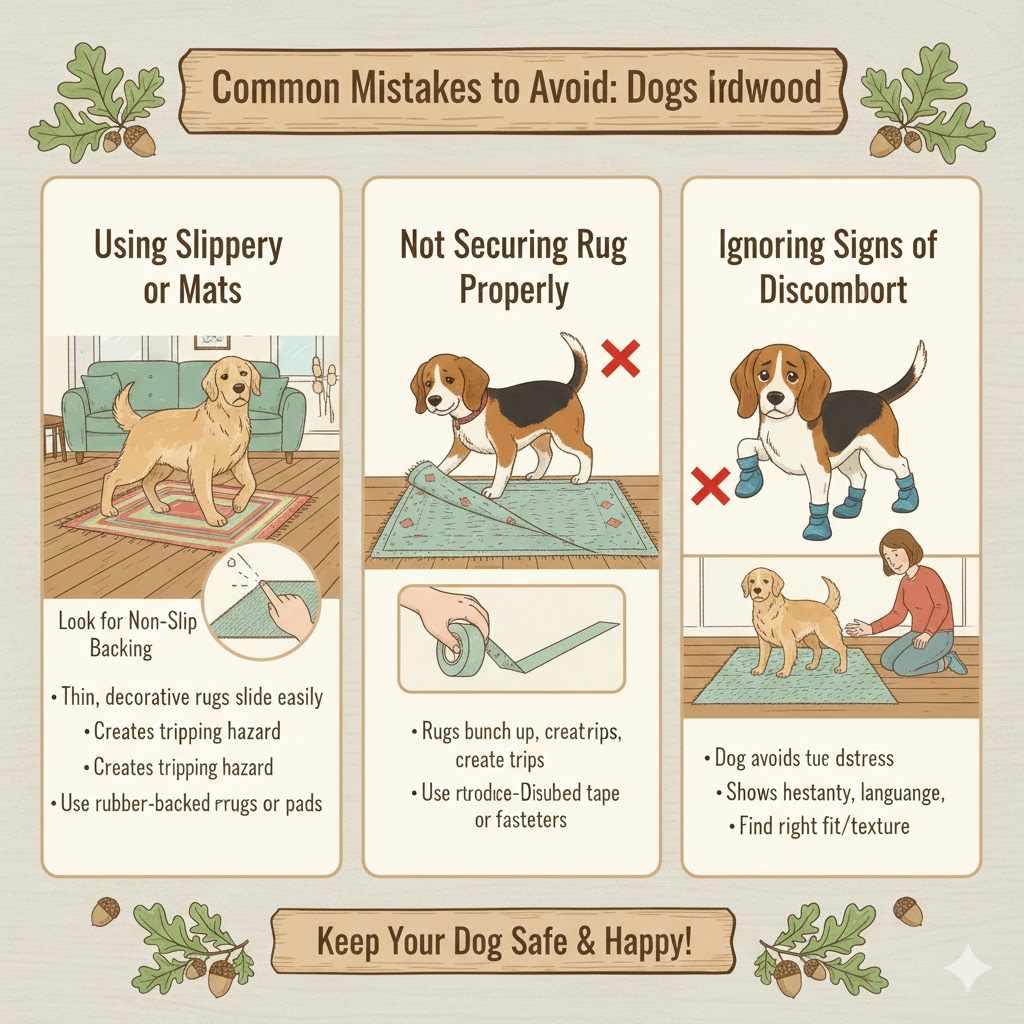
Using Slippery Rugs or Mats
One of the biggest mistakes is using rugs or mats that are not truly non-slip. Many decorative rugs have smooth backing that can slide easily on hard floors. If a rug slides, it becomes a tripping hazard for both your dog and yourself.
This defeats the purpose of adding traction.
Always look for rugs with a rubber backing or a textured grip. If you have a rug you love but it’s slippery, you can add a separate non-slip rug pad underneath it. These pads are designed to grip the floor and the rug.
Check the backing periodically, as it can wear out over time.
Consider the material of the rug itself. Some synthetic fibers can be very slick. Natural fibers like cotton or wool, especially with a good backing, tend to offer better grip.
Always test the rug’s stability by trying to slide it with your foot before letting your dog use it.
Not Securing Rugs Properly
Even with non-slip backing, larger rugs can sometimes bunch up or move, especially in high-traffic areas. This can create uneven surfaces and tripping hazards. It’s important to ensure all rugs and mats are securely in place.
For runners and larger area rugs, consider using double-sided carpet tape specifically designed for floors. This tape adheres to both the floor and the rug, keeping it firmly in place. Apply it along the edges and in strategic spots across the rug.
Stair treads are often designed to attach securely to each step, but some might require additional adhesive or fasteners. Make sure any products you use are safe for your flooring type and will not leave residue.
Ignoring Signs of Discomfort
Your dog will show you if something isn’t working. If your dog avoids walking on a rug, seems hesitant, or shows signs of distress when wearing booties, it’s important to pay attention. Forcing your dog to use a solution that causes them discomfort will only increase their anxiety.
If your dog dislikes booties, explore paw grips or paw balms. If a rug seems to bother them, try a different texture or thickness. Sometimes it’s just a matter of finding the right fit or type of product.
Observe your dog’s body language. Are they tense? Are they trying to avoid certain areas?
These are all signals that something needs to be adjusted. The goal is to make them feel more secure, not more stressed.
If your dog has been diagnosed with a medical condition, ensure your chosen solutions are compatible with their specific needs and any veterinary advice you have received.
Inconsistent Application of Solutions
The most effective slip prevention strategies require consistency. If you only put down rugs occasionally or only use paw grips for special occasions, your dog may not build the confidence they need. Consistency helps your dog learn that certain areas are safe.
Try to establish a routine with your chosen solutions. For example, always apply paw balm at bedtime. Make sure rugs are always in place in the main walking paths.
This predictability helps your dog feel more secure.
This also applies to regular maintenance. Clean your rugs and reapply any balms or grips as needed. Over time, these solutions can wear down or become less effective if not maintained.
Think of it like building a habit for your dog. The more consistently they encounter safe, grippy surfaces, the more naturally they will move around your home.
FAQ
Question: How often should I reapply paw balm or wax?
Answer: The frequency depends on the product and your dog’s activity level. For daily use, you might need to reapply once or twice a day. If your dog walks outdoors frequently or on rough surfaces, it may wear off faster.
Question: Can my dog walk outside with paw grips on?
Answer: Some paw grips are designed for outdoor use and can offer good traction on various surfaces. However, they can wear down more quickly outdoors. Always check the product’s specifications and consider removing them if they become dirty or damaged.
Question: My dog is scared of vacuums. How can I trim their paw fur?
Answer: Start by getting your dog comfortable with you touching their paws. Offer treats and praise. Use quiet grooming tools and trim only small amounts of fur at a time.
If your dog remains very fearful, consider consulting a professional groomer.
Question: Are there any long-term health risks associated with dogs slipping on floors?
Answer: Yes, repeated slipping can lead to muscle strains, sprains, and even more serious injuries like torn ligaments or fractured bones. It can also cause chronic joint pain and a reduction in mobility over time. In some cases, it can affect a dog’s confidence.
Question: How do I know if my dog needs booties instead of just rugs?
Answer: If your dog is still slipping significantly even with rugs, or if they need protection from extreme temperatures or rough surfaces, booties are a good option. Also, consider booties if your dog has paw injuries or specific medical conditions that require extra protection.
Summary
Figuring out How to Keep Dogs from Slipping on Hardwood Floors involves simple, practical steps. Using non-slip mats, rugs, paw grips, and balms offers immediate traction. Modifying your home with carpeted stairs or ramps creates safer pathways.
Addressing your dog’s specific needs, whether a puppy, senior, or recovering from injury, ensures tailored support. Avoid common mistakes like using slippery rugs or not securing them properly. Consistent application of these solutions will boost your dog’s confidence and safety around your home.