How to Prevent Wood Floors from Creaking: 8 Proven Fixes
Creaking wood floors are usually caused by loose floorboards rubbing against the subfloor or nails, or by seasonal humidity swings that make wood expand and contract. Left alone, the friction that causes the noise can loosen boards further and wear down the finish over time. This guide covers 8 proven fixes, from tightening boards and adding lubricant to controlling indoor humidity and knowing when to call a professional.
Causes Of Creaking Floors
Our Pick: Best Floor-Creak Fixes
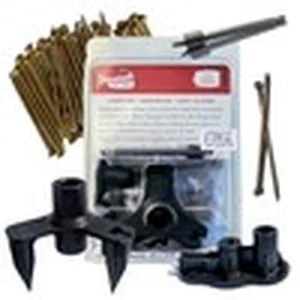 |
SQUEEEK NO MORE Floor Repair Kit – $20.19 A joist finder and counter-snap screws for the exact fix this guide’s Fixing Loose Floorboards section describes. Check on Amazon |
More Floor-Creak Fixes This Guide Recommends
 Graphite Powder Dry Lubricant – $6.99 The dry lubricant this guide’s Lubricating Floorboards section recommends over liquid oils. Check on Amazon |
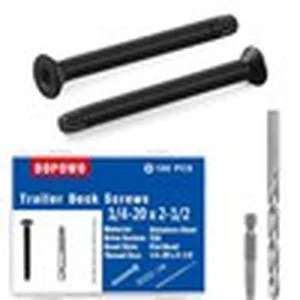 Countersunk Floorboard Screws – $21.99 The flat-head wood screws this guide says to drill a pilot hole for and countersink flush. Check on Amazon |
 TempPro Digital Hygrometer – $10.99 Tracks the humidity swings this guide’s Addressing Humidity Levels section says cause wood to expand and contract. Check on Amazon |
Loose floorboards, humidity, or poor installation can cause creaking floors. Regular maintenance can help prevent these issues. Secure any loose boards, control humidity, and ensure proper installation.
Humidity And Temperature
Wood floors can creak due to changes in humidity and temperature. In summer, wood expands. In winter, wood contracts. This movement creates gaps and makes floors noisy. Keeping indoor humidity stable can help. Use a humidifier in winter. Use a dehumidifier in summer. This will reduce creaking sounds.
Structural Issues
Floors may creak because of structural issues. Loose floorboards can cause noise. Nails or screws can become loose over time. Floor joists might also be out of place. Regular inspections can spot these problems early. Tightening loose parts can help. Using construction adhesive can also reduce noise. Proper installation is key to avoiding future issues.
Regular Maintenance
Regular maintenance helps keep wood floors from creaking. Tighten loose boards and apply talcum powder to reduce friction.
Cleaning Tips
Keep wood floors clean to avoid creaking. Dust and dirt can cause noise. Sweep daily to remove debris. Use a soft broom or vacuum with a hardwood setting. Avoid using water, as it can damage wood. Instead, use a damp mop with a wood-safe cleaner. Dry the floor quickly after mopping.
Routine Inspections
Check for loose boards or nails. Tighten any loose nails with a hammer. Replace damaged boards quickly. Look for gaps between boards. Fill gaps with wood filler. Inspect the floor monthly to catch issues early. Regular checks keep floors in good condition.
Proper Installation Techniques
Ensure the subfloor is clean and level. Remove any debris or dirt. Check for moisture and let it dry. Use a level to spot uneven areas. Sand or fill gaps as needed. This step helps avoid future creaks.
Use the correct nails for your flooring. Nail at a slight angle for better hold. Gluing can add extra stability. Use high-quality adhesive. Apply it evenly under each plank. This helps keep the floor tight and quiet.
Addressing Humidity Levels
Wood floors can creak due to high humidity. Using a dehumidifier can help. These devices reduce moisture in the air. This keeps wood stable. Reduced moisture means less expansion and contraction. Floors creak less. Place dehumidifiers in rooms with wood floors. This is especially useful in summer.
Temperature changes cause wood to expand and contract. Keep your home at a steady temperature. Avoid big temperature swings. Use a thermostat to control heat. Consistent temperature helps maintain wood shape. Floors stay quiet. This simple step makes a big difference.
Lubricating Floorboards
Use a powdered graphite or a dry lubricant. These are best for wood floors. Avoid using liquid oils. They can make the wood slippery. You can find these lubricants in hardware stores. Ensure you have a clean floor before you start. This helps the lubricant work better.
First, find the creaky spot. Sprinkle the lubricant on the seam. Use a soft cloth to spread it. Gently push it into the cracks. This ensures it reaches deep. Walk over the area to test it. Repeat if the creak is still there. Make sure to clean up any excess powder. This keeps your floor safe and neat.
Fixing Loose Floorboards
Use a hammer and nails to fix loose floorboards. Drive nails into the joists for a tight fit. Check the nails are not too long. Long nails can cause more issues. Countersink the nails slightly. This keeps the floor smooth. Fill the hole with wood putty. This will hide the nail.
Wood screws are a great option. They hold tight. Use a drill to make a pilot hole first. This prevents wood splitting. Screw down into the joist. Use screws with a flat head. This keeps the floor level. Fill the holes with wood putty. It keeps the floor looking nice.
Utilizing Area Rugs
Area rugs can help reduce creaking on wood floors. They absorb pressure, which minimizes noise from foot traffic. Strategically place them in high-traffic areas to protect your floors.
Rug Placement
Place rugs in high-traffic areas. This reduces wear on wood floors. High-traffic spots include hallways and living rooms. Rugs help by absorbing foot pressure. They also add warmth and style to the room.
Rug Pads And Underlays
Use pads under rugs. Pads prevent rugs from sliding. They also add a layer of cushioning. This protects the floor from scratches. Underlays can add extra support. They reduce creaks by absorbing pressure.
Professional Help
Creaking wood floors can be annoying. If the noise gets worse, it might be time to call an expert. Professionals can find hidden problems and fix them right.
Experts use special tools to check the floor. They may need to lift boards to see the problem. This might include fixing loose nails or adding extra support. They ensure the floor is safe and sound.
An expert visit usually starts with an inspection. They check the floor and identify problem areas. The expert will explain the issues they find. They will give you options for fixing the creaks.
Repairing a floor can take a few hours. It depends on how big the problem is. After the fix, your floor should be quiet and stable again.
Frequently Asked Questions
Why Do Wood Floors Creak?
Wood floors creak due to loose floorboards, temperature changes, and humidity. These factors cause the wood to expand and contract, leading to noise.
How Can I Fix Creaky Wood Floors?
Fix creaky wood floors by securing loose boards, adding screws, or using a lubricant. Regular maintenance helps prevent future creaks.
Are Creaky Wood Floors A Structural Problem?
Creaky wood floors are usually not a structural problem. They are often due to minor issues like loose boards or seasonal changes.
What Materials Help Reduce Floor Creaking?
Materials like wood screws, nails, and floor lubricants help reduce floor creaking. Using rugs can also dampen noise.
Conclusion
Preventing wood floors from creaking is easier than you think. Regular maintenance helps. Tighten loose boards with nails or screws. Use talcum powder for small gaps. Rugs can cushion high-traffic areas. Keep humidity levels stable to avoid wood expansion. Proper care extends the life of your floors.
Enjoy quiet, creak-free steps every day. Simple actions make a big difference. Follow these tips to maintain your beautiful wood floors.
Sponsored / affiliate links. As an Amazon Associate I earn from qualifying purchases. I may earn additional commission from eligible campaigns.