How to Keep Recliner From Sliding On Wood
Does your comfy recliner seem to have a mind of its own, scooting around on your nice wood floors? It’s a common problem that can make relaxing a bit tricky. Beginners often find this issue surprising, but don’t worry, there’s a simple fix.
We’ll walk you through easy steps to solve how to keep a recliner from sliding on wood floor so you can enjoy your furniture without the worry. Get ready for some simple solutions.
Preventing Your Recliner From Sliding On Wood Floors
This section covers the main reasons why recliners tend to slide on wood floors and introduces the basic solutions. We’ll talk about the forces at play and why wood floors are particularly susceptible to this sliding. Understanding the cause helps us find the best way to stop it.
This part sets the stage for the practical methods we’ll discuss next. It’s all about making your furniture stay put.
Understanding Why Recliners Slide
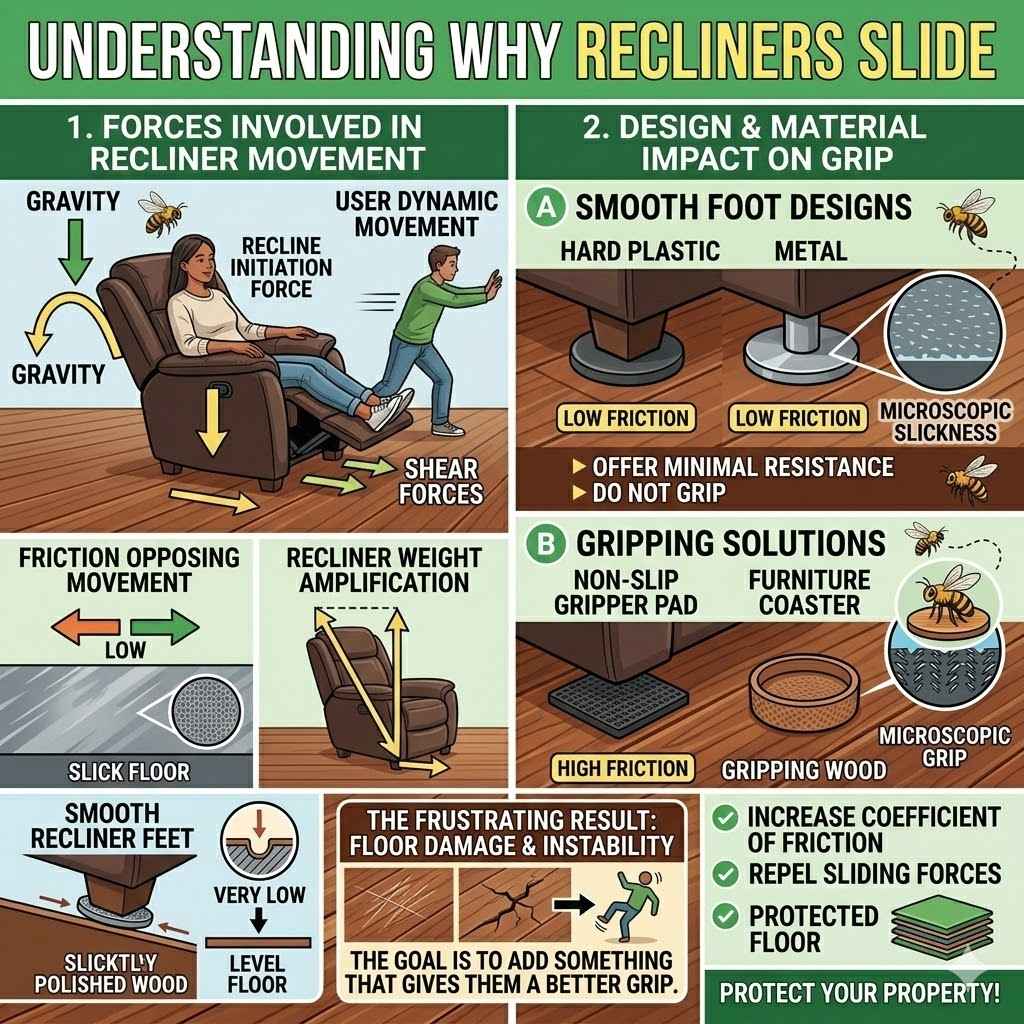
Recliners often slide on wood floors due to a lack of friction between the furniture’s base and the smooth floor surface. When you recline, lean, or even just move around in the chair, the pressure and force can cause it to shift. Wood floors, with their polished finishes, offer very little grip.
This creates a slippery situation, especially for heavier chairs or when used frequently.
The design of most recliner feet, often made of hard plastic or metal, doesn’t help. These materials are smooth and are not meant to grip. When you combine this with the weight of the recliner and the person sitting in it, even small movements can lead to noticeable sliding.
This can be frustrating as it can damage your floors or make you feel unstable.
Think about it like trying to stand on a polished floor with socks on. It’s easy to slip and slide. Your recliner feet are kind of like those socks, and the wood floor is the slippery surface.
The goal is to add something that gives them a better grip.
Forces Involved in Recliner Movement
Several forces contribute to a recliner’s tendency to slide. The primary force is gravity, which keeps the recliner on the floor. However, when you operate the recliner mechanism, you introduce dynamic forces.
Leaning back or pushing forward creates shear forces that try to move the chair horizontally across the floor. These forces are amplified by the recliner’s weight and the user’s movements.
Friction is the opposing force that tries to prevent movement. On smooth surfaces like wood, this friction is very low. The smooth contact points on the recliner feet offer minimal resistance.
Imagine trying to push a heavy box across an icy surface; it moves easily because there’s little friction to stop it. The same principle applies here.
The angle of the floor also plays a minor role. If your floor has even a slight slope, gravity will try to pull the recliner downhill, and low friction makes it easier for the chair to follow that slope. This can be especially noticeable in older homes or areas where settling has occurred.
Common Solutions for a Sliding Recliner
Fortunately, there are many effective ways to keep your recliner from sliding. These solutions range from simple DIY additions to commercially available products. The key is to increase the friction between the recliner’s feet and the wood floor.
This might involve adding grippy materials or using specialized furniture pads.
Some of the most popular methods involve using rubber or felt pads. These materials are designed to provide better traction. Others might use specialized furniture stoppers or even small rugs placed strategically.
We will explore each of these options in detail.
The best solution for you might depend on your budget, how often the recliner moves, and how much you want to change the appearance of the chair’s feet. We aim to cover a wide variety of options to suit different needs and preferences.
Using Furniture Grippers and Pads
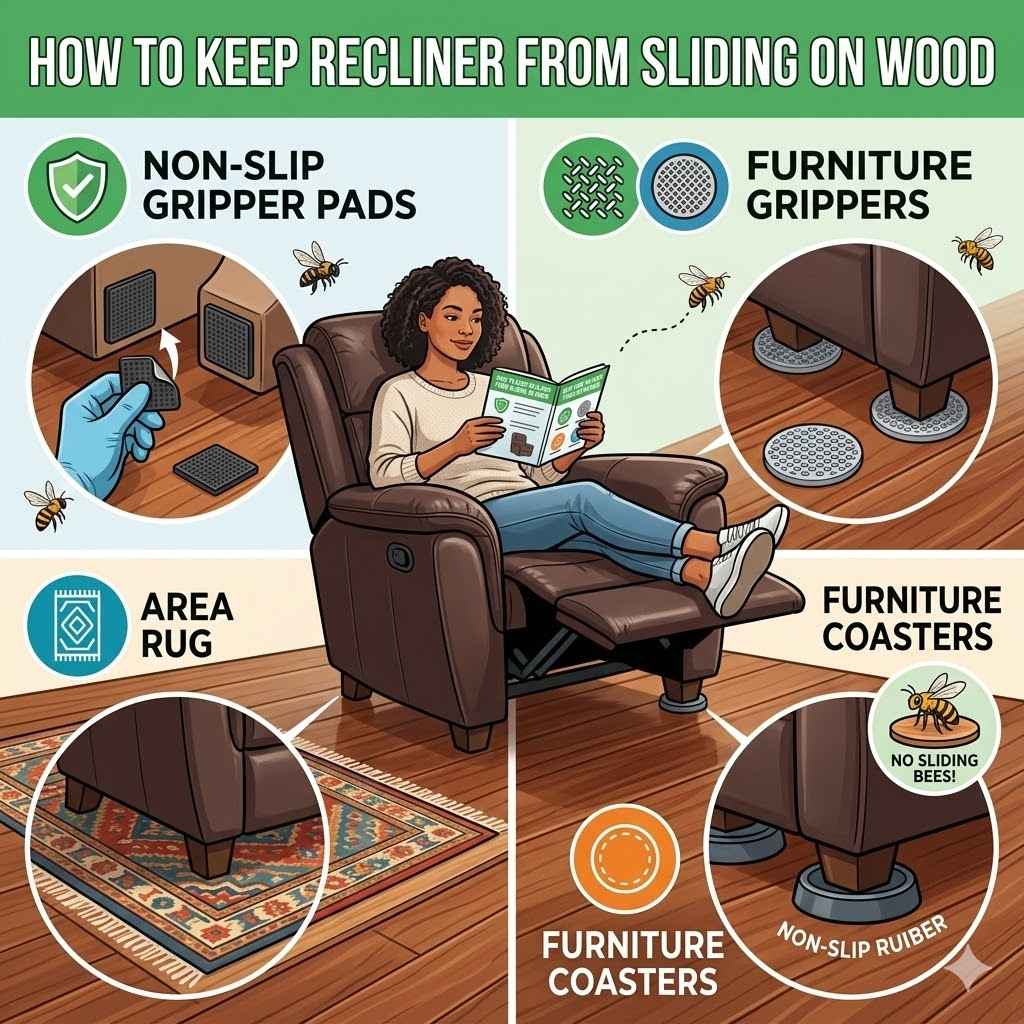
Furniture grippers and pads are one of the most straightforward solutions. These come in various shapes and materials, with rubber and felt being the most common for wood floors. Rubber grippers offer excellent traction, effectively “sticking” to the floor.
Felt pads, while also reducing friction for easier movement when you want to move furniture, can provide enough grip when used in certain ways or when combined with other methods, especially thicker felt.
You can find these pads in self-adhesive forms that you simply stick to the bottom of your recliner’s legs or feet. They are usually available in round or square shapes to fit different furniture designs. For recliners with wide feet or a sled-style base, larger pads or multiple smaller pads might be necessary.
The thickness of the pad also plays a role; thicker pads can offer better shock absorption and slightly more grip.
When selecting pads, consider the finish of your wood floors. While most are safe, it’s always a good idea to test a small, inconspicuous area first to ensure they don’t leave any marks or damage the finish. The goal is to add grip without harming your beautiful floors.
Rubber Furniture Grippers: These are made from high-density rubber and are excellent for providing maximum grip. They are often molded into shapes that fit specific furniture legs, but universal options are also available. When you stick these onto the bottom of your recliner feet, they create a strong bond with the floor, significantly reducing any tendency to slide. They are particularly effective for recliners that tend to move a lot or are used frequently. Many users find that even a slight lean back can be countered by the grip of these rubber pads.
Felt Furniture Pads: While primarily used for protecting floors from scratches when sliding furniture, thicker, high-quality felt pads can offer a surprising amount of grip. They work by creating a soft, slightly textured surface that has more friction than bare plastic or metal feet. For recliners that slide only occasionally, or for users who might want to be able to reposition the recliner occasionally with some effort, felt pads can be a good compromise. They also offer excellent protection against scratches.
Self-Adhesive Pads: These pads come with a strong adhesive backing. You simply peel off the protective layer and press the pad firmly onto the clean bottom of the recliner’s feet. Ensure the surface is dry and free of dust for the best adhesion. These are convenient and easy to install, making them a popular choice for a quick fix. The adhesive quality is key here; a good adhesive means the pads will stay on even with regular use and pressure.
Using Furniture Stops and Boots
Furniture stops and boots offer a more substantial solution than simple pads. Stops are typically made of hard rubber or a similar non-slip material and are designed to fit around or under the legs of furniture. Boots are essentially sleeves that slip over the furniture legs, providing a wide, grippy base.
These products are often more durable and can provide a more permanent solution. They are especially useful for recliners that are frequently repositioned or subjected to heavy use. Some stops are shaped like small cups that the recliner legs sit inside, preventing any sideways movement.
Boots are like socks for your furniture legs. They are usually made of flexible rubber or a heavy-duty fabric with a rubberized bottom. They are easy to install by just pulling them over the legs.
Their advantage is that they cover the entire bottom of the leg, providing a consistent grip across a larger surface area.
Rubber Furniture Stops: These are usually small, cupped devices designed to hold the furniture leg in place. You can position them under the legs of your recliner. Some are designed to be anchored to the floor, but for wood floors, it’s usually best to use ones that simply sit under the legs. They act like miniature chocks, preventing the legs from sliding. Their sturdy construction means they can handle significant weight and pressure.
Furniture Leg Boots: These are fabric or rubber sleeves that slip over the legs of the recliner. The bottom of the boot is usually made of a high-traction material, such as thick rubber or a specially textured fabric. They protect both the floor and the furniture leg. They are very effective because they cover a significant portion of the leg’s base, distributing weight and increasing the contact area for grip.
Specialty Anti-Skid Furniture Feet: Some manufacturers make replacement feet for furniture that are specifically designed to prevent sliding. These might have integrated rubber or silicone bases. If your recliner’s feet are detachable, swapping them out for these specialized feet can be a highly effective and clean-looking solution. They are built for longevity and superior grip.
DIY Solutions for a Stable Recliner
For those who enjoy a hands-on approach or need a quick fix, DIY solutions can be very effective. These often involve materials you might already have around the house. The goal remains the same: increase the friction between the recliner and the floor.
One popular DIY method is using slices of old rubber mats or even thick, sturdy cardboard. Cut these materials to fit the shape of your recliner’s feet and secure them with strong adhesive. While not the most aesthetically pleasing, they can work wonders for stability.
Another idea involves using a piece of old rug or carpet. Cut sections to place under each foot of the recliner. This adds a layer of friction that can significantly reduce sliding.
Ensure the carpet material has a backing that won’t slip itself. A rug pad underneath the carpet pieces can help.
Cut-to-Fit Rubber Mats: You can often buy thin rubber mats at hardware or craft stores. Cut these into pieces that match the size and shape of your recliner’s feet. Use a strong adhesive, like construction adhesive or heavy-duty double-sided tape, to attach them securely. This method provides excellent grip because rubber is inherently non-slip. Make sure to clean the feet of the recliner and the floor area before applying the adhesive for a strong bond.
Carpet Scraps or Old Rugs: If you have old carpet remnants or a rug that’s seen better days, you can cut out small squares or circles. Place these under each foot of the recliner. The rough texture of the carpet fibers creates more friction than smooth furniture feet. For added stability and to prevent the carpet pieces from shifting, you might consider using a small amount of double-sided carpet tape to secure them to the recliner feet or the floor.
Non-Slip Shelf Liner: This material is designed to prevent items from sliding around in drawers or on shelves. It’s typically made of vinyl or rubber and has a textured surface. Cut pieces of non-slip shelf liner to fit under the recliner feet. It’s easy to work with, inexpensive, and provides a good amount of grip. The textured surface creates friction that stops the recliner from easily shifting.
Advanced Methods and Considerations
Beyond simple pads and stops, there are other methods and factors to consider for long-term recliner stability. These might involve more significant modifications or a deeper understanding of furniture stability.
Sometimes, the issue isn’t just the floor but also the recliner’s construction. If the feet are wobbly or uneven, it can contribute to sliding. Ensuring the recliner is on a level surface can also make a difference.
We will explore how to assess your recliner for underlying issues and discuss specialized products that offer enhanced stability. This section is for those looking for the most robust and long-lasting solutions.
Assessing Your Recliner’s Stability
Before applying any solutions, it’s wise to check the recliner itself. Gently rock the chair to see if any of its legs are uneven or wobbly. If a leg is loose, tightening it can improve stability.
Some recliners have adjustable feet that can be twisted to level the chair, even if the floor isn’t perfectly flat.
If the recliner’s feet are worn down or uneven, this can also lead to instability. In such cases, replacing the feet might be necessary. Look for feet that are designed for stability and grip, especially if you have wood floors.
Also, consider the weight distribution. If the recliner is placed on a slight incline, it will naturally want to slide. While solutions can help, leveling the recliner as much as possible will increase their effectiveness.
You can use shims under the feet for minor adjustments.
A stable recliner is a safe recliner. Ensuring the chair itself is sound before adding anti-sliding measures will give you the best results and a more comfortable experience.
Check for Loose Legs or Casters: Give each leg of the recliner a gentle shake. If any feel loose, try to tighten them with a screwdriver or wrench. For recliners with casters (wheels), ensure they are locked if possible or consider replacing them with non-rolling options designed for stability. A wobbly leg means uneven pressure, which makes sliding more likely.
Inspect Recliner Feet for Wear and Tear: Over time, the feet of furniture can wear down, especially if they are made of plastic or have thin protective caps. If the feet are uneven, cracked, or worn smooth, they will offer less grip. Inspect them carefully. If they are significantly damaged, consider replacing them with new ones that have better grip.
Evaluate Floor Levelness: Use a spirit level to check if the floor where the recliner sits is relatively level. Even a slight slope can cause a heavy piece of furniture to gradually slide over time, especially if the floor finish is slick. If there’s a noticeable slope, you might need to use shims to create a more even base for the recliner feet.
Specialized Products for Maximum Grip
The market offers specialized products designed specifically to prevent furniture from sliding. These often combine multiple materials or innovative designs to maximize traction. For example, some products are made from a very dense, high-grip rubber compound that offers superior adhesion to smooth surfaces like wood.
One category of specialized products includes “furniture anchors” or “anti-tip kits,” though these are often more for safety against tipping than preventing sliding. However, some versions incorporate grippy bases that do help with stability. Another type is “non-slip furniture pads” that are thicker and made of a more resilient material than standard felt or thin rubber.
These advanced solutions are often more expensive but can provide a more permanent and effective answer to the sliding problem. They are designed for durability and to withstand the constant pressure and movement of a recliner. Look for products that specifically mention suitability for wood floors and heavy furniture.
High-Traction Rubber Mats: These are not your average rubber mats. They are made from advanced rubber compounds engineered for maximum grip. They might have a textured surface with a pattern designed to increase friction. These mats can be cut to size and placed under the entire base of the recliner, or cut into pieces for individual feet. They offer a very robust solution against sliding.
Anti-Skid Furniture Discs: These are typically circular discs made of a dense, non-slip material, often a specialized rubber or silicone. They are designed to be placed under each leg of the furniture. Their advantage is that they provide a large, stable surface area for contact with the floor. Some are designed to be adhered to the furniture leg, while others simply sit underneath.
Adjustable Furniture Levelers with Grippy Bases: If your recliner has legs that can accept adjustable levelers (the screw-in type), you can find levelers that come with a large, flat, rubberized base. These are excellent because they not only allow you to level the chair perfectly but also provide a wide, non-slip surface to rest on the floor. This tackles both stability and sliding issues at once.
Choosing the Right Solution for You
Selecting the best way to keep your recliner from sliding on wood floor depends on a few factors. Consider how much the recliner slides, how often it’s used, and your budget. Aesthetics also play a role; some solutions are more visible than others.
For a simple, quick fix, self-adhesive rubber pads are often the easiest. If you want something more durable, furniture boots or specialized stops might be better. DIY options are great for budget-conscious individuals or for temporary fixes.
Think about the long-term. Do you want a solution that lasts for years, or are you looking for something to tide you over? The amount of effort you want to put in also matters.
Some methods require more installation than others.
Factors to Consider
When choosing, think about these key points: The surface of your wood floor, the weight of your recliner, how often you move or use the recliner, and your personal preference for appearance. A highly polished, slick floor will require more aggressive grip than a matte finish. A very heavy recliner needs a solution that can handle significant pressure.
If the recliner is used by multiple people or frequently reclined, you’ll need a solution that’s very durable. If it’s in a guest room and rarely moved, a simpler solution might suffice. Also, consider if you ever need to move the recliner easily.
Some grippy solutions make it harder to reposition, which might be a drawback for some.
Your budget is another important consideration. While some solutions are very affordable, others can be more of an investment. Weigh the cost against the expected lifespan and effectiveness of the product.
The goal is to find a balance that meets your needs and budget.
Budget: Determine how much you are willing to spend. Simple pads can cost just a few dollars, while specialized systems might be more.
Ease of Installation: Consider how easy the solution is to apply. Some products are peel-and-stick, while others might require minor assembly or positioning.
Durability and Longevity: Think about how long you expect the solution to last. High-quality materials will generally offer better long-term performance.
Aesthetics: Decide if the appearance of the solution matters to you. Some pads are nearly invisible, while others might be more noticeable.
Floor Type and Finish: Ensure the solution is safe for your specific wood floor finish. Always test in an inconspicuous area if unsure.
Installation and Maintenance Tips
Proper installation is key to ensuring any solution works effectively and lasts. For adhesive products, make sure both the furniture leg and the pad surface are clean and dry before applying. Press firmly and hold for the recommended time to ensure a strong bond.
For friction-based solutions like rubber mats or rug pieces, ensure they are positioned correctly and don’t create a tripping hazard. If using DIY methods with adhesives, use a product that is suitable for both the material of the recliner foot and the floor. Construction adhesive or heavy-duty double-sided tape usually works well.
Maintenance is generally minimal for most of these solutions. Regularly check adhesive pads to ensure they haven’t started to peel. If they do, reapply with fresh adhesive.
For rubber stops or boots, a quick wipe-down with a damp cloth is usually all that’s needed. If you notice your recliner starting to slide again, it might be time to replace or reapply your chosen solution.
Clean Surfaces Thoroughly: Before applying any adhesive pads or products, ensure that the bottom of the recliner legs and the floor area are completely clean and dry. Dust, dirt, or moisture can prevent a strong bond and cause the product to fail prematurely.
Follow Adhesive Instructions Carefully: If using products with adhesive backing, follow the manufacturer’s instructions regarding application pressure and curing time. Some adhesives require a specific amount of pressure and time to reach their maximum strength.
Periodically Inspect for Wear: Even the best solutions can wear out over time. Make it a habit to periodically check your chosen method for any signs of wear, tear, or loosening. This is especially important for adhesive pads, which can sometimes lift at the edges.
Replace When Necessary: If a solution is no longer providing adequate grip, or if it shows significant signs of damage, it’s time to replace it. Continuing to use a worn-out solution can lead to the recliner sliding again and potentially causing damage to your floors.
How to Keep a Recliner from Sliding on Wood Floor Solutions
This section consolidates the practical approaches for addressing how to keep a recliner from sliding on wood floor. We will provide a step-by-step guide for implementing some of the most common and effective methods. The aim is to give you clear instructions so you can tackle the problem with confidence.
This is where you’ll find the actionable advice to secure your recliner.
Step-by-Step Guide for Applying Adhesive Pads
Applying self-adhesive pads is one of the simplest and most effective ways to stop a recliner from sliding. Follow these steps for a successful application that will keep your recliner stable.
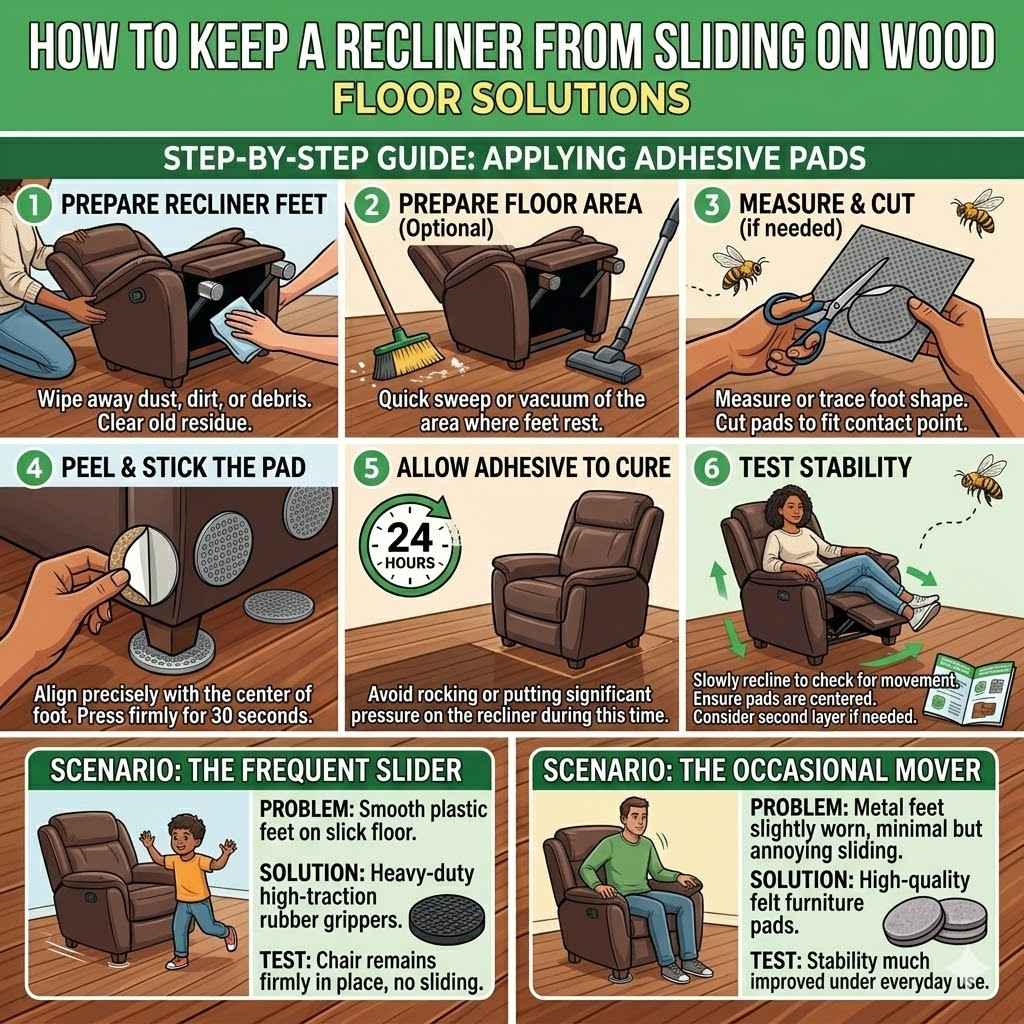
Prepare the Recliner Feet: Turn the recliner carefully on its side or back to get easy access to the bottom of its legs or feet. Use a dry cloth to wipe away any dust, dirt, or debris. If there are any old adhesive residues, gently scrape them off or use a cleaner appropriate for the material of the feet.
Prepare the Floor Area (Optional but Recommended): While not strictly necessary for adhesive pads, ensuring the floor is clean where the feet will rest can help prevent the pads from picking up grit that might transfer. A quick sweep or vacuum of the area will suffice.
Measure and Cut (if needed): If you are using a larger sheet of material or need to cut the pads to a specific shape, do so now. Ensure the pieces will completely cover the bottom contact point of each recliner foot.
Peel and Stick the Pad: Carefully peel the protective backing off one pad. Align it precisely with the center of the recliner foot. Press down firmly and hold for at least 30 seconds to ensure good adhesion. Repeat for all recliner feet.
Allow Adhesive to Cure: For best results, allow the adhesive to cure for at least 24 hours before using the recliner. This allows the adhesive to reach its maximum bonding strength. Avoid rocking or putting significant pressure on the recliner during this time.
Test Stability: After the curing period, gently sit in the recliner and test its stability. Recline slowly to see if it moves. If it still slides slightly, you may need to ensure the pads are centered correctly or consider a second layer of pads if the design of the recliner feet allows.
Scenario: The Frequent Slider
Imagine you have a recliner that slides significantly every time someone sits down or reclines. This often happens in homes with very active children or if the recliner is used as a primary seating option for extended periods.
Problem Assessment: The current feet are smooth plastic, offering almost no grip on the polished wood floor. Even minor shifts in weight cause the chair to move several inches.
Solution Chosen: Heavy-duty, high-traction rubber furniture grippers are selected. These are thicker than standard pads and designed for maximum grip.
Installation: The recliner is tilted to access the feet. The old plastic feet are cleaned. The new rubber grippers are adhered to the center of each foot using their strong self-adhesive backing. Firm pressure is applied.
Curing and Testing: The recliner is left undisturbed for 24 hours to allow the adhesive to bond. After this, a person sits in the chair and reclines. The chair remains firmly in place, showing no signs of sliding. The increased friction from the rubber effectively counters the forces trying to move the chair.
Scenario: The Occasional Mover
Consider a situation where the recliner only slides a little bit, perhaps only when someone pushes off the armrests to stand up, or when the chair is nudged accidentally. It’s not a constant problem, but it’s annoying enough to want to fix.
Problem Assessment: The recliner has metal feet that are slightly worn. The wood floor is fairly smooth but not extremely slick. The sliding is minimal but noticeable.
Solution Chosen: Thick, high-quality felt furniture pads are chosen. These offer a good balance of protection and sufficient grip for occasional sliding.
Installation: The recliner feet are cleaned. The felt pads are applied using their self-adhesive backing. They are centered on each metal foot.
Curing and Testing: After a few hours, the recliner is tested. It now feels much more stable when sitting and standing. While it might still be possible to slide it with significant effort, the everyday movements that caused it to scoot previously are no longer an issue. The felt provides enough friction to keep it in place under normal use.
Frequently Asked Questions
Question: How do I know if my recliner is too heavy for certain pads?
Answer: If your recliner is exceptionally heavy, look for pads or stops that are rated for heavier furniture. Products designed for sofas or larger pieces of furniture are often more robust. If a standard pad seems to be compressing too much or the adhesive is failing quickly, it might be too light for your recliner’s weight.
Question: Can these solutions damage my wood floors?
Answer: Most quality furniture pads and stops are designed to be safe for wood floors. However, it’s always a good idea to test a small, inconspicuous area first, especially with adhesives or if you have a delicate floor finish. Avoid solutions that leave sticky residue or scratch the floor.
Question: How often should I replace furniture pads?
Answer: This depends on the type of pad and how much wear they get. Adhesive pads might need replacing every 6 months to a year, or sooner if they start to peel. Felt pads can wear down over time and may need replacing as they lose their grip.
Rubber products tend to last longer.
Question: My recliner has wheels. How do I stop it from sliding?
Answer: If your recliner has wheels, you’ll need to address the wheels directly. You can purchase wheel stoppers designed to fit specific caster sizes, or consider replacing the casters with stationary feet or glides designed for stability.
Question: Can I use glue to attach pads?
Answer: Yes, you can use a strong adhesive like construction adhesive or a heavy-duty craft glue. Ensure the glue is suitable for both the recliner foot material and the pad material. Allow the glue to dry completely before placing the recliner back in position.
Final Thoughts
Keeping your recliner from sliding on wood floors is achievable with simple steps. You can use adhesive pads, furniture boots, or DIY materials to create needed friction. Choose the solution that best fits your needs for grip, durability, and appearance.
Enjoy a stable and secure seating experience.