How to Keep Rugs From Slipping on Hardwood Floor
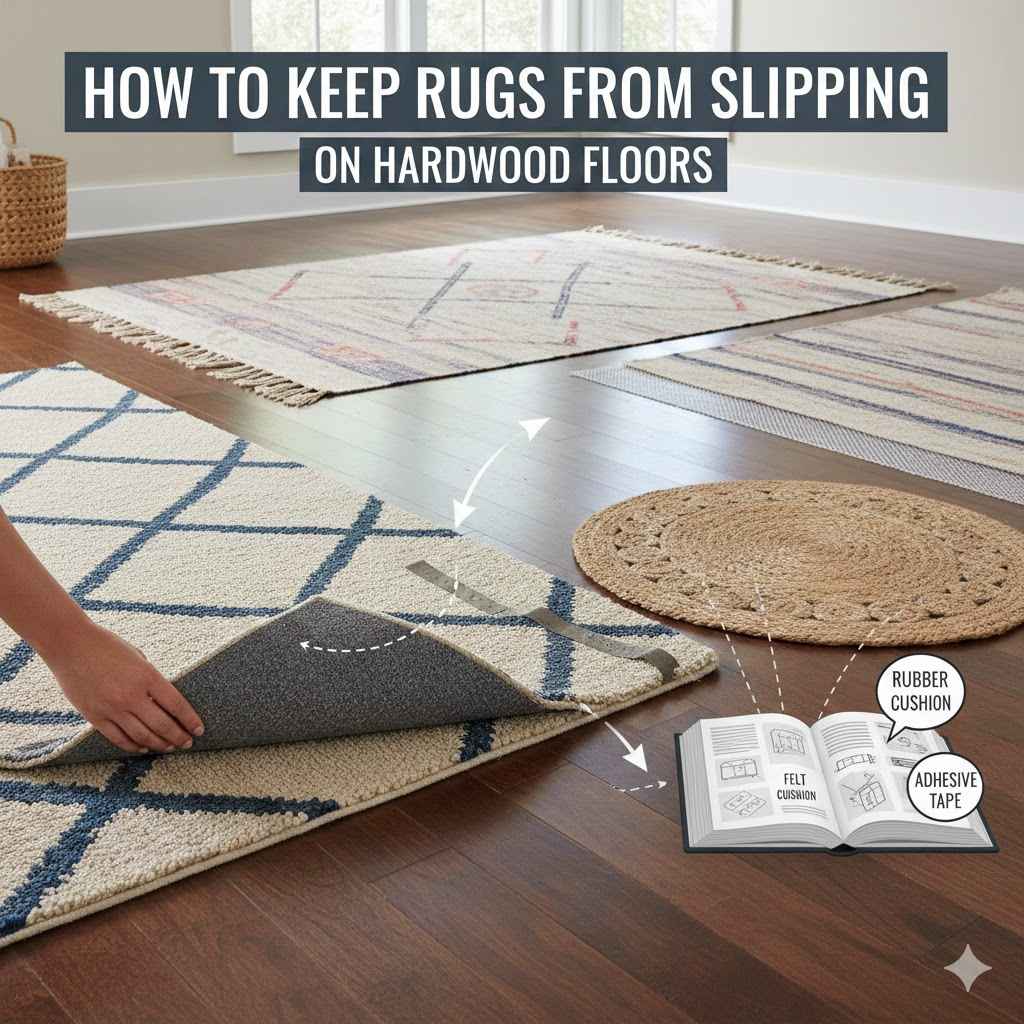
Dealing with rugs sliding around on hardwood floors is a super common problem. It’s frustrating when your rugs bunch up or move every time someone walks on them. Figuring out How to Keep Rugs From Slipping on Hardwood Floors can seem tricky at first, especially if you’re new to home decor or floor care. Don’t worry, though! We’ll walk you through simple steps you can take to stop those rugs from slipping and stay put. Let’s get started.
Understanding Why Rugs Slide
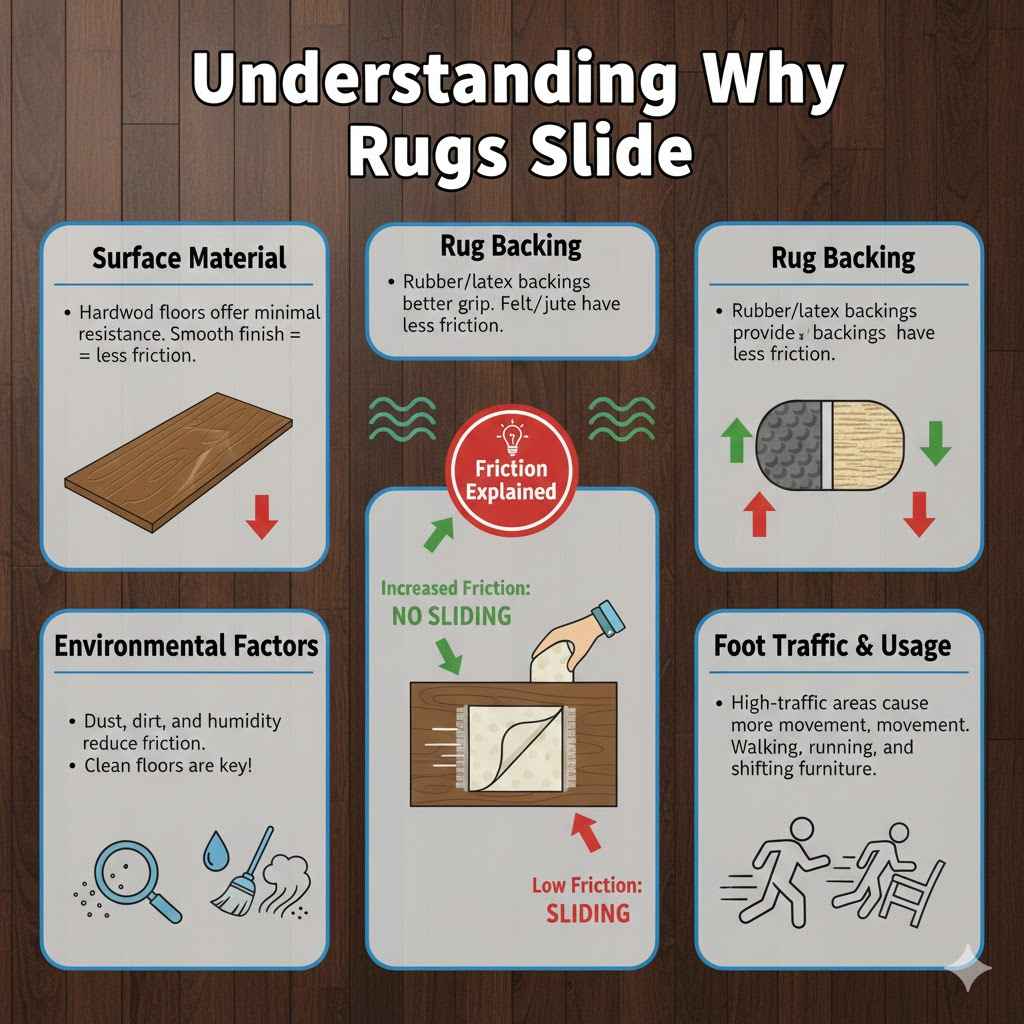
Rugs slide on hardwood floors because of a few simple physics principles. The smooth surface of the hardwood provides very little friction, so when weight and movement are applied, the rug can easily shift. This is especially true if the rug has a smooth backing. The type of rug, the foot traffic, and even the cleanliness of the floor all contribute to how much a rug might slide. Learning about these things is key to finding the right solution. You’ll also find that the specific type of finish on your hardwood floor can influence how much your rug slides. Some finishes are slicker than others, impacting the grip your rug can get.
Friction Explained
Friction is the force that resists motion when two surfaces rub against each other. When a rug is placed on a hardwood floor, the lack of sufficient friction leads to slippage. The smoother the surfaces, the less friction there is. The backing of the rug and the finish on the hardwood play a big role in the amount of friction available. For example, a rug with a rubber backing creates more friction compared to a rug with a felt backing. The presence of dirt or dust also reduces friction, so keeping your floors clean is always a good idea.
Surface Material: Hardwood floors, often with a smooth finish, offer minimal resistance compared to surfaces like carpet. This allows rugs to slide easily.
Hardwood floors, while beautiful, are designed to be smooth. This is great for appearance and ease of cleaning, but bad for grip. Rugs placed on them often lack the friction needed to stay in place, making them prone to slipping and sliding.
Rug Backing: The type of backing material on a rug greatly influences its ability to grip the floor. Some backings, like rubber or latex, provide significantly better friction than others.
A good backing is like the tires of a car – it needs to grip the road. Different backings have different abilities to create friction. Rubber and latex backings tend to be stickier, providing a better grip on smooth floors. Other backings, like felt or jute, may not provide as much friction, causing rugs to move around more easily.
Environmental Factors: Factors like humidity, temperature, and the presence of dust or debris can all impact friction. Cleanliness is a huge factor in preventing slippage.
Even small things, like the humidity in the air or the dust on your floor, can change how much a rug slides. Humidity can sometimes make surfaces a bit slicker, while dust can act like tiny ball bearings, reducing friction. Keeping your floor clean is therefore a top priority.
Foot Traffic and Usage: How frequently the area is used and the nature of the activity there also affect how much the rug slides.
High-traffic areas, like hallways and entryways, will naturally experience more rug movement. The force of walking, running, or even sliding furniture can cause a rug to shift. Understanding how the space is used can help you choose the right rug and solutions to keep it in place.
Effective Solutions for Slipping Rugs
There are many easy ways to stop rugs from slipping. You can use different products, like rug pads or double-sided tape, or you can even change the way you arrange furniture to help hold the rug in place. The best solution for you will depend on the type of rug you have, the amount of foot traffic, and your personal preferences. We’ll look at the best options available and what to think about when choosing one.
Rug Pads: A Detailed Look
Rug pads are the workhorses of rug safety. They provide a barrier between the rug and the floor, increasing friction. There are various types of rug pads, each made from different materials and offering different levels of grip and protection for your floor. Choosing the right rug pad depends on a few considerations: the type of flooring you have, the thickness of your rug, and the amount of cushioning you want. A good rug pad extends the life of your rug by absorbing impact and preventing wear. It also protects your hardwood floors from scratches and abrasion from the rug’s backing. Think of the pad as the hidden hero, working hard to keep your rug in place and your floor safe.
Material Types:
Rubber: Rubber pads offer excellent grip and are a good choice for high-traffic areas. They’re typically quite durable.
Rubber rug pads are known for their strong grip. They are very effective at preventing rugs from sliding, which makes them a great option for busy areas of your home. They can be a bit heavier than other pad types, but the extra weight often means even better grip.
Felt: Felt pads provide cushioning and can help absorb sound. They’re often a more affordable option.
Felt rug pads are designed with comfort in mind. While they offer some grip, their main advantage is that they add a soft layer of cushioning under your rug. This is especially nice if you like a plush feel under your feet.
Combination: These pads combine the grip of rubber with the cushioning of felt. They are a good all-around choice.
Combination rug pads give you the best of both worlds. They typically have a rubber bottom for strong grip and a felt top for cushioning. This design provides both security and a comfortable feel.
Thickness: The thickness of the rug pad affects both grip and cushioning. Thicker pads can provide more comfort but might make it difficult to open doors.
A thicker pad feels more comfortable underfoot, but it can also make your rug higher off the floor. This could cause problems with doors swinging over it. Think about the height of your rug and how it might impact the functionality of the room when deciding on thickness.
Floor Protection: Look for pads that are safe for your specific floor type, as some materials can damage certain finishes over time.
Make sure the pad you choose is made from materials that won’t harm your hardwood floors. Some pads can trap moisture or react with floor finishes, causing damage. Always read the manufacturer’s recommendations to make sure your floors are safe.
Alternative Strategies to Keep Rugs Secure
If you’re not into rug pads, don’t worry! There are other good ways to prevent rug slippage. Double-sided tape is a quick and easy solution, and furniture can do the job as well. These methods can work well for certain types of rugs and in certain situations. They can also be a more budget-friendly approach. The best solution often depends on your specific needs and the environment of the room.
- Double-Sided Tape:Double-sided tape is a temporary but easy fix. It’s also great for smaller rugs or runners. Make sure to use tape that is specially designed for use on floors to prevent damage when you remove it. This kind of tape usually sticks well to both the rug and the floor, keeping the rug in place.
- Furniture Placement:Strategically placing furniture legs on the edges of your rug is a simple, effective method. This anchors the rug in place and reduces the chances of it sliding. This works best for rugs under sofas, coffee tables, or beds.
- Rug Grippers:Rug grippers are small, often triangular or circular pieces that stick to the bottom corners of your rug and the floor. They provide extra grip and are a low-profile way to prevent movement, working much like a more localized version of rug pads.
Choosing the Right Solution
The right way to deal with slipping rugs depends on a number of things. The size and shape of your rug, where it’s located in your home, and how much use it gets all play a role. Budget is also a factor, as the costs of different solutions vary. Thinking through these aspects will help you pick the best way to keep your rugs from sliding and provide the best result.
Assessing Your Needs
Before you purchase anything, take a look at your rug and the area it’s in. Consider the size of the rug, whether it’s in a high-traffic area, and what type of activities usually occur there. Also, think about the type of flooring you have and how much cushioning you want. A rug in an entryway needs something stronger than a rug under a dining table that’s mostly for show. This assessment sets the stage for choosing the most suitable solution.
- Traffic Levels: Entryways and hallways typically experience the most foot traffic, so consider pads or grippers with strong grip.Rooms that are heavily used require more robust solutions. For example, a hallway where people constantly walk will need something that holds the rug firmly in place, such as a strong rubber-backed pad. Conversely, a rug in a low-traffic guest room might need less support.
- Rug Material and Size: Thicker rugs might need a thinner pad, while thinner rugs may benefit from a thicker, more cushioned pad.The material of your rug and its thickness affect your choice. Thicker rugs will need pads that won’t add too much bulk, so you don’t have problems opening doors or walking around. Thinner rugs could gain both grip and comfort from a thicker pad.
- Floor Type: Make sure your chosen solution is compatible with your hardwood floor’s finish to prevent any damage.Certain materials can cause problems with particular floor finishes. Read product labels carefully, especially when using adhesive products, and always choose products specially designed for use on hardwood to prevent harm. Always test on a small, hidden area first if you are unsure.
Comparing the Options
Let’s look at a comparison table to help decide which option is best, including the pros and cons of rug pads, tape, and furniture placement.
| Solution | Pros | Cons | Best For |
|---|---|---|---|
| Rug Pads | Excellent grip, protects floors, adds cushioning. | Can be more expensive, requires precise sizing, can add bulk. | High-traffic areas, all rug types. |
| Double-Sided Tape | Easy to apply, inexpensive, low profile. | May not be suitable for all rugs, can leave residue. | Smaller rugs, runners. |
| Furniture Placement | Cost-effective, no materials needed. | Limited effectiveness, only works if furniture is present. | Areas with existing furniture. |
| Rug Grippers | Easy to install, affordable, discreet. | May not be as effective for large rugs or high-traffic areas. | Smaller rugs, low-traffic areas. |
Let’s consider these real-world scenarios to illustrate how you might choose:
- Scenario 1: You have a large area rug in your living room, where the kids run around a lot. In this case, a high-quality rug pad with a rubber backing is an excellent solution. It will provide the necessary grip to keep the rug from sliding, even during active play.
- Scenario 2: You have a small runner in your hallway. Since this area sees regular use, double-sided tape designed for floors might be the easiest option. It’s inexpensive and keeps the rug from sliding as people walk through.
- Scenario 3: You have a rug under your dining room table. Furniture placement, by the table legs, will likely be enough. The weight of the table and chairs keeps the rug in place.
Maintaining Your Rug’s Grip
Maintaining the grip of your rugs is a continued process. Regular cleaning and care help to keep your floors and rugs in top condition. These habits will improve the effectiveness of the solutions you choose. Proper care keeps your rugs looking great, but it also improves safety by reducing the risk of slipping.
Regular Cleaning and Care
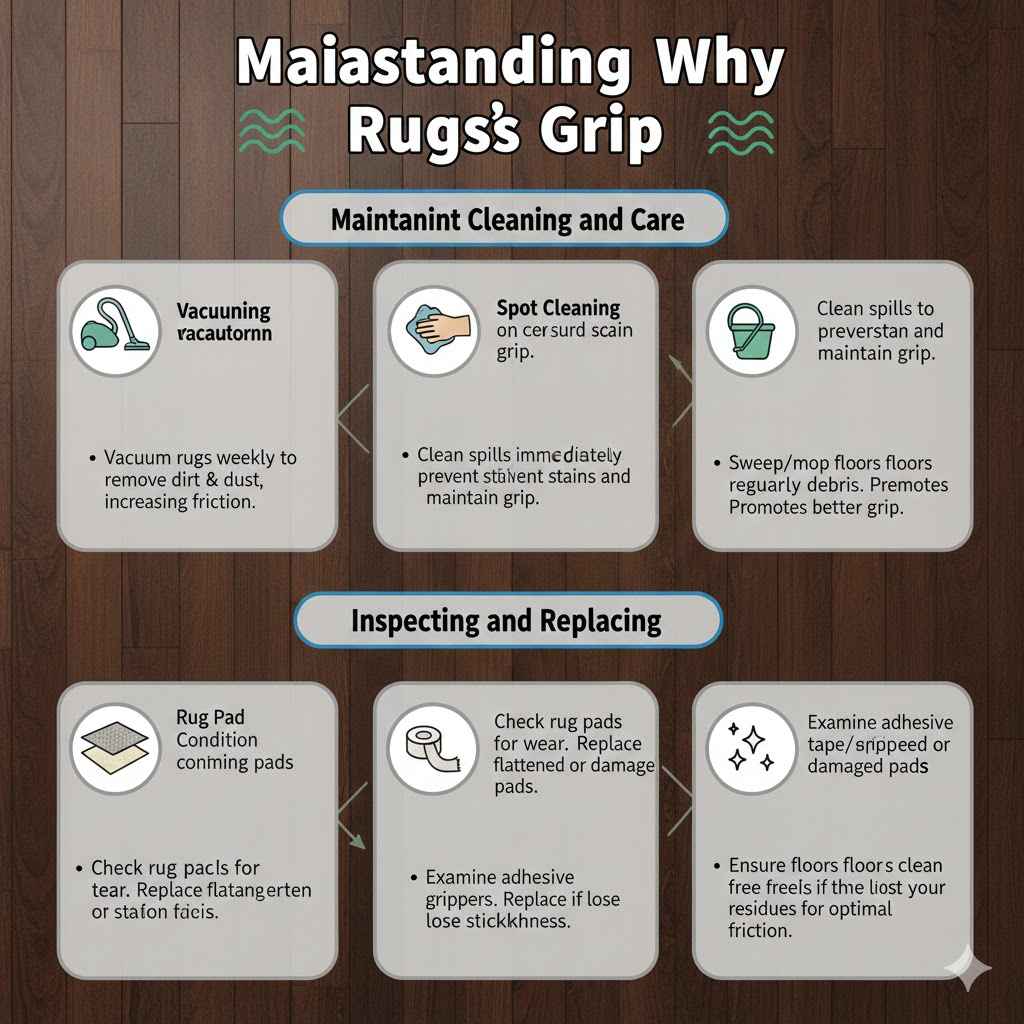
Consistent cleaning will help ensure your rugs and floors stay in the best shape. Vacuuming your rug regularly will remove dust and debris that can reduce friction. Spot-clean any spills right away to avoid stains. Follow the cleaning instructions specific to your rug’s material. The same goes for your hardwood floors – regular sweeping or mopping with the proper cleaner is vital. This basic care keeps both surfaces in good shape and promotes better grip.
- Vacuuming: Vacuum your rugs at least once a week to remove dirt and dust. This increases friction and keeps your floor clean.Vacuuming keeps dust and dirt from building up between your rug and the floor. This debris can reduce friction. Make it part of your weekly cleaning to ensure your rug has the best possible grip.
- Spot Cleaning: Clean up spills as soon as they happen to prevent stains and reduce the chance of the spill spreading.When spills occur, act fast. Blot the spill immediately with a clean cloth, working from the outside of the stain inwards. Then, follow the rug manufacturer’s cleaning guidelines.
- Floor Cleaning: Sweep or mop your hardwood floors regularly to remove dust and debris.Clean hardwood floors will add to the grip. Regular cleaning not only removes the particles that reduce friction but also maintains the beauty of your floors.
Inspecting and Replacing
You should inspect your rug pads and other solutions from time to time to make sure they’re doing their job. Rug pads can flatten or wear out over time, reducing their effectiveness. Regularly check the condition of your rug, the pad, and the floor. If the pad has become worn or damaged, it’s time for a replacement. Replacing worn-out solutions ensures your rugs continue to stay secure and safe.
- Rug Pad Condition: Check your rug pad regularly for signs of wear and tear, and replace it when needed.Over time, the effectiveness of a rug pad can decline. Check for compression, tears, or other damage. Replace the pad if it appears worn out.
- Adhesive Inspection: Examine double-sided tape or grippers to make sure they’re still working well. Replace if they’re not.Adhesive solutions like tape may lose their stickiness over time. Check to see that they still grip both the rug and the floor correctly. Replace them if necessary to maintain a secure bond.
- Floor Surface: Make sure your hardwood floors are clean and free of any substances that can reduce friction.Keep your hardwood floors clean and well-maintained. Any buildup of dirt or residues can reduce friction. Regular cleaning will keep the surface optimal for grip.
Frequently Asked Questions
Question: What’s the best type of rug pad for hardwood floors?
Answer: Rubber or combination rubber and felt pads are the best options because they provide great grip and protect your floor.
Question: Can I use double-sided tape on all types of hardwood floors?
Answer: Always test double-sided tape in a small, hidden area first to ensure it does not damage your floor’s finish.
Question: How often should I replace my rug pad?
Answer: Replace your rug pad every 1-3 years, or sooner if it shows signs of wear and tear like flattening or tearing.
Question: Will furniture alone keep my rug from slipping?
Answer: Yes, in many cases. Placing furniture legs on the edges of your rug can anchor it and prevent movement. This depends on the furniture’s weight and the amount of foot traffic.
Question: Can I use any cleaner on my hardwood floors?
Answer: No. Always use cleaners that are safe for hardwood floors. Check the product label to make sure the cleaner is specifically made for your floor type.
Final Thoughts
Keeping your rugs from sliding on hardwood floors is not tough. You’ve explored various solutions, from the proven benefits of rug pads to the simplicity of double-sided tape and furniture placement. By knowing the factors that cause rugs to slip, such as friction, the surface materials, and foot traffic, you can make informed decisions. You have many options available that will fit the specific needs of your home and rugs. Whether you choose rug pads, tape, or other methods, remember that regular cleaning and maintenance are essential for long-term safety and effectiveness. By implementing these tips and tricks, you can enjoy beautiful, securely placed rugs in your home. Now, select the option that works best for you and start enjoying safer, more stylish floors.