How to Lock a Barn Door Securely and Easily
Locking a barn door might seem tricky, especially if you’re new to it. You want to keep your farm safe and secure, but sometimes the hardware can look confusing. Don’t worry, it’s simpler than you think!
We’ll walk you through how to lock a barn door securely and easily, step by step. You’ll be able to protect your barn and its contents with confidence after following these tips.
Choosing the Right Barn Door Lock Hardware
Selecting the correct locking mechanism for your barn door is the first vital step. The type of lock you choose will depend on the barn’s construction, the type of door, and the level of security you need. Different locks offer varying degrees of protection and ease of use.
We will explore the most common and effective options available, ensuring you can make an informed decision for your specific needs.
Sliding Bolt Locks
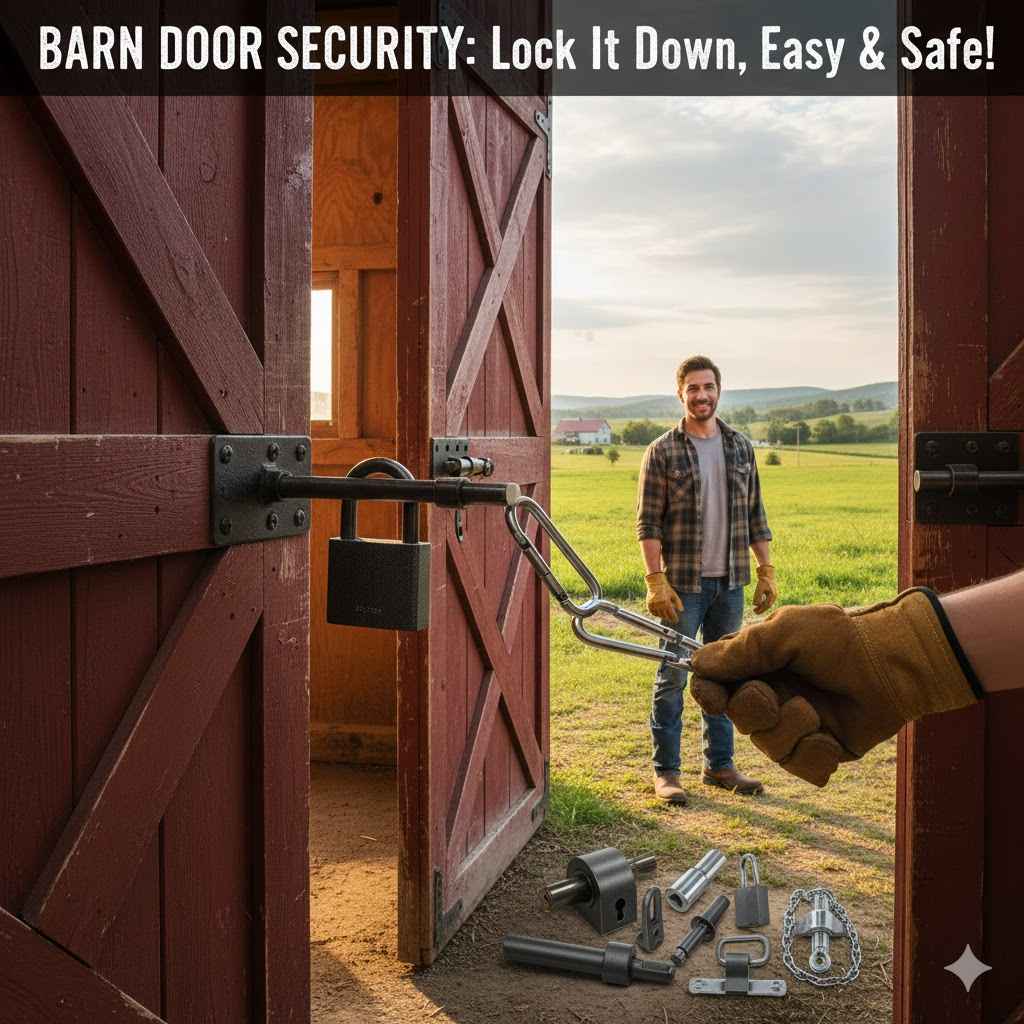
Sliding bolt locks are a very common and straightforward choice for barn doors. They work by sliding a metal bolt into a receiver or bracket. This simple mechanism provides a good basic level of security.
They are generally easy to install and operate, making them popular for many applications.
- Types of Sliding Bolts: There are various styles, including straight bolts, hook bolts, and drop bolts. Straight bolts are the most basic, sliding directly into a fixed bracket. Hook bolts, also known as thumb screws, have a hook shape that wraps around a staple or loop, offering a bit more resistance to being forced open. Drop bolts are designed to slide down into the ground or floor, providing excellent stability and security, especially for large or heavy doors.For instance, a farmer might use a heavy-duty straight bolt for daily access to a tool shed attached to the barn, while using a drop bolt on the main barn door for overnight security. The choice depends on how often the door is accessed and the perceived threat level.
- Installation Process: Installing a sliding bolt lock typically involves marking the position of the bolt and the receiver on the door and frame. You then drill pilot holes and screw the bolt and its corresponding bracket into place. Tools like a drill, screwdriver, and measuring tape are usually all that’s needed. The process is generally quick and can be completed in under an hour.Many sliding bolt kits come with all the necessary screws and mounting hardware, making the installation process even simpler. It’s important to ensure the bolt slides smoothly into its receiver without binding, as this can affect its security and lifespan.
-
Security Considerations: While basic sliding bolts are easy to use, they can sometimes be vulnerable to being pried open if not installed properly or if they are of low quality. For enhanced security, look for thicker gauge metal, longer bolts, and secure mounting. Using additional security measures, like a padlock through an eyelet on the bolt, can significantly increase their effectiveness.The length of the bolt is a key factor. A longer bolt that extends further into the frame provides greater resistance to force. Also, consider the material of the bolt and its mounting hardware.
Steel is generally stronger and more durable than aluminum or plastic.
Hasps and Padlocks
Hasps and padlocks are another widely used and effective method for securing barn doors. A hasp is a type of fastening device that typically consists of a hinged metal strap with a loop or eye that fits over a staple or hook. This assembly is then secured with a padlock.
This system is versatile and can be adapted to many different door types.
- How Hasps Work: A hasp is usually attached to the door and the door frame. The hinged strap swings over a staple or bracket that is secured to the other surface. The padlock then passes through a hole in the strap and staple, locking the two parts together.This creates a physical barrier that prevents the door from being opened without the key to the padlock. The simplicity of the design means there are fewer moving parts to break or malfunction compared to some other locking mechanisms.
- Choosing a Padlock: The security offered by a hasp and padlock system heavily relies on the quality of the padlock used. For barn security, it’s best to opt for heavy-duty, weather-resistant padlocks made of hardened steel. Look for features like pick resistance and boron shackle material for increased security against tampering.Consider the size of the padlock’s shackle to ensure it fits comfortably through the hasp’s eyelet and staple. A shackle that is too short might not close properly, while one that is too thick might not fit at all.
- Installation and Placement: Proper installation of the hasp and staple is crucial for maximum security. The staple should be securely fastened to the door frame with strong screws, ideally into solid wood or even metal reinforcements if available. The hasp should be firmly attached to the door itself. The positioning should ensure that when the door is closed, the staple fits snugly under the hasp’s loop, and the padlock closes without excessive strain.It’s also important to position the hasp and staple so that they are not easily accessible from the outside if the door can be opened slightly from a gap. This prevents potential attackers from easily removing or cutting the hardware.
Barrel Bolts and Latches
Barrel bolts and latches are similar to sliding bolts but often have a more compact design and are frequently used for internal doors or lighter-duty applications. However, they can also be adapted for barn doors, especially for secondary security. They consist of a bolt that slides into a cylindrical housing (the barrel) and a receiver.
- Variety of Designs: Barrel bolts come in many forms, including surface-mounted, mortise-mounted, and those with decorative handles. Some have a spring-loaded mechanism that keeps the bolt in the locked or unlocked position, while others require manual sliding. They are often chosen for their unobtrusive appearance and ease of operation.For a barn, a heavy-duty, surface-mounted barrel bolt made of strong metal would be most appropriate. The key is to ensure the bolt is substantial enough to resist forceful entry.
- Applications on Barn Doors: While not typically the primary security for a main barn door, barrel bolts can be excellent for securing smaller access doors within the barn, individual stalls, or even for holding a gate closed that is part of the barn structure. They can also be used in conjunction with other locking methods for added security.For example, a stable owner might use a robust barrel bolt on the interior of a horse stall door to prevent accidental opening from the inside, while the main barn door is secured with a heavier system.
- Installation Tips: Barrel bolts are usually installed by screwing them directly onto the surface of the door and frame. Alignment is key to ensure smooth operation. It is important to pre-drill pilot holes to prevent wood from splitting, especially in older or drier barn wood.Ensure the bolt extends sufficiently into the receiver to provide a secure hold. If the receiver is just a simple plate, consider reinforcing it or using a deeper catch to prevent the bolt from being dislodged.
How to Install Barn Door Locks Correctly
Installing your chosen lock hardware correctly is just as important as selecting the right type. Proper installation ensures the lock functions as intended and provides the maximum security it is designed for. We will cover the general steps for installation, along with tips to make the process smooth and effective, ensuring your barn door is truly secure.
Preparing the Door and Frame
Before you start attaching any hardware, it’s essential to prepare the surfaces where the lock will be installed. This ensures a secure fit and prevents damage to the door or frame. It also helps the lock operate smoothly and last longer.
- Measuring and Marking: Carefully measure and mark the exact locations for the lock’s components, such as the bolt, receiver, and any associated brackets or staples. Use a measuring tape and a pencil or chalk. Ensure the marks are level and square for proper alignment.For sliding bolts, position the bolt on the door so that when it slides into the receiver on the frame, it is fully engaged. For hasps, make sure the staple aligns perfectly with the loop of the hasp when the door is closed.
- Pre-drilling Pilot Holes: To prevent the wood from splitting, especially in older barns, always pre-drill pilot holes for screws. The size of the pilot hole should be slightly smaller than the diameter of the screw threads. This makes it easier to drive the screws and creates a more secure anchor.If you are working with particularly hard wood or metal frames, using a drill bit specifically designed for those materials is recommended.
- Ensuring Proper Alignment: Test the fit of the lock components before permanently fastening them. For sliding bolts, ensure the bolt slides smoothly into the receiver without excessive force or looseness. For hasps, check that the padlock can be inserted and locked easily without binding.Minor adjustments to the positioning or the size of the mortise (the cutout for the bolt or staple) might be necessary. It is better to make these adjustments now than to try and fix a poorly installed lock later.
Securing the Hardware
Once everything is marked and pre-drilled, you can begin to attach the lock hardware firmly. Using the right screws and ensuring they are driven in properly is key to the lock’s durability and security.
- Using Appropriate Screws: Always use the screws provided with the lock hardware, or if replacing them, use screws of similar size and material. For exterior applications on a barn, galvanized or stainless steel screws are recommended to prevent rust and corrosion. Longer screws that penetrate deeper into the wood or frame offer a stronger hold.If the barn wood is soft or weathered, consider using slightly larger or longer screws, or even adding wood glue to the pilot holes for extra strength.
- Driving Screws Firmly: Use a screwdriver that fits the screw head snugly to avoid stripping it. Drive the screws in straight and until they are flush with the surface of the hardware or slightly countersunk. The hardware should feel solid and secure, with no wobble or looseness.For very heavy-duty locks, especially on large barn doors, consider using machine screws with nuts and washers if possible, particularly where the hardware attaches to the frame. This offers superior strength.
- Reinforcing the Mounting Points: If the door or frame material is weak, or if you are installing a very heavy-duty lock, consider reinforcing the mounting points. This could involve using larger washers under the screw heads, adding backing plates, or even reinforcing the wood itself with metal brackets or plates.A common technique for securing a hasp staple is to use screws that pass all the way through the door frame and are secured on the other side with nuts and washers, or by screwing directly into a solid structural member of the building.
Testing the Lock Mechanism
After installation, it’s essential to thoroughly test the lock to ensure it works perfectly. This final check confirms your efforts have paid off and your barn door is secure.
- Smooth Operation: Open and close the door several times. Operate the lock mechanism repeatedly, ensuring that the bolt slides smoothly into its receiver and that the padlock engages and disengages without sticking. If there is any resistance, identify the cause and make necessary adjustments.Sometimes, a bit of lubrication, like graphite powder or a silicone-based spray, can help smooth out the operation of sliding bolts and latches.
- Security Check: Once you are satisfied with the smooth operation, perform a security check. Gently try to shake or pry the door open while the lock is engaged. This is not a test of brute force, but a way to see if there are any weak points or excessive play in the lock mechanism or its mounting.If the lock feels loose or the door can be moved significantly while locked, revisit the installation steps to tighten screws or reinforce mounting points.
- Padlock Fit: If you are using a padlock, ensure it fits snugly and securely. A padlock that is too loose can rattle and might offer less protection. The shackle should be fully closed and locked, with no part of the hasp or staple exposed.Consider using a high-security padlock that is resistant to cutting, picking, and bumping for maximum protection. The choice of padlock can significantly enhance the overall security of your barn door.
Advanced Security Options for Barn Doors
While basic locks offer a good level of security, some situations might call for more advanced measures. These options can provide greater peace of mind, especially if you store valuable equipment or sensitive items in your barn. These methods often involve combining different types of security or using specialized hardware.
Adding a Secondary Lock
For increased security, consider adding a secondary lock to your barn door. This creates an additional barrier that an intruder would need to overcome. It’s a simple yet effective way to enhance protection.
- Combining Lock Types: You can combine different types of locks. For example, a sliding bolt lock can be supplemented with a hasp and padlock. Or, a sturdy gate latch might be used on the inside, with a heavy-duty hasp on the outside.This layered approach makes it much more difficult and time-consuming for someone to gain unauthorized access. They might be able to defeat one lock, but then they still have another to contend with.
- Reinforcing Existing Locks: Even if you have a good lock, you can reinforce its effectiveness. This could involve using longer or stronger screws for its mounting, adding a metal plate behind the bolt receiver, or installing a door bar that braces against the frame.For instance, if your sliding bolt is mounted with short screws into soft wood, upgrading to longer, hardened steel screws that go into the solid studs of the barn frame will make a significant difference.
- Security Bar or Brace: A heavy-duty security bar or brace can be installed on the inside of the door. This bar typically pivots or slides into brackets mounted on the floor and wall, or on the door and frame. When engaged, it physically prevents the door from being opened, regardless of any locks on the outside.These are particularly effective against forced entry attempts where someone might try to ram or kick the door open. The bar takes the brunt of the force and redirects it into the building’s structure.
Reinforcing the Barn Door Itself
Sometimes, the weakest link in security isn’t the lock, but the door itself. Reinforcing the door can make it much harder to force open, even if the lock is compromised. This adds a significant layer of protection to your barn.
- Metal Plates and Reinforcements: You can attach metal plates to the inside of the door around the locking mechanism. This prevents the wood from splintering or breaking if someone tries to force the lock or the area around it.Steel plates, especially those that cover a larger area of the door, can make it incredibly difficult to breach the door using common tools.
- Securing Hinges: Ensure that the door’s hinges are also robust and securely fastened. If the hinges are weak or loose, they can be exploited to remove the door from its frame. Consider using heavy-duty strap hinges or T-hinges and ensure all screws are tight and anchored into solid wood.For extra security on hinges, you can use security pins or interlocking hinge designs that make it impossible to lift the door off its pins.
- Door Material Considerations: If you are building a new barn or replacing an old door, consider the material. Solid wood doors are generally more secure than hollow-core doors. For even greater security, consider metal doors or doors with reinforced cores.The thickness and density of the door material play a significant role in its resistance to forced entry. A thick, solid timber door is inherently more secure than a thin, lightweight panel door.
Smart Locks and Electronic Security
For those looking for modern solutions, electronic and smart locks are becoming increasingly accessible. These can offer convenience and advanced security features, though they often come with a higher cost.
- Keyless Entry Systems: These allow you to open your barn door using a keypad, a smartphone app, or even a fingerprint scanner. This eliminates the need for physical keys, which can be lost or duplicated.Smart locks can often be programmed with temporary access codes for visitors or workers, and they can provide logs of who entered and when.
- Integration with Security Systems: Many smart locks can be integrated with broader home or farm security systems. This means that if an intrusion is detected, the system can alert you, activate alarms, or even trigger cameras.This interconnectedness provides a comprehensive security solution, offering real-time monitoring and immediate alerts.
- Power Requirements and Reliability: A key consideration for electronic locks is their power source. Most run on batteries, which need to be monitored and replaced. Some may also have a backup power option or can be wired into a main power supply. It’s important to choose a system known for its reliability, especially in outdoor or remote locations.Weather resistance is also a crucial factor. Ensure any electronic lock you consider is rated for outdoor use and can withstand temperature fluctuations and moisture.
Maintaining Your Barn Door Locks
Just like any other hardware, your barn door locks need occasional maintenance to ensure they continue to function reliably and securely. Regular checks and simple upkeep will extend their lifespan and prevent potential security breaches caused by wear and tear.
- Regular Inspections: Periodically, especially before seasonal changes or after severe weather, inspect your locks for any signs of damage, rust, or wear. Check that all screws are tight and that no components are loose or bent.Look for any obvious signs of tampering or damage. This proactive approach can help you spot problems before they become serious security issues.
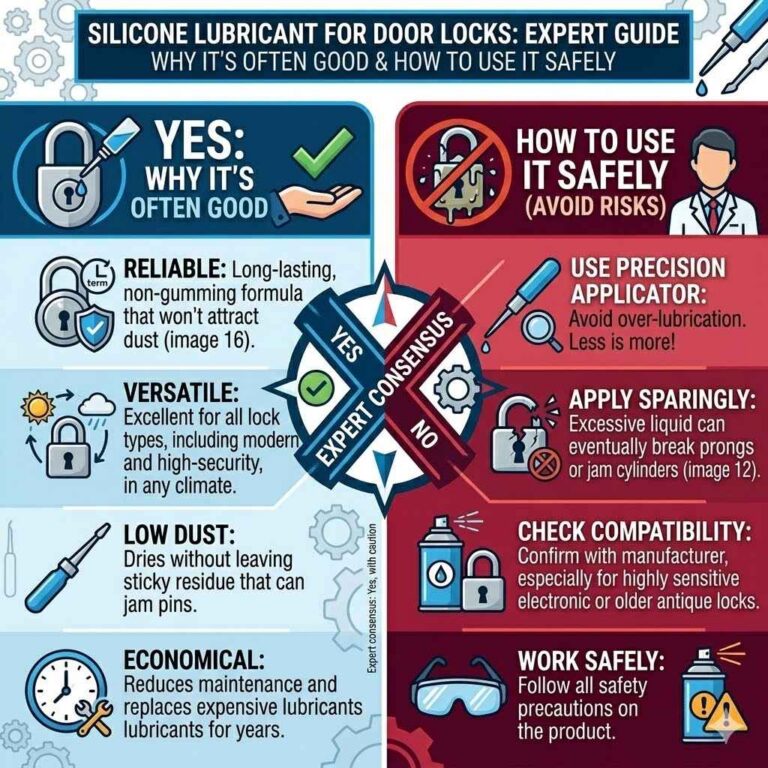
- Lubrication: Sliding bolts, latches, and padlock mechanisms can benefit from periodic lubrication. Use a dry lubricant like graphite powder or a silicone-based spray designed for locks. Avoid using oil-based lubricants, as they can attract dirt and dust, which can gum up the mechanism.Lubrication helps to ensure smooth operation and prevents parts from seizing up, especially in cold or damp conditions. A little bit of lubricant goes a long way.
- Cleaning: Keep locks clean from dirt, cobwebs, and debris. A soft brush can be used to remove loose dirt. For more stubborn grime, a damp cloth can be used, but ensure the lock is dried thoroughly afterward.For padlocks, ensure the keyhole is kept clear. If water enters the keyhole, it can freeze in cold weather or cause corrosion.
- Checking Padlocks: If you use padlocks, regularly check their condition. Ensure the shackle is not bent and that the lock operates smoothly with its key. A rusty or damaged padlock may not provide adequate security and should be replaced.Test your padlock with its key periodically, even if you don’t lock the door every day, to ensure the mechanism remains functional.
Frequently Asked Questions
Question: What is the easiest type of lock for a beginner to install on a barn door
Answer: A simple sliding bolt lock is generally the easiest for beginners to install. It requires minimal tools and the installation process is straightforward, usually involving screwing the bolt and its receiver into place.
Question: How often should I lubricate my barn door locks
Answer: It’s a good idea to lubricate your barn door locks at least twice a year, perhaps in spring and fall. You may need to do it more often if your barn is in a very damp or dusty environment, or if you notice the lock becoming stiff.
Question: Can I use a regular household padlock on my barn door
Answer: While you can, it’s not recommended for security. Household padlocks are often not designed for outdoor weather conditions and can rust quickly. They may also not be as robust or resistant to tampering as heavy-duty outdoor padlocks specifically made for security.
Question: My sliding bolt lock is sticking, what should I do
Answer: First, try cleaning out any dirt or debris from the bolt and receiver. Then, apply a dry lubricant like graphite powder or a silicone-based lock spray. Ensure the surfaces are properly aligned, as misalignment can also cause sticking.
Question: What is the most secure type of lock for a barn door
Answer: For maximum security, a combination of a heavy-duty hasp with a high-security, weather-resistant padlock, possibly supplemented by an internal security bar or brace, is generally considered the most secure. Electronic smart locks also offer high security but depend on reliable power and connectivity.
Wrap Up
Learning how to lock a barn door securely and easily empowers you to protect your property. By selecting appropriate hardware like sliding bolts or hasps and installing them correctly, you create a strong defense. Regular maintenance ensures your locks work when you need them.
With these simple steps, your barn will be safe and sound.