How to Lock a Door in Minecraft: A Step-by-Step Guide for Secure Bases
Hey there, Minecraft enthusiast! If you’re anything like me, you’ve spent countless hours building epic bases, only to have a pesky zombie or skeleton waltz right through your door. It’s frustrating, right? That’s why I’m thrilled to share my tried-and-true methods for locking a door in Minecraft. Whether you’re playing solo or on a multiplayer server, securing your home is a game-changer. In this article, I’ll walk you through everything I’ve learned from my own adventures—simple tricks, redstone contraptions, and even advanced passcode systems. Grab your pickaxe, and let’s dive into making your Minecraft base as safe as a fortress!
Why Locking Doors in Minecraft Matters
Picture this: You’ve just finished crafting a cozy oak cabin. Your chests are filled with diamonds, and you’re ready to log off for the night. But wait—did you secure your door? In Minecraft, doors are your first line of defense. Wooden doors can be broken by zombies on Hard difficulty, and even iron doors can be bypassed by clever players in multiplayer. Locking your door keeps mobs out and protects your loot from griefers.
When I first started playing, I didn’t think much about door security. Then, one night, a zombie broke through my spruce door and turned my base into a chaotic mess. That’s when I realized locking doors isn’t just a luxury—it’s a necessity. Whether you’re hiding from creepers or safeguarding your treasures, a locked door gives you peace of mind.
Types of Doors in Minecraft
Before we get into locking techniques, let’s talk about the doors you can use. Minecraft offers a variety of doors, each with unique properties. Here’s a quick rundown:
| Door Type | Material Needed | Can Mobs Break It? | Redstone Compatible? |
|---|---|---|---|
| Wooden (Oak, Spruce, etc.) | 6 Planks | Yes (Zombies, Hard mode) | Yes |
| Iron | 6 Iron Ingots | No | Yes |
| Copper | 6 Copper Ingots | No | Yes |
| Trapdoor (Wood/Iron) | 4 Planks or 4 Ingots | No (if placed correctly) | Yes |
I’ve experimented with all these doors, and each has its charm. Wooden doors are cheap and easy to craft, but they’re vulnerable. Iron doors are sturdy but require redstone to open. Copper doors add a steampunk vibe, while trapdoors are perfect for secret entrances. Knowing your options helps you choose the right door for your lock system.
Basic Ways to Lock a Door Without Redstone
If you’re new to Minecraft or just want a quick fix, you don’t need fancy redstone to secure your door. Here are some simple methods I’ve used to keep my bases safe.
Using an Iron Door with a Button
Iron doors are my go-to for basic security. Unlike wooden doors, mobs can’t break them, and they only open with redstone power. Here’s how I set one up:
- Craft an iron door with 6 iron ingots in a 2×3 pattern on your crafting table.
- Place the door in your doorway.
- Craft a button (1 wooden plank or 1 stone) and place it on a block next to the door.
- Press the button to open the door—it’ll close automatically.
I love this setup because it’s mob-proof. Zombies can’t press buttons, so your base stays secure. In multiplayer, though, players can use the button, so this works best for solo play or trusted servers.
Hiding a Lever Inside Your Base
Another easy trick is using a lever, but keeping it hidden. I often place a lever on the inside of my base, so only I can open the door from within. Here’s how:
- Install an iron door.
- Place a lever on a block inside your base, next to the door.
- Flip the lever to open or close the door.
This method is great for single-player games. When I’m out exploring, I know my door is locked tight. Just be careful in multiplayer—other players might break through walls to get inside.
The Painting Trick for Wooden Doors
This one’s a bit sneaky, and I had a blast trying it out! You can “lock” a wooden door by hiding it behind a painting. Here’s how I do it:
- Craft a wooden door and place it in your doorway.
- Craft a painting (8 sticks and 1 wool) and place it on the wall in front of the door.
- Walk through the painting to enter your base.
The painting obscures the door, making it hard for others to find. It’s not foolproof—players can break the painting—but it’s a fun way to hide your entrance. I used this in a multiplayer server, and my friends were stumped for days!
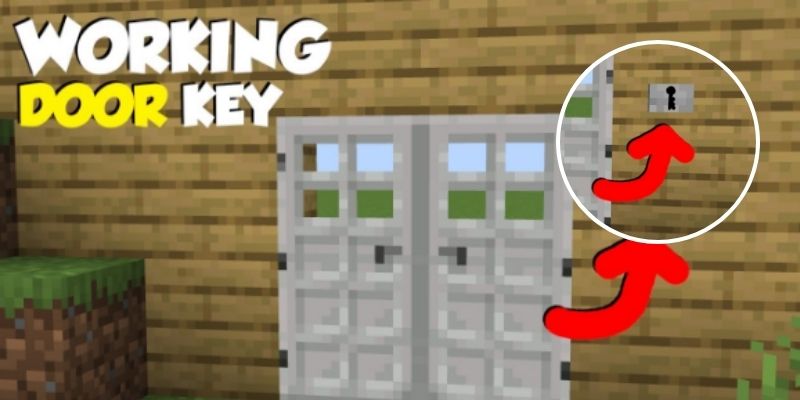
Redstone-Powered Locking Systems
Once I got comfortable with redstone, I started building more advanced locks. Redstone lets you create mechanisms that mobs and players can’t easily bypass. These setups take a bit of practice, but they’re worth it. Let’s explore a couple of my favorite redstone locks.
Pressure Plate Lock with a Hidden Switch
Pressure plates are handy, but mobs can trigger them. I figured out a way to make a pressure plate lock that’s secure. Here’s my setup:
- Place an iron door in your doorway.
- Put a pressure plate (2 stone or 2 wooden planks) in front of the door outside.
- Dig a 2-block deep hole next to the door and place redstone dust at the bottom.
- Connect the pressure plate to the redstone with a trail of redstone dust.
- Place a lever on a block inside your base, connected to the redstone circuit.
- Flip the lever to “lock” the door by breaking the redstone connection.
When the lever is off, the pressure plate works normally. When it’s on, the door won’t open, even if someone steps on the plate. I use this when I’m away from my base for long periods—it’s like having a deadbolt!
Simple Lever Lock with Redstone
If you want a straightforward redstone lock, try this lever system. It’s one of the first I mastered, and it’s how I keep my main base secure:
- Craft an iron door and place it in your doorway.
- Place a lever on a block next to the door inside.
- Dig a line of redstone dust from the lever to the door, underground or hidden behind walls.
- Flip the lever to power the door open or closed.
This lock is great because you can hide the lever anywhere—a secret room, under a block, or even behind a wall. I once hid my lever behind a furnace, and it felt like a secret agent flipping it!
Advanced Passcode: Redstone Lock
Ready to take your door security to the next level? A passcode lock is where things get really fun. I spent a whole weekend perfecting this one, and it’s my proudest creation. It uses levers to create a combination that only you know. Here’s how I built mine:
Materials Needed
- 1 iron door
- 6 levers
- 6 blocks (any type, like stone or wood)
- Redstone dust (about 10-15 pieces)
- 3 redstone torches
- 1 redstone repeater (optional, for longer circuits)
Step-by-Step Guide
- Build the Frame: Place your iron door in the doorway. In front of the door, place 6 blocks in a row (I used stone for a clean look). These will hold your levers.
- Add Levers: Place a lever on each block. Label them with signs (e.g., 1, 2, 3, 4, 5, 6) to keep track.
- Set the Passcode: Decide your code. For example, I chose levers 2, 4, and 6. Place redstone torches on the back of the blocks corresponding to your code (so, behind levers 2, 4, and 6).
- Wire the Circuit: Place redstone dust on top of and below the blocks without torches. This creates a circuit that only activates when the correct levers are flipped.
- Connect to the Door: Dig a trench from the circuit to your door. Place redstone dust in the trench, leading to a block under the door. If the circuit is long, add a redstone repeater to boost the signal.
- Test the Lock: Flip your chosen levers (2, 4, 6 in my case) to the “on” position. The door should open. If any other lever is flipped, the circuit breaks, and the door stays locked.
This lock is a game-changer in multiplayer. I set one up on a server, and my friends were amazed—they couldn’t crack it! It’s secure, customizable, and looks super cool.
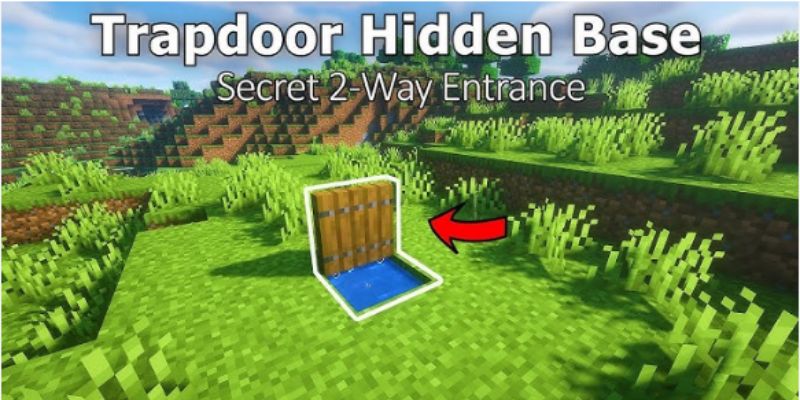
Locking Trapdoors for Secret Entrances
Trapdoors are my secret weapon for hidden bases. They’re smaller than doors and blend into floors or walls. Locking a trapdoor works similarly to an iron door. Here’s how I secure mine:
- Craft an iron trapdoor (4 iron ingots).
- Place it in a 1×1 hole in your floor or wall.
- Add a lever or button nearby, connected with redstone dust.
- Flip the lever to open or close the trapdoor.
I love using trapdoors for secret basements. Once, I built a trapdoor under a carpet in my base, and no one suspected a thing. It’s a simple way to add an extra layer of security.
Tips for Multiplayer Server Security
Playing on a multiplayer server changes the game. Other players can break blocks or find your hidden levers. Here are some tricks I’ve learned to stay safe:
- Hide Your Redstone: Cover redstone circuits with blocks to keep them out of sight. I bury mine underground or behind walls.
- Use Obsidian: Surround your door with obsidian to make it harder to break. It takes forever to mine without a diamond pickaxe.
- Build Traps: Add a pressure plate trap near your door that drops intruders into lava or a pit. I once caught a griefer this way—it was hilarious!
- Secret Entrances: Instead of a main door, use a hidden piston door or trapdoor. I’ve hidden entrances behind waterfalls, and they’re nearly impossible to find.
Multiplayer taught me to think like a thief. Always assume someone’s trying to sneak in, and plan accordingly.
Common Mistakes to Avoid
When I started locking doors, I made plenty of blunders. Here are some pitfalls to watch out for:
- Exposed Redstone: Leaving redstone visible makes it easy for players to break your circuit. Always hide it.
- Weak Doors: Using wooden doors in Hard mode is asking for zombie trouble. Stick with iron or copper.
- Simple Codes: If your passcode is too obvious (like 1-2-3), players will guess it. Mix it up!
- No Backup Plan: Always have a second way into your base, like a hidden tunnel. I once locked myself out of my own base—not fun!
Learning from my mistakes made me a better builder. Double-check your setup, and you’ll avoid these headaches.
Conclusion
Locking a door in Minecraft might seem like a small detail, but it’s a huge step toward protecting your hard-earned loot. From simple iron doors to intricate passcode locks, I’ve shared the methods that transformed my bases into fortresses. Whether you’re fending off zombies or outsmarting players, these techniques give you control over your space. My favorite moment was watching a creeper stare helplessly at my locked iron door—it felt like victory!
So, what are you waiting for? Head to your crafting table, gather some iron, and start securing your base. Experiment with these ideas, and don’t be afraid to get creative. Your Minecraft world deserves to be safe, and you’ve got the tools to make it happen. Let me know how it goes—I’d love to hear about your epic lock setups!
Frequently Asked Questions
How do I craft an iron door in Minecraft?
To craft an iron door, you need 6 iron ingots. Open your crafting table and arrange the ingots in a 2×3 pattern (two columns, three rows). Drag the door to your inventory. It’s simple and super sturdy!
Can zombies break iron doors?
No, zombies cannot break iron doors, even on Hard difficulty. That’s why I always use them for mob-proof bases. Wooden doors, though, are fair game for zombies, so avoid those in dangerous areas.
What’s the easiest way to lock a door for beginners?
The easiest way is to use an iron door with a button. Place the door, add a stone or wooden button next to it, and press to open. Mobs can’t use buttons, so it’s a quick, beginner-friendly lock.
Can other players bypass my locked door in multiplayer?
Players can break blocks or find hidden levers, so no lock is 100% player-proof. I hide my redstone, use obsidian walls, and add traps to make it harder for griefers to get in.
For a hidden door, try the painting trick or a piston door. Place a wooden door and cover it with a painting, or use sticky pistons and redstone to create a flush wall that opens with a lever. Both are super sneaky!
Do copper doors work the same as iron doors?
Copper doors are similar to iron doors—they’re mob-proof and redstone-compatible. They oxidize over time, which looks cool, but function the same for locking. I love their rustic vibe for themed builds.
What’s a redstone repeater, and why do I need it?
A redstone repeater boosts redstone signals over long distances and can delay them. In passcode locks, it helps keep the circuit stable. Craft one with 3 stone, 2 redstone torches, and 1 redstone dust.