Why Wrap Foil on Door Knobs? What It Actually Does
Wrapping foil around a door knob does not improve home security — Snopes confirmed in 2022 that the viral “wrap foil when home alone” tip traces back to a misleading clickbait ad, not a real safety method. Foil tears off with almost no resistance, so it won’t slow an intruder down. This guide covers what the trend actually got right, why the security claim fails, and which $9–$55 alarms genuinely alert you when a door opens.
This post may contain affiliate links. As an Amazon Associate, we earn from qualifying purchases.
Quick Answer
No — wrapping foil around a door knob does not stop or meaningfully slow down an intruder. The viral claim started from a misleading ad, not a real security method, and fact-checkers at Snopes confirmed this in 2022. Foil’s one genuine use on a door knob is protecting it from paint drips while painting a door. For a real noise alert when a door opens, a $9–$15 magnetic door alarm sensor does what the foil trick only claims to.
📊 The FBI recorded 779,542 burglaries nationwide in 2024, and forcible entry accounted for 55.7% of home invasions — meaning most intruders who get in are already willing to force a lock or door, a level of resistance foil alone cannot add. — Source: FBI Uniform Crime Report data, via Modern Home Protection (2026)
Does Wrapping Foil Around A Door Knob Actually Improve Security?
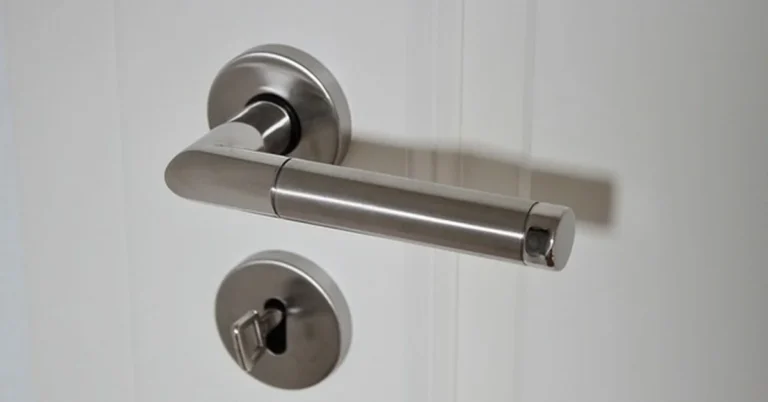
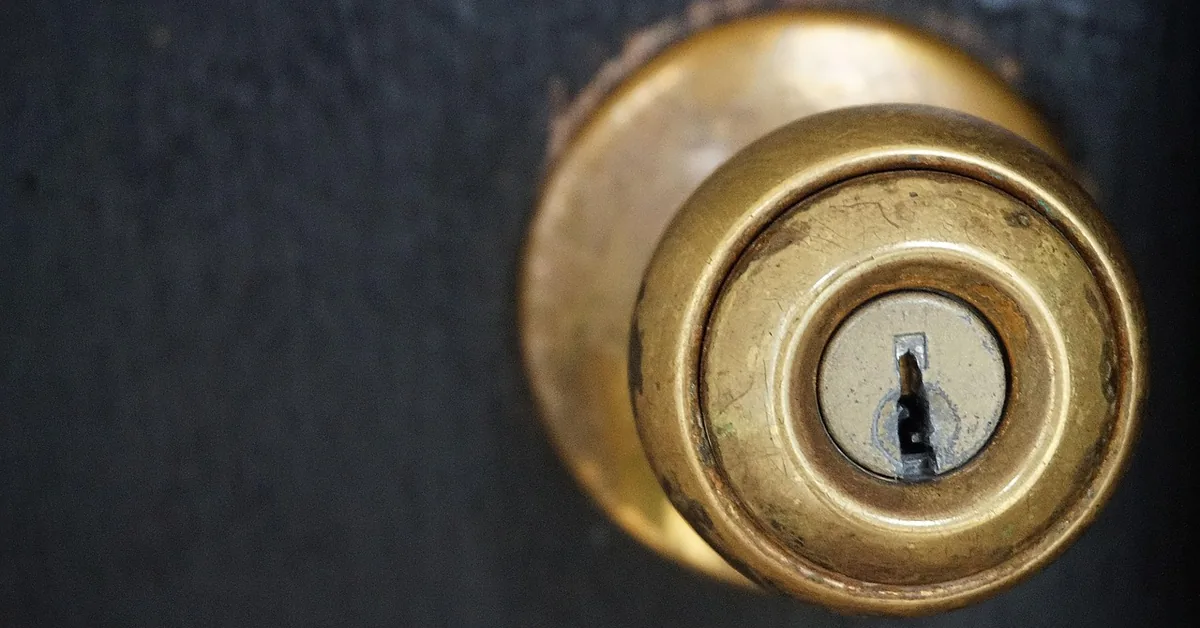
No. Aluminum foil is not a recognized security measure, and no security professional recommends it. A doorknob wrapped in foil can still be turned normally, and the foil itself tears or slides off with almost no force — it adds no real resistance to someone trying to get in.
The trend traces back to a 2022 online ad investigated by fact-checking site Snopes. The ad’s headline implied a safety trick for when you’re home alone, but the actual linked article never mentioned security at all — it was about using foil to protect knobs while painting a door. The “alone” framing was added purely to make the ad more clickable, and the safety claim spread from there without ever being tested or verified.
The crinkling-noise idea isn’t completely made up — foil does make a small sound when disturbed — but security reviewers note it’s not loud enough to reliably wake someone from sleep or carry beyond the room the door is in, which is the entire point of an actual alert system.
The One Legitimate Use For Foil On A Door Knob
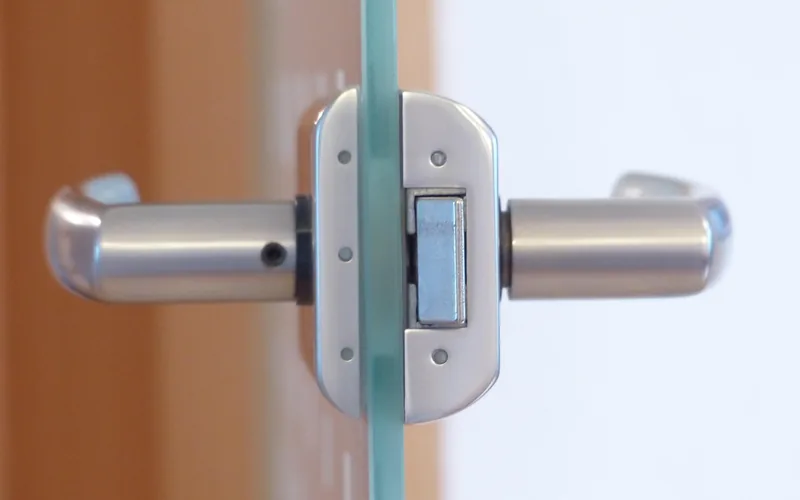
Foil does have a real, practical job on a door knob — just not a security one. Wrapping a knob tightly in aluminum foil before painting a door keeps paint drips and overspray off the metal, and unlike painter’s tape, foil molds to the exact shape of the knob in seconds and peels off clean in one piece when you’re done.
- Tear a sheet large enough to fully wrap the knob and the surrounding rosette plate.
- Press and mold the foil tightly around the knob’s shape so no metal is exposed.
- Twist or tuck the loose end at the base so it stays put while you paint.
- Peel it off as soon as the paint is dry to the touch, before it has a chance to bond to the foil.

Real Ways To Get Alerted When A Door Opens
If what you actually want is a noise alert when a door opens while you’re home alone, a magnetic entry-door alarm does the job foil only pretends to. These stick on with adhesive pads, need no wiring or hub, and trigger a loud beep the instant the magnetic contact separates — some models hit around 110 decibels, loud enough to be heard through the house and startle anyone at the door into leaving.
For a rental or apartment, prioritize the door you use daily first, then any ground-floor window or balcony door that’s easy to reach from outside. If your door’s actual lock is old or loose, upgrading the lock itself does more for real security than any doorknob wrap ever could — see our full door hardware and lock guides for more upgrade options.
Best Door Alarm Pick
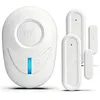
Wireless Door Alarm Chime with Magnetic Contact Sensor – $13.49
This is the real version of what the foil trick above only claims to do — a loud, audible alert the instant the door opens, with no wiring or monthly fee.
- Best for: renters and apartments who need a no-drill, peel-and-stick alert
- Why we picked it: stands alone, no hub or subscription required
- Main drawback: single-door coverage per unit; buy multiples for more entry points
Compare more door/window alarm options
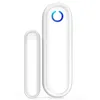 Option 1 Fosmon Wireless Door Sensor – $9.99
|
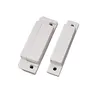 Option 2 uxcell Magnetic Entry Warning Switch – $8.40
|
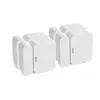 Option 3 SimpliSafe Entry Sensor (Pack of 4) – $54.99
|
As an Amazon Associate we earn from qualifying purchases.
Downsides Of Relying On The Foil Trick
Beyond simply not working as security, foil on a door knob has a few practical drawbacks worth knowing:
- Tears easily: a few uses and it splits at the folds, so it needs frequent replacing even for its real paint-masking job.
- Doesn’t fit large or oddly shaped knobs well: lever handles and oversized knobs leave gaps foil can’t cover cleanly.
- Looks messy fast: crinkled foil left on a knob for days reads as neglect, not decor, to guests.
- Creates a false sense of security: the real risk is treating it as an actual safeguard and skipping a real door/window alarm or lock upgrade as a result.
Frequently Asked Questions
Why Do People Say To Wrap Foil Around Door Knobs When Home Alone?
The idea comes from a 2022 online ad that Snopes traced and confirmed was misleading clickbait. The ad implied a safety trick, but the article it linked to only discussed using foil to protect knobs while painting — it never mentioned security at all. The safety claim was never tested or verified before it went viral.
Does Foil On A Door Knob Stop A Burglar?
No. Foil adds no meaningful resistance to a doorknob and can be removed with almost no effort. Security professionals do not recommend it, and forcible entry — which foil cannot prevent — accounts for the majority of home break-ins according to FBI data.
Is There Any Real Reason To Put Foil On A Door Knob?
Yes, one: protecting the knob from paint drips and splatter while painting a door. Foil molds to the knob’s shape faster than painter’s tape and peels off cleanly once the paint dries.
What Actually Works To Alert You If Someone Opens A Door?
A magnetic door or window alarm sensor. These stick on with adhesive, need no wiring, and sound a loud alert — some around 110 decibels — the instant the magnetic contact breaks, which is the alert the foil trick only claims to provide.
Where Can I Read The Full Fact-Check On This Trend?
Snopes published a full investigation into the ad and the claim in 2022, and our companion guide covers the complete origin story and step-by-step breakdown in more depth: Why Put Tinfoil on Door Knobs?
Conclusion
Wrapping foil around a door knob won’t stop an intruder — that claim traces back to a misleading ad, not a tested security method, and no lock or lever gets any harder to turn because of it. What foil is genuinely good for is protecting a knob from paint while you work, in seconds and with a clean peel-off finish. If you want a real alert when a door opens, a $9–$15 magnetic door alarm does that job honestly. And if a stuck or broken handle is part of what sent you looking for a workaround in the first place, fixing the hardware itself solves more than any wrap ever will.
Sponsored / affiliate links. As an Amazon Associate I earn from qualifying purchases. I may earn additional commission from eligible campaigns.