How to Mail a Box at the Post Office: A Step-by-Step Guide
Hey there! If you’ve ever stood in line at the post office, clutching a box and wondering if you’re doing this whole mailing thing right, you’re not alone. I’ve been there, juggling tape, labels, and a million questions about postage. Mailing a box at the post office can feel overwhelming, especially if it’s your first time or you’re sending something important.
But don’t worry—I’ve explored every corner of this process, from picking the right box to tracking my package, and I’m here to walk you through it like we’re chatting over coffee. In this guide, I’ll break down everything you need to know about how to mail a box at the post office in the USA, with tips I’ve learned from my own trips to the USPS. Let’s make this simple, stress-free, and maybe even a little fun!
Why Mailing a Box at the Post Office Matters
When I first started mailing packages, I thought I could just toss my items in any old box and hand it over. Big mistake! The post office has rules, and following them saves time, money, and headaches. Mailing a box properly ensures your package arrives safely, on time, and without costing you extra. Whether you’re sending a care package to a college student, shipping a gift for a birthday, or mailing products for your small business, doing it right builds trust with the recipient. Plus, the USPS is reliable and offers options for every budget, which I’ve come to appreciate after trying other shipping services. Let’s dive into the steps I’ve mastered over countless trips to the post office.
Step 1: Choose the Right Box
The box you pick is the foundation of your mailing journey. I learned this the hard way when I used a flimsy cereal box for a package, and it arrived crushed. Trust me, you want a sturdy, corrugated cardboard box that can handle the trip. The USPS offers free Priority Mail and Priority Mail Express boxes at their locations or online, which I love because they’re strong and come in various sizes. If you’re using your own box, make sure it’s clean, with no old labels or barcodes that could confuse the sorting machines.
Here’s a quick tip: measure your items before picking a box. I always leave a little extra space for padding, but not so much that the box is half-empty—rattling contents can break. If you’re reusing a box, flip it inside out or cover any old markings with a marker. The post office is picky about this, and I’ve had packages returned for having visible barcodes from previous shipments.
Step 2: Pack Your Box Like a Pro
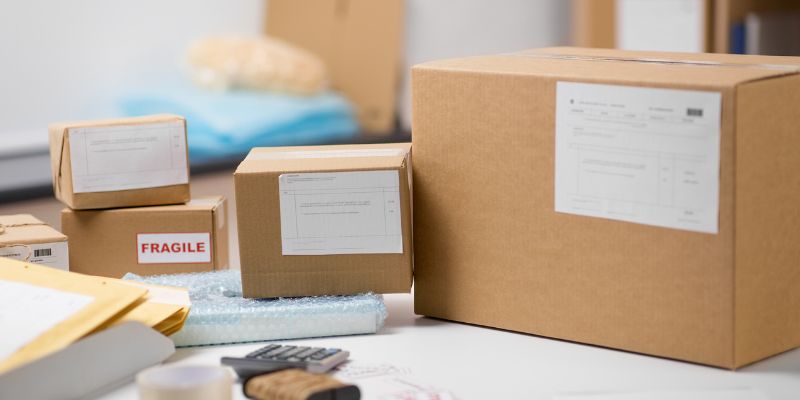
Packing is where I get to channel my inner puzzle master. You want your items to stay safe, so cushioning is key. I use bubble wrap, packing peanuts, or even crumpled newspaper for lighter items. For fragile things like glassware, I wrap each piece individually and place heavier items at the bottom. One time, I mailed a ceramic mug without enough padding, and it arrived in pieces—lesson learned!
Here’s a packing checklist I swear by:
| Item | Packing Tip |
|---|---|
| Fragile items | Wrap in bubble wrap and place in the center of the box, surrounded by cushioning. |
| Heavy items | Place at the bottom to avoid crushing lighter contents. |
| Small, loose items | Put in a smaller bag or container to keep them from shifting. |
| Liquids | Seal tightly in plastic bags to prevent leaks. |
After packing, shake the box gently. If you hear movement, add more cushioning. Then, seal it with strong packing tape—not duct tape or masking tape, as the post office doesn’t accept those. I reinforce the seams and corners for extra security.
Step 3: Address Your Box Correctly
Addressing seems simple, but I’ve messed this up before. A smudged address or a missing ZIP code can delay your package or send it to the wrong place. Use a permanent marker or a printed label for clarity. Here’s how I do it:
- Recipient’s Address: Write the full name, street address, city, state, and ZIP code in the center of the box’s top side. Include an apartment number if needed.
- Return Address: Put your name and address in the top-left corner. If the package can’t be delivered, it’ll come back to you.
- Legibility: Write clearly or use a label. I once scribbled an address in a rush, and the package took an extra week to arrive because the clerk couldn’t read it.
Pro tip: double-check the ZIP code on the USPS website. I’ve found that even one wrong digit can send your box on a wild detour. If you’re shipping internationally, include the country name in all caps and check customs forms, which I’ll cover later.
Step 4: Decide on Your Shipping Service
This is where I spend the most time at the post office—picking the right service. The USPS offers several options, and choosing one depends on your budget, speed, and needs. Here’s a breakdown of the main services I’ve used:
| Service | Delivery Time | Best For |
|---|---|---|
| First-Class Mail | 1-5 business days | Lightweight packages under 13 oz, like small gifts or documents. |
| Priority Mail | 1-3 business days | Medium-sized boxes with tracking and insurance included. |
| Priority Mail Express | 1-2 days, overnight option | Urgent packages needing guaranteed delivery. |
| Media Mail | 2-8 business days | Books, DVDs, or educational materials—super affordable but slow. |
| Retail Ground | 2-8 business days | Large, non-urgent packages that don’t qualify for other services. |
I usually go with Priority Mail because it’s fast, includes tracking, and has free boxes. If I’m sending books to my niece, Media Mail saves me a ton, but it’s slower. For urgent shipments, like when I mailed my friend’s forgotten passport, Priority Mail Express was a lifesaver. Ask the clerk about delivery times, especially around holidays when things get hectic.
Step 5: Visit the Post Office
Now it’s time to head to the post office. I always check the hours on usps.com because some locations close early or aren’t open on Saturdays. If the line looks long, I use the self-service kiosk, which is a game-changer. You can weigh your box, print a label, and pay for postage without waiting. Just make sure your box meets size limits—kiosks can’t handle oversized packages.
When I’m at the counter, I let the clerk know if I need insurance, tracking, or special services like Signature Confirmation. For valuable items, like a vintage car model I mailed to a collector, I always buy extra insurance. It’s a small price for peace of mind. If you’re shipping internationally, bring a completed customs form (available online or at the post office). I once forgot this for a package to Canada, and it was held up for weeks.
Step 6: Pay for Postage
Postage costs depend on weight, size, destination, and service. The clerk or kiosk will weigh your box and calculate the price. I’ve learned to avoid overpaying by checking rates online first. For example, flat-rate Priority Mail boxes are a steal if your package is heavy but fits in their standard sizes. I mailed a box of car parts to my brother using a flat-rate box, and it was cheaper than paying by weight.
You can pay with cash, a card, or even a check. If you’re a frequent shipper, consider buying stamps or printing labels at home through usps.com to save time. I started doing this for my small business, and it’s cut my post office trips in half.
Step 7: Track Your Package
Once your box is mailed, you’ll get a receipt with a tracking number for most services. I keep this in my wallet until the package arrives. You can track your package on usps.com or through their mobile app. I love checking where my box is—sometimes it takes a scenic route! If there’s a delay, like during a snowstorm last winter, I call USPS Customer Service at 1-800-275-8777. They’re usually quick to help.
If you paid for insurance or Signature Confirmation, keep your receipt as proof of mailing. When I mailed a rare car manual, the buyer claimed it never arrived, but the tracking showed they signed for it, which saved me from a dispute.
Extra Tips from My Post Office Adventures
Over time, I’ve picked up some hacks to make mailing smoother:
- Avoid Holiday Rushes: I never mail during December unless I’m using Priority Mail Express. The lines are long, and delays are common.
- Prohibited Items: Don’t try to mail liquids, hazardous materials, or perishable food without proper labeling. I once tried mailing homemade salsa, and it was a no-go.
- Use Online Tools: Print labels at home, schedule pickups, or use USPS’s Click-N-Ship for convenience. It’s a time-saver for busy folks like me.
- Be Kind to Clerks: A friendly attitude makes the process easier. I always thank the clerks, and they’ve given me tips like using regional rate boxes for cheaper shipping.
Mailing for Small Businesses
If you’re mailing boxes for a business, like I do for my automotive parts side hustle, efficiency is everything. I batch my shipments to visit the post office once a week. I also invest in a small scale and tape gun to prep packages faster. USPS offers business accounts with discounts for frequent shippers, which I’m considering as my orders grow. If you’re shipping car accessories or tools, use sturdy boxes and always include a packing slip for clarity.
International Shipping Made Simple
International mailing intimidated me at first. But it’s manageable with preparation. You’ll need a customs form (Form 2976 or 2976 for larger shipments), which describes the contents and value. I mailed a model car to a friend in the UK, and filling out the form online saved me time at the counter. Check the country’s restrictions—some places don’t allow certain items like batteries. Also, expect longer delivery times and higher costs, so warn your recipient. Priority Mail International is my go-to for tracking and reliability.
Common Questions I Get Asked
People often ask me how I make mailing so hassle-free, so here’s a quick rundown of common concerns:
- Can I use any box? Yes, as long as it’s sturdy and free of old labels. USPS flat-rate boxes are my favorite.
- How much does it cost? It varies, but check usps.com for estimates. Flat-rate boxes can save money.
- Do I need an appointment? No, just walk in or use a kiosk. Check hours online first.
- What if my package gets lost? Use tracking and insurance. Keep your receipt for claims.
Why I Keep Coming Back to USPS
After all my trips to the post office, I’ve grown to trust USPS. They’re affordable, reliable, and have options for every need. Sure, there are private couriers, but for everyday mailing—especially for small businesses or personal packages—USPS is my pick. I’ve mailed everything from car manuals to birthday gifts, and the process gets easier every time.
Wrapping It Up: Mail with Confidence
Mailing a box at the post office doesn’t have to be a chore. With the right box, proper packing, and a clear address, you’re halfway there. Choose a service that fits your timeline and budget, and don’t skip tracking or insurance for valuable items. I’ve gone from a nervous first-timer to someone who breezes through the process, and you can too. Whether you’re sending a gift to a loved one or shipping products to customers, these steps will make your post office trips smooth and stress-free. So grab your box, head to USPS, and mail with confidence—you’ve got this!
Frequently Asked Questions
Can I use a random box to mail at the post office?
You sure can, as long as it’s strong and has no old labels or barcodes. I like using USPS’s free Priority Mail boxes because they’re sturdy and save me money.
How much does it cost to mail a box?
It depends on the box’s weight, size, destination, and shipping service. I check usps.com for estimates, but flat-rate boxes are often the cheapest for heavy items.
Do I need to make an appointment at the post office?
Nope, just walk in during open hours. I always check the schedule on usps.com, especially for smaller locations.
What happens if my package gets lost?
If you used tracking, check the status on usps.com. For insured packages, keep your receipt to file a claim. I’ve only had one delay, and USPS sorted it out quickly.
Can I mail food through USPS?
Yes, but it must be non-perishable and properly sealed. I tried mailing homemade jam once, and it was rejected because of liquid restrictions.
How do I know which shipping service to pick?
Think about speed and budget. I use Priority Mail for most packages because it’s fast and includes tracking. Media Mail is great for books if you’re not in a hurry.