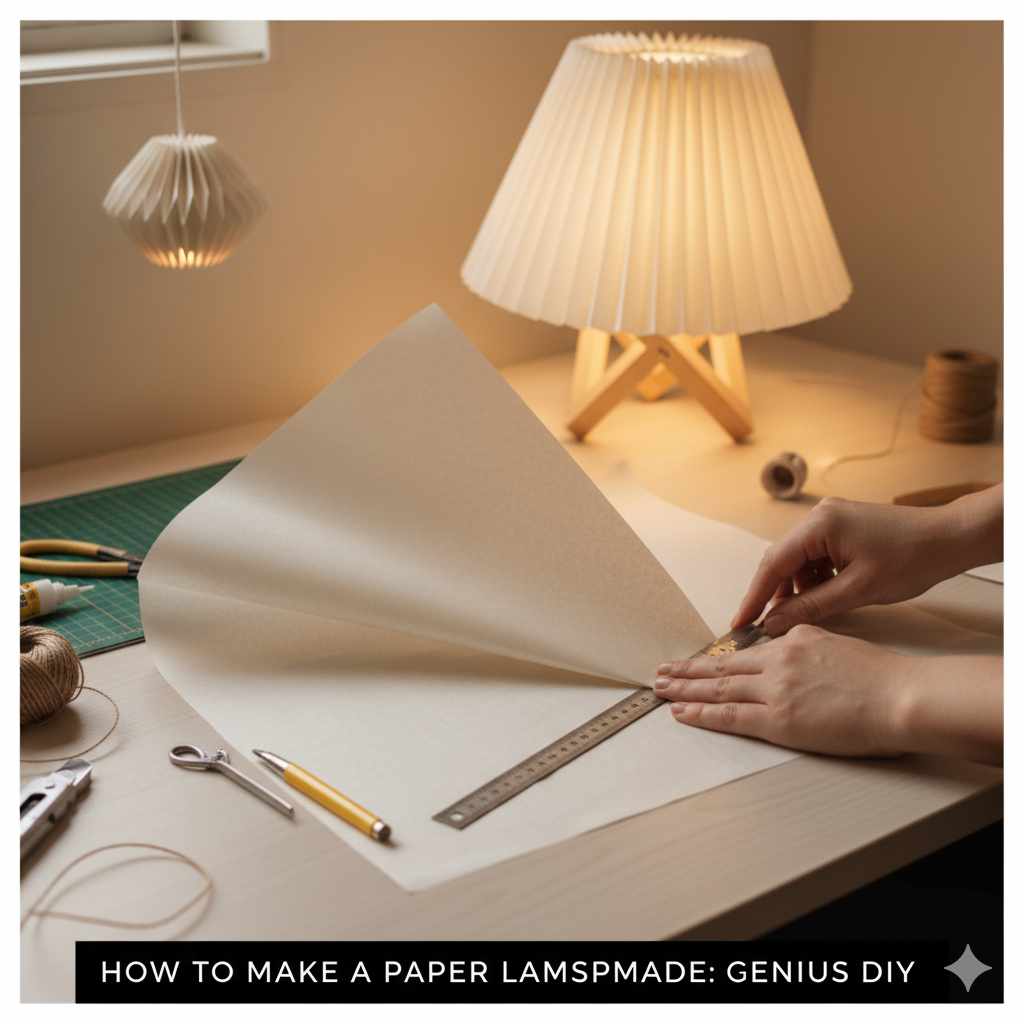
How to Make a Paper Lampshade: Genius DIY
Quick Summary:
Learn how to make a beautiful paper lampshade with this easy DIY guide. We’ll walk you through simple steps, necessary materials, and safety tips to create a custom light fixture that adds a unique touch to your home decor. Perfect for beginners!
Ever look at a plain light fixture and wish you could add a personal touch? Sometimes, the simplest projects can make the biggest impact on your home’s ambiance. Creating your own paper lampshade might sound tricky, but it’s actually a wonderfully rewarding and surprisingly straightforward DIY project. You don’t need to be a master craftsman to transform a basic lamp into a statement piece. This guide is designed to make the process clear and easy, so you can enjoy a custom-made lampshade without any fuss. Let’s get started on adding a warm glow and a unique flair to your living space!
Why Make Your Own Paper Lampshade?
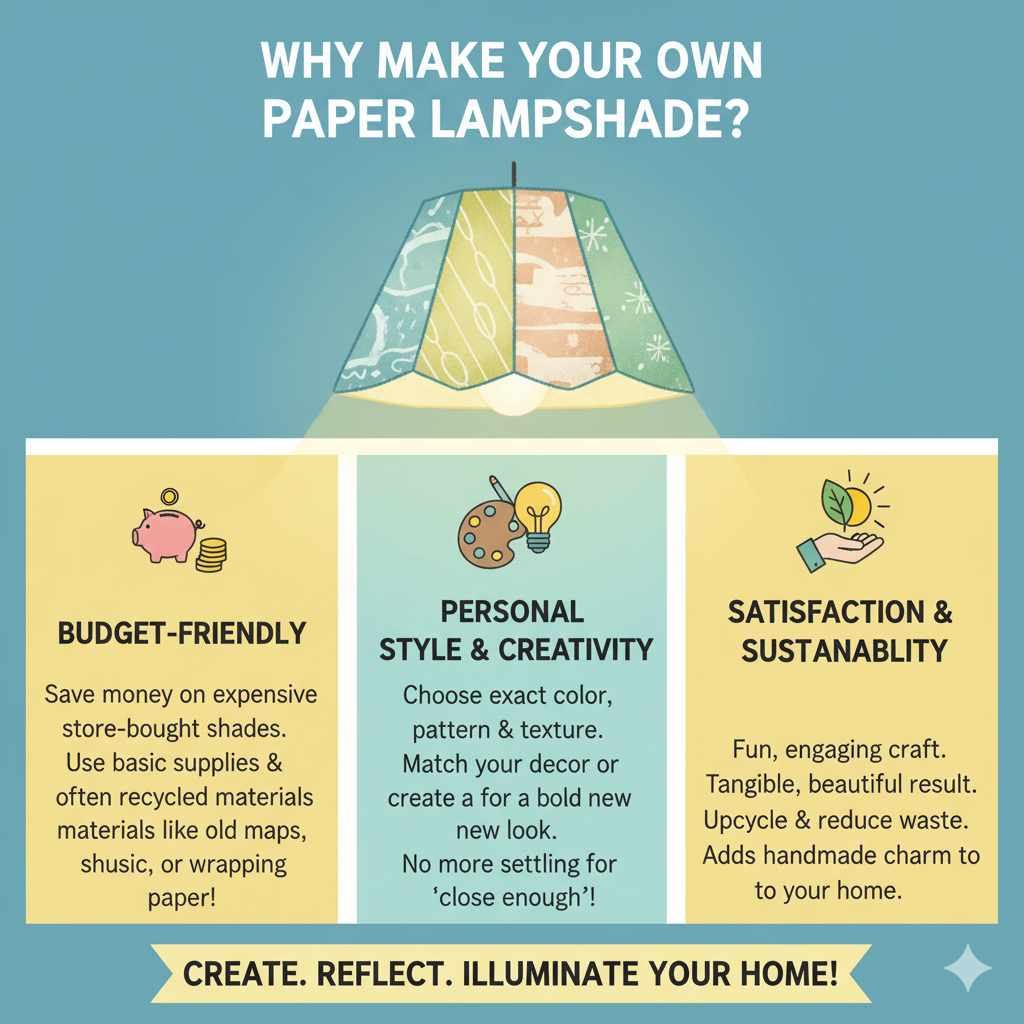
There are so many fantastic reasons to dive into making your own paper lampshade. For starters, it’s incredibly budget-friendly. Store-bought lampshades, especially unique or designer ones, can carry a hefty price tag. With a few basic supplies, you can create something just as stylish, if not more so, for a fraction of the cost. Beyond savings, it’s a brilliant way to express your personal style. You can choose the exact color, pattern, and texture of paper to perfectly match your existing decor or create a bold new look. Think about it: no more settling for “close enough”! You get exactly what you envision. Plus, it’s a fun, engaging craft that’s perfect for a relaxing afternoon. It’s a project that offers a tangible, beautiful result you can use every day, boosting your confidence and adding a handmade charm to your home.
The satisfaction of creating something beautiful and functional with your own hands is immense. It’s a chance to slow down, be creative, and produce a piece of decor that truly reflects you. This project is also fantastic for upcycling and sustainable living, as you can often use recycled paper or materials you already have around the house. Imagine transforming old maps, sheet music, or even beautiful wrapping paper into a stunning lampshade!
Materials You’ll Need
Gathering your supplies is the first exciting step! Don’t worry; you won’t need any specialized tools. Most of these items can be found at your local craft store, office supply store, or even around your home. Having everything ready before you start will make the process smooth and enjoyable.
Essential Supplies:
-
Paper: This is your star ingredient! You can use various types of paper, depending on the look you want. Consider:
- Cardstock: Sturdy and holds its shape well. Available in a huge range of colors and textures.
- Craft Paper/Parchment Paper: Offers a more diffused light.
- Decorative Papers: Scrapbook paper, wrapping paper, wallpaper samples, or even printed designs.
- Vellum: For a translucent, elegant glow.
- Lampshade Frame: You can repurpose an old lampshade frame (remove the old fabric carefully) or purchase a new one from a craft store. These usually come with a top and bottom ring and vertical supports.
-
Adhesive: Depending on your paper and desired finish, you might use:
- Craft glue (PVA glue): Good for most papers, but allow ample drying time.
- Spray adhesive: For even coverage on larger areas.
- Double-sided tape: Quick and clean, especially for edges.
- Hot glue gun: For quick, strong bonds, but be careful not to melt thinner papers.
- Scissors or Craft Knife: For precise cutting. A craft knife and cutting mat are ideal for cleaner edges.
- Ruler or Measuring Tape: For accurate measurements.
- Pencil: For marking your paper.
- Optional: Embellishments: Ribbons, lace, beads, fabric scraps, paint, stencils – whatever you wish to use to decorate your shade.
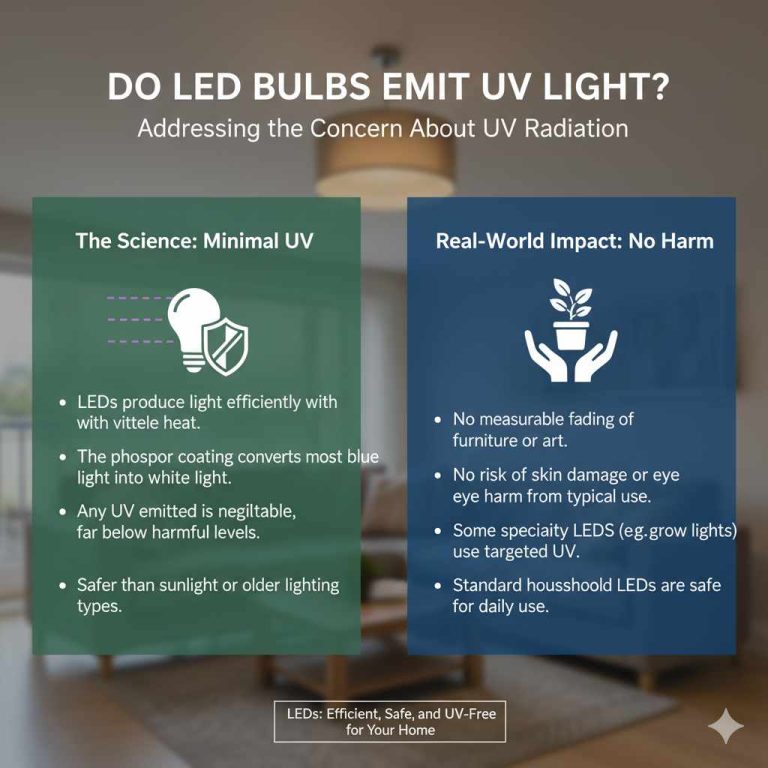
- Optional: Light Bulb: Use an LED bulb! Incandescent bulbs can get too hot and pose a fire risk with paper. LED bulbs stay cool and are energy-efficient. You can find great resources on safe lighting practices from organizations like the U.S. Fire Administration.
Choosing the Right Paper and Design
The paper you choose will significantly impact the final look and feel of your lampshade. Think about the light you want to cast and the style of your room.
Paper Properties and Light Diffusion:
- Opaque Papers (e.g., cardstock, thicker decorative paper): These will create a more defined pattern of light and shadow. The light will be directed more downwards and upwards, with less diffusion through the sides.
- Translucent Papers (e.g., vellum, parchment paper, thin craft paper): These papers allow more light to pass through, creating a softer, more ambient glow that fills the room evenly.
- Textured Papers: Adds visual interest even when the light is off. The texture can also play with the light, creating subtle shadows.
Design Considerations:
- Solid Colors: A classic choice that can match any decor.
- Patterns: Geometric, floral, abstract – the possibilities are endless with patterned papers. Ensure the pattern isn’t too busy for the size of your lampshade.
- Textural Contrast: Combine smooth paper with textured elements or even small fabric appliques.
- Layering: You could create a layered effect by attaching smaller cut-out shapes onto a base paper.
For your first lampshade, starting with a sturdy cardstock or a decorative scrapbook paper is a great idea. They are forgiving and easy to work with.
Step-by-Step Guide: How to Make a Paper Lampshade
Let’s get crafting! This method focuses on covering a pre-existing frame, which is the easiest way for beginners. We’ll assume you have a standard drum or empire lampshade frame.
Step 1: Prepare the Lampshade Frame
If you’re reusing an old lampshade frame, carefully remove the old fabric. You might need scissors or a seam ripper. Clean off any old glue or residue. Ensure the wire frame is clean, straight, and sturdy. If you’re using a new frame, it should be ready to go.
Step 2: Measure and Cut Your Paper
This is where precision matters. You need to cover the entire surface of the frame.
- Measure the Circumference: Wrap a flexible measuring tape around the widest part of your lampshade frame (if it’s a drum shape) or along the slanted edge (if it’s an empire shape). Add about 1 inch (2.5 cm) for overlap.
- Measure the Height: Measure the vertical distance between the top and bottom rings of the frame. Add about 0.5 inches (1.25 cm) to the top and bottom for trimming and attaching.
- Cut Your Paper: Lay your chosen paper flat. Using your ruler and pencil, mark out a rectangle with the dimensions you just calculated. Carefully cut out the rectangle using scissors or a craft knife. If your paper isn’t wide enough to go all the way around, you’ll need to cut multiple panels and join them.
Step 3: Attach the Paper to the Frame
There are a few ways to do this, depending on the shape of your frame and the type of paper. For a drum shade:
- Apply Adhesive: Lay your paper rectangle flat, good side down. Along one of the long edges, apply a strip of your chosen adhesive (spray adhesive or double-sided tape works well here).
- Attach to Frame: Carefully align the edge of the paper with the bottom ring of the lampshade frame and begin wrapping the paper around. Press firmly to secure the adhesive to the frame.
- Continue Wrapping: Continue to wrap the paper around the frame, applying adhesive as you go, ensuring it’s smooth and taut.
- Overlap and Secure: When you reach the starting edge, the paper should overlap by about 1 inch. Apply adhesive to this overlapping edge and press it down firmly to create a seamless join.
For empire or tapered shades, you might need to cut the paper into a trapezoid shape, or cut many thin strips and attach them individually. Covering the frame with many thin strips, overlapping them slightly, is a popular and beautiful technique often seen in DIY tutorials. This method provides excellent coverage and a unique look. You can find visual guides for this strip method by searching for “paper lampshade strip technique” which often showcase beautiful results.
Step 4: Secure the Top and Bottom Edges
Now, you need to neatly finish the top and bottom edges where the paper meets the rings.
- Trim Excess: If you added extra height to your paper, carefully trim it to about 0.5 inches (1.25 cm) above the top and bottom rings.
- Apply Adhesive: Apply adhesive to the inside of the top and bottom rings of the frame.
- Fold and Press: Gently fold the excess paper over the rings to the inside of the lampshade. Press firmly to ensure it sticks. You might need to make small cuts or pleats in the paper to help it lie flat around the curves of the rings.
- Alternative: Bias Tape/Ribbon: For a very neat finish, you can cover the raw edges with bias tape or ribbon. Apply glue to the raw edge of the paper, then carefully attach the bias tape or ribbon, folding it over the edge to cover it completely.
Step 5: Add Embellishments (Optional)
This is where you can really let your creativity shine!
- Decorate: Add ribbons, lace, cut-out shapes, paint, or stencils. Use fabric glue or hot glue for attaching heavier embellishments.
- Layering: Glue smaller pieces of paper or decorative elements onto the main lampshade surface.
- Fringe: Cut strips into the bottom edge of your paper before attaching it to create a fringe effect.
Step 6: Final Touches and Safety Check
Once everything is dry and secure, give your lampshade a gentle inspection. Make sure all edges are firmly attached and there are no loose pieces. Importantly, ensure you are using a cool-running LED bulb. Check the wattage recommendations for your lampshade frame or bulb socket to ensure you don’t overload it. Safety first is always the best approach when working with lamps and electricity.
Alternative Techniques: The Rolled or Pleated Lampshade
While covering a frame is a great starting point, there are other popular and beautiful ways to make paper lampshades that offer different aesthetics.
Rolled Lampshade
This technique involves creating a cylindrical shade by rolling a single sheet of paper or several joined sheets into a tube. The key is to have a clean, straight seam where the edges meet.
- Cut Paper: Cut a rectangle of paper that is the desired height of your shade and long enough to wrap around the circumference of where it will sit.
- Create a Seam: You can join the paper edges with a strong adhesive or by creating a neat folded seam.
- Attach to Clips: This type of shade often uses clip-on fittings that attach to standard light bulbs, or it might be designed to sit on a specific base with a fitting.
This method is excellent for creating a clean, minimalist look, especially with patterned or textured papers.
Pleated Lampshade
This is a more intricate but stunning technique. It involves folding paper into pleats before attaching it to the frame. You can buy pre-pleated fabric or paper, or create your own folds.
- Prepare Paper Strips: Cut long strips of paper.
- Create Pleats: Fold the paper strips at regular intervals to create sharp pleats. You can use a scoring tool and ruler for precision.
- Attach to Frame: Carefully glue or tape the pleated strips onto the lampshade frame, working from top to bottom or bottom to top, ensuring the pleats align evenly.
This method creates a sophisticated, textured look reminiscent of traditional fabric lampshades.
Safety First: Lighting and Fire Prevention
When working with paper, especially around heat and electricity, safety is paramount. Paper is flammable, so it’s crucial to take precautions to prevent any fire hazards.
Key Safety Guidelines:
- Use LED Bulbs: This is the single most important safety tip. LED bulbs produce very little heat compared to incandescent or halogen bulbs. They are cool to the touch and significantly reduce the risk of ignition. Always check that your bulb is LED.
- Check Wattage Limits: Even with LED bulbs, be mindful of the recommended wattage for your lamp base and socket. Overloading can still be a hazard.
- Maintain Clearance: Ensure the paper lampshade is not too close to the bulb. There should be at least a few inches of space between the bulb and any paper surface. If your lampshade frame is very close to the bulb, consider using a shade extender or a different type of bulb.
- Never Leave Unattended: As with any lamp, never leave a paper lampshade unattended for extended periods, especially when it’s on.
- Avoid Open Flames: Never place a paper lampshade near open flames, such as candles or fireplaces.
- Regular Inspection: Periodically check your lampshade for any signs of scorching, discoloration, or damage, especially around the area closest to the bulb. If you notice any issues, stop using the lampshade immediately.
Adhering to these safety guidelines will help you enjoy your beautiful, handmade paper lampshade with peace of mind. For more detailed information on electrical safety in the home, resources like the Electrical Safety Foundation International (ESFI) offer valuable guidance.
Troubleshooting Common Issues
Even with the best intentions, sometimes things don’t go exactly as planned. Here are a few common hiccups and how to fix them:
Issue: Paper is Wrinkling or Bubbling
Cause: Too much adhesive, uneven application, or paper not being stretched taut.
Solution:
- If the adhesive is still wet, try to gently smooth out the wrinkles with a clean cloth or a credit card.
- If using spray adhesive, ensure you’re applying it in thin, even coats from the recommended distance.
- For future attempts, practice applying adhesive on scrap paper.
Issue: Seams are Not Lined Up
Cause: Paper shifted during wrapping, or measurements were slightly off.
Solution:
- If the adhesive is still workable, gently peel back and re-align the seam.
- For a cleaner look, you can strategically place a decorative ribbon or trim over the seam to hide any imperfections.
Issue: Paper is Tearing
Cause: Paper is too thin, or too much force is being applied during wrapping or folding.
Solution:
- Use a stronger, thicker paper for your next project.
- Be extra gentle when folding edges or working around the frame.
- If a small tear occurs, you can often repair it from the inside with a piece of clear tape or a small patch of matching paper.
Issue: Lampshade is Wobbly
Cause: Frame is bent, or paper isn’t attached securely to all points of the frame.
Solution:
- Gently try to straighten any bent parts of the frame.
- Go back and reinforce the adhesive points, especially where the paper meets the top and bottom rings.
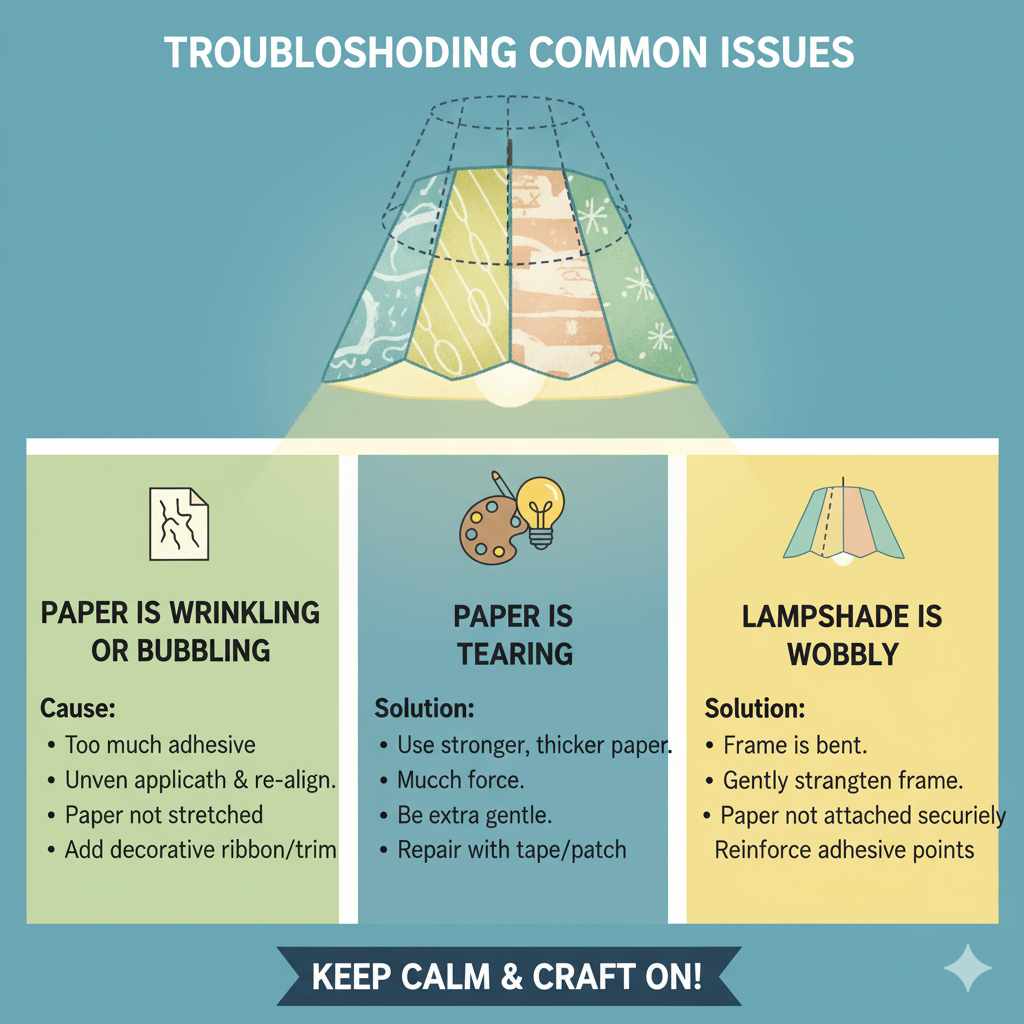
Table: Paper Types and Their Properties
Choosing the right paper is key to achieving the desired effect. Here’s a quick comparison of popular choices:
| Paper Type | Thickness | Light Diffusion | Durability | Best For |
|---|---|---|---|---|
| Cardstock | Medium to Heavy | Low (casts shadows) | High | Bold designs, geometric patterns, structured shades. |
| Vellum | Light | High (soft glow) | Medium | Elegant, modern shades, diffused lighting. |
| Parchment Paper | Light | High (warm glow) | Medium | Rustic or bohemian styles, soft ambient light. |
| Scrapbook Paper | Medium | Varies (depends on print) | Medium to High | Decorative, patterned, and colorful lampshades. |
| Wallpaper Samples | Medium to Heavy | Low to Medium | High | Unique patterns, durable shades, coordinating with room decor. |
Frequently Asked Questions (FAQ)
Here are answers to some common questions beginner crafters have about making paper lampshades:
Q1: Can I use any kind of paper for a lampshade?
While you can use many types of paper, it’s crucial to select paper that is not overly flammable and to always use a cool-running LED bulb. Avoid very thin tissue papers that could easily scorch or catch fire, even with an LED bulb. Cardstock, decorative papers, vellum, and even some types of thin plastic sheets are good options.
Q2: How do I make sure the paper doesn’t catch fire?
The most critical step is to use only LED bulbs. These bulbs produce minimal heat. Also, ensure there’s adequate space between the bulb and the paper, and never leave a lamp on unattended for long periods. Regularly inspect the shade for any signs of heat damage.
Q3: My paper is wrinkling. How can I fix it?
Wrinkles usually happen due to uneven adhesive application or stretching the paper too tightly. If the adhesive is still wet, try gently smoothing it out with a soft cloth or a credit card. For future projects, apply adhesive evenly and avoid pulling the paper too tautly. A slightly looser application can sometimes prevent wrinkles.
Q4: Can I make a paper lampshade without a frame?
Yes, you can! One popular method is to create a lampshade entirely from folded paper or by joining multiple pieces of paper to form a freestanding shape, often using internal supports or a specific type of base. Another way is to create a rolled shade that attaches directly to the bulb socket with clips.
Q5: How do I clean a paper lampshade?
Paper lampshades are delicate. The best way to clean them is with a soft brush or a feather duster to remove dust. Avoid using water or cleaning solutions, as they can damage the paper. For stubborn spots, you might carefully use a slightly damp cloth, but test it on an inconspicuous area first and be very gentle.
Q6: What’s the best adhesive for attaching paper to a lampshade frame?
For most paper types and frames, a good craft glue (like PVA) or a strong double-sided tape works well. Spray adhesive offers even coverage for large areas, but be sure to use it in a well-ventilated space. Hot glue can be used for quick, strong bonds, but be cautious not to melt thinner papers.
Conclusion
You’ve now got the knowledge and the confidence to embark on your own paper lampshade creation! We’ve covered everything from selecting the perfect paper and frame to detailed, step-by-step instructions for assembly. Remember, the goal is to have fun and create something that brings you joy and light. Don’t be afraid to experiment with different papers, colors, and embellishments. Your handmade lampshade will not only illuminate your space but also add a personal, artistic touch that store-bought items just can’t replicate. So gather your supplies, put on some music, and enjoy the rewarding process of crafting a beautiful, unique paper lampshade for your home. Happy crafting!