How to Make a Pendant Lamp: DIY Guide to Illuminate Your Space
Imagine transforming a simple room into a stylish haven with just one piece of decor—a pendant lamp. This unique lighting can add a touch of elegance, create ambiance, and even become a conversation starter.
Have you ever thought about crafting your own pendant lamp? Not only can it showcase your creativity, but it also offers a sense of accomplishment when you see it hanging beautifully in your space. In this guide, you’ll discover step-by-step instructions to make a pendant lamp, using materials that might already be in your home.
Whether you’re a DIY enthusiast or a beginner, you’ll find that making your own lamp is easier than you think. Plus, it’s a fantastic way to personalize your living area. Are you ready to light up your room with a touch of your personality? Let’s dive into the exciting world of pendant lamp creation!
Credit: www.instructables.com
Materials And Tools
To create a pendant lamp, gather basic materials. You need a light bulb, a lamp holder, and wires. A plug is also essential. Ensure the wires are safe and insulated. Choose a shade that fits your style. It can be glass or metal. A hook to hang the lamp is necessary. Have these ready to start your project.
Some tools make the process easier. A screwdriver is important to tighten screws. Use pliers to cut and strip wires. Wire connectors keep connections secure. A drill is useful for making holes. Make sure to have a measuring tape. This will help with accurate measurements. Safety glasses protect your eyes. Keep these tools handy for a smooth project.

Credit: www.rowabi.com
Design Inspiration
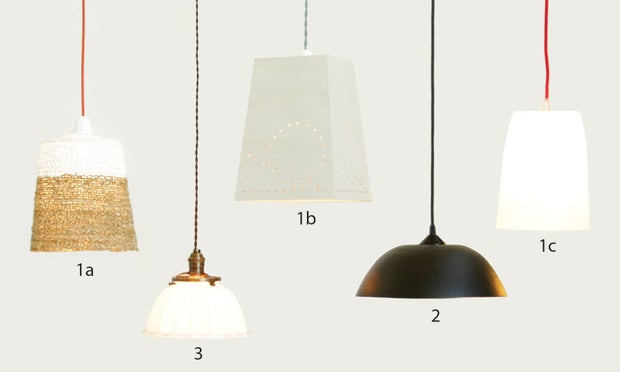
Pendant lamps come in many styles. Modern designs use clean lines and simple shapes. Rustic styles often have a cozy feel with wood or metal. Vintage lamps may feature intricate details and bold colors. Industrial designs use raw materials like steel and concrete. Each style creates a unique mood. Think about the room’s theme. Choose a style that matches or contrasts it.
The lamp’s size matters. Big lamps suit large spaces. Small lamps fit snug areas. Consider the light’s purpose. Bright lamps are good for workspaces. Soft lights create a calm environment. Materials like glass, metal, and fabric affect the look. Pick what fits the room best. Color also plays a role. Bright colors can pop. Neutral tones blend in. Select a design that feels right for you.
Preparing Your Workspace
Keep your workspace clean and tidy. Avoid clutter that can cause accidents. Wear safety goggles and gloves. Protect your eyes and hands from sharp tools. Have a first-aid kit nearby. It helps in emergencies. Make sure the area is well-lit. Good lighting prevents mistakes.
Gather all necessary tools before starting. Keep tools within reach. Use a toolbox or tray for organizing. Arrange them by type. Screwdrivers with screwdrivers, pliers with pliers. Have a checklist of tools needed. Double-check before starting your project. Label your tools if possible. It helps in finding them quickly.
Creating The Lamp Shade
Choose materials that are light and strong. Paper, fabric, or thin wood are good choices. Paper is easy to shape and decorate. Fabric can add color and texture. Thin wood gives a natural look. Each material has its own charm. Pick what you like best.
Use wire or bamboo to make the frame. Wire is flexible and easy to bend. Bamboo is strong and lightweight. Cut pieces to size. Connect them to form a shape. Ensure the frame is sturdy. It must hold the shade without bending. Check the connections. They should be tight and secure.
Wiring The Lamp
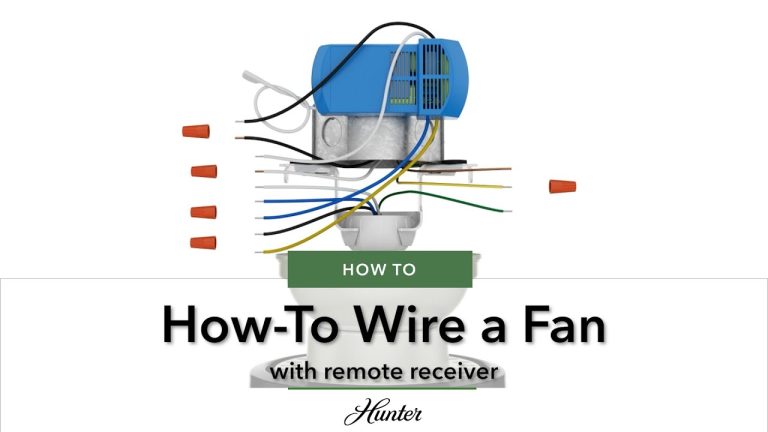
Wires connect parts of the lamp. Each wire has a purpose. The black wire is the hot wire. It carries electricity. The white wire is the neutral wire. It completes the circuit. The green or bare wire is the ground wire. It protects against shocks.
Use wire cutters to trim wires. Strip the ends of each wire. This exposes the copper. Twist wires together to join them. Use wire nuts to secure them. Ensure connections are tight. Loose connections cause problems. Always double-check your work.
Attach the black wire to the lamp socket. Connect the white wire to the other terminal. Fasten the ground wire to the lamp base. Follow these steps carefully. Safety is very important. Test the lamp after wiring. Ensure all connections are secure.
Assembling The Lamp
First, gather all your tools. Find the lamp shade and holder. Place the shade on the holder carefully. Make sure it fits snugly. Tighten the screws to secure the shade. Check if the shade is stable.
Locate the fixture’s base. Attach the base to the ceiling. Use a drill for this step. Ensure it is tight and does not wobble. Connect the wires from the fixture. Match the colors of the wires correctly. Wrap the wires safely with tape.
Installing The Pendant Lamp
Choosing the Right Locationis important for your pendant lamp. It should hang where it gives enough light. Think about places like the dining table or kitchen island. Ensure the lamp is not too low or too high. It should be easy to reach but not in the way. This helps in lighting the area well.
Mounting the Lampis the next step. First, turn off the electricity. Use a ladder to reach the ceiling. Hold the lamp carefully. Attach it using the hooks or screws. Make sure it is tight and secure. Check if the lamp hangs straight. Adjust if needed. Turn the electricity back on. Enjoy your new light!
Finishing Touches
Crafting a pendant lamp involves attention to detail. Focus on symmetry and balance for a harmonious look. Ensure connections are secure for safety and durability.
Adding Decorative Elements
Choose decorations that match your room style. Consider beads, ribbons, or small charms. Attach them to the lamp for a unique look. Make sure they are not too heavy. Light elements work best. Try different colors and shapes. This will make your lamp stand out.
Testing The Lamp
Plug in the lamp to see its glow. Check if it lights up properly. Ensure the bulb is secure. Notice if the light is too bright or dim. Adjust the bulb if needed. Safety is important. Look for any loose parts. Fix them before using the lamp. Enjoy your new pendant lamp!
Troubleshooting Common Issues
Creating a pendant lamp can sometimes lead to problems. Loose connections or incorrect wiring often cause flickering. Ensure all parts fit securely to avoid imbalance. Check instructions carefully to prevent assembly errors.
Dealing With Wiring Problems
Check if wires are connected well. Loose wires can cause issues. Make sure each wire is tight. Use a screwdriver if needed. Safety is important. Turn off the power first. Look for broken wires. Replace any damaged wires. Use new ones for safety. Test the lamp after fixing. It should work well now.
Fixing Installation Errors
Check if all parts are in the right place. Missing parts can cause issues. Look at the lamp carefully. Find any parts that are loose. Tighten them if needed. Follow instructions closely. Make sure every step is correct. Ask for help if confused. Someone can guide you. Testing the lamp is important. It should be safe and bright.
Maintenance Tips
Creating a pendant lamp involves selecting the right materials and ensuring proper assembly. Regular dusting keeps it clean and bright. Check electrical connections periodically for safety.
Cleaning Your Lamp
Dust gathers on pendant lamps over time. Wipe the lamp with a soft cloth. Use a gentle cleaner if needed. Avoid harsh chemicals. They can harm the lamp’s surface. Clean the lampshade gently. Remove dirt and fingerprints with care. Check the bulb’s condition regularly. Replace it if it’s dim or flickering.
Ensuring Longevity
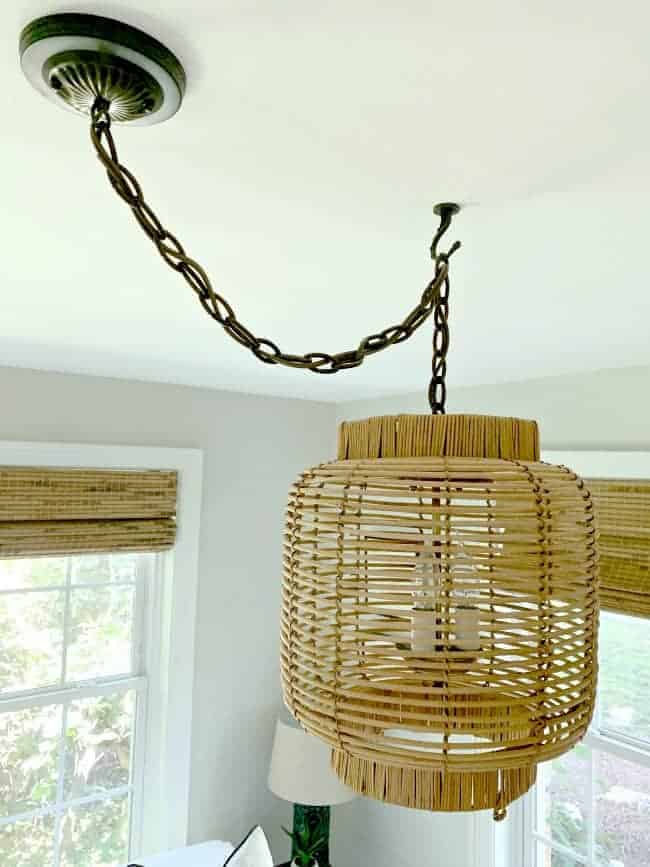
Ensure the lamp’s wiring stays safe. Check for frayed wires often. Tighten loose screws and parts. This keeps the lamp sturdy. Keep the lamp away from moisture. Water can damage electrical parts. Ensure the lamp hangs securely. It prevents falls and accidents. Inspect the lamp’s hanging chain. Replace if it shows signs of wear.
Credit: www.chatfieldcourt.com
Frequently Asked Questions
What Tools Are Needed To Make A Pendant Lamp?
To make a pendant lamp, you’ll need a drill, wire cutters, a screwdriver, and a lampshade. Additionally, gather materials like a light socket, electrical cord, and a ceiling mount kit. These tools and materials will help you safely and effectively assemble your pendant lamp.
How Do I Choose The Right Lampshade?
Choose a lampshade based on the room’s style and size. Consider materials like fabric, glass, or metal. Ensure the shade complements your decor and provides the desired lighting effect. The right shade enhances both aesthetics and functionality of your pendant lamp.
Can I Use Led Bulbs In Pendant Lamps?
Yes, LED bulbs are ideal for pendant lamps. They are energy-efficient and long-lasting. Additionally, LEDs emit less heat, making them safer for enclosed fixtures. Choose the right brightness and color temperature for your space to achieve the desired ambiance.
How To Safely Install A Pendant Lamp?
First, turn off the power supply at the circuit breaker. Use a voltage tester to ensure safety. Follow the manufacturer’s instructions for wiring and mounting. Securely fasten the lamp to the ceiling. If unsure, consult a professional electrician to prevent accidents.
Conclusion
Creating your own pendant lamp is truly rewarding. It adds personal flair to any room. With simple tools and materials, anyone can do it. Just follow each step carefully. Safety first, always unplug before working. Experiment with styles and colors.
Let your creativity shine through. A handmade lamp brings warmth and uniqueness. It’s a conversation starter for guests. Your space will feel more inviting. Plus, you save money by DIY. Enjoy the ambiance your new lamp creates. Happy crafting!