How to Make Your Bathtub Less Slippery
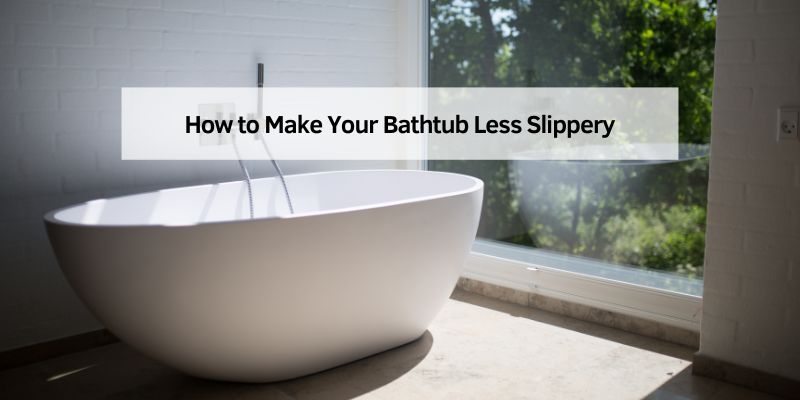
Hey there! If you’ve ever felt like your bathtub is more like an ice rink than a place to relax, you’re not alone. Slippery bathtubs can be a real hazard, especially for kids, seniors, or anyone who just wants a safe soak. I’ve tackled this issue in my own home, and I’m excited to share practical, easy-to-follow tips to make your bathtub less slippery. Let’s dive into solutions that work, from quick fixes to long-term upgrades, so you can enjoy your bath worry-free.
Why Bathtubs Get So Slippery
Let’s start with why your bathtub feels like a slip-and-slide. Most bathtubs are made of smooth materials like porcelain, fiberglass, or acrylic. These surfaces look sleek, but when they get wet, they’re dangerously slick. Add soap, shampoo, or body oils, and you’ve got a recipe for a fall. I learned this the hard way when I nearly slipped getting out of the tub one evening. The good news? Understanding the cause helps us find the right solutions. Factors like water, soap residue, and even hard water buildup can make things worse. Knowing this, we can focus on practical ways to boost traction and keep safety first.
Choosing the Right Non-Slip Solution
There are tons of ways to make your bathtub less slippery, and I’ve tried a bunch of them. The best solution depends on your budget, style, and how permanent you want the fix to be. Some options are super affordable, like bath mats, while others, like professional resurfacing, cost more but last longer. I’ll walk you through the most effective methods I’ve explored, so you can pick what works for you. Whether you’re a renter or a homeowner, there’s something here for everyone.
Non-Slip Bath Mats: A Quick and Affordable Fix
One of the easiest ways to add grip is with a non-slip bath mat. I tossed one into my tub years ago, and it was a game-changer. These mats have suction cups that stick to the tub’s surface, creating a textured area to stand on. They come in all sorts of colors and sizes, so you can match your bathroom’s vibe.
When I shopped for mine, I looked for mats with strong suction and a textured surface. Some even have anti-microbial coatings to prevent mold—super handy if your bathroom stays humid. Just make sure to clean and dry the mat regularly to keep it from getting slimy. A good mat costs between $10 and $30 and can last for years if you take care of it.
Adhesive Non-Slip Strips and Treads
If you want something more permanent than a mat, non-slip strips or treads are a great option. These are sticky, textured strips you apply directly to the tub’s floor. I tried these in my guest bathroom, and they’ve held up well. They’re easy to install—just peel and stick—and they add grip right where you need it, like near the drain or where you step in.
I found that clear strips blend in better, but you can get colored ones for a fun look. Make sure the tub is clean and dry before applying them, or they won’t stick properly. A pack of treads usually costs $5 to $20, making this a budget-friendly choice. The only downside? They can wear out over time, so you might need to replace them every couple of years.
Anti-Slip Sprays and Coatings
For a more seamless look, anti-slip sprays or coatings are worth considering. These products add a textured layer to your tub’s surface without changing its appearance much. I tested a DIY anti-slip spray in my old apartment, and it worked surprisingly well. You just clean the tub, apply the spray, and let it dry. Some sprays need multiple coats for the best grip, so follow the instructions carefully.
Professional coatings, like epoxy-based ones, are even more durable but cost more—think $100 to $300 if you hire someone. I’d recommend this for older tubs that need a refresh anyway. Just note that sprays and coatings can wear off over time, especially with heavy use, so reapplication might be needed every year or two.
Textured Tub Resurfacing
If you’re ready for a bigger project, tub resurfacing can make your bathtub safer and give it a fresh look. I had my main bathroom’s tub resurfaced last year, and it’s been fantastic. A professional applies a textured coating that adds grip and can even cover up stains or scratches. It’s pricier—anywhere from $300 to $800—but it’s a long-term fix that can last a decade with proper care.
If you’re handy, you can try a DIY resurfacing kit, but I’d suggest leaving it to the pros for the best results. This option is great if you own your home and want a permanent, polished solution.
Installing Grab Bars for Extra Safety
While grab bars don’t make the tub’s surface less slippery, they’re a lifesaver for preventing falls. I installed one in my parents’ bathroom, and it gave them so much confidence getting in and out. You can find sturdy grab bars for $20 to $50, and they’re easy to install with a drill and some screws. Just make sure they’re anchored into wall studs for maximum strength.
I like grab bars with a textured grip—they feel secure even with wet hands. If you’re worried about aesthetics, there are sleek, modern designs that blend into your bathroom. This is a must for households with kids or elderly folks.
Comparing Non-Slip Solutions
To help you decide, here’s a quick comparison of the options I’ve tried. This table breaks down cost, durability, and ease of installation so you can see what fits your needs.
| Solution | Cost | Durability | Ease of Installation | Best For |
|---|---|---|---|---|
| Non-Slip Bath Mat | $10–$30 | 1–3 years | Very easy | Renters, quick fixes |
| Adhesive Strips/Treads | $5–$20 | 1–2 years | Easy | Budget-conscious, semi-permanent |
| Anti-Slip Spray/Coating | $20–$300 | 1–5 years | Moderate | DIY enthusiasts, seamless look |
| Tub Resurfacing | $300–$800 | 5–10 years | Professional recommended | Homeowners, long-term solution |
| Grab Bars | $20–$50 | 10+ years | Moderate | Extra safety, all households |
Cleaning Tips to Maintain Traction
No matter which solution you choose, keeping your bathtub clean is key to maintaining grip. Soap scum, hard water stains, and oils can make even a textured surface slippery. I learned this after noticing my bath mat wasn’t as grippy after a few weeks. Here’s what I do to keep my tub safe:
- Clean regularly: Use a mild cleaner like vinegar and water or a non-abrasive bathroom cleaner. I scrub my tub weekly to prevent buildup.
- Rinse thoroughly: Soap residue is a sneaky culprit. Rinse the tub well after every bath or shower.
- Dry the surface: Wipe down the tub after use to reduce water spots and mold. I keep a squeegee handy for this.
- Check mats and treads: If you use a mat or strips, clean under them to prevent mold or peeling. I lift my mat every few weeks to scrub underneath.
A clean tub not only stays safer but also looks better. Plus, it makes your non-slip solutions last longer.
Preventing Slips Beyond the Tub
Making your bathtub less slippery is a great start, but I’ve found that a few extra steps can make your whole bathroom safer. Here are some tricks I’ve picked up:
- Use a bath rug: Place a non-slip rug outside the tub to catch drips. I got one with a rubber backing, and it’s saved me from slipping on wet tiles.
- Improve lighting: Good lighting helps you see where you’re stepping. I swapped out my dim bulb for a brighter LED one, and it made a big difference.
- Keep the floor dry: Mop up spills right away. I keep a towel near the tub for quick cleanups.
- Wear non-slip shoes: If you’re helping kids or elderly family members bathe, wear non-slip water shoes. I got a pair for $15, and they’re super practical.
These little changes add up, creating a safer space for everyone in your home.
Why Safety Matters in the Bathroom
I can’t stress enough how important it is to prevent falls in the bathroom. After my close call in the tub, I did some research and was shocked to learn that bathroom falls are a leading cause of injuries, especially for seniors. The CDC says over 200,000 people in the USA visit the ER each year due to bathroom-related falls. Kids are at risk too, especially when they’re splashing around. That’s why I’m so passionate about making bathtubs safer—it’s not just about comfort; it’s about keeping your family safe.
Choosing Products That Last
When I started tackling my slippery tub, I wasted money on cheap products that didn’t last. Here’s what I’ve learned about picking quality non-slip products:
- Read reviews: Check what other users say about durability and grip. I found my favorite bath mat through online reviews.
- Check materials: Look for mats or treads made of rubber or vinyl for better grip and longevity.
- Avoid bargains that seem too good: A $3 mat might sound great, but it’ll likely peel or mold quickly. Spend a little more for quality.
- Test before committing: If you’re unsure, buy one mat or a small pack of treads to try before covering the whole tub.
Investing in good products saves you time and hassle in the long run.
Making It Work for Your Lifestyle
Every home is different, and so are our needs. If you’ve got young kids, like I do, you might want a colorful bath mat that’s easy to clean. If you’re caring for an elderly parent, grab bars and treads are a smart combo. Renters might stick to removable options like mats, while homeowners might go for resurfacing. I’ve tried mixing and matching solutions—like a mat plus a grab bar—and it’s worked well for my family. Think about who uses your bathroom and what makes sense for them.
My Personal Favorite Solution
If I had to pick one method, I’d go with a non-slip bath mat paired with a grab bar. This combo is affordable, easy to install, and super effective. My mat gives me traction where I stand, and the grab bar helps me step out safely. It’s been a year since I set this up, and I haven’t had a single scare. Plus, it doesn’t mess with the look of my bathroom, which is a big win for me.
Conclusion
Making your bathtub less slippery doesn’t have to be a big project or break the bank. From non-slip mats to grab bars, there are solutions for every budget and lifestyle. I’ve tried these fixes myself, and I can tell you they make a huge difference. Not only do they keep you and your family safe, but they also let you enjoy your bath or shower without worrying about a fall. Pick the method that feels right for you, keep your tub clean, and add a few extra safety touches to your bathroom. You’ll wonder why you didn’t do it sooner. So go ahead, take the first step, and make your bathtub a safer place today!
FAQs
How often should I replace my non-slip bath mat?
You should replace your bath mat every 1–3 years, depending on its condition. I check mine every few months for mold or wear. If it’s peeling or losing suction, it’s time for a new one. Regular cleaning can help it last longer.
Can I use non-slip strips on a textured bathtub?
Yes, non-slip strips can work on textured tubs, but they stick better to smooth surfaces. I had to press mine down firmly to get a good seal. Clean the tub well first to make sure they adhere properly.
Are anti-slip sprays safe for all bathtub types?
Most anti-slip sprays are safe for porcelain, fiberglass, and acrylic tubs, but check the product label. I used one on my acrylic tub with no issues. Avoid using them on tubs with existing coatings unless the manufacturer says it’s okay.
How do I install a grab bar safely?
To install a grab bar, find the wall studs and use a drill to secure it with heavy-duty screws. I made sure mine was anchored properly to hold weight. If you’re not handy, hire a professional to avoid damaging your walls.
Can kids use a bathtub with non-slip treads?
Absolutely! Non-slip treads are great for kids because they add grip without being too rough. I put some in my kids’ tub, and they’re still comfortable for their sensitive feet. Just make sure the treads are securely applied.