How to Make Solar Lights: Illuminate Your Outdoors
Imagine transforming your garden or patio into a glowing oasis without spending a fortune or increasing your electricity bill. Sounds appealing, right?
Solar lights are not only eco-friendly but also a cost-effective way to illuminate your outdoor spaces. But what if you could make these lights yourself? Yes, you can, and it’s simpler than you might think. This guide will show you how to make solar lights step-by-step, using materials you probably already have at home.
By the end of this article, you’ll have the know-how to create stunning, customized lighting that’s both sustainable and unique to your style. Ready to light up your world? Let’s get started!

Credit: www.youtube.com
Benefits Of Solar Lights
Solar lights are good for the environment. They use the sun’s energy. This means they do not need electricity. Solar energy is free. Solar lights save money on electricity bills. They are easy to set up. No need to connect wires. This makes them safe. Especially around children.
Solar lights work anywhere. They can be used in parks and gardens. Even in remote areas. They are good during power cuts. They give light when it’s dark. Solar lights are long-lasting. Many last for years. They help reduce pollution. They do not release harmful gases. Using them is a smart choice for our planet.
Types Of Solar Lights
Pathway lights are small and bright. They help light up garden paths. These lights are easy to install. Just push them into the ground. They charge by day and shine at night. Pathway lights make your garden look beautiful. They are perfect for marking walkways.
String lights are fun and colorful. They are like tiny stars in your garden. You can hang them on trees or fences. They create a warm glow at night. These lights are good for parties and events. String lights are both pretty and useful.
Flood lights are very bright. They help light up large areas. Use them for security at home. They turn on when they sense motion. These lights are great for driveways or backyards. Flood lights keep your home safe and secure.
Materials Needed
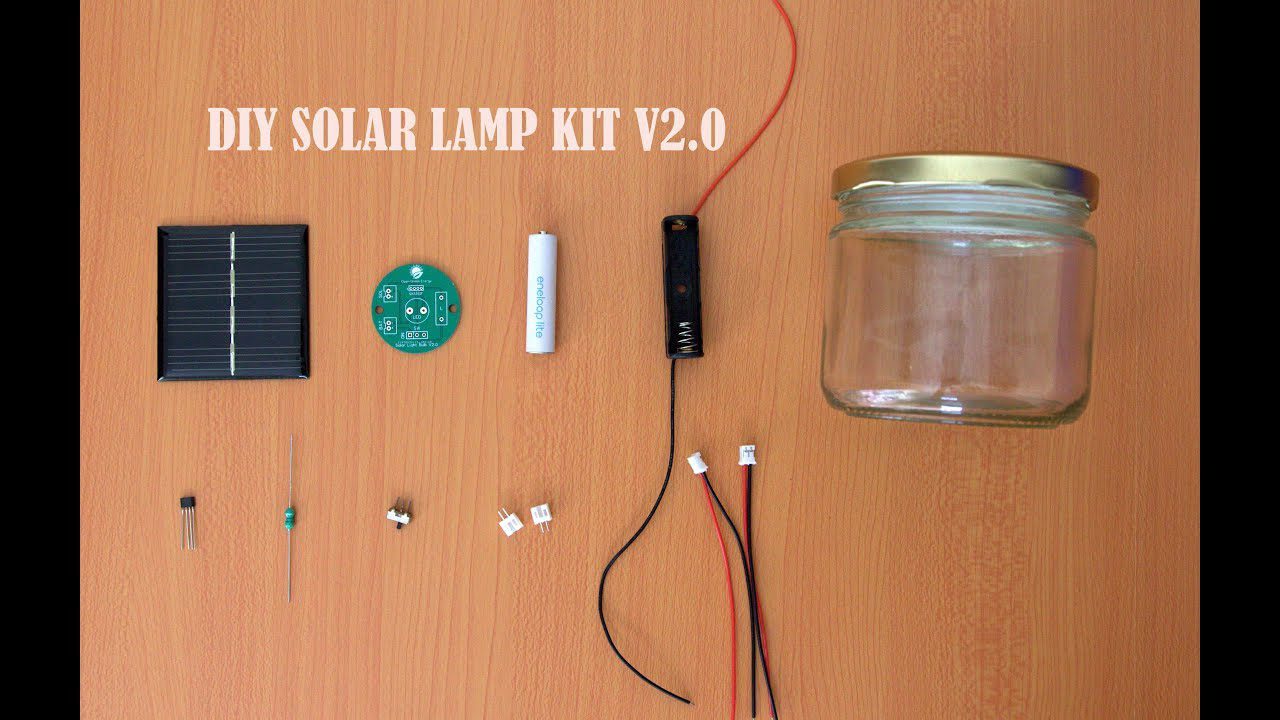
Solar lights need simple materials. Solar panels are the first thing you need. They catch sunlight and turn it into power. Rechargeable batteries are next. They store the power from the sun. LED lights are important too. They use less power and shine bright. You also need wires. These connect everything together. Plastic or glass covers protect the lights. Glue or tape holds things in place. Make sure you have a screwdriver for fixing parts. Safety is key, so wear gloves. All these parts help make solar lights work well.
Step-by-step Assembly
Start with the solar panel. Place it under direct sunlight. Check its angle; it should face the sun. Use a screwdriver to attach it to the base. Ensure it’s firmly secured. Avoid shading the panel. Shaded panels don’t work well. Connect the wires to the correct terminals. Use a diagram if needed. This will help avoid confusion.
Select a rechargeable battery. It should be compatible with the panel. Open the battery compartment. Place the battery inside. Align the positive and negative ends correctly. Close the compartment tightly. Check for any loose connections. Loose connections can cause problems. Make sure everything fits snugly.
Choose your light fixture. It should be lightweight. Attach it to the main unit. Use screws or clips if needed. Connect the wires to the fixture. Ensure they are connected securely. Test the lights to ensure they work. If not, check the connections. Adjust the fixture for better lighting.
Placement Tips
Solar lights need direct sunlight. Place them where sunlight hits all day. Avoid shady spots. Trees and buildings can block sunlight. Choose open areas. Position solar panels to face the sun. This ensures maximum energy collection. Morning sun is very important. It gives a strong start for energy storage.
Obstructions reduce sunlight exposure. They stop solar lights from charging well. Keep away from tall objects. Don’t put lights near walls or fences. Clear any debris around the lights. Regularly check for new obstructions. Trim bushes and branches that grow too tall. Clean the solar panels often. Dust can block sunlight.
Maintenance And Care
Solar panels need to be clean to work well. Dirt and dust block sunlight. Wipe panels gently with a damp cloth. Use mild soap if needed. Avoid harsh chemicals. Check panels often for dirt. Clean panels in the morning or evening. Sun can make soap dry fast. Keep panels clear for better energy.
Batteries wear out over time. Weak batteries store less energy. Replace batteries every few years. Use same type for best results. Check battery connections. Loose wires cause problems. Handle batteries with care. Avoid dropping them. Store spare batteries properly. Keep them cool and dry. Good batteries mean bright lights.
Troubleshooting Common Issues
Dim solar lights can be annoying. Start by checking the solar panel. Clean it with a soft cloth. Dust and dirt can block sunlight. Make sure nothing is shading the panel. Even small shadows can dim the light. Check the battery too. It might need replacing. Old or weak batteries don’t hold charge well. Test with a new battery to see if that helps.
Non-working lights can be frustrating. First, inspect the on/off switch. It might be in the wrong position. If it’s off, the light won’t work. Next, examine the connections. Loose wires can stop power flow. Secure any loose parts. Finally, test the batteries. If they’re dead, replace them. Sometimes, simply resetting the unit can solve the problem.
Credit: dornob.com
Enhancing Aesthetic Appeal
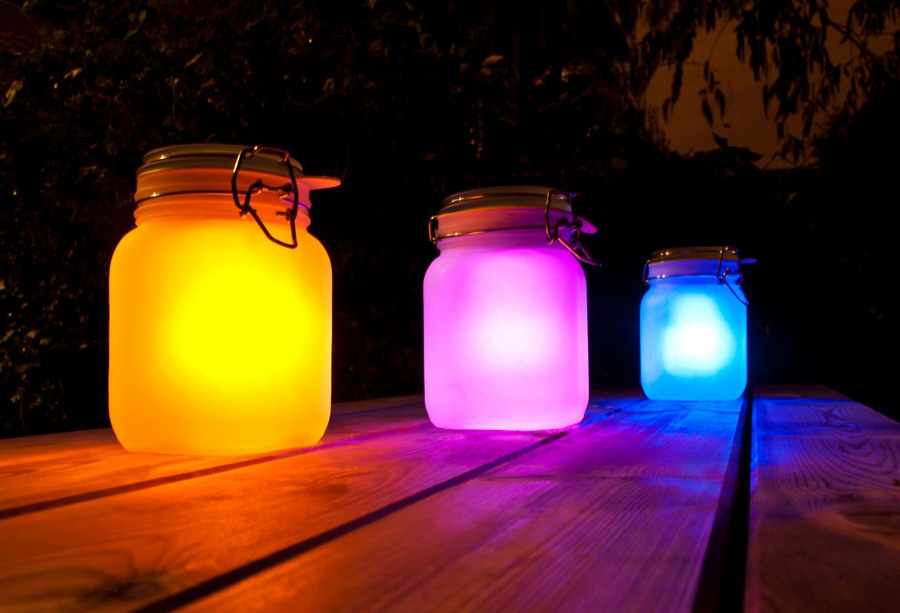
Solar lights come in many color options. Choose colors that match your garden. Bright colors make spaces lively. Soft colors create a calm feeling. Some lights change color. They give a magical touch. Mix and match colors. Find the perfect look for your space.
Designs vary from simple to fancy. Some lights are round. Others are square. There are lights shaped like stars. Some look like flowers. Unique designsadd charm to gardens. Pick designs that fit your style. Try different shapes for fun. Each design can bring a new look.

Credit: jmhpower.com
Frequently Asked Questions
What Materials Are Needed For Solar Lights?
To make solar lights, you’ll need solar panels, rechargeable batteries, LED lights, wiring, and a container. The container can be any weatherproof housing. These materials help harness solar energy during the day and power the lights at night, providing an eco-friendly lighting solution.
How Do Solar Lights Work At Night?
Solar lights work by storing energy from the sun in rechargeable batteries during the day. At night, the stored energy powers LED lights, providing illumination. A sensor detects darkness, automatically turning on the lights. This cycle repeats daily, offering a sustainable lighting solution.
Can I Make Solar Lights Waterproof?
Yes, you can make solar lights waterproof by using weatherproof materials and sealing all components. Ensure all connections are secure, and use silicone sealant around potential water entry points. This protects the solar light components from moisture, ensuring durability and functionality.
How Long Do Homemade Solar Lights Last?
Homemade solar lights can last several years with proper care. Regularly clean solar panels and replace rechargeable batteries as needed. Weatherproofing and using quality materials also extend their lifespan. With maintenance, they provide efficient, long-lasting illumination.
Conclusion
Creating solar lights at home is both fun and practical. The process is simple with the right materials. You can enjoy eco-friendly lighting and lower electricity bills. Plus, homemade solar lights add charm to any space. Remember to position them where sunlight is ample.
Regular maintenance ensures they last longer. Share your creations with friends and inspire others. Experiment with designs to fit your style. Solar lights bring sustainable beauty to your home. Start your project today and bask in the glow of your success.
Enjoy the benefits of your DIY solar lights!