How to Oil Door Hinges: A Complete Guide to Silencing Squeaky Doors
Hey there! If you’ve ever been startled by a squeaky door in the middle of the night or annoyed by that creaky sound every time you open your car door, you’re in the right place. I’ve been there, too, and I know how frustrating it can be. A squeaky door hinge can turn a simple task into an irritating ordeal, whether it’s in your home or your vehicle. That’s why I’m excited to share this comprehensive guide on how to oil door hinges.
I’ve explored this topic thoroughly, tested different methods, and learned what works best to keep those hinges quiet and smooth. This article is packed with practical tips, step-by-step instructions, and insider advice to help you tackle the problem like a pro. Let’s dive in and silence those squeaks for good!
Why Do Door Hinges Squeak?
I remember the first time I noticed a squeaky hinge on my front door. It was like nails on a chalkboard every time I came home. So, what causes that annoying noise? Hinges squeak when the metal pins and knuckles rub against each other without enough lubrication. Over time, dirt, dust, and grime build up inside the hinge, making the friction worse. Moisture can also cause rust, which adds to the problem. In cars, hinges face extra challenges like exposure to weather, road debris, and constant movement. Understanding why hinges squeak helps you choose the right solution. It’s not just about slapping on some oil—it’s about cleaning, lubricating, and maintaining those hinges properly.
Choosing the Right Lubricant for Door Hinges
When I first tried to fix a squeaky hinge, I grabbed whatever oil I had lying around. Big mistake! Not all lubricants are created equal. Some work better than others, and using the wrong one can make a mess or attract more dirt. Here’s what I’ve learned about picking the best lubricant for door hinges, whether they’re on your home or car.
- WD-40: This is a popular choice, and I’ve used it myself. It’s great for loosening rust and cleaning hinges, but it’s not a long-term lubricant. It evaporates quickly, so you’ll need to reapply often.
- Lithium Grease: I love this for car door hinges. It’s thick, stays in place, and resists water and dirt. It’s my go-to for outdoor hinges exposed to the elements.
- Silicone Spray: This is another favorite of mine. It’s clean, doesn’t attract dust, and works well for both home and car hinges. It’s especially good for hinges that don’t carry heavy loads.
- Household Oils: I’ve tried olive oil in a pinch, but I don’t recommend it. It can go rancid and attract dirt. Stick to products designed for lubrication.
Here’s a quick comparison to help you choose:
| Lubricant Type | Best For | Pros | Cons |
|---|---|---|---|
| WD-40 | Cleaning, light lubrication | Easy to apply, removes rust | Evaporates quickly |
| Lithium Grease | Car hinges, heavy-duty use | Long-lasting, water-resistant | Can be messy |
| Silicone Spray | Home and car hinges | Clean, dust-resistant | Less effective for heavy loads |
| Household Oils | Emergency use | Readily available | Attracts dirt, short-lived |
Always check the product label to ensure it’s safe for your specific hinge material, especially for car hinges that might have plastic or rubber components.

Tools and Materials You’ll Need
Before I start any hinge-oiling project, I make sure I have everything ready. It saves time and prevents frustration. Here’s what I keep on hand:
- Lubricant (like lithium grease or silicone spray)
- Clean rags or paper towels
- A small brush (an old toothbrush works great)
- Screwdriver (for removing hinge pins, if needed)
- Rubbing alcohol or degreaser
- Gloves (to keep your hands clean)
- A drop cloth or newspaper (to catch drips)
Having these tools ready makes the process smoother. I learned this the hard way when I once tried to oil a hinge without a rag and ended up with grease all over my hands!
Step-by-Step Guide to Oiling Door Hinges
Now, let’s get to the fun part—fixing those squeaky hinges! I’ve done this dozens of times, and this method works like a charm for both home and car doors. Follow these steps, and you’ll have silent hinges in no time.
Step 1: Clean the Hinge
Dirt and grime are the enemies of smooth hinges. I start by wiping the hinge with a clean rag to remove surface dust. Then, I dip a small brush in rubbing alcohol or a degreaser and scrub the hinge thoroughly. For car hinges, I pay extra attention to the crevices where road grime collects. Let the hinge dry completely before moving on.
Step 2: Apply the Lubricant
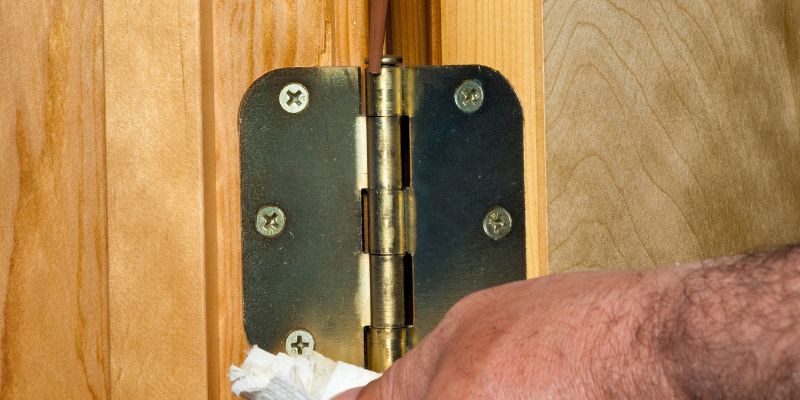
Next, I apply my chosen lubricant. If I’m using a spray like silicone or WD-40, I aim the nozzle directly at the hinge’s moving parts and give a quick spritz. For lithium grease, I use a small brush or my gloved finger to dab it onto the hinge pin and knuckles. Less is more—too much lubricant can attract dirt. I work the door back and forth a few times to spread the oil evenly.
Step 3: Remove Excess Lubricant
After applying the lubricant, I grab a clean rag and wipe away any excess. This step is crucial to prevent drips and keep the hinge clean. I once skipped this step and ended up with grease on my car’s paint—lesson learned!
Step 4: Test the Door
I open and close the door several times to check for squeaks. If the noise is gone, I’m done! If it persists, I repeat the process, focusing on areas I might have missed. Sometimes, a stubborn squeak means the hinge pin needs more attention.
Step 5: Maintain Regularly
To keep hinges quiet, I oil them every six months or so. For car hinges, I check them more often, especially after driving through harsh weather. Regular maintenance prevents squeaks from coming back.
Special Tips for Car Door Hinges
Car door hinges are a bit trickier than home hinges. I learned this when I tried to fix my truck’s squeaky driver-side door. The constant opening and closing, plus exposure to rain, snow, and dust, make car hinges prone to wear. Here are some tips I’ve picked up:
- Check for Rust: Car hinges often rust due to moisture. If I spot rust, I use a wire brush to remove it before lubricating.
- Use Heavy-Duty Lubricant: I prefer lithium grease for car hinges because it holds up against the elements.
- Protect Surrounding Areas: I place a drop cloth or newspaper around the door to catch any drips. This saves my car’s paint from getting stained.
- Inspect Regularly: I check my car hinges every few months, especially after long road trips or winter driving.
Common Mistakes to Avoid
I’ve made my fair share of mistakes when oiling hinges, so let me save you some trouble. Here’s what not to do:
- Using Too Much Lubricant: I once overdid it with WD-40, and it dripped all over my floor. A little goes a long way.
- Skipping the Cleaning Step: If you don’t clean the hinge first, the lubricant mixes with dirt and makes things worse.
- Ignoring Rust: Rust won’t go away on its own. I learned to address it early to avoid bigger problems.
- Using the Wrong Product: Household oils like vegetable oil seem convenient, but they cause more harm than good.
How Often Should You Oil Door Hinges?
From my experience, oiling hinges every six months keeps them in great shape. For car hinges, I do it every three to four months, especially if I drive in wet or dusty conditions. If you live in a humid area or near the coast, you might need to lubricate more often to prevent rust. I keep a calendar reminder to check my hinges—it’s a small habit that saves a lot of annoyance.
Troubleshooting Persistent Squeaks
Sometimes, a squeak just won’t quit. I had this issue with an old bedroom door that kept creaking no matter how much I oiled it. If this happens to you, try these tricks:
- Remove the Hinge Pin: For home doors, I sometimes remove the hinge pin with a screwdriver and hammer. I clean it thoroughly, apply grease, and reinsert it.
- Check for Loose Hinges: A loose hinge can cause squeaks. I tighten the screws with a screwdriver to see if that helps.
- Replace Worn Hinges: If the hinge is damaged or too rusted, no amount of oil will fix it. I’ve had to replace a couple of hinges over the years, and it’s worth it for the silence.
Benefits of Properly Lubricated Hinges
Oiling your hinges does more than just stop the noise. I’ve noticed that well-lubricated hinges make doors easier to open and close. They also last longer because there’s less wear and tear from friction. For cars, smooth hinges mean less strain on the door mechanism, which can prevent costly repairs. Plus, it’s satisfying to know you’ve fixed something with your own hands!
My Personal Experience with Oiling Hinges
I’ll never forget the first time I tackled a squeaky hinge. It was on my old sedan, and the driver’s door sounded like a haunted house every time I got in. I was nervous about messing it up, but I followed the steps I’ve shared here. After cleaning the hinge and applying lithium grease, the squeak was gone, and I felt like a DIY hero! Since then, I’ve oiled hinges on everything from my front door to my garage gate. Each time, I learn a little more, and I’m excited to pass that knowledge on to you.
Conclusion
Fixing a squeaky door hinge is one of those small projects that make a big difference. I’ve been there, annoyed by that creaky noise, but I’ve also felt the satisfaction of silencing it with a bit of oil and elbow grease. Whether it’s your car door or your front door, the process is simple, affordable, and rewarding. By choosing the right lubricant, cleaning the hinge properly, and maintaining it regularly, you can keep your doors quiet and smooth for years.
I hope this guide has given you the confidence to tackle those squeaky hinges yourself. Grab your tools, pick your lubricant, and enjoy the peace and quiet you’ve earned!
Frequently Asked Questions
What is the best lubricant for door hinges?
I recommend lithium grease for car hinges because it’s durable and water-resistant. For home hinges, silicone spray is great because it’s clean and doesn’t attract dust. WD-40 works for quick fixes but needs frequent reapplication.
Can I use cooking oil to lubricate hinges?
I’ve tried this, and it’s not a good idea. Cooking oils like olive oil can go rancid and attract dirt, making the problem worse. Stick to lubricants designed for hinges, like silicone spray or lithium grease.
How often should I oil my door hinges?
I oil my home hinges every six months to keep them quiet. For car hinges, I do it every three to four months, especially after harsh weather or long drives.
What should I do if the squeak doesn’t stop after oiling?
If the squeak persists, try removing and cleaning the hinge pin. Tighten any loose screws, and check for rust. If the hinge is damaged, you might need to replace it.
Is it safe to oil car door hinges myself?
Absolutely! I’ve done it many times, and it’s safe as long as you use the right lubricant and protect your car’s paint with a drop cloth. Just follow the steps carefully, and you’ll be fine.