How to Pick a Deadbolt Lock: A Comprehensive Guide for Homeowners
Hey there! Have you ever locked yourself out of your house and stared at that deadbolt, wondering how to get back in? I’ve been there, and let me tell you, it’s frustrating! When I started diving into home security for my automotive blog’s home improvement section, I got curious about how to pick a deadbolt lock. It’s not just for locksmiths or sneaky folks—it’s a handy skill for homeowners in a pinch.
I’ve spent time learning the ins and outs, and I’m excited to share my experiences with you. Whether you’re locked out or just want to understand your locks better, this guide will walk you through how to pick a deadbolt lock safely and legally. Let’s get started and unlock this knowledge together!
Why Learn to Pick a Deadbolt Lock?
You might be wondering why you’d ever need to pick a lock. For me, it started when I accidentally locked myself out of my garage. I didn’t want to call a locksmith and pay a fortune, so I decided to learn. Knowing how to pick a deadbolt can save you time and money if you’re locked out of your own home. It’s also a great way to understand how secure your locks are. I was shocked to learn how easy some locks are to pick—it made me upgrade my own! Plus, it’s a cool skill to have, as long as you use it responsibly and only on your property.
Understanding How a Deadbolt Lock Works
Before you pick a lock, it helps to know what’s going on inside. I took apart an old deadbolt to figure this out, and it’s pretty neat. A deadbolt lock has a cylinder with pins inside. When you put the right key in, it pushes the pins to the perfect height, letting the cylinder turn and unlock the door. Without the key, those pins block the cylinder from moving.
Deadbolts are tougher to pick than regular doorknob locks because they’re built for security. I’ve noticed that single-cylinder deadbolts (key on one side, thumb-turn on the other) are common in homes, while double-cylinder ones (key on both sides) are trickier but more secure. Understanding this setup helped me see why picking a lock takes patience and precision.
Tools You’ll Need to Pick a Deadbolt
When I first tried picking a lock, I didn’t have the right tools, and it was a mess! Now, I keep a simple lock-picking kit handy. Here’s what you’ll need:
| Tool | Purpose |
|---|---|
| Tension Wrench | Applies gentle pressure to the cylinder, mimicking the key’s turning action. |
| Lock Pick (Hook or Rake) | Moves the pins inside the lock to the correct position. |
| Lubricant (Optional) | Makes the pins move smoothly. I use graphite spray for sticky locks. |
| Flashlight | Helps you see the keyhole in dim light. I’ve needed this at night! |
| Practice Lock | Great for learning without risking your real lock. I started with one. |
You can buy a basic lock-picking kit online for $20-$40. I got mine from a hardware store, and it came with a few picks and a tension wrench. If you’re just starting, a hook pick is easiest for beginners. Make sure you’re only practicing on locks you own—picking someone else’s lock is illegal!
Legal and Ethical Considerations
I can’t stress this enough: only pick locks you own or have permission to mess with. When I started learning, I checked my local laws in the USA. In most states, owning lock-picking tools is legal, but using them on someone else’s property without consent can get you in trouble. I practice on my own doors or a practice lock to stay on the right side of the law.
It’s also about ethics. I use this skill to help myself or friends who get locked out, not to cause harm. If you’re unsure about the laws in your area, look them up or ask a locksmith. It’s better to be safe than sorry!
Preparing to Pick a Deadbolt
Before you start, set yourself up for success. I’ve learned a few tricks to make this easier. First, find a quiet spot where you can focus—picking a lock takes concentration. I usually sit at my kitchen table with good lighting. If the lock is old or sticky, I spray a bit of graphite lubricant into the keyhole to loosen things up.
Make sure you have all your tools ready. I keep my tension wrench and hook pick in a small bag so I’m not scrambling. If you’re practicing, use a spare deadbolt or a practice lock—it’s less stressful than working on your front door. I also recommend wearing gloves to keep your hands clean and get a better grip on the tools.
Step-by-Step Guide to Picking a Deadbolt
Okay, let’s get to the fun part—actually picking the lock! I’ve done this a bunch of times, and it’s super satisfying when it clicks open. Here’s how I do it:
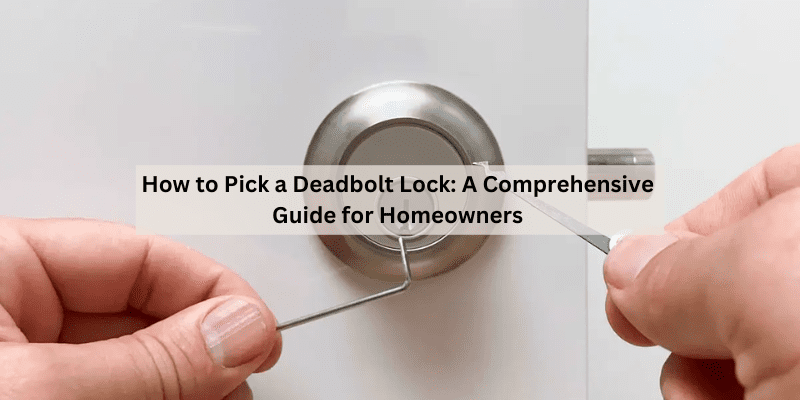
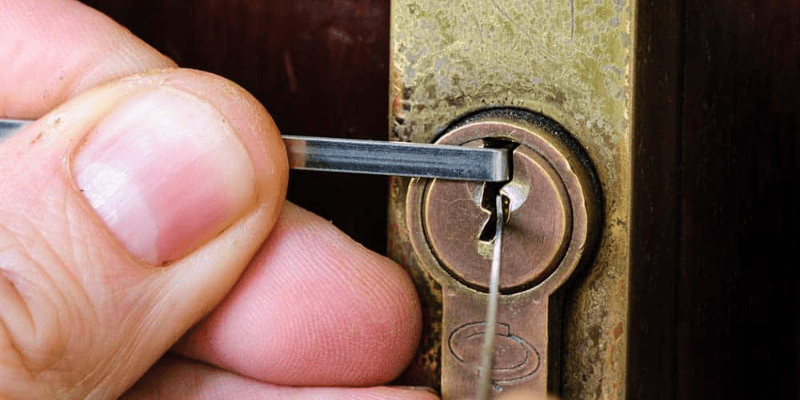
- Insert the tension wrench: Slide the tension wrench into the bottom of the keyhole. I use the L-shaped end and apply gentle pressure in the direction the key would turn. Too much force can jam the pins, so keep it light.
- Insert the lock pick: Take your hook pick and slide it into the top of the keyhole. You’ll feel the pins inside—they’re like little bumps. I move the pick slowly to get a sense of them.
- Feel for the Pins: Most deadbolts have 5-6 pins. I push each one up gently with the pick until I hear a slight click. That means the pin is set at the right height. It took me a while to get the hang of this!
- Apply Steady Tension: Keep light pressure on the tension wrench while you work. If you let go, the pins will fall back down, and you’ll have to start over. I learned this the hard way.
- Work Pin by Pin: Move from one pin to the next, setting each one. Some pins are tougher than others. I focus on the ones that feel “stuck” first—they’re usually the binding pins.
- Turn the Cylinder: Once all the pins are set, the cylinder should turn with the tension wrench. I felt like a pro the first time I got it to unlock!
It usually takes me 5-10 minutes to pick a basic deadbolt. High-security locks are harder, so don’t get discouraged if it’s tricky at first.
Practicing Your Lock-Picking Skills
Practice makes perfect, and I’ve spent hours honing this skill. I started with a clear practice lock so I could see the pins move—it was a game-changer. You can buy one online for about $15. I’d practice for 20 minutes a day, and after a week, I could pick a simple deadbolt pretty fast.
If you don’t have a practice lock, try an old deadbolt from a hardware store. I picked up a used one for cheap and practiced on it. The more you do it, the better you’ll get at feeling the pins and knowing how much pressure to use.
Common Mistakes to Avoid
I’ve made plenty of mistakes while learning to pick locks. Here are some to watch out for:
- Too Much Tension: I used to push too hard on the tension wrench, which locked up the pins. Keep it gentle, like you’re barely turning it.
- Wrong Pick: I tried using a rake pick at first, but it’s harder for beginners. Stick with a hook pick until you’re comfortable.
- Rushing: Picking a lock takes patience. I got frustrated early on and gave up too soon. Take your time and focus.
- Dirty Lock: If the lock is gunky, it’s harder to pick. I clean mine with lubricant before starting.
Learning from these mistakes made me a better lock picker. It’s all about staying calm and steady.
When to Call a Professional Locksmith
Sometimes, picking a lock isn’t the best option. I tried picking a high-security deadbolt once, and it was way too tough. If you’re dealing with a fancy lock, like a Medeco or Schlage Primus, a locksmith is your best bet. They have specialized tools and won’t damage your door.
I also call a pro if I’m in a rush or if the lock is damaged. One time, my front door lock was jammed, and I didn’t want to risk breaking it. A locksmith got me in for about $50, which was worth it. If you’re locked out and can’t pick the lock, don’t force it—call for help.
Upgrading Your Deadbolt for Better Security
Learning to pick locks made me realize how vulnerable some deadbolts are. I upgraded mine to a high-security model, and it’s been a game-changer. Look for deadbolts with features like
- Anti-Pick Pins: These make it harder to set the pins. My new deadbolt has these, and it’s tough to crack.
- Hardened Steel: This resists drilling or breaking. I feel safer knowing my lock is sturdy.
- Double-Cylinder Design: Needs a key on both sides, which is great for doors with windows. I use one on my back door.
Brands like Schlage or Kwikset make great, high-security deadbolts. I spent about $60 on mine, and it was worth every penny for the peace of mind.
What to Do If You’re Locked Out
If you’re locked out and trying to pick your deadbolt, stay calm. Use the steps above, but don’t force anything—broken picks are a pain. If you can’t get in after a few tries, call a locksmith. I once spent an hour trying to pick my front door before admitting defeat and calling a pro. It cost me $80, but it was better than damaging the lock. If you’re practicing for emergencies, keep a spare key with a trusted neighbor to avoid this hassle.
Maintaining Your Locks
To make picking easier (and keep your locks secure), maintain them. I spray graphite lubricant into my deadbolts every few months to keep the pins moving smoothly. Avoid oil-based lubricants—they attract dirt. Also, check that your door aligns properly with the frame. A misaligned door can make the deadbolt stick, which I learned when my back door wouldn’t lock easily.
Why I Love Lock Picking
For me, lock picking isn’t just about opening doors—it’s about understanding how things work and feeling like I can handle a challenge. Every time I hear that click, it’s like solving a mini mystery. Plus, it’s a practical skill that’s saved me from being stranded more than once. Whether you’re doing it for fun or necessity, there’s something empowering about mastering it.
Wrapping It Up with Confidence
Friend, you’re now ready to tackle picking a deadbolt lock with confidence. From understanding the lock’s insides to using a tension wrench and pick, you’ve got the tools and know-how to make it happen. I remember how daunting it felt at first, but with practice, it became a fun and rewarding skill. Take your time, stay patient, and only practice on locks you’re allowed to touch. Whether you’re saving the day in a lockout or just exploring a new hobby, you’re on your way to becoming a lock-picking pro. So, grab your picks, find a practice lock, and enjoy the thrill of that first click. You’ve got this, and I’m rooting for you!
FAQ: Your Questions Answered
What tools do I need to pick a deadbolt lock?
You’ll need a tension wrench, a hook or rake pick, and maybe a practice lock. A basic lock pick set costs around $20.
Is it hard to learn how to pick a deadbolt?
It takes practice, but it’s not impossible. I took a few hours to get my first lock open. Start with a practice lock to build confidence.
Is picking a deadbolt lock legal?
Yes, as long as it’s your lock or you have permission. Check local laws about carrying lock picks in public to be safe.
Can all deadbolts be picked?
Most can, but high-security deadbolts with anti-pick features are much harder. Basic pin-and-tumbler locks are easier for beginners.
What if I break a pick in the lock?
Don’t panic. Try to gently remove it with tweezers. If it’s stuck, call a locksmith to avoid damaging the lock.
How long does it take to pick a deadbolt?
For beginners, it can take 10-20 minutes per lock. With practice, you can do it in a minute or two.
Should I upgrade my deadbolt after learning to pick?
It’s a good idea. High-security deadbolts are harder to pick and add extra protection to your home.