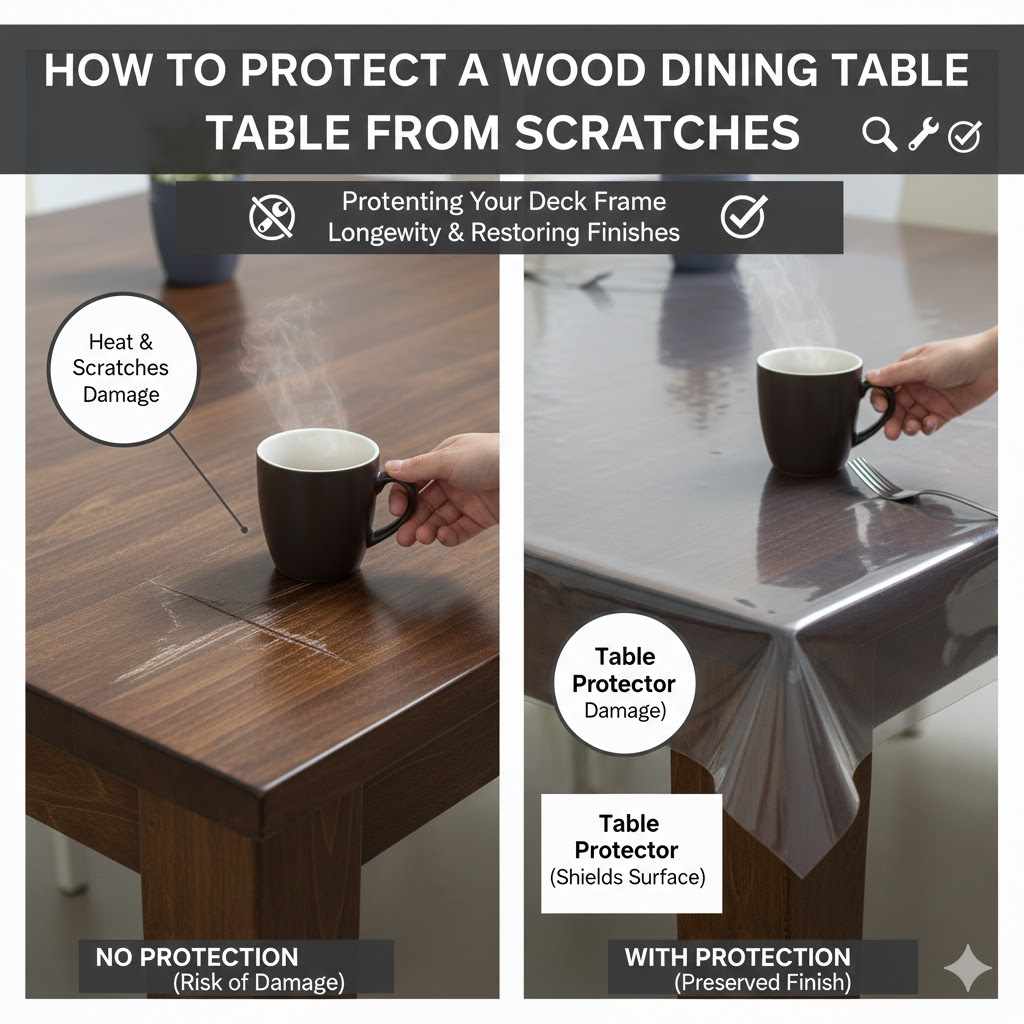
How to Protect a Wood Dining Table from Scratches
Keeping your beautiful wood dining table looking its best can feel like a puzzle, especially when you’re new to caring for fine furniture. Scratches and dents can happen easily from everyday use, from sliding plates to the kids’ toys. Many people find it tricky to know where to start with preventing these marks. But don’t worry!
This guide is here to make it super simple. We’ll walk you through easy, step-by-step ways to keep your table looking like new. Get ready to learn how to protect a wood dining table from scratches without any fuss.
Protecting Your Wood Dining Table From Scratches
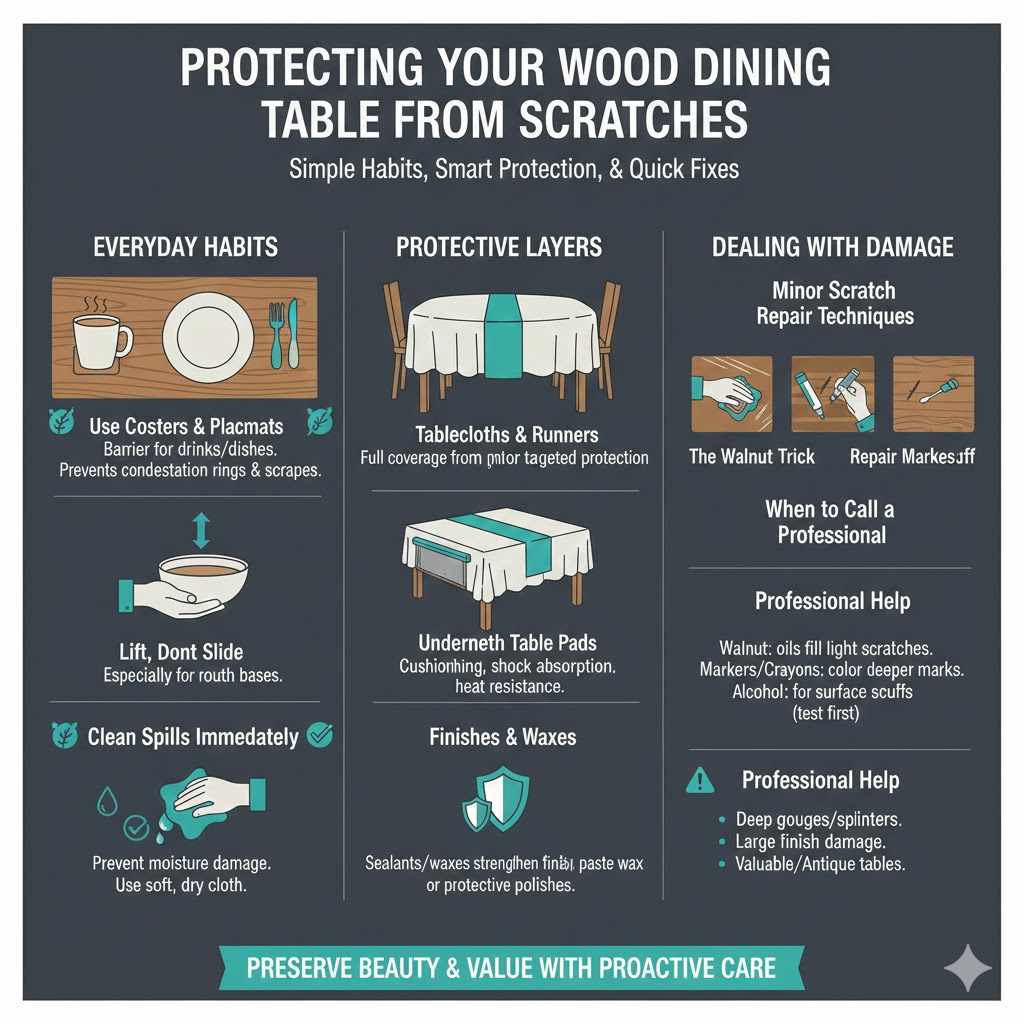
This section will cover the main ways you can shield your wood dining table from those unwanted marks and scrapes. We’ll look at everyday habits, protective layers, and what to do right away if an accident happens. Learning these simple steps will help your table stay beautiful for years. You’ll find easy tips that don’t take much time but make a big difference.
Everyday Habits for Scratch Prevention
Developing good habits is the first and easiest step in protecting your wood dining table. These are small changes in how you use your table that can stop scratches before they start. Thinking about how you set the table, move items, and clean up can save you a lot of trouble later.
-
Use Coasters and Placemats
Placemats and coasters are your table’s best friends. They create a barrier between glasses, mugs, and dishes and the wood surface. This stops condensation rings from hot or cold drinks from damaging the finish and prevents the rough bottoms of glasses or plates from scratching the wood. It’s a simple step that dramatically reduces the risk of common marks. Consider woven placemats or cork coasters for a natural look that also works wonders. -
Lift, Don’t Slide
When moving dishes, serving bowls, or even decorative items, make it a habit to lift them instead of sliding them across the table. Sliding even a heavy placemat can drag tiny grit particles that act like sandpaper on the wood finish. This rule is especially important for items with rough bases, like ceramic serving platters or planters. A conscious effort to lift will prevent many surface scratches. -
Clean Spills Immediately
Liquids can seep into the wood’s finish if left for too long, potentially causing stains or weakening the protective layer. Wiping up spills as soon as they happen with a soft, dry cloth is crucial. For sticky spills, a slightly damp cloth can be used, followed by immediate drying. This prevents moisture damage and keeps the surface clean and intact, reducing the chances of accidental scratches when wiping later. -
Be Mindful of Pets and Children
Pets, especially cats with their claws, and children with their toys or even just their energetic movements, can be a major source of scratches. Try to keep pets from jumping on the table and supervise children during mealtimes and playtime around the table. If you have a younger child, consider using a durable tablecloth or a table protector during meals until they are older and more careful.
Applying Protective Finishes and Covers
Beyond daily habits, adding layers of protection can offer a robust shield. These methods involve applying something to the table’s surface or covering it in a way that guards against damage. This is like giving your table a suit of armor for daily life.
Tablecloths and Table Runners
A tablecloth offers the most comprehensive protection for your wood dining table. It covers the entire surface, safeguarding it from spills, heat, and physical contact. For a less complete but still effective barrier, a table runner can protect the central area where serving dishes are often placed.
-
Full Tablecloth Coverage
A good quality tablecloth made from cotton, linen, or a durable blend provides an excellent shield. It absorbs spills, catches crumbs, and prevents anything placed on it from directly contacting the wood. For very active households, consider a vinyl or oilcloth tablecloth for superior water and stain resistance. Ensure the tablecloth is large enough to drape over the sides, offering protection even when chairs are pushed in. Many beautiful tablecloths are available that can also enhance your dining room’s decor. -
Table Runners for Targeted Protection
Table runners are a stylish way to protect the most used parts of your table. They are ideal for formal dining settings or when you want to showcase the wood’s natural beauty while still offering protection. Place a runner down the center of the table where you’ll place serving dishes or centerpieces. Always use placemats and coasters in conjunction with a runner for complete protection of the surrounding areas. -
Using a Table Pad Underneath
For maximum protection, especially under a tablecloth, a table pad is an excellent investment. These are typically made of felt or vinyl and fit snugly on the table. They provide cushioning against bumps, absorb shock from dropped items, and offer excellent heat resistance. A table pad is particularly useful for antique or delicate tables that require extra care.
Wood Finish Sealants and Waxes
The finish on your wood dining table is its first line of defense. Applying sealants or waxes can strengthen this layer and add an extra barrier. These products can also help to restore the shine and beauty of your table.
-
Understanding Wood Finishes
Wood finishes like polyurethane, lacquer, or varnish create a hard, protective layer on the wood surface. These finishes are designed to resist water, stains, and minor scratches. Over time, this finish can wear down, especially in high-traffic areas like the center of the table. Regular cleaning and reapplication of protective products can extend the life and durability of the finish. Knowing your table’s finish type is helpful for choosing the right care products. -
Applying Protective Waxes
Paste wax is a popular choice for enhancing and protecting wood finishes. It creates a smooth, water-repellent barrier that can make your table more resistant to minor scratches and spills. To apply, rub a small amount of paste wax onto the table with a soft cloth, working in the direction of the wood grain. Let it dry for a few minutes, then buff it with a clean, soft cloth to a lovely sheen. Apply wax every few months, or more often if the table gets heavy use. -
Using Furniture Polishes with Protection
Many furniture polishes offer more than just shine; they contain ingredients that can help to protect the wood. Look for polishes that offer a protective film or conditioning properties. These can help to fill in tiny imperfections in the finish and provide a light barrier against moisture and dust. Always test a new polish in an inconspicuous area first to ensure it doesn’t alter the finish’s color or sheen. - Dealing with Scratches and Damage
Even with the best prevention, accidents can happen. Knowing how to handle minor scratches can save your table from more serious issues. Quick and simple fixes can often make small marks disappear or become much less noticeable.
Minor Scratch Repair Techniques
For very light surface scratches that haven’t gone through the finish, there are several easy home remedies. These methods aim to fill in the scratch or blend it with the surrounding finish.
-
The Walnut Trick
For light scratches on finished wood, a common household item can work wonders: a walnut. The natural oils in a walnut can help to fill in and mask minor surface scratches. Simply crack open a walnut and rub the meat of the nut over the scratch, moving with the grain of the wood. The oils will penetrate the wood and the color of the nut can help to camouflage the scratch. Wipe away any excess oil with a soft cloth. -
Using Furniture Repair Markers or Crayons
For slightly deeper scratches, furniture repair markers or crayons are available in a wide range of wood colors. You can find these at most hardware or craft stores. Choose a marker that closely matches the color of your table. Gently color in the scratch following the direction of the wood grain. Once filled, lightly buff the area with a soft cloth. This method is best for scratches that have penetrated the finish but are not too deep. -
Rubbing Alcohol for Surface Scuffs
Believe it or not, rubbing alcohol can sometimes help remove light scuffs that look like scratches on certain finishes. Lightly dampen a cotton swab with rubbing alcohol and gently rub the scuffed area. This can sometimes lift the scuff mark from the finish. Immediately follow up by wiping the area dry and, if needed, applying a furniture polish to restore shine. Be very cautious and test this in an hidden spot first.
When to Call a Professional
While many minor issues can be fixed at home, some damage requires expert attention. Deep gouges, large areas of damaged finish, or structural problems are best left to the professionals.
-
Assessing the Damage
Before attempting any repair, carefully assess the extent of the damage. If the scratch is deep enough to feel a significant indentation with your fingernail, or if the wood is visibly splintered or chipped, it might be beyond simple DIY fixes. Also, consider the value and age of your table; an antique or highly valuable piece might warrant professional restoration. -
Knowing Your Table’s Value
If your dining table is an heirloom or a significant investment, it’s always wise to consult a furniture restoration specialist for deeper scratches or finish damage. Professionals have the tools, expertise, and materials to repair the damage without compromising the table’s integrity or aesthetic appeal. They can often match finishes perfectly and ensure repairs are seamless and long-lasting. -
Cost vs. Benefit of Professional Repair
Professional repair can be more expensive than DIY methods, but it often yields superior results, especially for significant damage. For valuable tables, the cost of professional repair is often outweighed by the preservation of the piece. Get quotes from a few reputable furniture repair shops to compare costs and understand the scope of work involved before making a decision.
Protecting Your Table from Heat and Moisture
Heat and moisture are enemies of wood finishes, often leading to discoloration, warping, or dullness. Understanding how to guard your dining table against these elements is key to maintaining its pristine condition and preventing damage that can result in scratches or a compromised finish.
Understanding Heat Damage
Heat, especially from hot dishes or humid environments, can affect the wood and its finish. Direct heat can cause the finish to crack or become cloudy, a phenomenon known as “clouding” or “blooming.” This happens when moisture gets trapped under the finish.
-
The Science Behind Heat Damage
When hot items are placed directly on a wood surface, the heat transfers quickly. This rapid expansion and contraction of the wood and finish can cause microscopic cracks to form in the protective coating. Moisture in the air or from condensation can then seep into these cracks, creating a milky or cloudy appearance. This damage can weaken the finish over time, making it more susceptible to scratches. -
Using Trivets and Hot Pads
Trivets and hot pads are essential for protecting your table from heat. Always place hot pots, pans, and serving dishes on these protective surfaces. Ensure they are large enough to fully support the base of the hot item. Materials like cork, ceramic, metal, or heat-resistant silicone make excellent trivets. Some decorative trivets can also add to your table setting. -
Avoiding Prolonged Direct Sunlight
Direct sunlight, while seemingly harmless, can also cause heat damage and drying. The sun’s rays can dry out the wood, making it brittle and prone to cracking. It can also fade the wood’s color over time, leading to uneven coloration. If your table is in a sunny spot, consider using curtains or blinds to filter the light during peak sun hours.
Combating Moisture and Spills
Moisture is another significant threat to wood dining tables. Spills, condensation from glasses, and high humidity can all lead to damage if not addressed promptly.
-
Immediate Spill Cleanup
As mentioned earlier, cleaning up spills right away is critical. Water left to sit can seep into the wood and stain or damage the finish. Use a soft, absorbent cloth to blot up spills immediately. For sticky residues, a slightly damp cloth can be used, followed by thorough drying. Never use abrasive cleaners or excessive water, as this can damage the finish. -
The Role of Humidity Control
High humidity levels in your home can cause wood to absorb moisture, leading to swelling and potential warping. Low humidity can cause the wood to dry out and shrink, leading to cracks. Using a humidifier in dry seasons and a dehumidifier in very humid seasons can help maintain a stable environment for your wood furniture. Aim for a relative humidity level between 40-60% for optimal wood care. -
Protective Tablecloths and Mats
Beyond daily placemats and coasters, using a full tablecloth or a vinyl table protector can offer an extra layer of defense against moisture. These coverings create a physical barrier that prevents liquids from reaching the wood surface. For everyday use, consider washable cotton or linen tablecloths. For enhanced protection against spills and moisture, oilcloth or vinyl options are excellent. - Choosing the Right Materials for Protection
Selecting the right materials for protecting your wood dining table is crucial. Different materials offer varying levels of protection and can also impact the aesthetic of your table and dining space. Making informed choices ensures that your table remains safe and looks its best.
Understanding Different Protective Materials
The world of furniture protection offers a variety of options, from simple cloth to specialized coatings. Each material has its own strengths and weaknesses.
-
Fabric Types for Tablecloths and Runners
Cotton and linen are popular choices for tablecloths and runners. They are natural fibers that are absorbent and washable, making them practical for everyday use. For more formal occasions, silk or damask can add elegance. For high durability and stain resistance, blends with polyester are often used. Oilcloth and vinyl offer excellent waterproof protection but can sometimes feel less luxurious. -
Properties of Placemats and Coasters
Placemats and coasters come in a vast array of materials. Cork is excellent for absorbing condensation and is naturally slip-resistant. Ceramic coasters can be very decorative but may chip. Wood or bamboo placemats offer a natural aesthetic. Felt or fabric coasters are soft and absorbent, preventing scratches. Consider materials that are non-abrasive and can handle moisture without damaging the table. -
Table Pads and Protectors
Table pads are typically made from a thick felt or vinyl material. The felt provides cushioning and insulation against heat, while vinyl offers superior waterproofing and scratch resistance. These are usually custom-fitted to your table and are placed underneath a tablecloth for ultimate protection. They are a practical choice for heavy-use tables or those with delicate finishes.
Maintaining Protective Materials
Just as your table needs care, so do the materials used to protect it. Regularly cleaning and maintaining these items ensures they continue to offer the best defense.
-
Washing Tablecloths and Runners
Fabric tablecloths and runners should be washed according to their care labels. Most cotton and linen items can be machine washed and tumble dried on low heat. For oilcloth and vinyl, a simple wipe-down with a damp cloth is usually sufficient. Regularly washing fabric items removes accumulated dirt and potential scratch-causing particles. -
Cleaning Placemats and Coasters
Placemats and coasters made from natural materials like cork or bamboo can usually be wiped clean with a damp cloth. Ceramic or stone coasters may require more thorough washing. Fabric or felt coasters should be spot-cleaned or washed gently. Ensure they are completely dry before placing them back on the table to avoid moisture transfer. -
Caring for Table Pads
Table pads can typically be wiped clean with a damp cloth. For more stubborn stains, a mild soap can be used, followed by thorough rinsing and drying. If a table pad becomes heavily damaged or worn, it may need to be replaced to ensure continued protection for your table.
Frequently Asked Questions
Question: What is the best way to protect a wood dining table from scratches for daily use
Answer: For daily use, the most effective approach is a combination of habits and simple protective items. Always use placemats and coasters for drinks and meals. Encourage everyone to lift items instead of sliding them.
Cleaning spills immediately is also key.
Question: Can I use a regular tablecloth to protect my table
Answer: Yes, a good quality tablecloth made from durable fabric like cotton or linen can provide excellent protection. It shields the entire surface from spills, heat, and scratches from everyday objects. For even better protection, consider a tablecloth with a water-resistant backing.
Question: How do I fix light scratches on my wood dining table
Answer: For very light surface scratches, you can try rubbing the area with the meat of a walnut, as the oils can help fill and mask the scratch. Furniture repair markers or crayons, available in many wood tones, are effective for slightly deeper scratches that have penetrated the finish.
Question: Is it safe to put hot dishes directly on a wood dining table
Answer: No, it is never safe to place hot dishes directly on a wood dining table. The heat can damage the finish, causing cloudiness, cracking, or discoloration. Always use trivets or hot pads to create a barrier between hot items and the table surface.
Question: How often should I wax my wood dining table
Answer: You should wax your wood dining table every few months, or more often if the table experiences heavy use. Waxing helps to replenish the protective layer on the finish, adding resistance to scratches and moisture, and restoring the table’s shine.
Wrap Up
Protecting your wood dining table from scratches involves simple, consistent habits and the right protective measures. By using placemats, coasters, and cleaning spills promptly, you create an everyday defense. Adding protective layers like tablecloths or waxes further strengthens this shield. Quick fixes can handle minor marks, preserving your table’s beauty. With these easy steps, you can confidently maintain a stunning dining table for years to come.