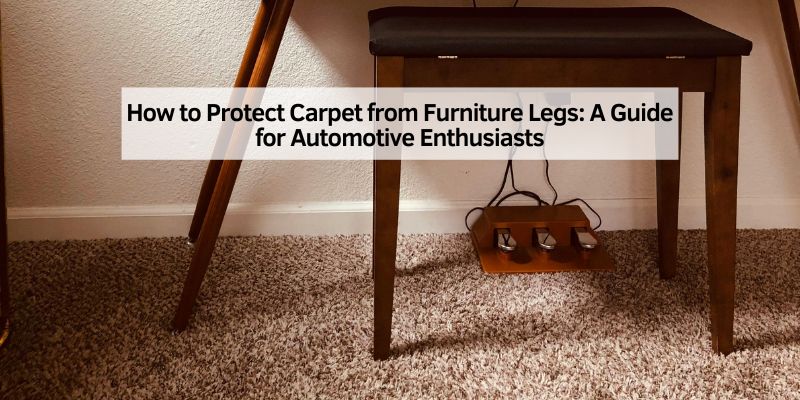
How to Protect Carpet from Furniture Legs: A Guide for Automotive Enthusiasts
Hey there, friend! If you’re an automotive buff like me, your garage is probably your pride and joy—a place where you tinker with your car, store tools, and maybe even have a cozy corner for planning your next project. I’ve got a carpeted section in my garage where I keep a workbench and chair, and I quickly learned that heavy furniture legs can wreak havoc on carpet. Those pesky dents and crushed fibers were driving me nuts! So, I dove into figuring out how to protect carpet from furniture legs, and I’m excited to share my discoveries with you.
Whether you’ve got carpet in your garage, home office, or a car-themed man cave, I’ve got practical tips from my own experiments to keep your carpet looking sharp. Let’s sit down and chat about how to save your carpet while keeping your space functional, like we’re swapping stories over a coffee in the garage!
Why Protecting Carpet from Furniture Legs Matters
Carpet adds warmth and style to any space, but it’s not cheap, and it takes a beating from furniture. In my garage, I have a carpeted area where I sit to sketch car mods or sort small parts. Heavy furniture, like my workbench or a rolling chair, left deep dents and frayed spots in the carpet. I realized that protecting it not only keeps the space looking good but also saves money on repairs or replacement. For us car lovers, a clean, professional-looking garage boosts the vibe when showing off our rides to friends. Plus, a well-maintained carpet is safer—no frayed fibers to trip over during a late-night wrenching session.
Understanding Carpet Damage from Furniture Legs
Furniture legs, especially from heavy or frequently moved pieces, can do serious damage. I’ve seen it firsthand with my workbench, which has metal legs that crushed the carpet pile. Here’s what happens:
- Dents and Indentations: Heavy furniture compresses carpet fibers, leaving permanent dents. My chair left marks after just a week.
- Fraying and Wear: Sharp or rough legs can tear fibers, especially if you slide furniture. I noticed fraying under my rolling toolbox.
- Stains and Dirt: Furniture legs can trap dirt or grease, especially in a garage. My workbench legs brought in oil spots from the floor.
- Flattening: Constant pressure flattens the carpet’s pile, making it look worn out. My carpet looked patchy where my chair sat.
Once I understood the damage, I was determined to find ways to protect my carpet without sacrificing function.
Assessing Your Furniture and Carpet
Before diving into solutions, I take a close look at my furniture and carpet. Not all setups are the same, and knowing what you’re working with helps. Here’s what I check:
- Furniture Weight: Heavy pieces like my workbench need stronger protection than a lightweight chair. I weigh or estimate the load to choose the right solution.
- Leg Type: Sharp metal legs, like on my toolbox, cause more damage than wide wooden ones. I check for rough edges that could snag fibers.
- Carpet Type: My garage has low-pile carpet, which is durable but still dents. Plush or high-pile carpets need extra care.
- Movement: Furniture I move often, like my rolling chair, which needs flexible protection. Static pieces, like my workbench, can use fixed solutions.
I once tried a one-size-fits-all approach with cheap plastic cups under my workbench legs, but they cracked under the weight. Now, I tailor my solutions to each piece of furniture.

Solution 1: Use Furniture Pads or Cups
One of my favorite fixes is furniture pads or cups. These are small discs or cups that sit under furniture legs to spread weight and protect the carpet. I’ve tried a few types:
- Felt Pads: I stick these adhesive pads under chair legs. They’re soft, reduce friction,80 and prevent dents. I use them on my rolling chair, and they glide smoothly.
- Plastic Cups: These are wide, flat cups for heavy furniture. I put them under my workbench legs, and they’ve stopped dents completely.
- Rubber Pads: Great for gripping and preventing slides. I use these under my toolbox to keep it from shifting.
I learned to check the weight rating on pads. Cheap ones I bought for my workbench crushed under the load, so I switched to heavy-duty plastic cups rated for 500 pounds. You can find these at hardware stores or online for a few bucks.
Solution 2: Install Caster Wheels
For furniture I move a lot, like my rolling chair or toolbox, caster wheels are a game-changer. They spread weight and make moving easier without dragging across the carpet. I added wide, soft rubber casters to my chair, and they’ve saved my carpet from fraying. Here’s what I keep in mind:
- Choose Wide Wheels: Narrow wheels dig into carpet. I use 3-inch-wide casters for better weight distribution.
- Check Material: Soft rubber or polyurethane wheels are gentler than hard plastic. My rubber casters glide without tearing fibers.
- Locking Wheels: For stability, I use casters with locks on my toolbox so it stays put when I’m working.
Installing casters took me 20 minutes with a screwdriver, and the carpet under my chair looks brand new. Just make sure the casters are rated for your furniture’s weight.
Solution 3: Place Carpet Protectors or Mats
For high-traffic areas, I use carpet protectors—clear plastic mats that sit under furniture. I have one under my rolling chair, and it’s been a lifesaver. These mats spread weight and protect against dents and spills. Here’s how I use them:
- Size Matters: I measure the area to ensure the mat covers where the furniture moves. My chair mat is 4×3 feet, perfect for my workspace.
- Choose Durable Mats: I picked a thick, clear PVC mat rated for heavy use. It’s held up to my chair rolling over it daily.
- Grip Backing: Mats with grip backing stay in place. I had a cheap mat that slid around, so I upgraded to one with spikes that grip the carpet.
I also use a small rug under my workbench for extra protection. It’s not as sleek as a clear mat, but it adds a cozy vibe to my garage.
Solution 4: Rearrange Furniture Periodically
I’ve found that moving furniture every few months prevents permanent dents. In my garage, I shift my workbench and chair every three months to give the carpet a break. Here’s how I do it:
- Lift, Don’t Drag: I lift furniture to avoid tearing fibers. I ask a buddy to help with heavy pieces like my toolbox.
- Rotate Positions: I move my chair to a new spot in the carpeted area. It lets compressed fibers bounce back.
- Fluff the Carpet: After moving furniture, I use a brush or my fingers to fluff up dented fibers. A quick vacuum helps, too.
This trick has kept my carpet looking even, and it’s an easy habit to build into my garage routine.
Solution 5: Use Furniture Sliders for Easy Moves
Furniture sliders are another trick I love. These are flat discs you place under legs to make moving heavy furniture a breeze without damaging the carpet. I use them under my workbench when I need to reposition it. Here’s why they work:
- Spread Weight: Sliders distribute weight like cups, preventing deep dents.
- Smooth Movement: They glide easily, so I don’t drag furniture and tear fibers.
- Reusable: I keep a set of sliders in my toolbox and reuse them for any heavy piece.
I bought a set of 4-inch sliders for $10, and they’ve saved my carpet during countless rearrangements. Just make sure they’re rated for your furniture’s weight.
Maintaining Your Carpet for Long-Term Protection
Protecting the carpet isn’t just about furniture legs—I’ve learned to maintain it overall to keep it resilient. Here’s my routine:
- Vacuum Regularly: I vacuum weekly to lift fibers and remove dirt. It prevents matting under furniture.
- Clean Spills Fast: In my garage, oil or grease can drip from tools. I blot spills immediately with a clean cloth and mild detergent.
- Steam Clean Annually: I rent a steam cleaner once a year to refresh my carpet. It removes deep dirt and helps fibers stay springy.
- Use a Dehumidifier: My garage can get humid, which weakens the carpet. A small dehumidifier keeps it dry and mold-free.
These steps have kept my carpet in great shape, even with heavy furniture and constant use.
Choosing the Right Protection for Your Garage Setup
Every garage is different, so I tailor my solutions to my needs. Here’s a table I made to help you pick the best protection based on your setup:
| Furniture Type | Best Protection | Why It Works | My Example |
|---|---|---|---|
| Heavy, Static (Workbench) | Plastic Cups, Sliders | Spreads weight, prevents dents | Under my 200-lb workbench |
| Light, Movable (Chair) | Felt Pads, Carpet Protector | Reduces friction, protects high-traffic areas | Under my rolling chair |
| Heavy, Movable (Toolbox) | Caster Wheels, Sliders | Allows easy movement without tearing fibers | Under my 150-lb rolling toolbox |
| Display (Shelving) | Rubber Pads | Grips carpet, prevents sliding and fraying | Under my car model display shelf |
This guide helps me choose the right solution for each piece, saving time and money.
My Mistakes and Lessons Learned
I’ve had my share of carpet disasters. Here’s what I learned from my blunders:
- Using Cheap Pads: I bought dollar-store felt pads for my workbench, and they shredded in a month. Now, I invest in quality pads rated for heavy loads.
- Dragging Furniture: I once dragged my toolbox across the carpet, fraying it badly. Always lift or use sliders now.
- Ignoring Small Dents: I thought small dents would bounce back on their own. They didn’t, and they got worse. Now, I fluff and vacuum dents right away.
- Skipping Mats: I skipped a carpet protector under my chair, thinking it wasn’t needed. The fraying was noticeable in weeks. A mat would’ve saved me.
These lessons have made me smarter about protecting my carpet, and I hope they help you avoid my mistakes.
Why Carpet Protection Matters for Car Enthusiasts
As car lovers, our garages are more than storage—they’re where we create, tinker, and show off our passion. A damaged carpet looks sloppy and can be a safety hazard when you’re carrying heavy parts. Protecting it keeps your space functional and inviting, whether you’re hosting a car club meetup or just enjoying your workspace. Plus, it saves you from costly carpet repairs, leaving more budget for car mods!
Extra Tips for Automotive Spaces
Here are some garage-specific tips I’ve picked up:
- Check for Grease: Furniture in garages can pick up oil or grease. I clean my legs before placing them on carpet to avoid stains.
- Use Washable Mats: For extra protection, I place washable rugs under high-risk furniture. They’re easy to clean if oil drips.
- Inspect Regularly: I check my carpet monthly for dents or wear, especially under heavy furniture. Catching issues early saves hassle.
- Combine Solutions: I use felt pads and a carpet protector under my chair for double protection in my busy workspace.
These tricks keep my carpet looking good, even with all the chaos of my automotive projects.
Real-Life Example from My Garage
Last year, I set up a new workbench in my carpeted garage corner. I didn’t think much about the legs, which were sharp metal. Within a month, I had deep dents and frayed spots. I swapped in heavy-duty plastic cups, added a small rug underneath, and started moving the bench every few months. The carpet bounced back after some vacuuming and fluffing, and it’s stayed pristine since. That experience taught me to plan ahead and use the right protection from the start.
Balancing Style and Function
I love that my garage looks cool with its carpeted section, but it has to be practical, too. Protective solutions like clear mats or discreet pads let me keep the style while ensuring the carpet lasts. I’ve even added a car-themed rug under my display shelf to tie the room together. It’s all about creating a space that’s functional for wrenching and impressive for showing off my cars.
Wrapping It Up: Keep Your Carpet Pristine
Protecting your carpet from furniture legs doesn’t have to be a chore. With pads, casters, mats, or a bit of rearranging, you can keep your garage or workspace looking sharp and functional. I’ve gone from dented, frayed carpet to a setup that’s both practical and stylish, thanks to these simple solutions. Whether you’re storing tools, working on car designs, or displaying your automotive treasures, a protected carpet elevates your space. So, grab some pads, lay down a mat, and keep your carpet as pristine as your favorite ride. You’ve got this, and your garage will shine!
Frequently Asked Questions
Can furniture pads really stop carpet dents?
Yes, they work great! I use felt pads under my chair and plastic cups under my workbench. They spread weight and prevent dents if rated for the load.
Will a carpet protector mat damage my carpet?
Not if you choose one with grip backing. I use a clear PVC mat with spikes that hold it in place without harming the fibers.
How do I fix existing carpet dents?
I fluff the fibers with a brush or my fingers, then vacuum. For stubborn dents, I place a damp cloth over the spot and steam with an iron, then fluff again.
Are caster wheels safe for carpet?
They are if you use wide, soft rubber wheels. I put 3-inch rubber casters on my toolbox, and they glide without tearing the carpet.
How often should I move furniture to protect my carpet?
I shift mine every three months. It gives the carpet a chance to recover and prevents permanent dents.
What’s the best protection for heavy furniture in a garage?
I use heavy-duty plastic cups or sliders under my workbench. They handle the weight and prevent dents, even with oil and grease around.