How to Recycle LED Bulbs
Hey there! If you’re anything like me, you love the way LED bulbs light up your life—whether it’s the sleek glow in your car’s headlights, the vibe in your garage, or the bright ambiance in your home. I switched to LEDs a while back because they’re energy-efficient and last forever, but when one finally burned out, I was stumped. What do you do with a dead LED bulb?
Toss it in the trash? Not so fast! I’ve been down this road, digging into how to recycle LED bulbs properly to keep my eco-conscious side happy while keeping my automotive and home spaces shining bright. Recycling LEDs isn’t as tricky as it seems, but it takes a bit of know-how. In this article, I’m sharing everything I’ve learned from my own experience—mistakes and all—so you can recycle your LED bulbs like a pro. Whether you’re a car enthusiast or just want to do right by the planet, I’ve got simple, practical tips to guide you. Let’s dive in and give those bulbs a proper send-off!
Why Recycling LED Bulbs Matters
When my first LED bulb flickered out, I almost chucked it in the regular trash. Big mistake! LEDs aren’t like old incandescent bulbs. They’ve got tiny electronic components, like circuit boards and sometimes small amounts of metals, that can harm the environment if they end up in a landfill. I felt a bit guilty when I learned that, kind of like when I forget to recycle my car’s oil.
Recycling LEDs keeps hazardous materials out of the ground and lets valuable parts, like plastic and metal, get reused. Plus, it’s a small way to show some love to the planet, just like maintaining your car to keep it running clean. In the USA, where we’re all about convenience, there are plenty of ways to recycle LEDs safely. I’ll walk you through them so you don’t have to guess.
Understanding LED Bulbs and Their Components
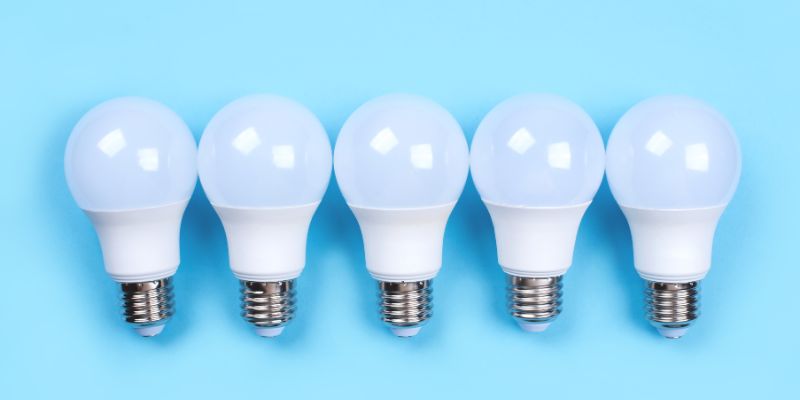
Before we get to the how-to, let’s talk about what’s inside an LED bulb. I was curious about this when I started, so I did some digging. LED bulbs are more than just glass and filament. They’ve got a mix of materials—plastic, metal, and sometimes trace amounts of chemicals like lead or mercury (though much less than older bulbs like CFLs).
The base of the bulb, like the screw-in part, is usually aluminum or brass. The “bulb” part might be plastic or glass, and inside, there’s a tiny circuit board that makes the magic happen. Knowing this helped me understand why LEDs need special recycling. You can’t just toss them in with your soda cans—they need to go to a facility that can handle electronics. It’s like sending your car’s battery to a proper recycling center instead of the dumpster.
Checking Local Recycling Options
The first thing I did when I needed to recycle my LED bulbs was check what’s available nearby. In the USA, recycling programs vary by state, city, or even county. I live in a suburban area, and I was surprised at how many options I found once I started looking.
Start with your local waste management website. Mine had a section on household hazardous waste (HHW) that listed drop-off sites for electronics and bulbs. Some cities have regular HHW collection events, which are great for dropping off LEDs along with old batteries or paint cans. I went to one of these events, and it was super easy—just drive up, hand over your stuff, and you’re done.
If your town doesn’t have HHW events, check with nearby recycling centers. I found a local facility that takes LEDs for free. You can also call your city’s public works department—they usually point you in the right direction. It’s like finding the best auto shop for your car; a little research goes a long way.
Retail Drop-Off Programs
One of my favorite discoveries was that some stores take LED bulbs for recycling. It’s so convenient! I was already at Home Depot picking up some tools for a car project when I noticed they had a recycling bin for bulbs near the entrance. Stores like Home Depot, Lowe’s, and IKEA often have drop-off programs for LEDs and other bulbs. I just pop my dead bulbs in a bag, drop them off on my next shopping trip, and feel good about it.
Before you go, check the store’s website or call ahead to confirm they accept LEDs. Some locations only take CFLs or batteries, but most big home improvement stores are set up for LEDs too. It’s as easy as dropping off old motor oil at an auto parts store—just part of the routine.
Mail-Back Recycling Programs
If you don’t have a drop-off spot nearby, mail-back programs are a lifesaver. I used one when I was cleaning out my garage and found a stash of old LED bulbs from my car’s fog lights and home lighting. Companies like LampMaster and RecycleWorks offer mail-back kits where you send in your bulbs for proper recycling.
Here’s how it works: you order a prepaid kit online, which comes with a box or bag. You fill it with your dead LEDs, seal it up, and ship it back. It costs a bit—usually $20-$50, depending on the kit size—but it’s worth it if you’ve got a lot of bulbs or live in a rural area. I liked this option because I could do it on my own time, kind of like ordering car parts online.
Preparing LED Bulbs for Recycling
Before you recycle your LEDs, you need to prep them properly. I learned this after almost tossing a bulb in a bin without thinking. First, make sure the bulb is cool and unplugged. If it’s from a lamp or your car, let it sit for a few minutes to avoid burns.
I store my dead bulbs in a small cardboard box in my garage, away from kids and pets. Don’t just throw them in a plastic bag—they can break, and while LEDs aren’t as hazardous as CFLs, it’s still a mess to clean up. If a bulb is broken, I wrap it in newspaper or put it in a sealed plastic bag to keep the pieces contained.
Label the box “Dead LEDs” so you don’t mix them up with other recyclables. I also keep them separate from my car’s battery or oil recycling stash to avoid confusion. It’s all about staying organized, like keeping your tools sorted in the garage.
Recycling LED Bulbs from Your Car
As a car guy, I’ve used LED bulbs for everything—headlights, interior lights, even underglow for that extra flair. Recycling automotive LEDs is a bit different because they’re often built into larger assemblies, like headlight units. When my LED headlight bulb died, I had to figure out how to handle it.
If the LED is part of a sealed unit, like a headlight or taillight, check with your auto parts store. Some places, like AutoZone or Advance Auto Parts, take automotive bulbs for recycling. I dropped off a couple of old LED headlight bulbs at my local shop, and they handled it for free.
If the bulb is separate, treat it like a household LED and use a retail drop-off or mail-back program. Just make sure it’s clean—no grease or oil from your engine bay. I wipe mine down with a dry cloth before recycling, just to be safe.
What Happens to Recycled LED Bulbs?
I was curious about what happens after I drop off my LEDs, so I looked into it. Recycling facilities break down the bulbs into their parts—plastic, metal, and electronics. The metal (like aluminum in the base) gets melted down and reused. Plastic and glass are sorted and processed for new products. The circuit boards are handled carefully to recover tiny amounts of metals like copper or gold.
It’s pretty cool, like stripping a car for parts. Nothing goes to waste, and hazardous stuff stays out of landfills. Knowing this makes me feel good about taking the extra step to recycle. It’s like giving my old bulbs a second life, just like restoring a classic car.
Common Mistakes to Avoid
I’ve made my share of mistakes recycling LEDs, so let me save you some trouble. First, don’t throw LEDs in the regular trash. I did this once before I knew better, and it’s not great for the environment. They need special handling because of their electronic components.
Don’t mix LEDs with other recyclables, like glass bottles or aluminum cans. I made this mistake at a local drop-off and got a polite lecture from the staff. LEDs go to e-waste or bulb-specific bins, not curbside recycling.
Also, don’t assume all bulbs are the same. LEDs are different from CFLs, which have mercury and need extra care. I always double-check the bulb type before recycling to avoid mix-ups.
Finally, don’t store dead bulbs in a damp place, like a basement. Moisture can damage them and make recycling harder. I keep mine in a dry corner of my garage, next to my toolbox.
Table: Where to Recycle LED Bulbs
Here’s a quick guide I put together based on my recycling adventures. It covers the main options and what to expect.
| Recycling Method | How It Works | Pros | Cons |
|---|---|---|---|
| Local HHW Events | Drop off at city-run collection events | Free, convenient, often local | Order a kit, ship bulbs to the recycling facility |
| Retail Drop-Offs | Take bulbs to stores like Home Depot or Lowe’s | Easy, no cost, part of shopping trips | Not all stores accept LEDs |
| Mail-Back Programs | Order a kit, ship bulbs to recycling facility | Great for rural areas, flexible | Costs money, takes some effort |
| Auto Parts Stores | Drop off automotive LEDs at stores like AutoZone | Convenient for car enthusiasts | Limited to automotive bulbs |
Tips for Reducing LED Waste
Recycling is great, but I’ve also learned ways to cut down on LED waste in the first place. Buy high-quality LEDs from reputable brands—they last longer, sometimes up to 25,000 hours. I used to grab cheap bulbs online, but they burned out faster, and I ended up with more to recycle.
Use dimmable LEDs with a compatible dimmer to extend their life. I noticed my garage LEDs lasted longer when I didn’t run them at full brightness all the time. It’s like easing off the gas to save your car’s engine.
If you’re upgrading your car’s lighting, consider retrofitting instead of replacing entire assemblies. I swapped out just the bulbs in my headlights instead of buying a new unit, which saved money and reduced waste.
Finally, keep track of how many bulbs you’re using. I labeled my lamp boxes with the purchase date so I know when they might need replacing. It’s like keeping a maintenance log for your car—organization pays off.
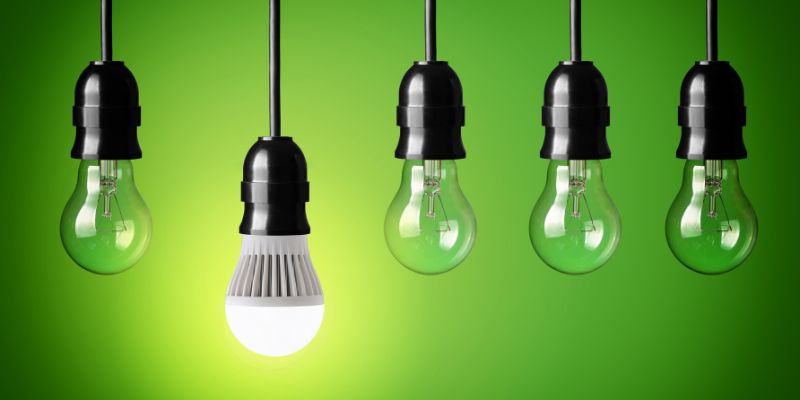
My Journey with LED Bulb Recycling
When I started using LEDs, I didn’t think much about recycling. But after replacing a bunch of bulbs in my car and home, I had a pile of dead ones in my garage. I felt like I was letting my environmental side down, so I dove into figuring out how to recycle them properly. My first stop was a local Home Depot, where I found their recycling bin.
Then I discovered HHW events and mail-back programs, which made it even easier. Now, recycling LEDs is part of my routine, like changing my car’s oil or rotating tires. It feels good to know I’m doing my part, and I love sharing what I’ve learned with friends who are just as curious.
Conclusion
Recycling LED bulbs might seem like a small thing, but it’s a big win for the planet and your peace of mind. I’ve been through the process, from tossing bulbs in the wrong bin to finding the best drop-off spots, and I can tell you it’s easier than it looks. Whether you’re recycling LEDs from your car’s headlights or your home’s lamps, there are plenty of options—local events, retail drop-offs, or mail-back programs—that fit your lifestyle.
With a little prep and know-how, you can keep hazardous materials out of landfills and give those bulbs a second life. So, next time an LED burns out, don’t stress. Grab a box, find a recycling spot, and keep your space glowing bright while doing right by the environment. You’ve got this!
FAQ
Can I throw LED bulbs in the regular trash?
No, you shouldn’t. LEDs have electronic parts that need special recycling. I take mine to a drop-off or use a mail-back program.
Are LED bulbs dangerous to recycle?
Not really. They’re much safer than CFLs since they have little to no mercury. I just handle them carefully to avoid breakage.
Where can I recycle LED bulbs from my car?
Auto parts stores like AutoZone often take them. I’ve also used Home Depot for both car and home LEDs.
Do I need to pay to recycle LED bulbs?
Most drop-off programs are free, like at Home Depot or HHW events. Mail-back programs cost a bit, around $20-$50 for a kit.
How do I know if my bulb is an LED?
Check the packaging or the bulb itself. LEDs usually say “LED” and have a plastic or glass cover, not a twisty tube like CFLs. I always double-check before recycling.