How to Remove a Key from a Door Lock: A Step-by-Step Guide
Hey there! Picture this: you’re standing at your front door, trying to pull your key out of the lock, and it just won’t budge. It’s frustrating, isn’t it? I’ve been there more times than I’d like to admit, whether it’s with my car door or my house. Over the years, I’ve learned a thing or two about how to remove a key from a door lock without losing my cool or breaking anything. This isn’t just a random chore—it’s a skill that can save you time, money, and a whole lot of stress. In this guide, I’m sharing everything I’ve picked up from my own experiences, from quick fixes to dealing with tricky situations. Whether you’re dealing with a car door, a house lock, or even a padlock, I’ve got you covered with practical tips to get that key out safely. Let’s dive in and tackle this problem together!
Why Do Keys Get Stuck in Door Locks?
Before we get to the how-to, let’s talk about why keys get stuck in the first place. I used to think it was just bad luck, but there are actual reasons this happens. Understanding these can help you prevent the problem in the future.
One common cause is dirt and grime inside the lock. Over time, dust, debris, or even tiny bits of rust can build up. I noticed this with my old apartment door lock, which got gunked up from years of use. Another culprit is a worn-out key. If your key is bent or damaged, it might not slide out smoothly. I’ve also seen locks get sticky in cold weather because the metal contracts, or in humid conditions when things swell up. Sometimes, the lock itself is faulty—maybe the pins inside are misaligned or worn. Knowing these causes helped me figure out the best way to approach a stuck key.
Tools You’ll Need to Remove a Stuck Key
When I first dealt with a stuck key, I panicked and reached for whatever was nearby. Big mistake! Having the right tools makes all the difference. Here’s what I keep in my toolbox for these situations:
- Lubricant: A can of WD-40 or graphite powder works wonders.
- Pliers or Tweezers: For gripping the key gently.
- Small Screwdriver: To help with lock components if needed.
- Paperclip or Pin: Useful for poking around in the lock.
- Cleaning Brush: A small brush, like an old toothbrush, to clean out debris.
- Rag or Cloth: To wipe down the key and lock.
- Ice Pack (optional): For cold weather when metal contracts.
You don’t need all of these every time, but having them ready saves you from scrambling. I learned this the hard way when I tried using a butter knife and nearly scratched my door.
How to Remove a Key from a Door Lock: Step-by-Step
Now, let’s get to the good stuff—how to actually get that key out. I’ve tried a bunch of methods over the years, and this process works for most situations. Follow these steps, and you’ll likely have your key free in no time.
Step 1: Stay Calm and Assess the Situation
The first time my key got stuck, I yanked on it like there was no tomorrow. Bad idea. Pulling too hard can bend the key or damage the lock. Take a deep breath and check what’s going on. Is the key fully inserted? Is it turned slightly? Is the lock frozen or just sticky? I always start by wiggling the key gently to see if it moves at all. This gives me a sense of what I’m dealing with.
Step 2: Apply Lubricant to the Lock
Lubrication is my go-to fix for most stuck keys. I grab a can of WD-40 with a thin nozzle and spray a small amount into the lock. If you don’t have WD-40, graphite powder works too, but I find WD-40 easier to use. Let it sit for a minute to loosen up any gunk. I once had a car door lock that was so sticky I thought it was broken, but a quick spray of WD-40 did the trick. Be sure to wipe away any excess to avoid a mess.
Step 3: Wiggle the Key Gently
After lubricating, I try wiggling the key again. I hold it with my fingers or use pliers for a better grip, but I’m careful not to pull too hard. I move the key side to side and up and down while applying slight pressure to pull it out. Sometimes, I turn it slightly to align it with the lock’s pins. This worked like a charm on my old house door when the key got stuck halfway.
Step 4: Tap the Lock
If the key still won’t budge, I give the lock a gentle tap. I use the handle of a screwdriver or even my fist to tap around the keyhole. This can help dislodge any stuck pins or debris inside. I did this with a padlock on my shed, and after a few taps, the key slid out easily. Just don’t go all Hulk on it—light taps are enough.
Step 5: Try Cooling or Heating
The weather can mess with locks. In cold weather, I’ve had keys get stuck because the lock contracted. I hold an ice pack against the lock for a minute to keep it cold, then try wiggling again. In hot or humid conditions, I’ve used a hairdryer on low to warm the lock slightly. This expands the metal just enough to free the key. I learned this trick when my car key got stuck during a freezing winter morning.
Step 6: Check for a Bent Key
If the key still won’t come out, I will take a close look at it. A bent key can get lodged in the lock. I’ve had this happen with an old key I kept on a crowded keychain. If it’s bent, I use pliers to gently straighten it while it’s still in the lock. If it’s too damaged, I will stop here and call a locksmith to avoid breaking it off.
Step 7: Use a Paperclip or Pin
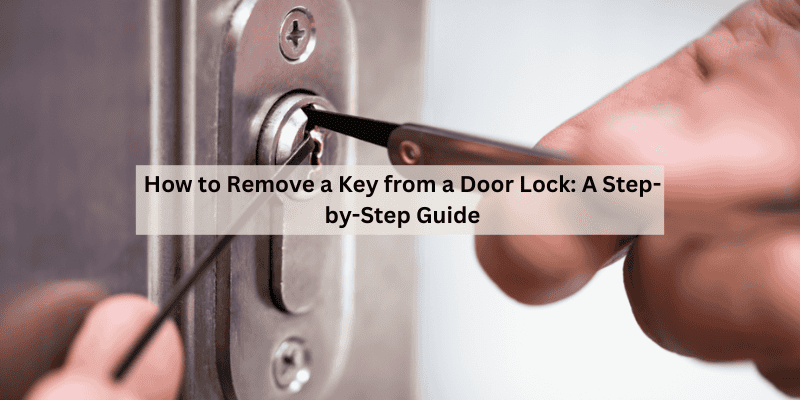
For really stubborn cases, I straighten a paperclip or grab a thin pin and carefully insert it alongside the key. This can help push out debris or realign pins. I did this once with a rusty gate lock, and it worked after a few minutes of careful poking. Be gentle—you don’t want to damage the lock’s internal parts.
Step 8: Call a Professional if Needed
If none of these work, it’s time to admit defeat and call a locksmith. I’ve only had to do this once, when a key got stuck in my car’s ignition (a similar principle to a door lock). The locksmith had it out in minutes and saved me from damaging the lock. It’s worth the cost if you’re worried about breaking something.
Here’s a quick reference table for the steps:
| Step | Action | Tools Needed | Notes |
|---|---|---|---|
| Assess | Gently move the key | None | Stay calm, don’t force it |
| Lubricate | Apply WD-40 or graphite | Lubricant | Let it sit for a minute |
| Wiggle | Use an ice pack or a hairdryer | Pliers (optional) | Don’t pull too hard |
| Tap | Use a paperclip or pin | Screwdriver handle | Dislodges stuck pins |
| Cool/Heat | Tap the lock lightly | Ice pack, hairdryer | For weather-related issues |
| Check Key | Look for bends | Pliers | Straighten carefully |
| Poke | Use a paperclip or a pin | Paperclip, pin | Remove debris gently |
| Call Pro | Contact locksmith | Phone | Last resort |
Special Cases: Car Door Locks vs. House Locks
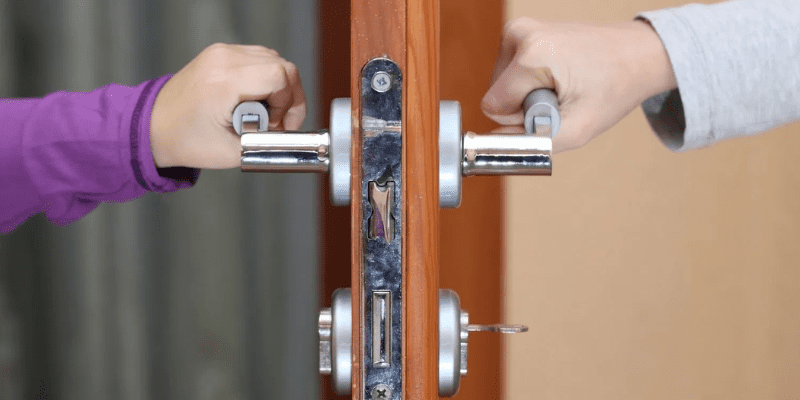
I’ve noticed that car door locks and house door locks can behave differently. Car locks are often more compact, so they’re prone to getting sticky from dust or rust. I had a key get stuck in my old sedan’s door, and lubrication worked best. House locks, like deadbolts, might have more complex mechanisms, so tapping or poking with a paperclip helps more. For car ignitions, which are similar to door locks, I avoid forcing the key and focus on wiggling while turning the steering wheel slightly to release tension.
Preventing Keys from Getting Stuck
Once I got the hang of removing stuck keys, I started thinking about how to prevent it from happening again. Here are some tricks I’ve picked up:
- Keep Locks Clean: I use a small brush to clean out the keyhole every few months. It keeps dirt from building up.
- Lubricate Regularly: A quick spray of WD-40 every six months keeps things smooth. I do this for both my car and house locks.
- Check Your Keys: I inspect my keys for wear and replace them if they’re bent. I had a key duplicate made when I noticed one was starting to warp.
- Avoid Overloading Keychains: Too many keys or heavy trinkets can bend your key over time. I slimmed down my keychain, and it helped.
- Protect in Bad Weather: In winter, I cover my car lock with a small piece of tape to keep moisture out. It’s a simple fix that works.
Common Mistakes to Avoid
I’ve made plenty of mistakes dealing with stuck keys. Here’s what I’ve learned to steer clear of:
- Yanking Too Hard: I bent a key once by pulling too forcefully. Now I’m patient and gentle.
- Using the Wrong Lubricant: I tried cooking oil once (don’t ask), and it made things worse. Stick to WD-40 or graphite.
- Ignoring the Problem: If the key sticks even a little, don’t wait. I ignored a sticky lock once, and it turned into a bigger headache.
- Forcing the Wrong Tools: Using a knife or a random object can damage the lock. I stick to proper tools now.
When to Replace Your Lock or Key
Sometimes, a stuck key is a sign of a bigger issue. If your key gets stuck often, the lock might be worn out. I had to replace my front door lock after it kept jamming, even after cleaning. Same goes for the key—if it’s bent or worn, get a new one made. I learned that a locksmith can test your lock and key to see if they’re still good. It’s a small investment to avoid bigger problems.
My Personal Journey with Stuck Keys
I’ll never forget the first time I got a key stuck in my car door. It was pouring rain, I was late for work, and I was tugging at the key like my life depended on it. After that disaster, I started researching and experimenting. I’ve dealt with stuck keys in house doors, car doors, and even a rusty old padlock. Each time, I learned something new, like the magic of WD-40 or the importance of staying calm. Now, I feel like a bit of a pro, and I love sharing these tips to help others avoid the same frustration.
Conclusion
Getting a key stuck in a door lock is one of those annoying moments that can throw off your whole day. But with a little patience and the right approach, you can handle it like a champ. From my own trial and error, I’ve found that staying calm, using lubricant, and gently wiggling the key usually does the trick. Whether it’s a car door, house lock, or something else, the steps I’ve shared—lubricating, tapping, and checking for damage—work in most cases. Regular maintenance, like cleaning and lubricating your locks, can prevent these headaches altogether. So, next time your key gets stuck, don’t panic. Grab your tools, follow these steps, and you’ll have that key out in no time. Your door (and your sanity) will thank you!
FAQs
Why does my key keep getting stuck in the lock?
Dirt, rust, or a worn-out key can cause this. I clean my locks regularly and check my keys for bends to prevent it.
Can I use oil instead of WD-40 to lubricate a lock?
I wouldn’t. Cooking oil or similar can gunk up the lock. Stick to WD-40 or graphite powder for the best results.
What should I do if my key breaks off in the lock?
Don’t try to dig it out yourself—you might damage the lock. I’d call a locksmith to remove it safely.
How often should I lubricate my door locks?
I lubricate mine every six months. It keeps them smooth and prevents keys from sticking.
Can cold weather cause a key to get stuck?
Yes, cold can make metal contract, trapping the key. I use an ice pack to keep the lock cold or a hairdryer to warm it slightly.
Is it better to replace a key or the lock if it keeps sticking?
Check the key first—if it’s bent, replace it. If the lock keeps jamming even with a new key, I’d replace the lock.