How to Remove Black Spots from Hardwood Floors Fast
Seeing black spots on your beautiful hardwood floors can be upsetting. Many people, especially those new to wood floor care, find these marks tough to tackle. You might wonder if you need special tools or harsh chemicals.
Don’t worry. This guide will show you simple, step-by-step ways to get rid of those stubborn spots quickly and easily. We’ll cover what causes them and how to make your floors look great again.
Understanding Black Spots on Hardwood Floors
This section helps you understand why black spots appear on your hardwood floors. Knowing the cause is the first step to effectively removing them. We will explore common reasons for these marks, from everyday spills to more persistent issues. This knowledge will empower you to choose the right cleaning method.
Common Causes of Black Spots
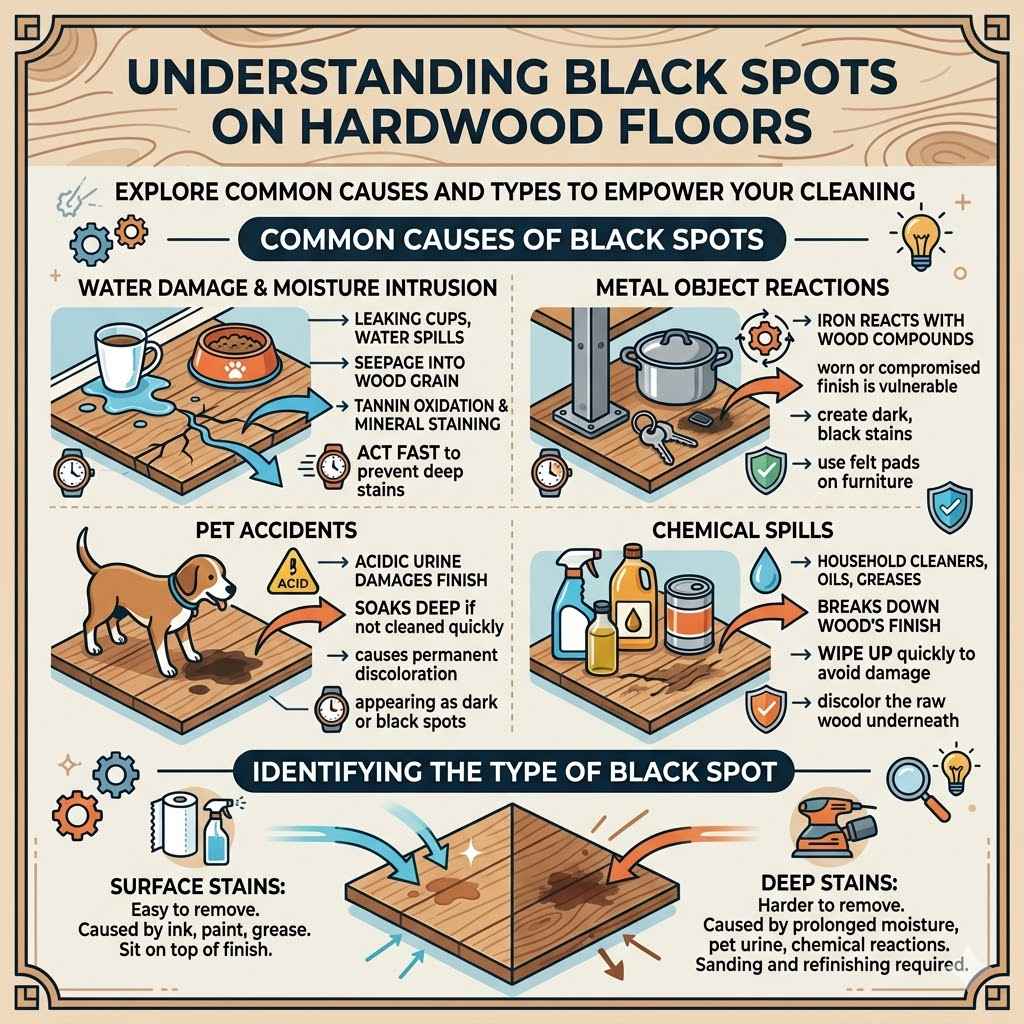
Black spots can pop up on hardwood floors for various reasons. Often, they are caused by moisture. Metal objects left on the floor, like furniture legs or metal toys, can react with the wood and create dark stains. Water or pet accidents that are not cleaned up promptly can also lead to deep, dark spots as the moisture penetrates the wood finish and the wood itself. Even certain types of shoes can leave marks if they track in abrasive dirt or chemicals.
Water Damage and Moisture Intrusion
This is a leading cause of black spots. When water sits on hardwood floors for too long, it can seep into the wood grain. This moisture can cause the tannins in the wood to oxidize and turn dark. If the water contains minerals, it can also contribute to staining. Addressing water spills immediately is key to preventing these deep marks. The longer moisture is present, the harder it is to remove the resulting stain.
Metal Object Reactions
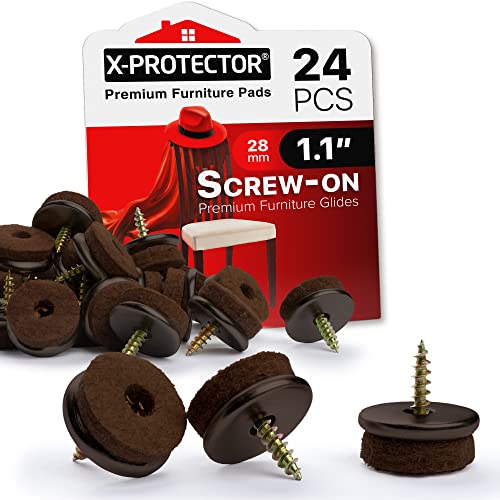
The iron in metal objects can react with the wood’s natural compounds, especially if the finish is worn or compromised. This chemical reaction creates a dark, often black, stain. Common culprits include metal furniture legs, cast iron cookware, or even certain types of toys. Protecting your floors with felt pads on furniture can prevent this from happening.
Pet Accidents
Pet urine is highly acidic and can quickly damage hardwood floors. If not cleaned up thoroughly and promptly, pet urine can soak into the wood and cause permanent discoloration, often appearing as dark or black spots. The longer the urine sits, the deeper the stain will penetrate the wood.
Chemical Spills
Certain household chemicals, cleaning products, or even spilled oils and greases can cause dark stains on hardwood. If these substances are not wiped up quickly, they can break down the wood’s finish and discolor the wood itself.
Identifying the Type of Black Spot
Not all black spots are the same. Some might be surface stains, while others are deeper. Understanding the type of spot helps in choosing the best removal method. Surface stains are usually easier to clean. Deeper stains might require more effort or specialized treatments.
Surface Stains vs. Deep Stains
Surface stains are those that sit on top of the wood finish. They are often caused by things like spilled ink, paint, or greasy residues. These are typically easier to remove with common cleaning agents. Deep stains, on the other hand, have penetrated the wood itself. These are often caused by prolonged moisture exposure, pet accidents, or chemical reactions. They require more aggressive cleaning or even sanding and refinishing.
Discoloration from Finish Damage
Sometimes, what appears as a black spot is actually damage to the wood’s protective finish. If the finish is worn away, the raw wood underneath can be more susceptible to staining and discoloration from everyday wear and tear or spills.
How to Remove Black Spots from Hardwood Floors Fast
This section focuses on practical methods to eliminate black spots. We will provide clear, step-by-step instructions that are easy for anyone to follow. These techniques aim to get your floors looking like new without causing further damage.
Gentle Cleaning Methods for Surface Stains
Start with the least abrasive methods. These are often effective for newer or less severe stains and protect your floor’s finish.
Method 1 Mild Soap and Water
For many light surface stains, a simple solution of mild dish soap and water can do the trick.
- Mix a small amount of mild dish soap with warm water.
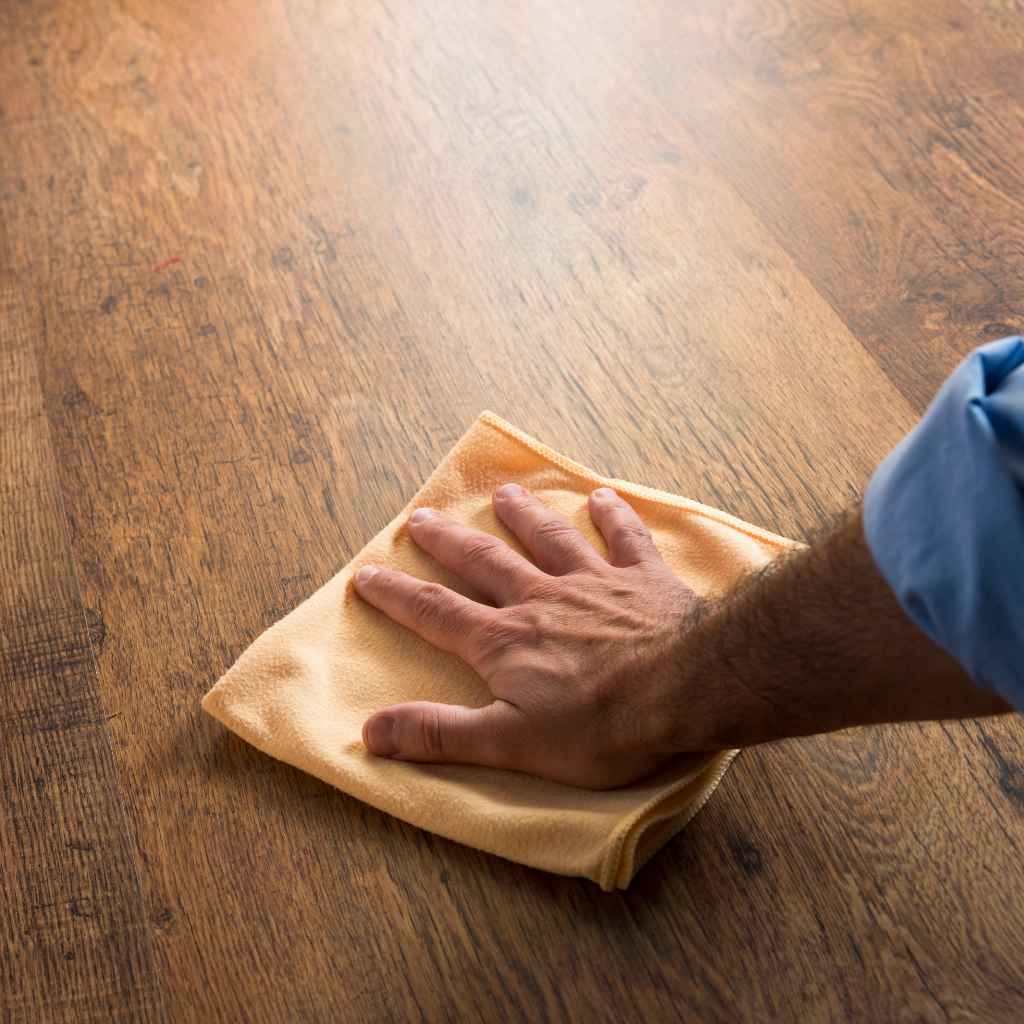
- Dampen a soft cloth with the solution. Wring it out well so it is not dripping.
- Gently wipe the black spot. Work from the outside of the spot inward.
- Wipe the area clean with a damp cloth (just water).
- Dry the spot immediately with a clean, dry cloth.
Method 2 Baking Soda Paste
Baking soda is a mild abrasive that can help lift stains without scratching the finish.
- Make a paste by mixing baking soda with a little water.
- Apply the paste to the black spot with a soft cloth or sponge.
- Let it sit for a few minutes.
- Gently rub the spot in a circular motion.
- Wipe away the paste with a damp cloth.
- Dry the area thoroughly.
Dealing with Deeper Stains and Stubborn Spots
When simple cleaning isn’t enough, you might need slightly stronger approaches. Always test these methods in an inconspicuous area first.
Method 3 White Vinegar Solution
White vinegar is acidic and can help break down certain types of stains.
- Mix equal parts white vinegar and water.
- Dampen a soft cloth with the mixture and wring it out.
- Gently rub the stained area.
- Rinse the area with a clean, damp cloth.
- Dry the floor immediately.
Vinegar is a great natural cleaner, but it’s important to use it diluted. The acid can damage certain finishes if used too strong or left on too long. Always follow up with a damp cloth rinse to remove any vinegar residue.
Method 4 Hydrogen Peroxide (for Light-Colored Woods)
For dark spots on lighter wood floors, hydrogen peroxide can sometimes lighten the stain. Use this cautiously.
- Apply a small amount of 3% hydrogen peroxide to a cotton ball or soft cloth.
- Dab the black spot with the peroxide-soaked cloth. Do not oversaturate.
- Let it sit for a short time (no more than 5-10 minutes).
- Wipe the area with a clean, damp cloth.
- Dry thoroughly.
Hydrogen peroxide has bleaching properties. It is best used on light-colored wood floors where it can help lift dark stains without leaving a lighter patch. Always test in a hidden spot first.
Never use on dark or stained wood unless you are prepared for potential lightening of the wood color itself.
When to Consider Sanding and Refinishing
Sometimes, black spots are too deep to remove with cleaning alone. In these cases, sanding and refinishing the affected area or the entire floor might be necessary. This is a more involved process but can restore your floors to their original beauty.
The Sanding Process Explained
Sanding removes the top layer of the wood, including the stain. It’s usually done with progressively finer grits of sandpaper.
- Clean the floor thoroughly to remove any dirt or debris.
- Start with a coarse grit sandpaper to remove the damaged layer.
- Follow with medium and then fine grit sandpaper to smooth the surface.
- Vacuum all dust.
- Apply a stain that matches your existing floor color, if needed.
- Apply several coats of a protective finish (polyurethane, etc.).
Sanding is a job that can be done by a homeowner, but renting professional sanding equipment is often recommended for best results. It is crucial to sand evenly to avoid creating low spots or uneven textures. The goal is to remove just enough wood to get rid of the stain.
Preventing Future Black Spots on Hardwood Floors
Prevention is always better than cure. Taking simple steps can help keep your hardwood floors looking pristine and free from unsightly black spots. This section will outline easy habits to adopt.
Protecting Your Floors from Moisture
Controlling moisture is the most crucial step in preventing many types of wood floor damage, including black spots.
Wipe Up Spills Immediately
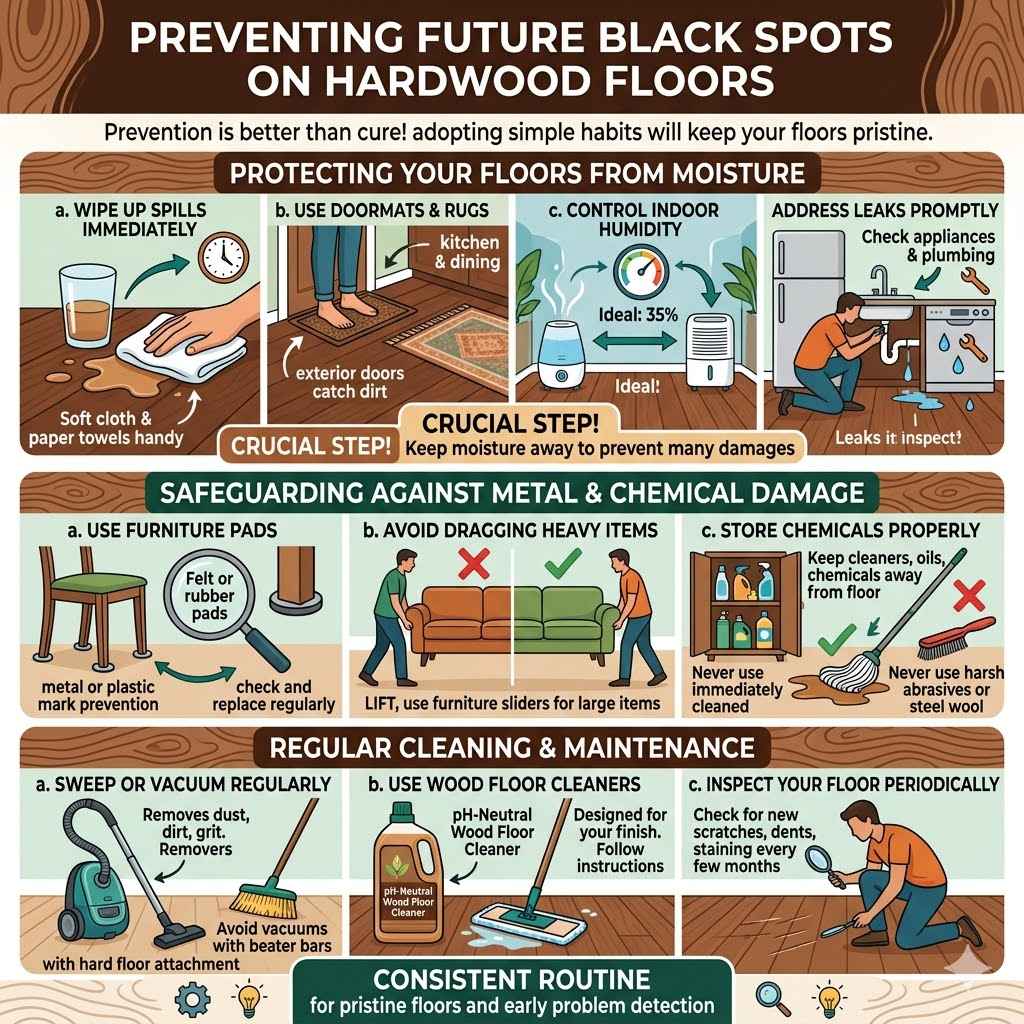
Always keep a soft cloth or paper towels handy to wipe up any spills as soon as they happen. Do not let liquids sit on the floor, even for a few minutes. This applies to water, juice, wine, or anything else that might be spilled.
Use Doormats and Rugs
Place doormats at all exterior doors to catch dirt and moisture from shoes. Use area rugs in high-traffic zones and in areas prone to spills, such as the kitchen or dining room. This provides an extra layer of protection.
Control Indoor Humidity
Excessive humidity can cause wood to expand, and very low humidity can cause it to contract. Both can make the finish more susceptible to damage. Using a humidifier or dehumidifier can help maintain a stable environment for your floors. Aim for a humidity level between 35% and 55%.
Address Leaks Promptly
Regularly check for any leaks from appliances like dishwashers, refrigerators, or plumbing. Fix any leaks immediately to prevent water damage from reaching your hardwood floors.
Safeguarding Against Metal and Chemical Damage
Certain items can cause damage even without direct moisture.
Use Furniture Pads
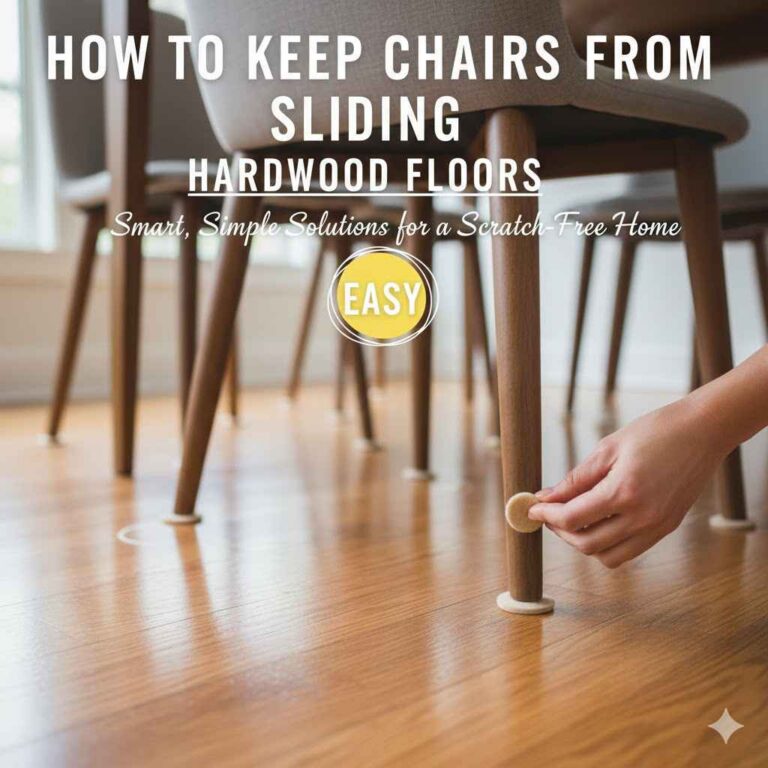
Attach felt or rubber pads to the legs of all furniture. This prevents metal or hard plastic legs from scratching the floor or causing dark marks from friction or reaction. Check and replace these pads regularly as they wear down.
Avoid Dragging Heavy Items
Always lift heavy furniture or appliances instead of dragging them across the floor. Dragging can scratch the finish and expose the wood to damage. Use furniture sliders when moving large items.
Store Chemicals Properly
Keep cleaning supplies, oils, and other chemicals away from the floor. If a spill occurs, clean it up immediately and thoroughly to prevent staining or finish damage. Never use harsh abrasive cleaners or steel wool on your hardwood floors.
Regular Cleaning and Maintenance
A consistent cleaning routine keeps your floors looking good and helps you spot potential problems early.
Sweep or Vacuum Regularly
Use a soft-bristle broom or a vacuum cleaner with a hard floor attachment. This removes dust, dirt, and grit that can scratch the floor’s finish over time. Avoid vacuums with beater bars that can damage wood.
Use Wood Floor Cleaners
Use a pH-neutral wood floor cleaner specifically designed for your type of finish. Apply it according to the manufacturer’s instructions, typically with a damp mop. Ensure the mop is not too wet.
Inspect Your Floor Periodically
Take time every few months to look over your floors closely. Check for any new scratches, dents, or potential signs of staining. Addressing issues when they are small makes them much easier to fix.
Frequently Asked Questions
Question: What is the fastest way to remove a fresh black spot from my hardwood floor?
Answer: For a fresh black spot, try dabbing it immediately with a clean, damp cloth. If that doesn’t work, a paste of baking soda and water applied for a few minutes can often lift surface stains quickly. Always dry the area well afterward.
Question: Can I use bleach to remove black spots?
Answer: It is generally not recommended to use bleach on hardwood floors. Bleach can damage the wood finish and even discolor the wood itself, potentially creating a lighter, noticeable patch that is harder to fix than the original spot.
Question: How do I know if a black spot is permanent?
Answer: If a black spot remains after trying gentle cleaning methods and even a mild abrasive like baking soda, it has likely penetrated the wood. These deeper stains may require sanding to remove.
Question: What if the black spot is from pet urine?
Answer: Pet urine stains are tough. You’ll want to clean it up immediately. For established stains, try an enzymatic cleaner designed for pet stains, or you may need to sand the area.
Hydrogen peroxide can sometimes help on lighter woods, but test first.
Question: How often should I clean my hardwood floors?
Answer: For daily maintenance, sweep or vacuum your hardwood floors every day or every other day to remove dust and grit. A damp mopping with a wood floor cleaner should be done about once a week, or more often if needed, depending on traffic and household activity.
Wrap Up
Addressing black spots on hardwood floors is manageable with the right approach. You’ve learned common causes like moisture and metal contact. Simple methods like mild soap or baking soda paste can tackle many surface spots. For tougher stains, diluted vinegar or hydrogen peroxide might help, and sanding is an option for deep damage. By following preventative measures, such as wiping spills fast and using furniture pads, you can keep your floors looking great. Your beautiful hardwood floors are worth the care.