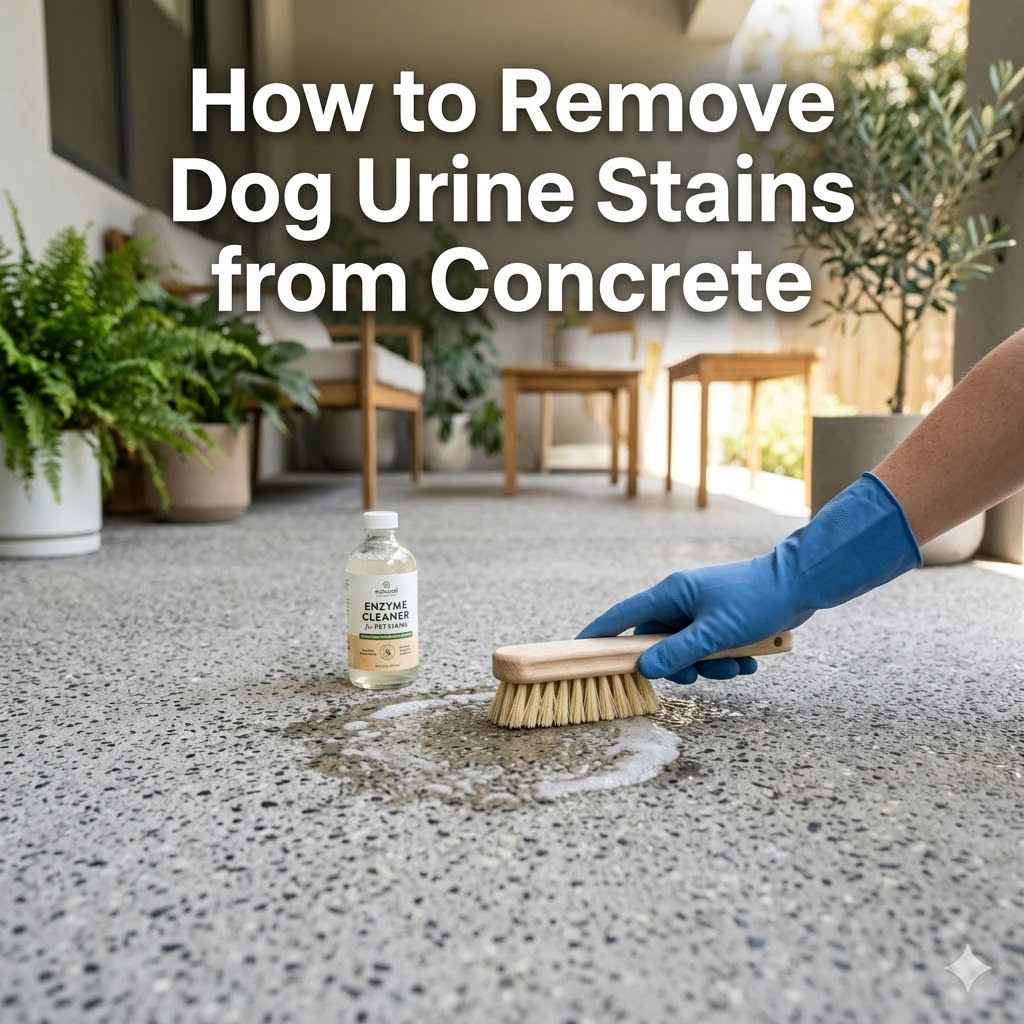
How to Remove Dog Urine Stains from Concrete
It’s a common problem for dog owners dealing with outdoor spaces: those stubborn, smelly spots left behind by your furry friend. Concrete seems tough, but it can actually soak up liquids, making it tricky to fully clean. This is especially true for newcomers to pet ownership who might not know the best ways to tackle these stains.
Don’t worry, though! We’ve got a simple, step-by-step guide to help you get your concrete looking and smelling fresh again. We’ll walk you through everything you need to know.
How to Remove Dog Urine Stains from Concrete
This section is all about getting rid of those unwelcome marks on your concrete. Dog urine can be a real nuisance, leaving behind not just visual stains but also lingering odors. Over time, these stains can become set in, making them harder to lift.
We will explore different methods and products that are effective for breaking down the urine’s compounds and lifting them from the porous surface of concrete. The goal is to return your concrete areas to their original clean state without damaging the material itself.
Understanding Concrete and Urine Stains
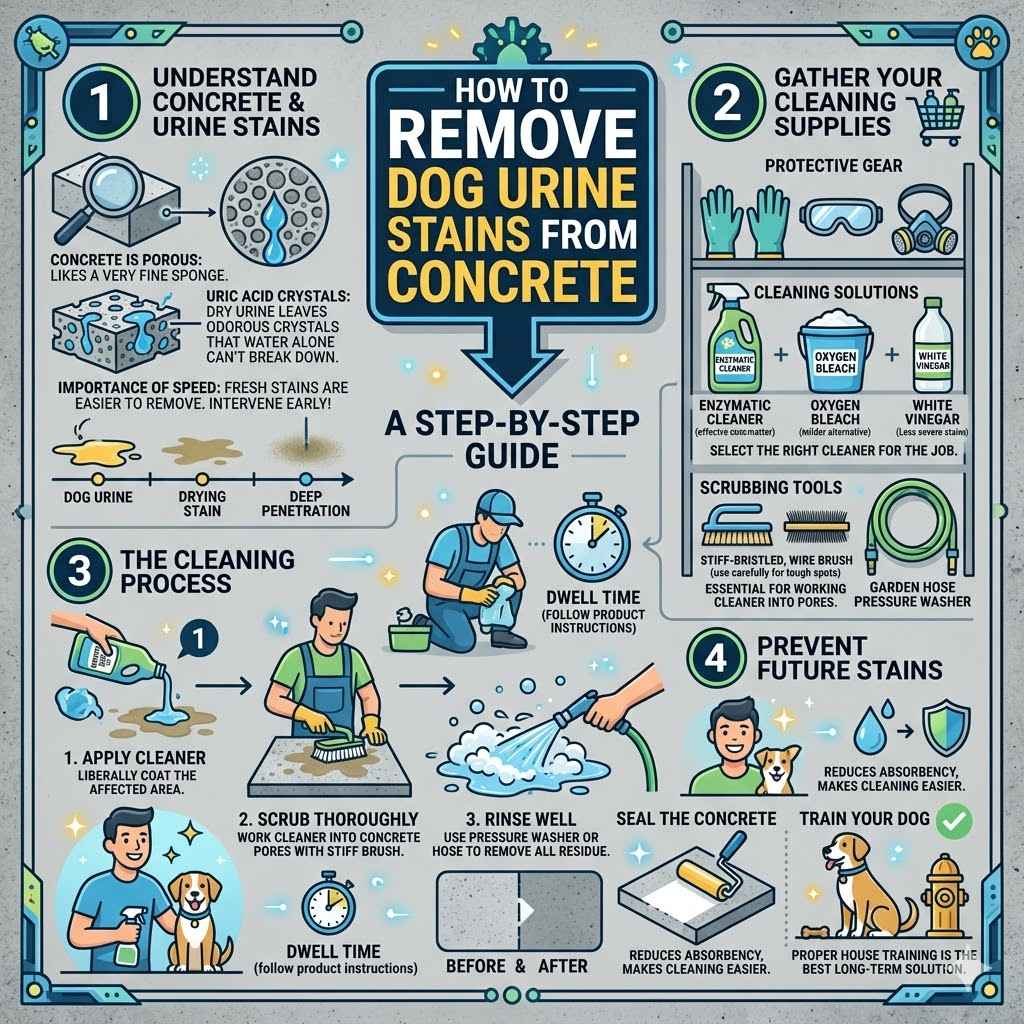
Concrete is a porous material, meaning it has tiny holes and gaps. This is why liquids like dog urine can soak into it. The urine contains uric acid, which doesn’t dissolve in water easily.
When it dries, the uric acid crystals remain, causing the stain and the odor. The longer the urine sits, the deeper it penetrates and the harder it is to remove.
Porous Nature of Concrete
Concrete’s surface is not smooth at a microscopic level. It’s like a very fine sponge. This absorbency is a key reason why cleaning is challenging because the urine sinks into these pores. Unlike a non-porous surface like tile, where liquid stays on top, concrete allows it to seep in. This deep penetration is what leads to persistent odors and tough stains.
Uric Acid Crystals
The main culprit behind the stain and smell is uric acid, found in dog urine. This compound crystallizes as it dries. These crystals are what cause the persistent odor, especially when the concrete gets wet again. Simple washing with water won’t break down these crystals. You need special cleaning agents to effectively neutralize them.
The Importance of Speed
Acting quickly is crucial when dealing with dog urine stains. The fresher the stain, the easier it is to remove. When urine sits for days or weeks, the uric acid has more time to bond with the concrete and create stronger, deeper stains. Early intervention significantly increases your chances of complete removal.
Gathering Your Cleaning Supplies
Before you start cleaning, it’s important to have the right tools and cleaning solutions. Using the wrong products can sometimes make the stain worse or even damage your concrete. We will list essential items and discuss why each one is important for the cleaning process.
Having everything ready ensures a smooth and efficient cleaning session.
Protective Gear
Always wear gloves and eye protection when handling cleaning solutions. Some of these can be harsh. This is to keep your skin and eyes safe from irritation or accidental splashes. Safety should always be the first priority when you are tackling any cleaning job, especially with stronger solutions.
Cleaning Solutions
You’ll need a good cleaner. Options include enzymatic cleaners, oxygen bleach solutions, or even a simple mix of white vinegar and water for less severe stains. Enzymatic cleaners are particularly effective because they contain enzymes that break down organic matter like urine. Oxygen bleach is a milder alternative to chlorine bleach and is often safe for concrete.
Scrubbing Tools
A stiff-bristled brush is essential for working the cleaner into the concrete pores. You might also need a garden hose with a strong spray setting or a pressure washer for rinsing. For very tough spots, a wire brush might be necessary, but use it carefully to avoid scratching the concrete surface.
Effective Methods to Remove Dog Urine Stains
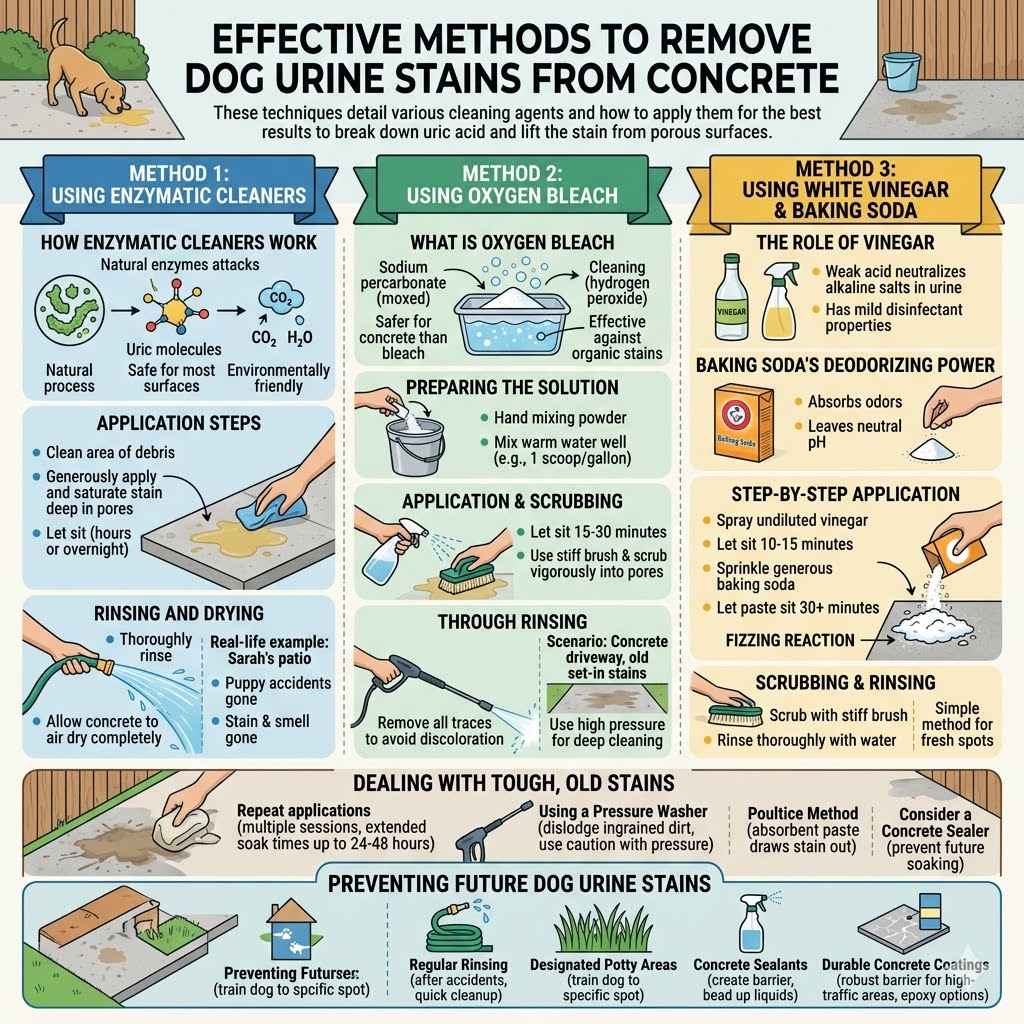
This section will detail various techniques for cleaning dog urine stains from concrete. We’ll cover different cleaning agents and how to apply them for the best results. The key is to break down the uric acid and lift the stain from the porous surface.
We aim to provide practical, easy-to-follow steps for each method.
Method 1 Using Enzymatic Cleaners
Enzymatic cleaners are often considered the gold standard for pet stain removal. These cleaners use natural enzymes to break down the organic compounds in urine. This process not only removes the stain but also eliminates the odor-causing bacteria.
They are generally safe for most surfaces and are environmentally friendly.
How Enzymatic Cleaners Work
Enzymes are biological molecules that speed up chemical reactions. In cleaners, specific enzymes target the uric acid and other components of urine. They essentially “eat” the stain and odor, breaking them down into harmless substances like carbon dioxide and water. This is a natural process that is very effective.
Application Steps
First, ensure the area is free of loose debris. Then, generously apply the enzymatic cleaner directly to the stained area. It’s important to saturate the stain so the cleaner can reach deep into the pores. Let it sit for the time recommended on the product label, usually several hours or even overnight. The cleaner needs time to work.
Rinsing and Drying
After the cleaner has had sufficient time to work, rinse the area thoroughly with water. A hose or pressure washer can be helpful here. Allow the concrete to air dry completely. You might notice a slight residual smell as the enzymes finish their work. This smell will dissipate as the area dries.
Real-life example: Sarah used an enzymatic cleaner on her patio after her new puppy had a few accidents. She followed the instructions, leaving the cleaner on overnight. The next morning, she rinsed it off.
The stain and the lingering smell were completely gone. She was amazed at how effective it was compared to her previous attempts with soap and water.
Method 2 Using Oxygen Bleach
Oxygen bleach is a powerful stain remover that is safer for concrete than chlorine bleach. It works by releasing oxygen when mixed with water, which helps to lift stains and neutralize odors. It is a good option for more stubborn stains where enzymatic cleaners might need a little extra help.
What is Oxygen Bleach
Oxygen bleach, like sodium percarbonate, is a chemical compound that releases hydrogen peroxide when dissolved in water. This forms a cleaning and whitening agent that is effective against organic stains. It is a powdered form that you mix with water. It is generally color-safe and less damaging to materials than chlorine bleach.
Preparing the Solution
Mix the oxygen bleach powder with warm water according to the product’s instructions. Typically, you’ll use about one scoop of powder for a gallon of water. Stir it well until the powder is completely dissolved. Ensure you are in a well-ventilated area when mixing.
Application and Scrubbing
Pour or spray the solution directly onto the urine stain. Let it sit for about 15-30 minutes, allowing the oxygen to work. Then, use a stiff-bristled brush to scrub the stained area vigorously. Work the solution into the concrete pores to lift the stain.
Thorough Rinsing
Rinse the area completely with clean water. A strong spray from a hose or a pressure washer is ideal to remove all traces of the cleaner and the lifted stain. Make sure no residue is left behind, as this could potentially discolor the concrete over time.
A sample scenario for using oxygen bleach: Imagine a concrete driveway with a few old, set-in dog urine stains that smell even after rain. You’ve tried soap and water with no luck. Mix up a batch of oxygen bleach solution, pour it over the stains, let it bubble for 30 minutes, scrub hard with a brush, and then rinse thoroughly with a pressure washer.
The stains and odors should significantly improve, if not disappear completely.
Method 3 Using White Vinegar and Baking Soda
For lighter stains or as a more natural alternative, a combination of white vinegar and baking soda can be effective. Vinegar is acidic and can help break down urine, while baking soda acts as a natural deodorizer and mild abrasive. This method is gentle on concrete and safe for the environment.
The Role of Vinegar
White vinegar is a weak acid that can help to neutralize the alkaline salts in urine. It also has mild disinfectant properties. When sprayed on the stain, it begins to break down the odor-causing compounds and can help lift the discoloration. Its acidity is key to this process.
Baking Soda’s Deodorizing Power
Baking soda is a remarkable natural deodorizer. It absorbs odors rather than masking them. When used with vinegar, it creates a fizzing reaction that can help lift dirt and stains from porous surfaces. It also leaves behind a neutral pH.
Step-by-Step Application
First, spray undiluted white vinegar generously over the stain. Let it sit for about 10-15 minutes. Then, sprinkle a generous amount of baking soda over the vinegar-soaked area. You will see a fizzing reaction. Let this paste sit for at least 30 minutes, or longer for tough stains.
Scrubbing and Rinsing
After the paste has dried, scrub the area with a stiff brush. Once scrubbed, rinse the entire area thoroughly with water. You may need to repeat this process for older or deeper stains. The combination is effective due to the chemical reactions involved.
Consider this: You notice a fresh dog urine spot on your patio. You don’t have any special cleaners handy. Grab your white vinegar and baking soda.
Spray the vinegar, let it soak in for a few minutes, then sprinkle baking soda on top. Watch it fizz! Let it sit for half an hour, then scrub with your brush and rinse with the hose.
This quick, simple method often works wonders for fresh spots.
Dealing with Tough, Old Stains
Sometimes, dog urine stains have been on concrete for a long time. These older stains are more challenging because they have had ample time to penetrate deeply into the concrete. This requires more persistent and potentially stronger cleaning methods.
We will cover strategies to tackle these stubborn marks effectively.
Repeat Applications
For very old or deeply ingrained stains, one cleaning session might not be enough. Be prepared to repeat your chosen cleaning method multiple times. Sometimes, letting the cleaner sit for extended periods, even up to 24 hours (especially with enzymatic cleaners), can make a significant difference. Patience is key.
Using a Pressure Washer
A pressure washer can be very effective for older stains. The high-pressure water can help to dislodge ingrained dirt and urine residues from the concrete pores. However, use caution with high pressure, as it can also damage older or weaker concrete surfaces if used too aggressively. Start with a lower setting and increase if necessary.
Poultice Method
For extremely stubborn stains, a poultice can be helpful. A poultice is a paste made from an absorbent material (like Fuller’s earth or kaolin clay) mixed with a cleaning agent (like hydrogen peroxide or an enzymatic cleaner). You apply this paste to the stain, cover it with plastic wrap, and let it dry completely. As it dries, it draws the stain out of the concrete.
Consider a Concrete Sealer
Once you have successfully removed the stains, it’s a good idea to seal your concrete. A good concrete sealer will make the surface less porous, preventing future stains from soaking in so deeply. This will make cleaning much easier down the line and protect your concrete.
Real-life example: John had a persistent urine smell on his garage floor from his dog years ago. He tried various cleaners without success. He decided to use an enzymatic cleaner and leave it for 48 hours.
Then, he used a stiff wire brush followed by a moderate-pressure wash. The smell finally vanished, and the dark discoloration lightened considerably. He then sealed the concrete.
Preventing Future Dog Urine Stains
Once you’ve successfully cleaned your concrete, you’ll want to prevent future stains. Prevention is always easier than cure. This section will offer practical advice on how to keep your concrete areas clean and odor-free.
Small changes can make a big difference.
Regular Rinsing
After your dog has urinated on the concrete, take a moment to rinse the area with plain water from a hose. This simple action can prevent the urine from drying and soaking in, making it much easier to maintain clean concrete surfaces. It’s a quick habit to adopt.
Designated Potty Areas
If possible, train your dog to use a specific area for their bathroom needs. This could be a patch of grass, a gravel area, or a designated potty spot. By directing your dog to a specific zone, you can concentrate any cleaning efforts to a smaller, manageable area.
Concrete Sealants
As mentioned, applying a high-quality concrete sealer is one of the most effective ways to prevent future stains. Sealants create a barrier on the concrete surface, making it less absorbent. This means liquids like urine will bead up on the surface, allowing for easy cleanup before they have a chance to soak in.
Durable Concrete Coatings
For high-traffic areas or surfaces that are frequently subject to pet accidents, consider a more durable concrete coating. Epoxy coatings or concrete sealers with enhanced durability can provide a robust barrier against stains and odors, simplifying maintenance significantly. These coatings are designed for longevity.
Frequently Asked Questions
Question: How quickly should I clean up dog urine on concrete?
Answer: You should clean up dog urine on concrete as soon as possible. The fresher the stain, the easier it is to remove before it soaks into the porous surface and causes odors.
Question: Can chlorine bleach be used to clean dog urine stains from concrete?
Answer: It is generally not recommended to use chlorine bleach on concrete for dog urine stains. It can damage the concrete, and the fumes can be harmful. Oxygen bleach is a safer alternative.
Question: Will vinegar and baking soda get rid of the smell?
Answer: Yes, the combination of white vinegar and baking soda is very effective at neutralizing odors from dog urine. Vinegar breaks down the acids, and baking soda absorbs residual smells.
Question: How long does it take for enzymatic cleaners to work?
Answer: Enzymatic cleaners typically need to sit for several hours, or even overnight, to effectively break down organic matter like urine. Always check the product instructions for specific timing.
Question: Is it possible to permanently remove old, set-in urine stains?
Answer: While old, set-in stains can be very challenging, repeated treatments with strong cleaners, thorough scrubbing, and possibly pressure washing can significantly lighten or remove them. Sealing the concrete afterward is recommended.
Wrap Up
Effectively tackling dog urine stains on concrete is achievable with the right methods. By understanding concrete’s porous nature and using appropriate cleaners like enzymatic solutions or oxygen bleach, you can restore your surfaces. Remember to act fast, scrub well, and rinse thoroughly.
Implementing preventive measures like regular rinsing and sealing will keep your concrete looking and smelling fresh for longer.