How to Remove Dried Latex Paint from Carpet
When paint splatters happen, it’s easy to feel a bit panicked, especially when it lands on your carpet. For many people, figuring out How to Remove Dried Latex Paint from Carpet can seem like a big challenge. This is because dried paint can stick firmly to carpet fibers, making it tough to lift off.
But don’t worry! We’ve got a simple, step-by-step guide to help you tackle those paint spots like a pro. Get ready to learn the easy way to make your carpet look good as new.
Scraping Away Dried Latex Paint
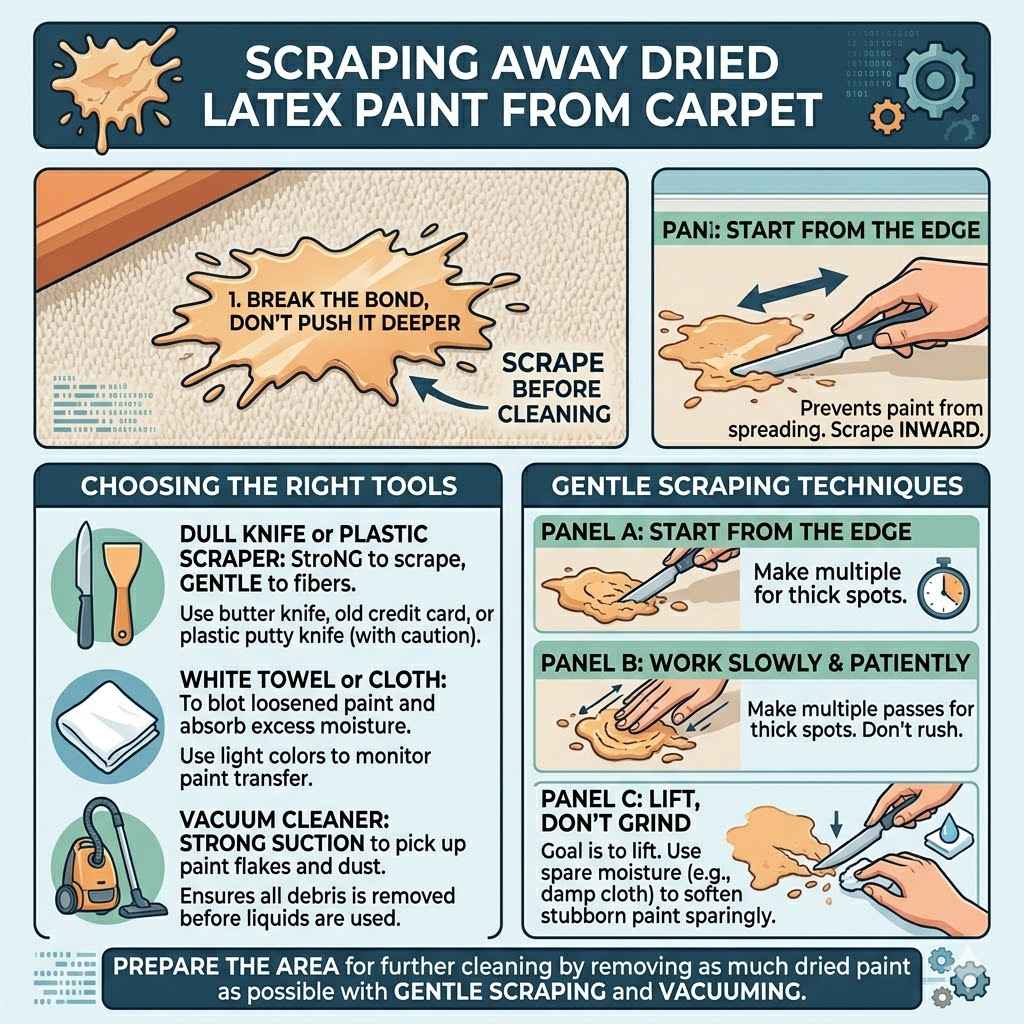
Before you try any cleaning solutions, the first and most important step is to physically remove as much of the dried paint as possible. This might seem obvious, but it’s key to making the rest of the cleaning process much easier and more effective. Gentle scraping can prevent you from pushing the paint deeper into the carpet fibers or spreading it around.
It also helps to break the bond the dried paint has with the carpet, giving your chosen cleaning agents a better chance to work.
Choosing the Right Tools
Having the right tools makes this initial removal step much smoother. You want something that can get under the paint without damaging your carpet. A dull knife, like a butter knife, is a great option because it’s strong enough to scrape but not sharp enough to cut carpet fibers.
A plastic scraper or even an old credit card can also work well. For larger or thicker dried paint patches, you might consider a putty knife, but always use it with extreme caution to avoid snagging or tearing the carpet.
Dull Knife or Scraper: This is your primary tool. Always try to scrape from the outside edge of the paint spot inward. This prevents the paint from spreading and creating a larger mess.
Work slowly and patiently. For thick blobs of paint, you might need to make several passes. The goal here is to lift off as much of the dried paint as possible before you introduce any liquids.
Vacuum Cleaner: Once you’ve scraped away the loose pieces, a good vacuum cleaner is essential. Use a strong suction setting to pick up any small paint flakes or dust. This not only cleans up your work area but also removes any tiny particles that might be left behind.
Make sure to go over the area several times to ensure all debris is removed. This prepares the spot for the next stage of cleaning.
Towel or Cloth: Have a clean, dry towel or cloth ready. You’ll use this to blot up any loosened paint as you scrape. It’s important to use a white or light-colored cloth so you can see how much paint is being transferred.
This also helps to absorb excess moisture after cleaning, which is vital for preventing mold and mildew growth in your carpet.
Techniques for Gentle Scraping
The technique you use for scraping is as important as the tools. The aim is to lift the paint off the surface, not to grind it into the carpet. Start by gently trying to break the edge of the dried paint.
If it crumbles easily, great! If it’s more stubborn, don’t force it. Sometimes, a little bit of moisture (like a damp cloth) applied very sparingly to the edge of the paint can help soften it just enough to start scraping.
Remember, the less you disturb the carpet fibers, the better the final result will be.
Using Household Solutions for Latex Paint
After you’ve done the initial scraping, some paint residue will likely remain. This is where household solutions come in handy. Latex paint is water-based, which means it’s generally easier to remove than oil-based paints.
The key is to use solutions that can break down the binder in the paint without damaging your carpet. These solutions work by gently dissolving the paint’s adhesive properties.
Warm Water and Mild Soap
For fresh or lightly dried latex paint, warm water and a mild soap solution can be very effective. This is often the safest starting point. Mix a few drops of dish soap into a bowl of warm water.
You want a gentle lather, not an excessive amount of suds. This solution helps to lift the paint from the carpet fibers. It’s important to test this on an inconspicuous area of your carpet first to ensure it doesn’t cause discoloration or damage.
Many carpets are sensitive to certain cleaning agents.
How it Works: Dish soap is a surfactant. Surfactants have a dual nature: one part attracts water and the other attracts oil and grease. In the case of latex paint, the soap helps to loosen the paint’s grip on the carpet fibers by breaking down the oily components and allowing water to penetrate.
The warm water helps to further dissolve the paint and makes the soap more effective. This simple combination is surprisingly powerful for water-based stains.
Application Method: Dip a clean cloth into the warm, soapy water. Wring it out well so the cloth is damp, not soaking wet. Gently blot the paint stain with the damp cloth.
You should start to see some of the paint transfer onto the cloth. Keep moving to a clean part of the cloth or use a fresh cloth as the paint transfers. Avoid rubbing vigorously, as this can spread the stain or damage the carpet fibers.
Be patient and keep blotting.
Rinsing and Drying: Once you’ve removed as much paint as possible with the soapy water, you need to rinse the area. Dampen a clean cloth with plain water and blot the area to remove any soap residue. Soap left behind can attract dirt and create a new stain.
Finally, blot the area thoroughly with a dry towel to absorb as much moisture as possible. You can also place a thick stack of paper towels on the spot and weigh them down with something heavy, like a book, to help draw out remaining moisture.
Vinegar Solution for Tougher Stains
If the warm water and soap aren’t cutting it, a solution of white vinegar and water can be a more potent option. Vinegar is acidic and can help break down stubborn latex paint residues. For a cleaning solution, mix equal parts white vinegar and water.
This mixture is effective at dissolving the paint binder. Again, test this solution on a hidden spot of your carpet first to confirm it won’t affect the color or texture of your carpet. Many natural fibers can react differently to acidic solutions.
How it Works: White vinegar contains acetic acid, which is a mild acid. This acid can break down the polymers that make up latex paint. When applied to dried latex paint, the acetic acid begins to loosen the bonds holding the paint together and to the carpet fibers.
This makes the paint less sticky and easier to lift away. The water in the solution helps to carry the dissolved paint away from the carpet fibers.
Preparation and Application: Mix one part white vinegar with one part water in a clean bowl. Dip a clean cloth into the solution and wring it out so it’s damp. Gently blot the stained area with the vinegar solution.
Work from the outside of the stain inward. You should see the paint begin to loosen and transfer to the cloth. Continue blotting with clean sections of the cloth until no more paint is transferring.
Neutralizing the Vinegar: After you’ve removed the paint, it’s important to neutralize the vinegar smell and any remaining acidity. Dampen a clean cloth with plain water and blot the area thoroughly. You can also use a very mild soap solution (like the one mentioned earlier) to rinse, followed by plain water blotting.
This ensures no vinegar residue remains, which can be harsh on some carpet types. Ensure the area is thoroughly dried afterward.
Specialized Cleaning Products
While household items can work wonders, sometimes you might need something a little stronger. There are many specialized cleaning products designed to tackle tough stains like dried latex paint on carpets. These products often contain stronger solvents or enzymes that are specifically formulated to break down paint without harming your carpet fibers.
Always read the product label carefully and follow the manufacturer’s instructions precisely.
Paint Removers for Carpets
There are many commercial paint removers available that are specifically formulated for use on carpets. These products are often highly effective for dried latex paint. They work by dissolving the paint’s components, making it easier to lift from the carpet.
Look for products labeled as “latex paint remover” or “water-based paint remover” for carpets. Some popular brands offer solutions that are safe for most carpet types, but it’s always wise to do a spot test first in an inconspicuous area.
How they Work: These specialized cleaners often contain a blend of solvents, surfactants, and sometimes enzymes. The solvents are designed to break down the complex polymer chains in latex paint, effectively dissolving it. Surfactants help lift the dissolved paint away from the carpet fibers and suspend it in the cleaning solution, preventing it from re-depositing.
Enzymes can target specific organic components within the paint, breaking them down into simpler substances that are easier to remove.
Types of Products: You’ll find spray-on removers, gel formulas, and even dissolvable wipes. Spray-on removers are convenient for larger areas, while gels can be good for spot treatments as they tend to stay put. Always choose a product designed for your specific carpet type (e.g., synthetic, wool, natural fibers) to avoid damage.
Some are designed for quick action, while others require a bit of dwell time to work their magic.
Usage and Safety: Always follow the instructions on the product label. This typically involves applying the remover, allowing it to sit for a specified time, and then blotting or rinsing the area. Ensure good ventilation when using these products, as some solvents can have strong fumes.
Wear gloves to protect your skin. After cleaning, rinse the area thoroughly with clean water and blot dry completely. Proper rinsing is key to preventing residue buildup.
Enzyme Cleaners for Organic Components
Enzyme cleaners are another excellent option, especially if the paint has been on the carpet for a while or if you’re concerned about harsh chemicals. These cleaners use natural enzymes to break down organic materials, including the binders in latex paint. They are generally safe for most carpet types and are environmentally friendly.
Enzyme cleaners work by accelerating the natural breakdown process of the paint components.
How they Work: Enzymes are biological catalysts. In the context of cleaning, specific enzymes are chosen for their ability to break down particular types of molecules. For latex paint, enzymes can target the polymers and binders, effectively “eating” them away.
This process is slow but thorough. Unlike harsh solvents, enzymes don’t typically damage carpet fibers or remove color. They also help to eliminate odors associated with the stain.
Application and Patience: Enzyme cleaners often require a longer dwell time than chemical solvents. You typically apply the cleaner, cover the area with a damp cloth or plastic wrap to keep it moist, and let it sit for several hours, or even overnight. This allows the enzymes enough time to work on the paint.
After the dwell time, you blot the area to lift the loosened paint residue.
Effectiveness on Dried Paint: While enzyme cleaners are great for many organic stains, their effectiveness on completely dried, hardened latex paint can vary. They are often most effective when used in conjunction with gentle scraping to break down the surface. For very stubborn, old paint spots, you might need to repeat the application or combine enzyme cleaners with another method.
Always check the product’s claims for dried paint removal.
Dealing with Stubborn Paint Stains
Sometimes, despite your best efforts, a paint stain can prove incredibly resistant. Dried latex paint can bond strongly to carpet fibers, especially if it’s been there for a long time or if the carpet material is delicate. When faced with these tougher situations, you might need to combine methods or employ slightly more aggressive techniques, always with caution.
The Hot Water Extraction Method
For very stubborn or widespread dried latex paint, professional cleaning or a powerful hot water extraction machine (often called a carpet cleaner) can be highly effective. These machines inject hot water and cleaning solution deep into the carpet fibers and then immediately extract the dirty water. This powerful combination can lift even deeply embedded or dried stains.
How it Works: Hot water extraction machines use pressurized hot water mixed with a cleaning solution to loosen dirt and stains from deep within the carpet pile. The machine then uses a powerful vacuum to suck up the water and loosened debris. The heat helps to break down the paint’s adhesion, while the solution aids in lifting it.
The strong suction ensures that most of the moisture and dissolved paint are removed, minimizing drying time and preventing residue.
Renting or Buying: You can rent these machines from many grocery stores or home improvement centers. Alternatively, you can purchase a smaller home unit for regular use. If you have a large area affected or a very old stain, consider hiring a professional carpet cleaner who has industrial-grade equipment.
Using the Machine: Follow the manufacturer’s instructions for the machine and the cleaning solution. Pre-treat any heavily soiled or stained areas with a carpet stain remover. Work in sections, overlapping passes to ensure thorough cleaning.
After cleaning, you may want to go over the area with just water to rinse out any remaining cleaning solution. Proper drying is crucial after using this method; use fans to speed it up.
Steam Cleaning
While often confused with hot water extraction, true steam cleaning uses actual steam generated from hot water. The high temperature of steam can help to soften and loosen dried latex paint. However, it’s important to be cautious with steam on certain carpet types, as excessive heat can sometimes damage synthetic fibers or cause shrinkage in natural fibers.
Always check your carpet manufacturer’s recommendations.
How it Works: Steam cleaning involves using a machine to produce high-temperature steam, which is then applied to the carpet. The heat and moisture of the steam work to break down the paint’s binder and loosen its grip on the carpet fibers. The steam also helps to sanitize the carpet.
After steaming, the loosened paint and moisture are typically blotted up with absorbent towels or extracted with a vacuum, though some steam cleaners also have a wet vacuum function.
Safety First: Ensure your carpet is suitable for steam cleaning. Natural fibers like wool or silk are generally not recommended for high-heat steam cleaning without professional assessment. Synthetic carpets like nylon or polyester can often withstand steam, but it’s still best to check the manufacturer’s guidelines.
Always test a small, hidden area first.
Technique: Hold the steam cleaner nozzle a short distance above the paint stain, moving it slowly to allow the steam to penetrate. Work in small sections. Immediately after steaming, use a clean, absorbent cloth to blot up the loosened paint and moisture.
Do not rub. You may need to repeat the process several times for stubborn stains. Ensure the area is thoroughly dried to prevent mold or mildew.
How to Remove Dried Latex Paint from Carpet Final Tips
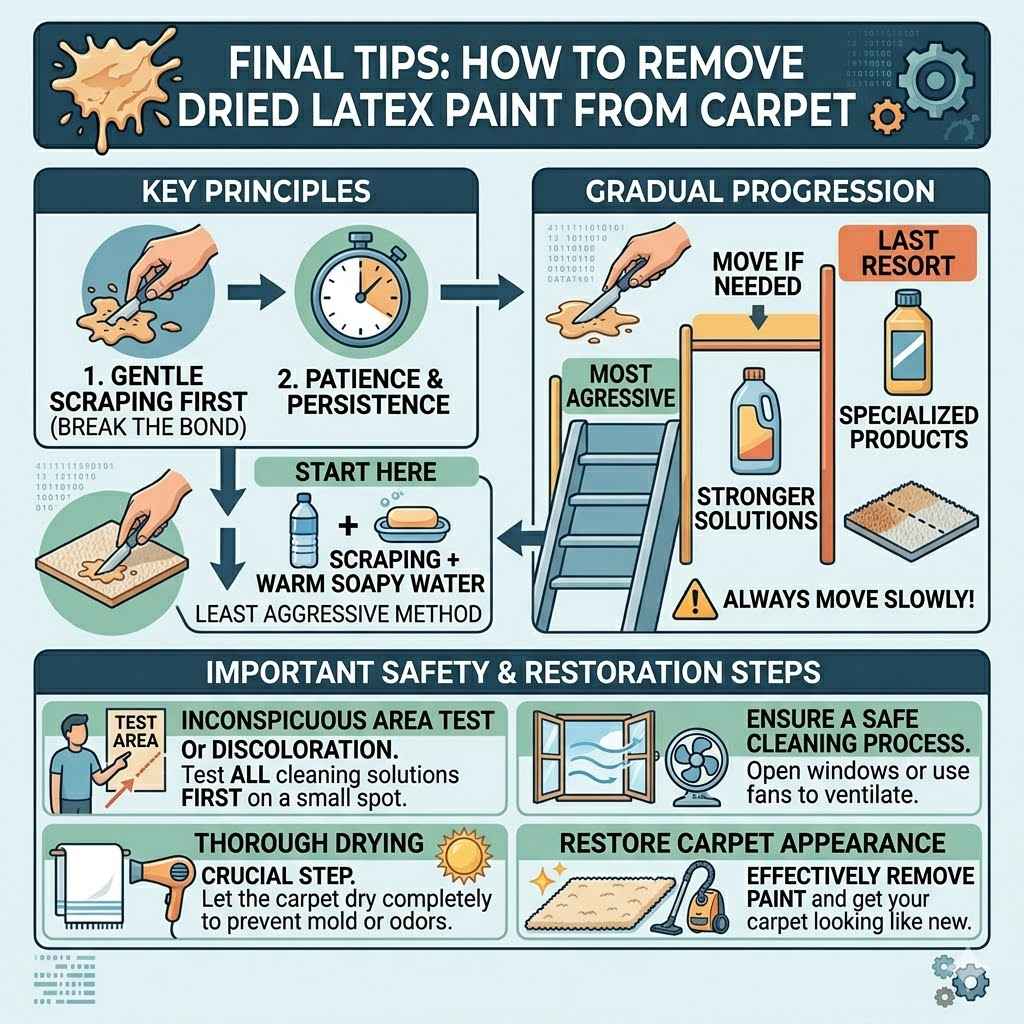
When tackling dried latex paint on carpet, patience and a gentle approach are key. Always start with the least aggressive method, like scraping and warm soapy water, and gradually move to stronger solutions or specialized products if needed. Remember to test any cleaning solution on an inconspicuous area of your carpet first to avoid damage or discoloration.
Good ventilation and thorough drying are also crucial steps to ensure a successful and safe cleaning process. By following these steps, you can effectively remove dried latex paint and restore your carpet’s appearance.
Frequently Asked Questions
Question: Can I use nail polish remover to remove dried latex paint from carpet?
Answer: Nail polish remover, especially if it contains acetone, can be very effective at dissolving latex paint. However, it can also severely damage or discolor many carpet fibers, particularly natural ones like wool. It’s best to avoid it unless you’ve tested it on a hidden area and are certain it won’t harm your carpet.
Specialized paint removers are generally a safer bet.
Question: What if the paint is oil-based, not latex?
Answer: Oil-based paint is much harder to remove from carpet than latex paint. It requires different types of solvents. For oil-based paint, you’ll likely need mineral spirits or specialized oil-based paint removers, and it’s highly recommended to test these in an inconspicuous area first, as they can be harsh on carpet fibers.
Question: How long does dried latex paint take to remove?
Answer: The time it takes to remove dried latex paint can vary greatly. For small, fresh splatters, it might only take a few minutes. For older, larger, or very thick paint stains, it could take an hour or more, possibly requiring multiple applications of cleaning solutions or even professional help.
Question: Should I rub the paint stain aggressively?
Answer: No, you should never rub a paint stain aggressively. Rubbing can push the paint deeper into the carpet fibers, spread the stain, and damage the carpet’s texture. Always blot the stain gently with a clean cloth.
Question: How can I prevent paint from getting on my carpet in the future?
Answer: To prevent paint from getting on your carpet, lay down drop cloths or old sheets over the carpeted area when painting. You can also cover the surrounding furniture and walls. Consider using painter’s tape to create barriers around areas you don’t want to get paint on.
Clean up any spills immediately while they are still wet.
Summary
Removing dried latex paint from carpet is achievable with the right approach. Start by gently scraping off excess paint. Then, use simple household solutions like warm, soapy water or a vinegar and water mix.
For tougher spots, consider specialized carpet paint removers or enzyme cleaners. In challenging cases, hot water extraction or careful steam cleaning might be needed. Always test solutions first and ensure thorough drying to protect your carpet.