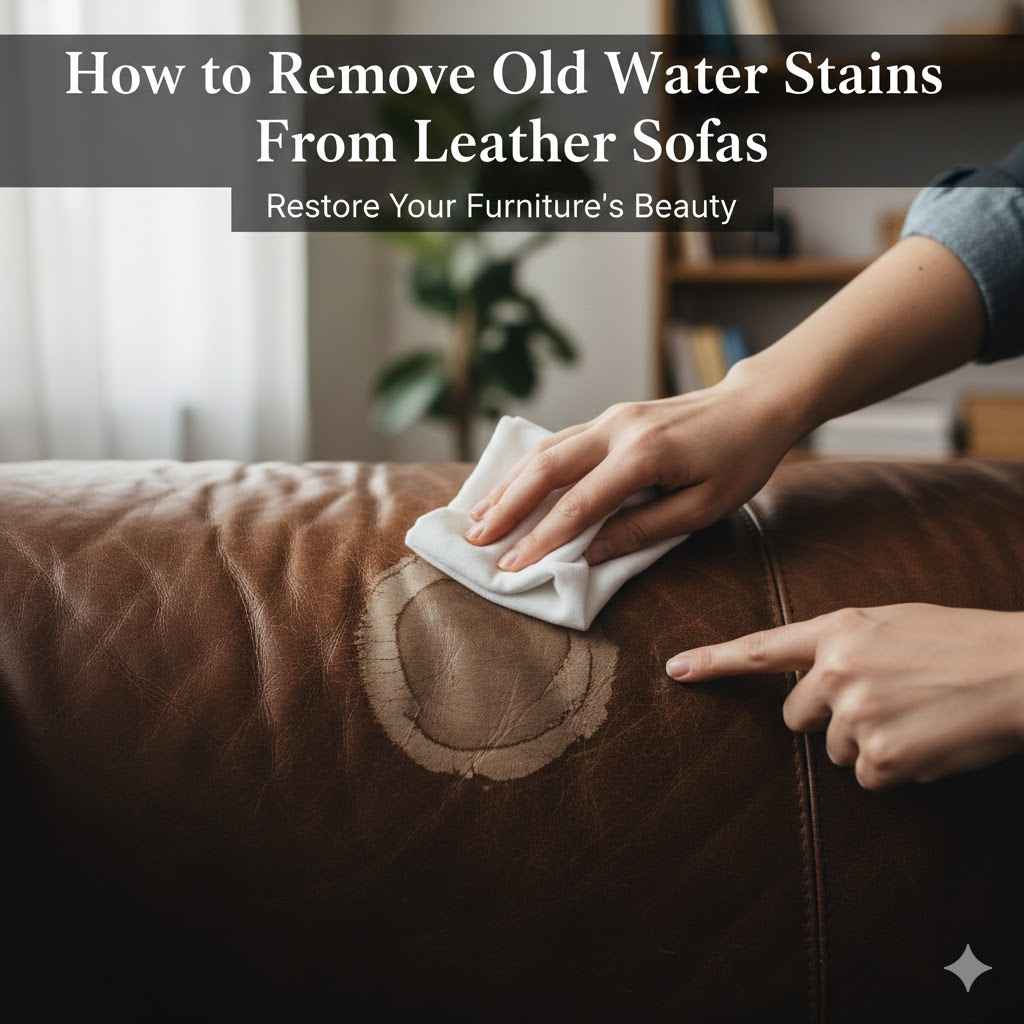
How to Remove Old Water Stains From Leather Sofas
Many folks worry about water stains on their nice leather sofas. They wonder, How to Remove Old Water Stains from a Leather Sofa because it can seem tricky. You might think you’ll ruin the leather.
But it’s often easier than you imagine! We’ll show you a simple way to fix those spots and get your sofa looking great again. Just follow these easy steps.
Understanding Leather Water Stain Issues
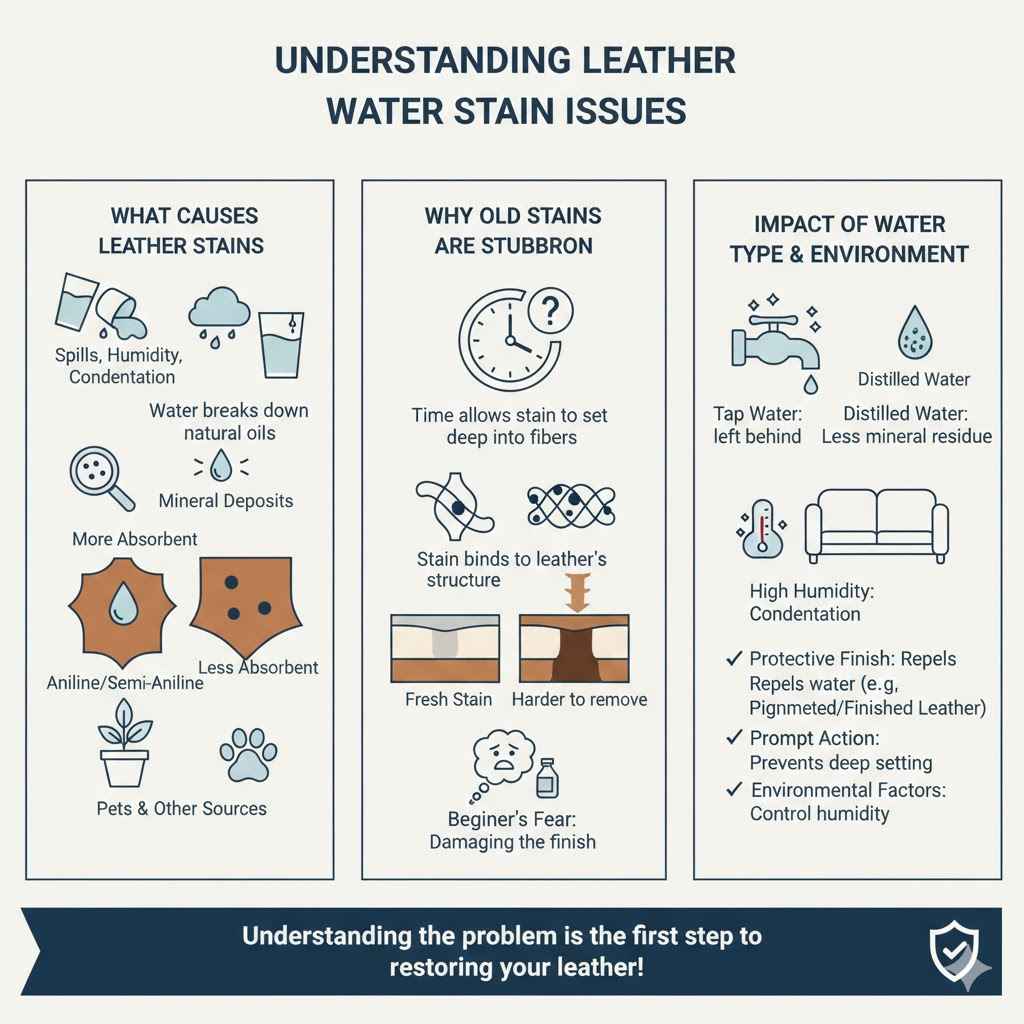
Leather is a natural material that can react to moisture. When water hits leather, it can soak in. This can change the color of the leather, especially if it’s not sealed well or is left to dry slowly.
Old water stains are harder to remove because they have had more time to set into the leather’s fibers. Beginners often struggle because they fear making the stain worse or damaging the sofa’s finish. This section will help you understand why these stains happen and what makes them stubborn.
What Causes Leather Water Stains
Water stains on leather happen when water penetrates the surface. This can be from spills, humidity, or even condensation. The water breaks down natural oils in the leather.
As it dries, it leaves behind mineral deposits. These deposits create a visible mark or ring. Different types of leather react differently.
Aniline and semi-aniline leathers are more absorbent. They show water marks more easily than finished or protected leathers. Even a small amount of water can cause issues if not addressed quickly.
The type of water also plays a role. Tap water often contains minerals. These minerals can be left behind on the leather surface.
This makes the stain more noticeable. Distilled water is less likely to leave mineral deposits. However, it still can affect the leather’s oils and surface finish.
This is why prompt action is always best, but we are looking at older, set-in stains here.
Environmental factors can also contribute. High humidity can cause condensation to form on cooler leather surfaces. This can lead to gradual staining over time.
Pets can also be a source of moisture. Leaks from potted plants or even a wet umbrella left too long can cause these unsightly marks. Understanding these causes helps prevent future stains.
Why Old Stains Are Tougher
Old water stains are more challenging because they’ve had time to bond with the leather. The water has dried, leaving mineral and organic residues deep within the material. These residues can alter the leather’s natural color and texture.
The longer a stain sits, the more it can permanently change the leather. Think of it like ink on paper; the longer it stays, the harder it is to erase. This is also true for water on leather.
The oils in the leather may have been stripped away or redistributed unevenly.
Furthermore, the drying process itself can cause issues. If the water dried unevenly, it can leave rings. These rings are caused by the minerals and dirt that were in the water concentrating at the edges as the water evaporated.
Trying to clean these old stains can be risky. Aggressive cleaning methods might strip away the leather’s finish or even color. This is why a gentle, step-by-step approach is essential for older, more stubborn water marks.
Patience is key.
Leather finishes can also make stain removal harder. Some leathers have protective coatings. These coatings can resist water initially, but if the water penetrates, it can damage the finish.
Once the finish is compromised, the stain can set in more permanently. Repairing a damaged finish adds another layer of difficulty to stain removal. This is why knowing your leather type is important.
It helps you choose the right cleaning method.
How to Remove Old Water Stains from a Leather Sofa Step by Step
Now we get to the practical part of How to Remove Old Water Stains from a Leather Sofa. This guide provides a clear, easy-to-follow process. You’ll learn what materials you need and how to use them safely.
We focus on gentle methods that preserve your sofa’s beauty. This detailed approach ensures you can tackle those stubborn marks with confidence.
Gather Your Cleaning Supplies
Before you start cleaning, gather all necessary items. Having everything ready makes the process smoother. You’ll need a few simple things that are likely already in your home or easy to find.
This preparation is crucial for effective and safe stain removal. It prevents interruptions and ensures you have the right tools for the job.
Mild soap or leather cleaner
A mild soap, like a pH-neutral dish soap or a specialized leather cleaner, is vital. It helps lift dirt and residue without stripping the leather’s natural oils. Always choose a cleaner specifically designed for leather.
Harsh detergents can damage the material. Leather cleaners are formulated to be gentle. They also often contain conditioners that help protect the leather as they clean.
Regular soap might seem like a good alternative, but it can leave a residue that attracts more dirt.
Distilled water
Using distilled water is important because it lacks minerals found in tap water. Minerals can leave their own marks or streaks on the leather. When you’re trying to remove one stain, you don’t want to create another.
Distilled water is pure and less likely to interact negatively with the leather’s surface. It’s ideal for diluting cleaners and for rinsing. You can find distilled water at most grocery stores or pharmacies.
It’s a small step that makes a big difference.
Soft cloths (microfiber is best)
You’ll need several soft, lint-free cloths. Microfiber cloths are excellent because they are gentle on leather. They can absorb moisture effectively and don’t leave behind fuzzy bits.
Have at least three clean cloths handy: one for applying the cleaner, one for rinsing, and one for drying and buffing. Avoid using rough towels or paper towels. These can scratch the leather surface or break apart during cleaning, leaving debris behind.
A soft-bristled brush (optional)
Sometimes, a very soft-bristled brush can help lift stubborn residue from the leather’s grain. Think of a soft toothbrush or a brush designed for shoe cleaning. It should be gentle enough not to scratch.
Use it with light pressure. This is only needed for very tough spots. For most water stains, gentle wiping is sufficient.
Always test the brush on an inconspicuous area first to ensure it won’t damage the leather.
Leather conditioner
After cleaning, it’s essential to condition the leather. This replenishes the natural oils that might have been lost during cleaning. It also keeps the leather supple and prevents it from drying out or cracking.
Use a good quality leather conditioner. Apply it according to the product’s instructions. This step is crucial for maintaining the leather’s health and appearance long-term.
It helps seal the leather, making it more resistant to future stains.
Test the Cleaning Method
Always test any cleaning solution or method on an inconspicuous area of the sofa first. This could be on the back, underside, or a hidden corner. This step is non-negotiable.
It helps you see how the leather reacts to the cleaner. You can check for color changes, darkening, or any other adverse effects. Wait for the tested area to dry completely.
Then, examine it closely under good light. If the test area looks good, you can proceed with cleaning the main stain.
This initial test is your safety net. It prevents you from accidentally damaging a large, visible part of your sofa. Different leather types and finishes can react very differently.
What works for one might not work for another. Even a mild cleaner can sometimes cause a slight change in appearance on certain leathers. Taking this precaution saves you from potential regret and costly repairs.
It’s a small step that provides significant peace of mind.
When testing, apply the cleaner as you intend to use it on the stain. Let it sit for the recommended time, then wipe and dry it. Observe the area over a few hours, and even the next day, to catch any delayed reactions.
If you notice any fading, darkening, or a change in texture, do not use that cleaner or method on the visible stain. You may need to try a different cleaner or a more diluted solution. Your goal is to remove the stain without altering the leather’s natural look.
Gently Clean the Stain
For older water stains, start with the gentlest approach. Mix a tiny amount of mild soap with distilled water. Dampen a soft cloth with this solution.
Wring out the cloth thoroughly so it’s barely damp. Gently wipe the stained area. Work from the outside of the stain inward.
This helps prevent the stain from spreading further. Don’t scrub vigorously. This can damage the leather’s surface or push the stain deeper.
After wiping, use a separate clean cloth dampened only with distilled water. Gently wipe the area again to remove any soap residue. It’s crucial to remove all soap.
Soap left behind can attract dirt and create new problems. Ensure you use minimal moisture. Too much water can create new water stains.
The goal is to lift the old stain without adding new moisture issues.
If the stain is still visible after this initial gentle cleaning, you can try a slightly more concentrated solution of leather cleaner and distilled water. Always follow the instructions on the leather cleaner product. Some cleaners are designed to be used directly.
Others need to be diluted. Again, wring out your cloth well. Work gently from the outside in.
Patience is key here. Multiple light cleanings are better than one aggressive attempt.
Dry and Condition the Leather
Once you have cleaned the stained area, it’s time to dry it. Use a clean, dry, soft cloth to gently blot the area. Don’t rub.
Blotting absorbs the moisture without causing friction. Allow the area to air dry completely. Avoid using heat, like a hairdryer, as this can dry out and crack the leather.
Ensure the area is fully dry before moving to the next step.
After the leather is completely dry, apply a good quality leather conditioner. This is a vital step. Cleaning can strip away some of the leather’s natural oils.
Conditioner replenishes these oils. It keeps the leather soft, supple, and protected. Apply the conditioner with a clean, soft cloth.
Rub it in gently using circular motions. Allow the conditioner to soak in for the time recommended by the product. Then, buff off any excess with another clean, dry cloth.
This process helps restore the leather’s natural sheen and prevents future drying or cracking.
Proper conditioning not only revitalizes the leather but also makes it more resistant to future stains. A well-conditioned leather surface is less likely to absorb liquids quickly. This gives you more time to wipe up spills before they become problematic.
It’s an investment in your sofa’s longevity and appearance. Regular conditioning, even on non-stained areas, keeps the whole sofa looking its best. Think of it as moisturizing your skin; it keeps it healthy and looking good.
Dealing with Different Leather Types
Leather isn’t one-size-fits-all. The type of leather you have greatly influences how you should approach stain removal. Some leathers are very delicate, while others are more robust.
Understanding these differences is crucial for effective and safe cleaning. This section helps you identify your leather type and adjust your cleaning methods accordingly.
Aniline and Semi-Aniline Leather
Aniline leather is dyed using soluble dyes. It has a very natural look and feel. It’s soft and luxurious.
However, it’s also the most delicate and absorbent. Water stains can penetrate very easily. Semi-aniline leather has a thin protective coating.
This offers a bit more protection than pure aniline. Both types can show water marks readily.
For aniline and semi-aniline leathers, extreme gentleness is required. Always use the mildest possible cleaning solutions. Dilute soap solutions heavily with distilled water.
Some experts recommend using only distilled water and a very soft cloth for these leathers. If you must use a cleaner, opt for one specifically formulated for aniline or unprotected leathers. Always test it in a hidden spot.
Avoid any abrasive action. Pat gently to absorb moisture.
Conditioning is also critical for these leathers. Use a conditioner designed for aniline or natural leathers. This helps restore essential oils.
It also provides a light barrier against future damage. If the stain is deep or widespread, it might be best to consult a professional leather cleaning service. They have specialized products and knowledge for handling these sensitive materials.
Trying to fix a deep stain yourself on aniline leather can lead to permanent damage.
Protected or Finished Leather
Protected leather, also known as pigmented or finished leather, has a protective topcoat. This coating makes it more resistant to stains and wear. Water stains are less likely to penetrate.
However, if water sits for too long, it can still affect the finish. Old water stains on protected leather are generally easier to clean than on aniline types.
For protected leather, you can often use a dedicated leather cleaner. These cleaners are usually safe for the protective finish. Always follow the product’s instructions.
You can typically use a slightly more damp cloth than with aniline leather. However, still avoid saturating the leather. Wipe the stain gently.
Then, rinse the area with a damp cloth and distilled water. Dry thoroughly with a soft cloth.
Conditioning is still important, even for protected leather. It helps maintain the finish and keeps the leather supple. Use a good quality leather conditioner.
This will help reinforce the protective layer. It also prevents the leather from drying out and becoming brittle. For protected leather, your main focus is cleaning the surface stain and maintaining the integrity of the protective coating.
Aggressive scrubbing should still be avoided.
Nubuck and Suede Leather
Nubuck and suede are types of leather with a napped surface. This gives them a soft, velvety feel. They are also very absorbent.
Water stains on nubuck and suede are notoriously difficult to remove. In fact, many cleaning products and methods used for smooth leather can damage the nap. Water stains can flatten the fibers and change the texture and color.
For nubuck and suede, the best approach is often a specialized cleaning kit. These kits usually include a suede brush and a suede eraser. For water stains, you’ll want to let the area dry completely first.
Then, use a suede eraser to gently rub out the stain. If that doesn’t work, you might need a suede cleaner. Always test these products in an inconspicuous area.
Work gently, brushing in one direction to restore the nap.
Avoid using water or soap solutions on nubuck and suede unless specifically instructed by a suede cleaning product. Often, the best advice for water stains on these materials is to prevent them from happening in the first place. If the stain is significant or you’re unsure, professional cleaning is highly recommended.
They have specialized methods for restoring the texture and color of napped leathers.
Preventing Future Water Stains
Once you’ve successfully removed old water stains, you’ll want to avoid them in the future. Prevention is always easier than cure. A few simple habits can keep your leather sofa looking great for years to come.
These tips focus on protecting your investment and maintaining the material’s condition.
Regular Cleaning and Conditioning
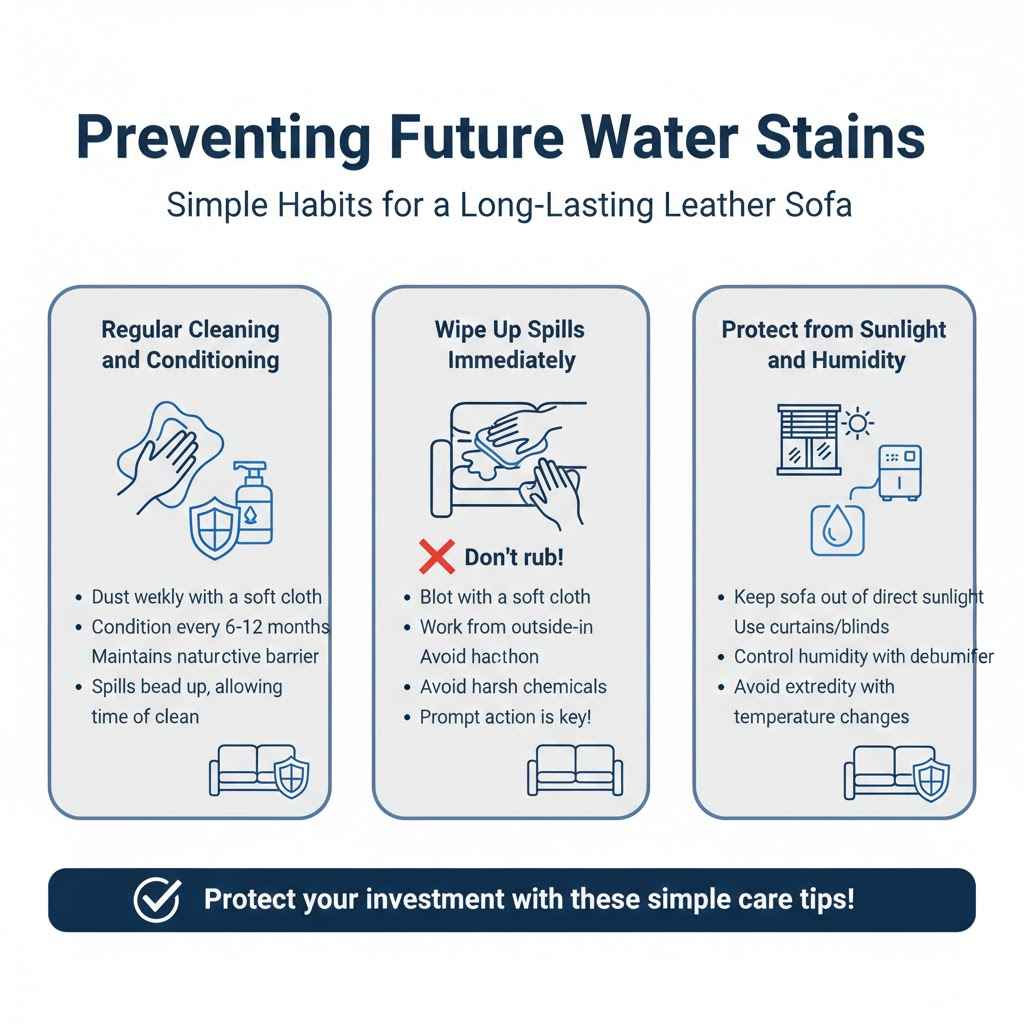
The best defense against stains is a well-maintained leather surface. Dust your sofa regularly with a soft cloth. This removes dirt and grit that can become embedded.
Periodically clean your sofa with a mild leather cleaner. Then, always follow up with a good quality leather conditioner. Regular conditioning keeps the leather supple.
It also reinforces its natural protective barrier.
A well-conditioned leather is less absorbent. This means spills are more likely to bead up on the surface. This gives you more time to wipe them away before they soak in and cause stains.
Aim to condition your sofa every 6-12 months. This frequency can vary based on your climate and how much the sofa is used. Check your leather’s feel; if it seems dry or stiff, it’s time to condition.
This routine maintenance helps prevent issues like cracking and fading as well. It keeps the leather looking and feeling its best. It’s also a good time to inspect the sofa for any small issues.
Catching minor problems early can prevent them from becoming major repair jobs. Think of it like a regular check-up for your car; it keeps things running smoothly.
Wipe Up Spills Immediately
This is the golden rule of stain prevention. If you spill anything on your leather sofa, address it immediately. Grab a clean, soft cloth and blot up the liquid.
Don’t rub. Rubbing can spread the spill and push it deeper into the leather. Blot from the outside of the spill inward.
This contains the mess. For most spills, blotting with a dry cloth is enough.
If the spill was sticky or left a residue, you can use a slightly damp cloth with distilled water. Again, wring out the cloth well. Gently wipe the area.
Follow up with a dry cloth to absorb any remaining moisture. Avoid using harsh chemicals or soaps. Always test any cleaning solution in an inconspicuous spot first.
Prompt action is your best friend against new stains.
Be mindful of beverages, food, and even wet clothing. If you have pets that might track in moisture or drool, be extra vigilant. Keep coasters handy for drinks.
If someone sits on the sofa with wet clothes, try to dry the area as soon as they get up. Small, quick actions make a big difference in keeping your sofa pristine.
Protect from Sunlight and Humidity
Direct sunlight can cause leather to fade over time. It can also dry out the leather, making it prone to cracking. Try to position your sofa away from direct sunlight.
If that’s not possible, consider using curtains or blinds to block the sun’s rays during peak hours. This simple step helps preserve the color and integrity of your leather.
High humidity can also cause issues. It can lead to condensation on the leather surface. This, over time, can contribute to staining or even mold and mildew growth in very damp conditions.
Ensure your home has good ventilation. If you live in a very humid climate, consider using a dehumidifier. Controlling the environment around your sofa is key to its longevity.
Extreme temperature fluctuations can also stress the leather. Avoid placing your sofa too close to heating vents or radiators. These can dry out the leather rapidly.
Similarly, avoid drafty windows in winter. Maintaining a consistent, moderate temperature and humidity level will help keep your leather sofa in top condition. It creates a stable environment for the material.
Frequently Asked Questions
Question: Can I use baby wipes to clean water stains on my leather sofa?
Answer: It is generally not recommended to use baby wipes on leather. Baby wipes often contain chemicals, perfumes, and alcohol that can dry out or damage the leather’s finish. They may also leave behind residue.
It’s best to stick to specialized leather cleaners or mild soap solutions mixed with distilled water for cleaning.
Question: What if the water stain is very old and dark?
Answer: For very old and dark water stains, you might need to try a dedicated leather cleaner. Always test it in an inconspicuous area first. You may need to repeat the cleaning process several times.
If the stain doesn’t lift with gentle methods, professional leather cleaning might be the best option to avoid further damage.
Question: Should I use a horsehair brush on my leather sofa?
Answer: A very soft horsehair brush can be used for dusting or gently working in conditioners. However, avoid using it for scrubbing stains. For stain removal, focus on soft cloths.
If you need to gently agitate a stain, use a soft-bristled brush designed for upholstery or a soft toothbrush very lightly.
Question: Will a leather conditioner remove a water stain?
Answer: Leather conditioner is designed to nourish and protect the leather, not to remove stains. While it can help to rehydrate the area and potentially minimize the appearance of very light water marks by restoring the leather’s natural oils and sheen, it won’t chemically lift or dissolve a set-in stain. Cleaning should always precede conditioning.
Question: How often should I condition my leather sofa?
Answer: You should typically condition your leather sofa every 6 to 12 months. The exact frequency depends on your climate, the amount of use the sofa gets, and the type of leather. If the leather feels dry, stiff, or looks dull, it’s a good sign it needs conditioning.
Over-conditioning can also be an issue, so follow product guidelines.
Summary
Removing old water stains from your leather sofa is manageable. By using mild cleaners, distilled water, and soft cloths, you can gently lift marks. Always test first and condition afterward to restore moisture.
Different leather types need varied care, so know yours. Prevent future stains with regular maintenance and prompt spill cleanup. Your sofa can look great again.