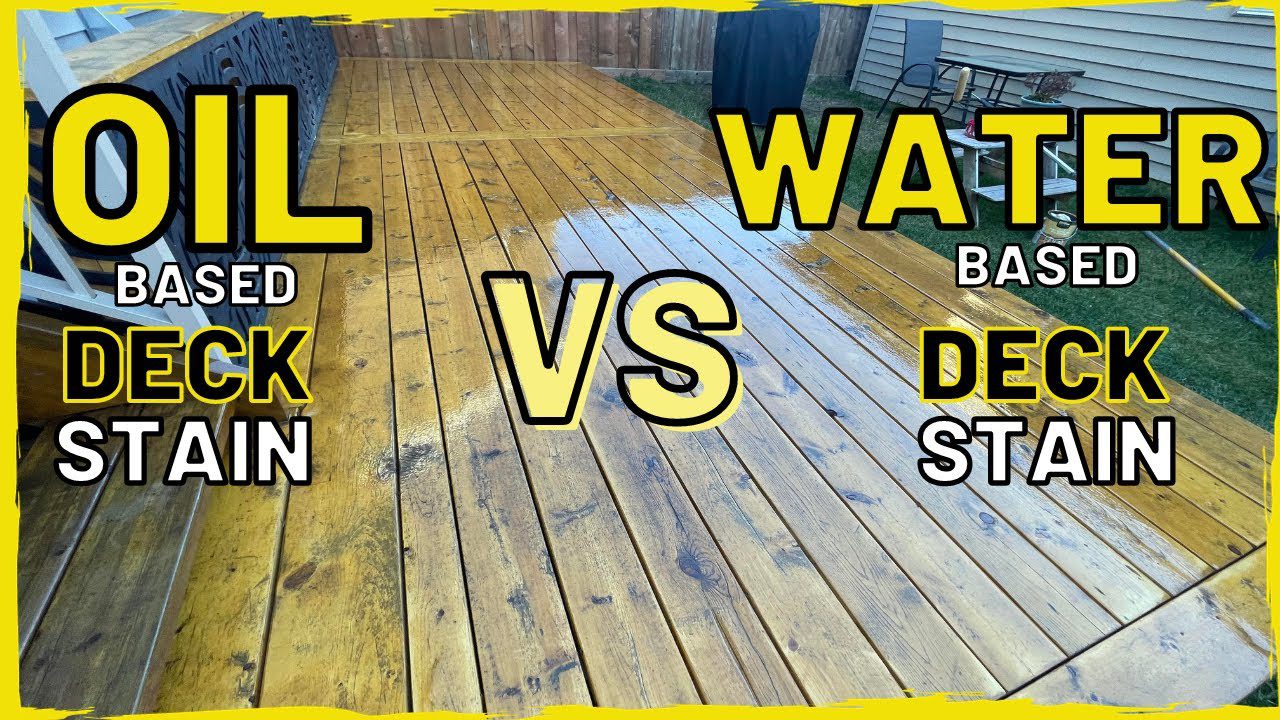
Oil vs Water-Based Deck Stain (VOC Limits + Dry Times)
Oil-based deck stain penetrates deeper and needs fewer reapplications, but water-based stain dries in hours instead of days and meets stricter low-VOC rules (under 100 g/L in California vs up to 250 g/L for oil under federal OTC limits). The wrong choice means redoing the job sooner or fighting fumes for two days. This guide compares drying time, VOC limits, cost, and which wood types suit each.
Key Differences
Oil based stains have a thicker texture. They contain natural oils. Water based stains are thinner. They consist mostly of water. Oil stains penetrate deep into wood. Water stains sit on top of wood.
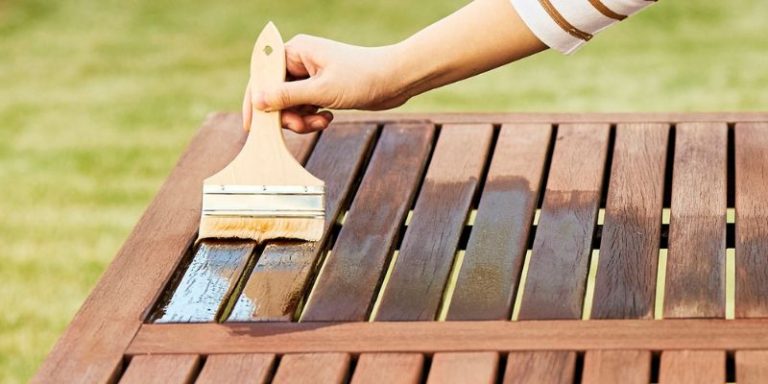
Oil stains need a brush or roller. Water stains can use a sprayer. Oil stains require more coats for color. Water stains need fewer coats. Both stains need a clean surface.
Oil stains take longer to dry – often up to two days to full cure. Water stains dry quickly, often within a few hours to touch, though full cure still takes about 72 hours for both types. Temperature affects drying speed. Warm weather speeds it up.
| Attribute | Oil-Based | Water-Based |
|---|---|---|
| Dry to recoat | 2-4 hours | 1-2 hours |
| Foot traffic ready | ~24 hours | 24-48 hours |
| Typical VOC limit | up to 250 g/L (OTC states) | under 100 g/L (CA SCAQMD-compliant) |
| Cleanup | mineral spirits/solvent | soap and water |
| Best for | hardwoods, deep penetration | fast turnaround, low-VOC regions |
Advantages Of Oil Based Stains
Oil based stains are known for their long-lasting protection. They offer great resistance against weather. Rain and sun will not damage them easily. Decks remain beautiful for years.
These stains penetrate wood deeply. This ensures that wood gets good protection. The stain goes inside the wood fibers. This makes the deck strong and safe. It prevents rot and decay.
Oil based stains provide rich and vibrant colors. Wood grains look more natural. The deck appears warm and inviting. Colors do not fade fast. They stay bright for a long time.
Advantages Of Water Based Stains
Water based stains are better for nature. They contain fewer harmful VOCs (volatile organic compounds) than oil-based formulas. This makes them safer for plants and animals. Many people choose them to protect the earth.
Quick drying is a big benefit. You don’t have to wait long. These stains dry fast. You can use your deck sooner. Rain or shine won’t delay you.
Cleaning is easy. Water based stains wash off with soap and water. No need for special cleaners. It’s simple and quick. Many homeowners like this feature.
Factors To Consider
Oil-based stains work well in hot and dry places. They protect against sun damage. Water-based stains are better for wet areas. They dry faster and don’t trap moisture. Choose based on your local weather.
Softwoods like pine may soak up oil stains easily. They help in highlighting wood grains. Water-based stains suit hardwoods like oak. They offer a clear finish. Know your wood type before picking a stain.
Oil-based stains need less upkeep. They last longer on decks. Water-based stains need frequent touch-ups. They may fade faster. Plan for care based on your choice.
“To Recoat: 1-2 hours; Light Foot Traffic: 24-48 hours; Full Cure: 72 hours.”
Common Misconceptions
Many people believe oil based stains last longer. This is not always true. Both types can last long with good care. Oil based stains penetrate wood deeply. This can protect the wood longer. But they need more maintenance. Water based stains form a protective layer on top. They are easier to clean. They resist mold and mildew better. In the end, longevity depends on care. Not just the type of stain.
People think oil based stains fade less. This can be misleading. Both oil and water based stains can fade in the sun. The sun’s rays are strong. They affect all stain types. Water based stains tend to keep color better. They have better UV protection. Oil based stains might need more reapplication. Keeping your deck’s color bright takes effort. Choose stain wisely and maintain it well.
Expert Recommendations
Choosing between oil-based and water-based stains can be tricky. Oil-based stains penetrate deeper and offer longer-lasting protection. Water-based stains dry faster and are easier to clean up. Consider the climate in your area – oil-based stains resist moisture better, water-based stains work well in sunny areas. Think about how much time you have for maintenance: oil-based stains require less upkeep, water-based stains need reapplication more often.
- Clean your deck before applying stain.
- Use a brush for edges and corners.
- Apply stain in thin layers.
- Let each layer dry completely.
- Avoid staining in direct sunlight.
- Check weather forecasts before starting.
- Wear gloves to protect your hands.
Best Oil-Based Deck Stain Pick
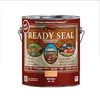
Ready Seal Exterior Wood Stain & Sealer – $36.49
A penetrating oil-based stain that matches the deep-penetration advantage this guide describes – no lap marks, one-coat application.
- Best for: hardwoods and decks needing deep, long-lasting protection
- Why we picked it: penetrates instead of sitting on top, fewer reapplications
- Main drawback: longer dry time, higher VOC than water-based options
Compare more deck-staining essentials
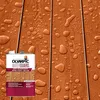 Option 1 Olympic WaterGuard Wood Stain – $31.98
|
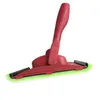 Option 2 Shur-Line Deck Stain Pad – $19.00
|
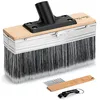 Option 3 Bates 7.5in Stain Brush – $15.85
|
As an Amazon Associate we earn from qualifying purchases.
Cost Comparison
Oil-based stains often have a higher initial cost. They require more preparation work. This includes cleaning and drying the deck. Water-based stains are usually cheaper upfront. They dry faster and need less preparation. This can save time and effort. Choosing the right stain depends on your budget and needs.
Oil-based stains last longer on decks. They need fewer reapplications. This can save money over time. Water-based stains may need more frequent applications. They are easier to apply, though. This can balance the cost over the years. Both options have their advantages. Consider your long-term plans for the deck.
Frequently Asked Questions
What Are The Disadvantages Of Oil-based Stains?
Oil-based stains emit strong odors and take longer to dry. They are more challenging to clean up and require solvents. These stains can yellow over time and may not penetrate well on some wood types. Environmental concerns also arise due to higher VOC emissions.
Is Oil Or Water-based Better For A Deck?
Oil-based stains penetrate deeper and enhance wood grain, offering better durability. Water-based stains are eco-friendly, dry faster, and resist mildew. Choose based on your deck’s needs and environmental preferences. If you already have a water-based coat down and want to switch, see our guide on applying oil-based stain over water-based stain.
What Stain Is Best For An Outdoor Deck?
Choose a semi-transparent stain for your outdoor deck. It provides UV protection, enhances wood grain, and resists mildew. Ensure the stain is water-resistant to guard against weather damage. Regular maintenance helps preserve the deck’s appearance. Always select a stain specifically designed for exterior wood surfaces for the best results.
What Deck Stain Does Consumer Reports Recommend?
Consumer Reports tests deck stains and has rated Behr Premium products highly overall – but its top-scoring pick in that lineup is the solid-color version, not the semi-transparent one. Solid-color stains consistently outperform semi-transparent stains in CR’s testing, according to CR’s own reporting.
Conclusion
Choosing between oil and water-based stains depends on your needs. Oil-based stains offer deep penetration and durability. Great for rich, long-lasting color. Water-based stains dry quickly and are eco-friendly. Ideal for easy cleanup and low odor. Think about the climate and maintenance effort.
Both types have pros and cons. Assess your deck’s condition and environment. Make a choice that fits your lifestyle and preferences. A well-stained deck enhances outdoor beauty. Provides protection and style. Take your time and select wisely. Your deck deserves the best.
If you’re in a low-VOC region or want to reuse the deck within a day, go water-based. If you want maximum penetration and fewer reapplications and don’t mind a longer cure time, go oil-based.
Sponsored / affiliate links. As an Amazon Associate I earn from qualifying purchases. I may earn additional commission from eligible campaigns.