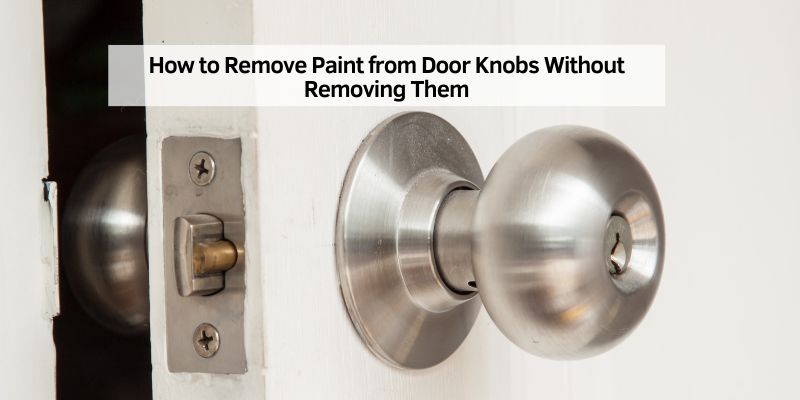
How to Remove Paint from Door Knobs Without Removing Them
Have you ever looked at your door knobs and noticed paint splatters ruining their shine? I’ve been there, staring at my brass knobs covered in drips from a past paint job, wondering how to clean them up without taking them off. Removing paint from door knobs without removing them is totally doable, and I’m excited to share my tried-and-true methods with you. As a home improvement enthusiast, I’ve tackled this issue in my own home, and I’ll walk you through every step to restore your door knobs to their former glory. Let’s dive in and make those knobs sparkle again!
Why Paint Gets on Door Knobs
I remember the first time I painted a door and accidentally got paint on the knob. It happens so easily! Whether you’re refreshing your home with a new coat of paint or dealing with old, chipped layers, door knobs are magnets for stray drips. Paint can stick due to sloppy brushwork, overspray from a can, or not covering the knob properly during a project. Understanding why this happens helps you avoid it in the future, but for now, let’s focus on cleaning up the mess. The good news? You don’t need to unscrew the knob or hire a pro to fix it.
Tools and Materials You’ll Need
Before we start, let’s gather everything you need. I like to have my supplies ready so I can work without interruptions. Here’s what I use to remove paint from door knobs:
| Item | Purpose |
|---|---|
| Plastic scraper | Gently removes dried paint without scratches |
| Soft cloth or sponge | Wipes away residue and applies solutions |
| Mild dish soap | Cleans the knob and preps the surface |
| Warm water | Dilutes soap and softens paint |
| White vinegar | Breaks down stubborn paint |
| Rubbing alcohol | Dissolves latex paint effectively |
| Acetone or nail polish remover | Tackles oil-based paint |
| Cotton swabs | Gets into small crevices |
| Microfiber cloth | Polishes the knob for a shiny finish |
| Painter’s tape | Protects surrounding areas |
| Gloves | Keeps your hands clean and safe |
I always keep these items in my home improvement toolkit. They’re affordable, easy to find, and make the process smooth. If you don’t have everything, don’t worry—most methods use common household items.
Preparing the Area for a Clean Process
I’ve learned the hard way that preparation is key. Once, I skipped this step and ended up with paint flakes all over my floor. To avoid that, cover the area around the door knob with painter’s tape and a drop cloth. This protects the door and nearby surfaces. If the knob is near a lock or latch, tape those off too. I also like to open a window for ventilation, especially when using strong solvents like acetone. Put on gloves to keep your hands clean, and you’re ready to start.
Method 1: Using a Plastic Scraper for Dried Paint
When I first noticed paint on my door knobs, some of it was thick and crusty. A plastic scraper is my go-to for this. Unlike metal, plastic won’t scratch the knob’s surface. Gently scrape off as much dried paint as you can. I hold the scraper at a low angle and work slowly, focusing on the big chunks. If the paint is stubborn, don’t force it—you might damage the knob. This method is great for latex paint that’s been sitting for a while. Once you’ve scraped off the excess, you’ll have an easier time with the next steps.
Method 2: Soapy Water for Fresh Paint
If the paint is still fresh (say, from a recent project), warm soapy water works wonders. I mix a few drops of mild dish soap with warm water in a bowl. Then, I dip a soft cloth or sponge into the mixture and gently rub the knob. The warm water softens the paint, and the soap helps lift it off. I focus on one small area at a time, rinsing the cloth often to avoid spreading paint around. This method is perfect for fresh paint splatters and doesn’t require harsh chemicals. After wiping, I dry the knob with a clean cloth to check my progress.
Method 3: Vinegar for Stubborn Paint
I love using white vinegar for tough paint spots—it’s natural and effective. I heat a small amount of vinegar in a microwave-safe bowl until it’s warm (not boiling). Then, I soak a cloth in the vinegar and wrap it around the knob, letting it sit for 10-15 minutes. The vinegar softens the paint, making it easier to wipe away. For tiny crevices, I use a cotton swab dipped in vinegar. This method works well for both latex and oil-based paint. After, I rinse the knob with water and dry it thoroughly to prevent rust.
Method 4: Rubbing Alcohol for Latex Paint
One day, I found rubbing alcohol in my medicine cabinet and realized it’s a game-changer for latex paint. I pour a small amount onto a cloth and gently rub the painted areas. The alcohol dissolves the paint quickly, especially on smooth surfaces like brass or nickel knobs. For intricate designs, I use a cotton swab to get into the grooves. Be patient—this might take a few passes. I always follow up with a soapy water rinse to remove any alcohol residue, then dry the knob with a microfiber cloth for a polished look.
Method 5: Acetone for Oil-Based Paint
For oil-based paint, I turn to acetone or nail polish remover. This stuff is strong, so I use it sparingly. I dip a cotton swab or cloth in acetone and test it on a small area first to make sure it won conl’t harm the knob’s finish. Then, I gently dab the painted spots, letting the acetone break down the paint. This method is super effective but requires caution—acetone can damage some finishes, like lacquered brass. Always work in a well-ventilated area and rinse the knob with water afterward. I finish by polishing with a microfiber cloth.
Polishing and Restoring the Knob’s Shine
After removing the paint, I always take a moment to make the knob shine. A microfiber cloth is perfect for this. If the knob is brass or chrome, I sometimes use a metal polish (sparingly) to bring back its luster. Just a tiny dab on a cloth, a quick buff, and it looks brand new. For knobs with a matte or antique finish, I skip the polish and just wipe with a dry cloth. This step makes all the difference—it’s like giving your door knob a spa day!
Tips to Prevent Paint on Door Knobs in the Future
I’ve made plenty of painting mistakes, but I’ve learned how to avoid them. Before painting a door, cover the knob completely with painter’s tape or a plastic bag secured with a rubber band. If you’re using a paint sprayer, double up on protection with a cloth or foil. Take your time to prep properly—it saves so much cleanup later. I also keep a damp cloth nearby during painting to wipe off any accidental drips right away. Trust me, a little prep goes a long way.
When to Call a Professional
Sometimes, I’ve faced knobs with paint so stubborn or finishes so delicate that I hesitated to DIY. If your knob is antique, has a specialty coating, or is part of an expensive door set, you might want to call a pro. They have tools and expertise to handle tricky cases without damage. In my experience, though, most paint removal jobs are manageable at home with the methods above. If you’re unsure, test a small area first or consult a hardware specialist.

Conclusion
Removing paint from door knobs without taking them off is easier than it seems, and I hope my experiences have shown you how simple it can be. From plastic scrapers to white vinegar, these methods have saved my knobs time and again. Not only do they restore your home’s look, but they also save you the hassle of disassembling hardware.
Try these techniques, and you’ll be amazed at how shiny your knobs can get. Have you tackled a similar project? Share your tips or questions in the comments—I’d love to hear from you! Let’s keep our homes looking their best, one knob at a time.
FAQs
How Can I Tell If the Paint on My Door Knob Is Latex or Oil-Based?
I always check the paint can label if I did the painting myself. If you’re unsure, try this: dab a cloth with rubbing alcohol and rub a small spot. If the paint softens, it’s likely latex paint. If it doesn’t budge, it’s probably oil-based paint. This helps you choose the right removal method.
Will These Methods Damage My Door Knob’s Finish?
I’ve used these methods on brass, nickel, and chrome knobs without issues, but always test a small area first. Acetone can harm certain finishes, like lacquered brass, so be cautious. Stick to gentler options like soapy water or vinegar if you’re worried about damage.
How Long Does It Take to Remove Paint from a Door Knob?
It depends on the paint type and amount. For me, fresh latex paint takes about 10 minutes with soapy water. Older, stubborn paint might take 30 minutes with vinegar or acetone. Work slowly to avoid rushing and damaging the knob.
Can I Use These Methods on Antique Door Knobs?
I’ve cleaned antique knobs with vinegar and soapy water successfully, but you have to be gentle. Avoid acetone or harsh scrapers, as they can ruin delicate finishes. If the knob is valuable, consider consulting a professional to be safe.
What If the Paint Is in Tiny Crevices?
I use cotton swabs dipped in vinegar or rubbing alcohol for those hard-to-reach spots. They’re precise and get into grooves without spreading the mess. Be patient and work in small sections for the best results.
Can I Paint Over the Door Knob Instead of Removing the Paint?
I wouldn’t recommend it. Painting over existing paint can look uneven and chip easily. Plus, it might affect how the knob functions. It’s better to remove paint first for a clean, professional look.
How Do I Keep My Door Knobs Paint-Free During Future Projects?
I always cover my knobs with painter’s tape or a plastic bag before painting. If I’m using a sprayer, I add an extra layer of foil. Wiping drips immediately with a damp cloth also prevents paint from drying on the knob.