How To Remove Super Glue From Laminate Counter Easily
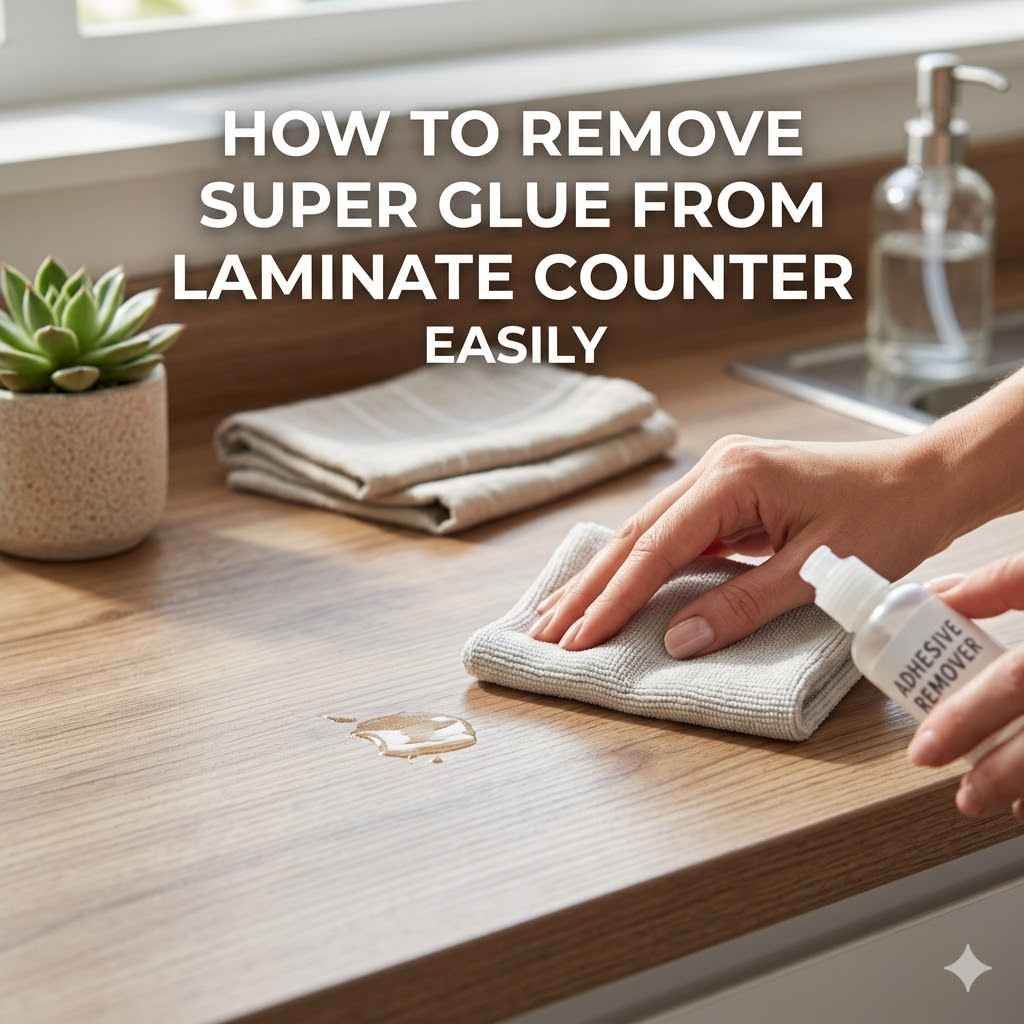
Dealing with super glue on your laminate countertop can be a tricky situation. It seems like it sticks everywhere, and when it lands on your kitchen counter, you might worry about making a mess or damaging the surface. Many people find it hard to know where to start when they need to Remove Super Glue from Laminate Counter Easily. Don’t worry, though. We’ve got a straightforward plan that will help you get that sticky mess gone without any trouble.
Understanding Super Glue and Laminate
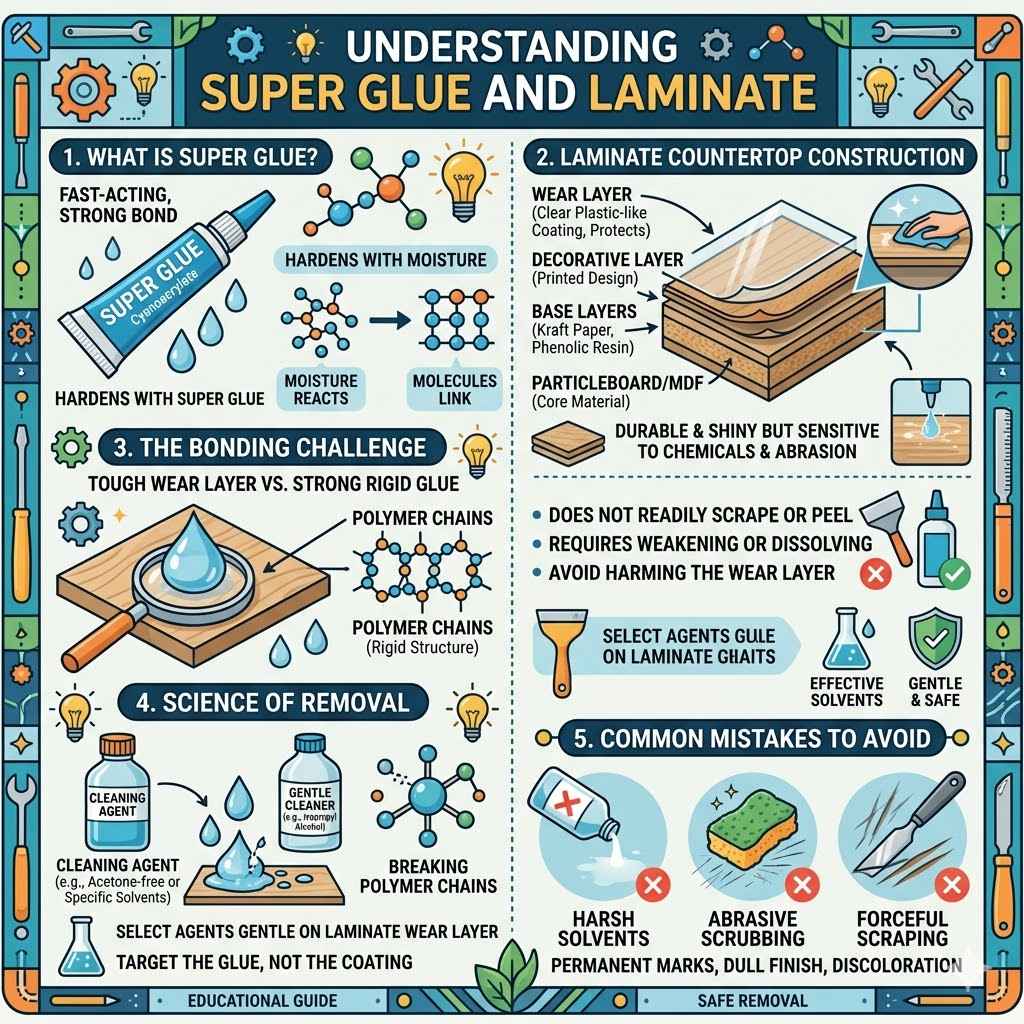
Super glue, also known as cyanoacrylate, is a powerful adhesive that creates very strong bonds. It works by reacting with moisture, which is present in the air and on surfaces. This reaction causes the liquid glue to harden quickly into a solid plastic. Laminate countertops are made of layers of material, with a printed design on top, all sealed with a clear protective coating. This coating is tough but can be sensitive to certain chemicals and abrasive scrubbing.
The challenge when removing super glue is to break its bond without scratching or dulling the laminate’s surface. A common mistake beginners make is using harsh solvents or scrubbing too hard, which can leave permanent marks.
The Science Behind Super Glue Bonding
Super glue’s rapid hardening is due to a process called anionic polymerization. When the liquid cyanoacrylate encounters a tiny bit of moisture, it initiates a chain reaction. This reaction causes the molecules to link together end-to-end, forming long polymer chains. These chains create a strong, rigid structure that we see as hardened glue. This makes super glue excellent for quick fixes but problematic when it lands where we don’t want it.
The strength of the bond means that simply scraping or peeling the glue often won’t work. You need a method that can dissolve or weaken these polymer chains. This is where specific cleaning agents come into play. It’s important to choose agents that are effective against cyanoacrylate but gentle enough for laminate.
Laminate Countertop Construction
Laminate countertops are layered materials. They usually start with particleboard or MDF at the base. On top of this, a decorative paper layer is applied, which shows the countertop’s pattern or color. This decorative layer is then protected by a very hard, clear plastic-like coating called a wear layer. This wear layer is what gives the countertop its durability and shine.
However, this wear layer can be damaged by strong chemicals like acetone or by abrasive tools. Using the wrong cleaning product can dull the finish, remove the decorative layer, or even cause discoloration. Therefore, when trying to remove super glue, the goal is to target the glue itself, not the laminate’s protective coating.
Safe Methods To Remove Super Glue From Laminate Counter Easily
When you find yourself needing to Remove Super Glue from Laminate Counter Easily, the key is to be patient and use the right tools and techniques. You don’t need harsh chemicals that could harm your countertop. Gentle, everyday household items can often do the trick. The goal is to soften the glue without damaging the laminate’s protective layer.
Using Mild Solvents
Some common household items can act as mild solvents to help loosen super glue. These are usually less aggressive than commercial glue removers.
When you need to Remove Super Glue from Laminate Counter Easily, a simple approach is best. The common culprits for this issue are kitchen mishaps, craft projects gone slightly awry, or even quick repairs. Beginners often worry about damaging their counters, leading to hesitation or trying harsh methods. Rest assured, with a few simple steps, you can tackle this common problem effectively and safely. Let’s explore how to get that sticky residue gone without a fuss.
Gentle Approaches To Remove Super Glue From Laminate Counter Easily
Finding super glue where you don’t want it, especially on a laminate countertop, can feel frustrating. Many people worry about damaging the counter’s surface when trying to clean it up. This is a common issue for anyone who does DIY projects or has a busy household. The good news is that you can absolutely Remove Super Glue from Laminate Counter Easily using simple methods that are safe for your kitchen surfaces. We’ll walk you through a step-by-step process that avoids harsh chemicals and excessive scrubbing.
Understanding the Challenge: Super Glue vs. Laminate
Super glue, scientifically known as cyanoacrylate, is a strong adhesive that cures quickly when exposed to moisture. It forms a tough bond that can be difficult to break. Laminate countertops, while durable, have a protective top layer that can be sensitive to certain solvents and abrasive cleaning methods. This creates a delicate balance when trying to remove super glue; you want to dissolve the glue without harming the laminate’s finish. Beginners often fear using the wrong product, leading to concerns about permanent damage like dull spots or scratches.
Why Super Glue Sticks So Well
The adhesive power of super glue comes from its chemical composition. It’s a type of monomer that polymerizes rapidly. This means the liquid glue molecules link up to form long chains when they hit a surface with even a little moisture. This chain-making process happens very fast, creating a hard, plastic-like bond. This makes it great for quick fixes but a real nuisance on surfaces like countertops. The bond is chemical, so you need a chemical or physical method to break it.
What Makes Laminate Tricky
Laminate surfaces have a decorative paper layer topped with a protective wear layer. This wear layer is usually made of melamine resin, which is quite strong. However, it can be dulled or damaged by harsh chemicals, including many strong cleaning agents and solvents. Over-scrubbing with abrasive pads can also scratch this layer. Therefore, when tackling super glue on laminate, the goal is always to be gentle with the countertop itself.
Safe And Effective Methods To Remove Super Glue From Laminate Counter Easily
When you need to Remove Super Glue from Laminate Counter Easily, patience and the right approach are your best friends. You don’t need powerful, industrial-strength chemicals that could damage your countertop’s finish. Many common household items can effectively break down super glue without causing harm. The trick is to work with the glue, softening it gradually rather than trying to force it off.
Assessing the Glue Situation
Before you start, take a good look at the dried glue. Is it a small drop or a larger smear? Is it on a flat surface or near an edge? This will help you choose the best starting method. Fresh glue is usually easier to remove than old, hardened glue. However, even stubborn spots can be managed with the correct techniques.
Method 1 The Gentle Scrape And Heat Approach
Sometimes, a little gentle heat can soften super glue, making it easier to scrape off.
Gather Your Supplies
A hairdryer
A plastic scraper or credit card
A soft cloth
Steps to Follow
1. Hold the hairdryer about 6 inches away from the super glue spot.
2. Set the hairdryer to a medium heat setting.
3. Move the hairdryer back and forth over the glue for about 30-60 seconds. You want to warm it, not overheat it.
4. Test a small edge of the glue with your plastic scraper or credit card.
5. If it feels softer, try to gently lift or scrape it away.
6. Be patient. You might need to repeat the heating and scraping process a few times.
7. Once the bulk of the glue is removed, wipe the area with a damp cloth.
This method is excellent for beginners because it relies on physical manipulation and mild heat, which are unlikely to damage laminate.
Method 2 Soap And Water Soak
For fresh or minor super glue spots, a good old-fashioned soak might be all you need.
What You’ll Need
Warm water
Mild dish soap
A soft sponge or cloth
How To Do It
1. Mix a few drops of dish soap into a bowl of warm water.
2. Dampen a soft cloth or sponge with the soapy water.
3. Hold the damp cloth over the super glue spot for several minutes. This helps to loosen the bond.
4. Gently try to rub or wipe the glue away with the cloth.
5. If it’s still stuck, apply more soapy water and let it sit longer.
6. Rinse the area with a clean, damp cloth and dry.
This is often the first thing people try because it’s so safe and uses readily available items.
Method 3 Vinegar Solution
White vinegar is a mild acid that can help break down adhesives like super glue.
What To Prepare
White vinegar
Water
A soft cloth or sponge
A clean cloth for rinsing
The Process
1. Mix equal parts white vinegar and water in a small bowl.
2. Soak a soft cloth or sponge in the vinegar-water solution.
3. Place the damp cloth over the super glue for about 5-10 minutes.
4. Gently try to rub the glue away. The mild acidity can help dissolve it.
5. If the glue is stubborn, you might need to reapply the solution and let it sit longer.
6. Once the glue is removed, wipe the area thoroughly with a clean, damp cloth to remove any vinegar residue. Dry the counter.
Vinegar is a natural cleaner and is generally safe for most laminate surfaces, but always test in an inconspicuous area first if you’re unsure.
Method 4 Rubbing Alcohol (Isopropyl Alcohol)
Rubbing alcohol is a common solvent that can be effective against super glue. It’s generally safe for laminate, but it’s wise to use it sparingly.
What You Need
Rubbing alcohol (70% isopropyl alcohol is usually sufficient)
Cotton balls or a soft cloth
A clean cloth for wiping
Steps to Remove Glue
1. Dip a cotton ball or the corner of a soft cloth into rubbing alcohol.
2. Gently dab the alcohol onto the super glue spot. Don’t saturate the area.
3. Let the alcohol sit on the glue for a minute or two. It helps to break down the adhesive.
4. Use a plastic scraper or your fingernail to gently try and lift the loosened glue.
5. Repeat the dabbing and scraping process as needed.
6. Once the glue is gone, wipe the area with a clean, damp cloth and then dry it.
It’s a good idea to test rubbing alcohol on a small, hidden spot of your laminate first to ensure it doesn’t affect the finish.
Method 5 Oil-Based Products (Use With Caution)
Certain oil-based products can sometimes help loosen super glue. These work by getting under the glue and breaking its bond.
What You Might Use
Vegetable oil
Olive oil
Mayonnaise (oil-based)
A plastic scraper or credit card
Dish soap and water for cleanup
How To Try This Method
1. Apply a small amount of the oil-based product directly to the super glue.
2. Let it sit for about 10-15 minutes. The oil needs time to penetrate the glue.
3. Try to gently scrape away the glue with a plastic scraper.
4. You may need to reapply the oil and wait longer for stubborn spots.
5. Once the glue is removed, clean the area thoroughly with warm, soapy water to remove any oily residue. Laminate can become slippery if oil is left behind.
While oil is generally safe for laminate, it’s essential to clean up thoroughly to prevent a slippery surface.
Important Considerations For Laminate Surfaces
When you are trying to Remove Super Glue from Laminate Counter Easily, remember that the countertop’s surface is your priority. Even safe methods require a gentle touch.
The Danger of Abrasive Materials
Always avoid using steel wool, abrasive sponges, or rough scrub brushes. These will scratch the laminate’s wear layer, leaving permanent marks. Stick to soft cloths, sponges, or plastic tools.
Chemical Sensitivity of Laminate
While some mild solvents like rubbing alcohol are often safe, stronger chemicals like acetone (nail polish remover) or paint thinner can damage laminate by dulling the finish or even dissolving the top layer. Always test any cleaner in an inconspicuous spot first if you are unsure.
Always Test First
Before applying any cleaning solution to a visible area of your laminate countertop, test it on a small, hidden spot. This could be under an appliance, in a corner, or on a leftover piece of laminate if you have one. Wait a few minutes and check for any signs of damage, such as discoloration or a change in sheen.
Protecting Your Countertop
After removing the super glue, ensure the area is thoroughly rinsed and dried. This removes any cleaning residue that could attract dirt or leave marks.
When To Call A Professional
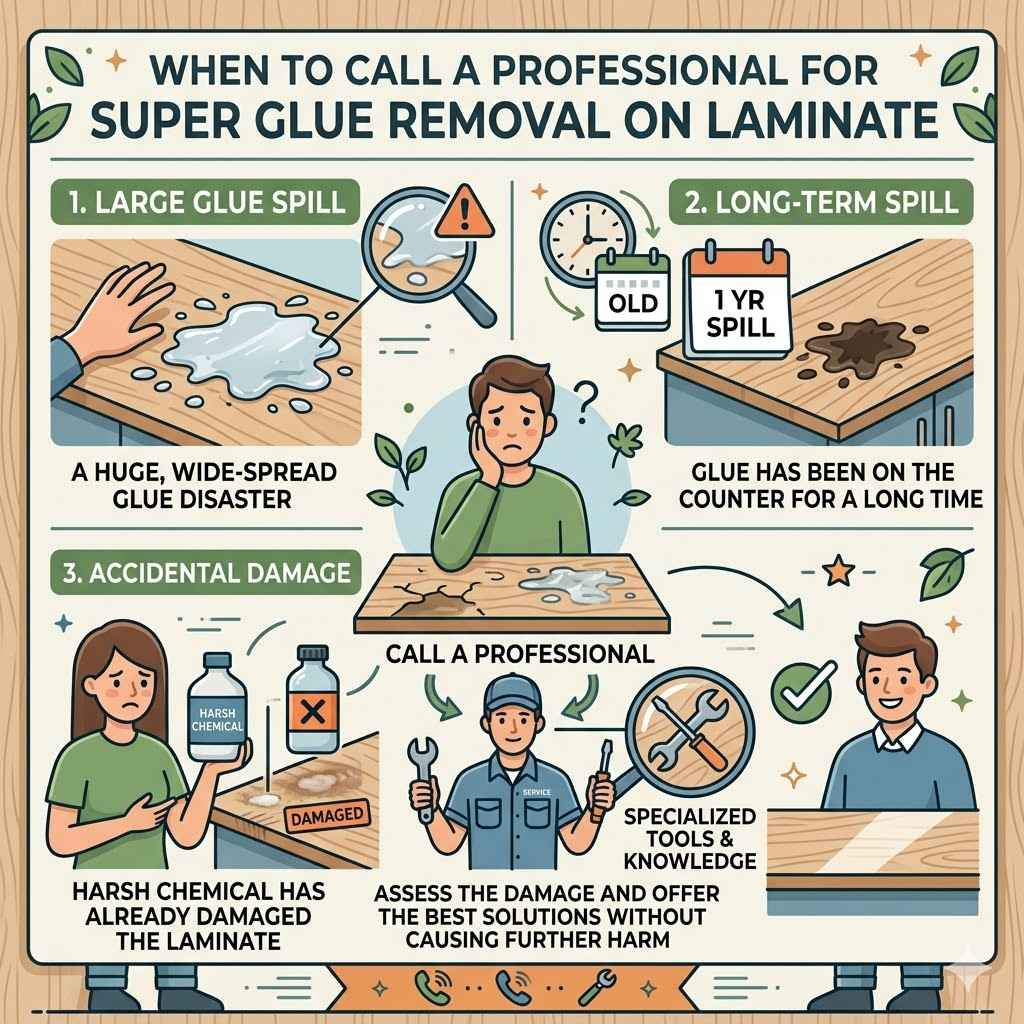
In most cases, you can successfully Remove Super Glue from Laminate Counter Easily with the methods described. However, if the glue spill is very large, has been on the counter for a long time, or if you’ve accidentally used a harsh chemical that has already damaged the laminate, it might be time to consult a professional countertop repair service. They have specialized tools and knowledge to assess the damage and offer the best solutions without causing further harm.
Frequently Asked Questions
Question: Can I use nail polish remover to remove super glue from laminate
Answer: It is generally not recommended to use nail polish remover (acetone) on laminate countertops. Acetone is a strong solvent that can damage the protective wear layer of the laminate, causing it to become dull, discolored, or even dissolve in severe cases. It is safer to use milder options like rubbing alcohol or vinegar.
Question: How long should I let a cleaning solution sit on the glue
Answer: The amount of time varies depending on the solution and the stubbornness of the glue. For mild solutions like soapy water or vinegar, you might need to let it sit for 5-15 minutes, reapplying as needed. For rubbing alcohol, a minute or two is usually sufficient to start working.
Question: What is the best way to remove dried super glue
Answer: For dried super glue, start with gentle methods. Try warming the glue with a hairdryer and then gently scraping it with a plastic scraper. If that doesn’t work, a mild solvent like rubbing alcohol or a vinegar-water solution applied with a soft cloth can help loosen it.
Patience is key.
Question: Can I scratch my laminate counter while removing glue
Answer: Yes, you can scratch your laminate counter if you use abrasive materials. Avoid steel wool, rough scrubbing pads, or metal scrapers. Always opt for soft cloths, sponges, plastic scrapers, or credit cards to minimize the risk of scratching the surface.
Question: How do I clean up oily residue after using oil to remove glue
Answer: After using an oil-based product to remove super glue, clean the area thoroughly with warm water and mild dish soap. Use a soft sponge or cloth to scrub gently. Rinse the area well with a clean, damp cloth and then dry it completely to prevent slipperiness and avoid attracting dirt.
Summary
You now have several effective and safe ways to Remove Super Glue from Laminate Counter Easily. From gentle heat and scraping to using household items like vinegar and rubbing alcohol, you can tackle sticky situations without fear of damaging your beautiful countertops. Remember to always test your chosen method on an inconspicuous spot first and use soft materials for cleaning. With a little patience, your laminate counters will be looking spotless again.