How To Remove Varnish From Wood Without Sanding
Getting old varnish off wood can seem tricky, especially if you’re new to woodworking or DIY projects. Many people think sanding is the only way, but that can create a lot of dust and be hard work. Don’t worry, there are easier methods!
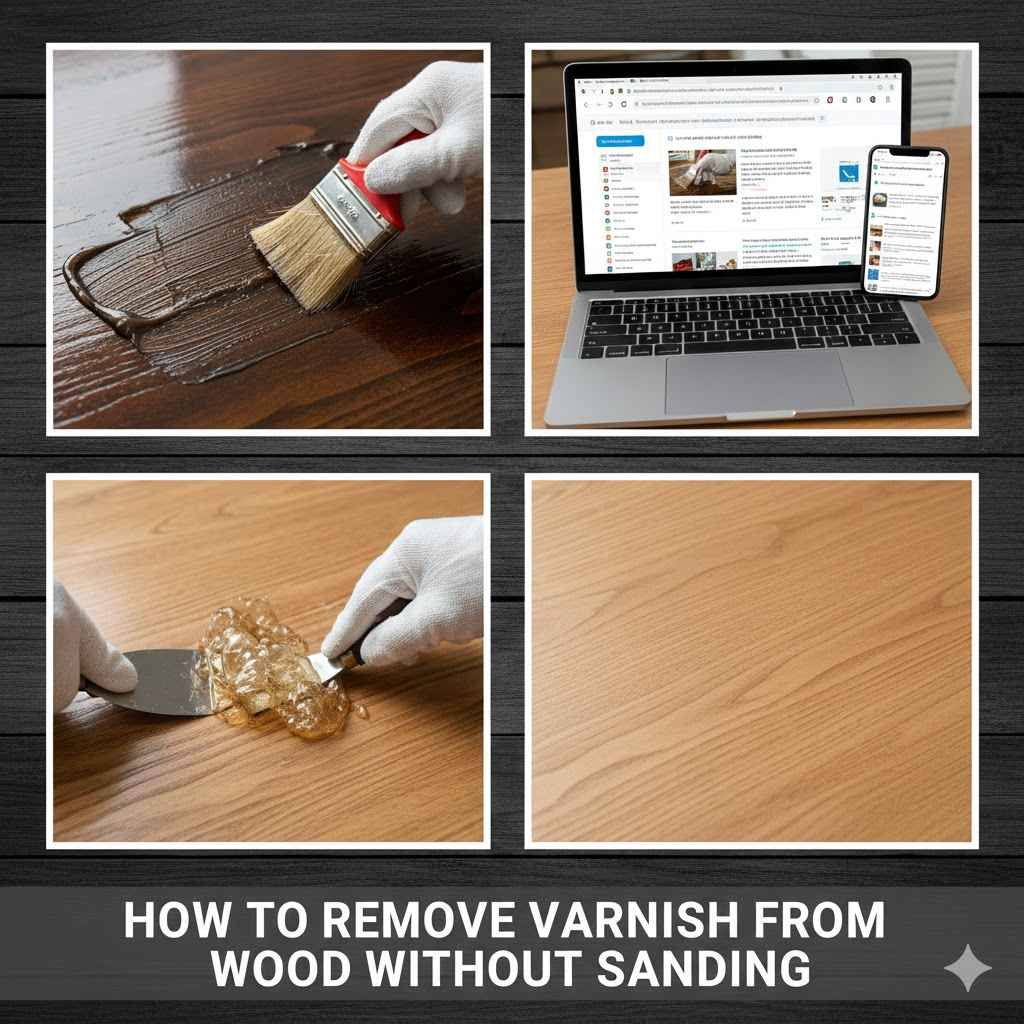
This guide will show you exactly how to remove varnish from wood without sanding, step by step. You’ll learn simple techniques to make your wood look great again.
Effortless Varnish Removal Without Sanding
This section explores gentle yet effective ways to lift old varnish from wood surfaces. It focuses on chemical strippers and heat guns, detailing their application and safety. Understanding these methods helps preserve the wood’s integrity while removing unwanted finishes.
This approach is perfect for delicate pieces or when you want to avoid the mess of sanding.
Understanding Chemical Strippers
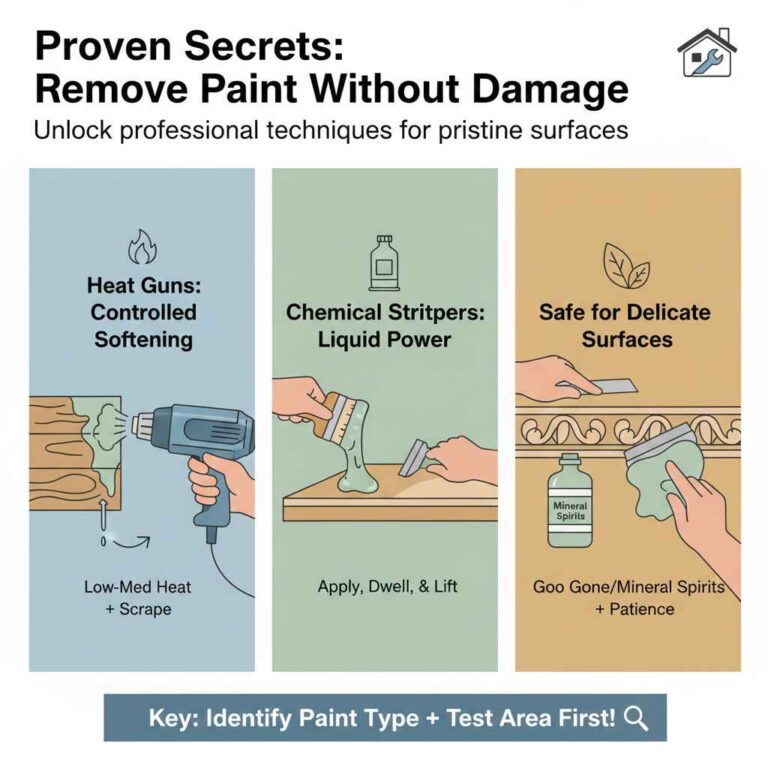
Chemical strippers are liquids or gels that break down varnish. They work by dissolving the finish, making it soft enough to wipe away. This is a common method for deep varnish removal.
It is important to choose a stripper safe for the type of wood you are working with. Always follow the manufacturer’s instructions for the best results and safety.
-
Types of Chemical Strippers
There are different kinds of chemical strippers. Some are solvent-based, using strong chemicals to eat away at the varnish. Others are citrus-based or soy-based, which are less harsh but may take longer.
Biodegradable strippers are also available for those who prefer eco-friendly options. Each type has its own strengths and application methods, so choose wisely based on the varnish thickness and your preference for fumes and cleanup.
-
How Chemical Strippers Work
These products contain active ingredients that penetrate the varnish layers. They loosen the bond between the varnish and the wood. This makes the varnish bubble or soften.
Once softened, you can easily scrape or wipe it off. The process usually involves applying the stripper, waiting for it to work, and then removing the softened finish.
-
Safety Precautions
Always wear gloves, eye protection, and a mask when using chemical strippers. Work in a well-ventilated area to avoid inhaling fumes. Read the product label carefully for specific safety guidelines.
Some strippers can irritate skin or damage certain surfaces, so testing in an inconspicuous area is a good idea.
Using a Heat Gun
A heat gun can soften varnish using hot air, allowing you to scrape it off. This method is fast and can be effective for thicker varnish layers. It requires careful handling to avoid scorching the wood.
The heat essentially makes the varnish pliable, similar to how it works with paint. This is a good alternative if you want to avoid strong chemicals.
-
Heat Gun Operation
A heat gun blows hot air onto the varnish. You move the gun back and forth over a small area. The varnish will start to bubble or soften.
As it softens, use a putty knife or scraper to lift it off the wood. Work in small sections to prevent the wood from overheating.
-
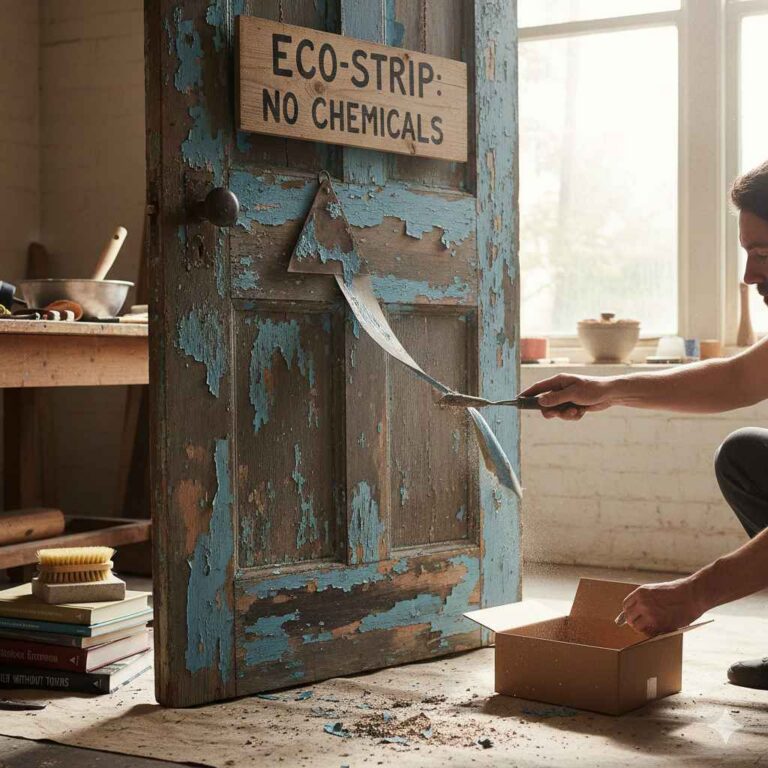
Scraping Techniques
Use a sharp putty knife or scraper. Hold it at a low angle to the wood surface. Gently push the softened varnish away.
Be careful not to gouge the wood. For curved areas, a flexible scraper or even a putty knife with a rounded edge can be helpful. Patience is key to avoid damaging the wood.
-
Wood Protection
Keep the heat gun moving to prevent burning the wood. If the wood starts to darken, you are holding the heat gun too close or for too long. After scraping, you might need to use a solvent or mineral spirits to clean off any residue.
This ensures a clean surface for refinishing.
Natural Methods for Varnish Removal
Exploring natural ways to remove varnish offers a gentler approach, often using common household items. These methods are ideal for those sensitive to chemicals or looking for more environmentally friendly solutions. While they may require more time and effort, they can be very effective for lighter varnish layers and delicate wood items.
We will look at oil-based removers and steam.
Oil-Based Varnish Removers
Certain oils can help break down varnish, especially when combined with other natural agents. These are often slow-acting but very kind to the wood and the user. They work by softening the varnish, making it easier to lift off the surface.
This method is particularly useful for antique furniture where harsh chemicals are not desired.
-
Linseed Oil and Turpentine Mixture
A traditional mix of boiled linseed oil and turpentine can be effective. The turpentine helps to dissolve the varnish, and the oil helps to keep it pliable. Apply the mixture generously to the wood surface.
Let it sit for a while, then gently scrape away the softened varnish. This method releases milder fumes compared to synthetic strippers.
-
How to Apply
Use a brush to apply the oil and turpentine mix. Cover the varnished area completely. Allow it to soak into the varnish for about 30 minutes to an hour.
You should see the varnish start to soften and lift. Then, use a plastic scraper or a dull knife to carefully remove the softened varnish.
-
Residue Cleanup
After removing the bulk of the varnish, you can clean the surface with mineral spirits. This will remove any remaining oil and varnish residue. Ensure the wood is completely dry before applying any new finish.
This natural approach minimizes airborne toxins and is safer for home use.
Steam Stripping Technique
Using steam can soften varnish, making it easier to remove with a scraper. This is a very old technique that relies on moisture and heat to do the work. It is effective for many types of varnish.
The steam gently penetrates the finish, loosening its grip on the wood without harsh chemicals. It is a great option for delicate or valuable pieces.
-
Steam Generator Setup
You can use a dedicated wallpaper steamer or a steam box. For smaller items, a regular steam iron with a cloth can work. The key is to apply consistent, hot steam to the varnished surface.
Hold the steamer about an inch or two away from the wood. Move it slowly over the area to heat the varnish evenly.
-
Scraping with Steam
As the varnish softens from the steam, use a putty knife or scraper. Work in small sections, allowing the steam to penetrate the varnish for a few minutes. Scrape away the softened varnish carefully.
The moisture from the steam helps carry away the dissolved varnish. Avoid pressing too hard to prevent damaging the wood grain.
-
Dealing with Moisture
After steaming and scraping, the wood will be damp. Wipe down the surface with a clean, dry cloth. Allow the wood to air dry completely, which may take several hours.
You can use a fan to speed up the drying process. This ensures no moisture remains trapped, which could harm the wood or the new finish.
Preparing the Wood for Refinishing
Once the varnish is removed, the wood needs proper preparation before applying a new finish. This involves cleaning, smoothing, and ensuring the surface is ready for paint or stain. Proper preparation is key to a professional-looking result.
It ensures the new finish adheres well and lasts longer. This stage is crucial for a beautiful final product.
Cleaning the Wood Surface
After removing varnish, there will likely be some residue. Cleaning it thoroughly is essential. This ensures the new finish adheres properly.
Any leftover stripper or softened varnish can interfere with the new finish. A clean surface provides a smooth canvas for your next steps.
-
Using Mineral Spirits
Mineral spirits are excellent for removing any oily residue left by strippers or natural removers. They cut through grease and oils effectively. Apply them with a clean cloth and wipe the entire surface.
Make sure to work in a well-ventilated area. This step prepares the wood for any further treatment.
-
Mild Soap and Water (for some methods)
If you used a water-based stripper or steam, a gentle wipe with mild soap and water might be needed. Use a damp cloth, not soaking wet. Immediately wipe with a dry cloth.
This method is less common for varnish removal but can be useful for final cleanup in specific cases. Always ensure the wood is completely dry afterward.
-
Checking for Residue
Rub your hand over the wood surface after cleaning. If it feels sticky or greasy, more cleaning is needed. A clean surface should feel smooth and dry.
This simple test helps guarantee that no remnants of the old finish or cleaning agents are left behind.
Light Smoothing and Conditioning
Even without sanding, a light smoothing can make a big difference. This is not about heavy abrasion but about refining the surface. It can involve using fine-grit sandpaper or steel wool.
The goal is to create a perfectly smooth surface ready for a new coat of varnish or paint.
-
Using Fine-Grit Sandpaper
If you must use sandpaper, opt for very fine grits like 220 or higher. This will not remove wood but will smooth out any minor imperfections left by the stripping process. Move the sandpaper with the grain of the wood.
This light touch is sufficient to prepare the surface without creating significant dust.
-
Steel Wool Applications
Fine grade steel wool (0000 grade) is excellent for a final polish. It removes any faint scratches and leaves the wood silky smooth. Like sandpaper, always move with the wood grain.
Steel wool is particularly good for detailed areas and curves. Be sure to clean up all steel wool fibers afterward to prevent rust.
-
Conditioning the Wood
After cleaning and light smoothing, consider a wood conditioner. This helps the new finish penetrate evenly, especially if you plan to stain. It prevents blotchiness and ensures a uniform color.
Apply the conditioner with a clean cloth, let it soak in for the time recommended by the product, and then wipe off any excess.
Alternative Techniques for Difficult Varnish
Sometimes varnish is stubborn and won’t budge with the gentler methods. For these tough cases, we can explore more potent strippers and specialized tools. It is crucial to use these with caution and proper safety measures.
These methods can save time and effort when facing heavily applied or old, hardened varnish layers.
Heavy-Duty Chemical Strippers
For very old or thick varnish, stronger chemical strippers might be necessary. These products are designed for tough jobs. They can dissolve multiple layers of finish quickly.
However, they often come with stronger fumes and require more protective gear. Always test these in a small, hidden area first.
-
Understanding Formulations
Heavy-duty strippers often contain methylene chloride or other powerful solvents. These chemicals are highly effective but also potent. There are also newer, less toxic, but still very strong, biodegradable options available.
Their effectiveness is usually measured by how quickly they break down old finishes.
-
Application Process
Apply a thick, even coat of the heavy-duty stripper. You will usually see the varnish bubble and lift within minutes. Use a putty knife or scraper to remove the softened varnish.
You might need multiple applications for very thick or old varnish. Dispose of the waste material properly as it can be hazardous.
-
Post-Stripping Cleanup
After removing the bulk of the varnish, a specific stripper wash or mineral spirits will be needed. This neutralizes the stripper and removes any residual chemicals. This is a vital step for ensuring the wood is clean and ready for a new finish.
Rinsing thoroughly is important for the longevity of the new finish.
Scraping and Tool Assistance
Sometimes, the best way to help a stripper or heat gun is with the right tools. Specialized scrapers and even small power tools can assist. These tools make it easier to lift the softened varnish and reach into nooks and crannies.
They are designed to remove finishes without damaging the underlying wood when used correctly.
-
Types of Scrapers
Beyond a basic putty knife, consider curved scrapers for rounded surfaces or card scrapers. A card scraper is a flat piece of metal that you hold at an angle to shave off softened varnish. These tools offer a high degree of control and can be very effective in the hands of someone experienced.
-
Orbital Sanders (for edge cases)
While the goal is to avoid sanding, a small orbital sander with a very fine grit can be used sparingly on flat, large areas if other methods fail. Use it only to gently knock down stubborn varnish spots, not to flatten the entire surface. Always follow with a manual smoothing step.
This is a last resort to keep the sanding to an absolute minimum.
-
Detail Tools for Intricate Areas
For furniture with carvings or moldings, small detail scrapers or even old toothbrushes can be used. These tools help to lift varnish from tight spots that larger tools can’t reach. This ensures that the entire surface is clean and ready for refinishing, no matter how detailed the wood is.
Maintaining Your Newly Finished Wood
After you have successfully removed the old varnish and applied a new finish, it’s important to know how to care for your wood. Proper maintenance will keep it looking good for years. This involves regular cleaning and occasional touch-ups.
Knowing the best practices ensures your hard work pays off.
-
Regular Cleaning Practices
Dust your furniture regularly with a soft, dry cloth. For occasional spills or marks, use a slightly damp cloth and dry it immediately. Avoid using harsh chemical cleaners or abrasive pads, as these can damage the new finish.
A gentle, regular cleaning routine is the best way to preserve the surface.
-
Protecting the Surface
Use coasters under drinks and placemats under dishes to prevent water rings and heat damage. Avoid placing hot items directly on the wood surface. Consider using furniture pads under items that might scratch the finish, like decorative objects or chairs.
-
When to Reapply Finish
Over time, even well-maintained finishes can wear. If you notice dull spots or areas where the finish is thinning, it might be time for a refresh. Depending on the type of finish you applied, this could involve a light cleaning and reapplication of a topcoat or a more thorough refinishing process.
Frequently Asked Questions
Question: Can I remove varnish from wood with household items?
Answer: Yes, you can often remove varnish using household items like linseed oil mixed with turpentine, or by using steam. These methods are gentler than chemical strippers and can be effective for lighter varnish layers.
Question: Is it safe to use a heat gun on wood?
Answer: Yes, a heat gun can be safe to use on wood if you are careful. You need to keep the gun moving to avoid scorching or burning the wood. The heat softens the varnish so it can be scraped off.
Question: Will removing varnish damage the wood?
Answer: If done carefully, removing varnish without sanding should not damage the wood. Using the right tools and techniques, like gentle scraping or appropriate chemical strippers, helps protect the wood grain and surface.
Question: How long does it take to remove varnish without sanding?
Answer: The time it takes depends on the method used and the thickness of the varnish. Chemical strippers and heat guns can work relatively quickly, while natural methods might take longer, sometimes several hours or even overnight for the stripper to work.
Question: What’s the best way to clean up after using a chemical stripper?
Answer: After using a chemical stripper, it’s best to clean the wood with mineral spirits or a specific stripper wash recommended by the product manufacturer. This removes any remaining stripper residue and neutralizes the surface, preparing it for refinishing.
Conclusion
Removing varnish from wood without sanding is very achievable. You learned about safe chemical strippers, gentle heat gun use, and natural remedies. We covered how to clean and prepare the wood for a fresh look.
These methods save you time and effort. Enjoy your beautifully refinished wood!