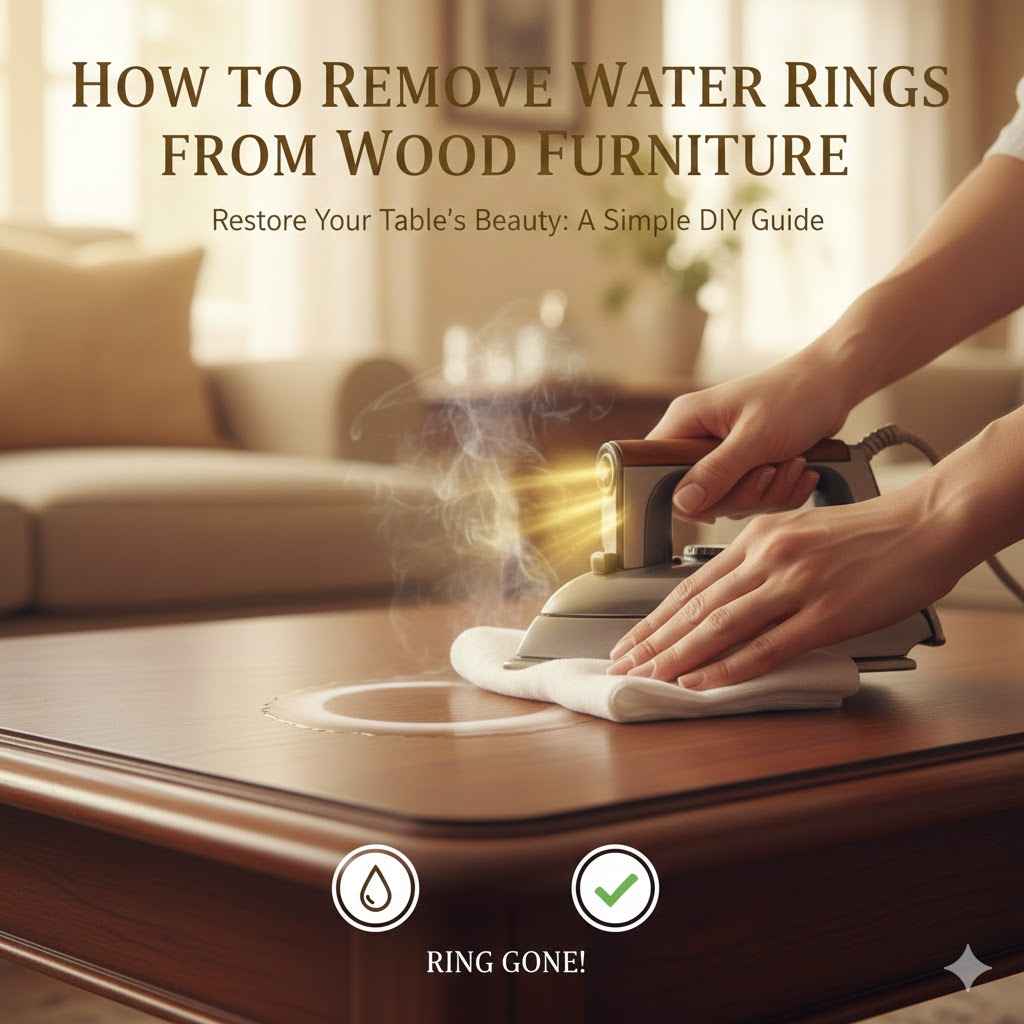
How to Remove Water Rings From Wood Furniture
Water rings on wood furniture can be a real bummer. You’re probably wondering how to remove water rings from wood furniture because they just pop up, right? It seems tricky, especially if you’ve never tried fixing them before.
But don’t worry! It’s often much simpler than you think, and we’ve got a super easy way to get your wood looking great again. Let’s get those rings gone.
Understanding Wood Furniture Water Rings
Water rings are a common problem for anyone with wooden tables, dressers, or cabinets. These marks appear when moisture gets trapped between the wood’s finish and the wood itself. The finish can be anything from varnish to lacquer, and even a seemingly harmless condensation ring from a cold drink can cause damage.
Beginners often find these rings frustrating because they can look permanent, and the fear of damaging the furniture further can make tackling them seem daunting. This section will explain what these rings are and why they happen.
What Causes Water Rings on Wood
Water rings on wood furniture happen when moisture comes into contact with the protective finish on the wood. This moisture can come from a variety of sources. Spills are the most obvious culprit, but even condensation from glasses or mugs can cause issues.
If the wood’s finish is worn or damaged, moisture can seep in more easily. This traps the water between the finish and the wood, creating the cloudy or white appearance that we call a water ring. The longer the moisture stays, the more it can damage the finish.
The type of finish on the wood plays a big role. Older finishes might be more porous and less resistant to water. Newer, high-quality finishes offer better protection.
However, no finish is completely waterproof. Even a small amount of persistent moisture can create a problem over time. It’s like a tiny leak in a roof; even a small drip can cause damage if left unattended.
Types of Water Rings
There are generally two main types of water rings you’ll encounter on wood furniture: white rings and black rings. Understanding the difference is key to choosing the right removal method. White rings are the most common and usually the easiest to fix.
They indicate that moisture has penetrated the top layers of the finish but hasn’t reached the wood itself. Black rings are more serious. They suggest that the moisture has gone deeper, reacting with the wood and possibly causing mildew or staining beneath the finish.
White rings often look like a faint cloudiness or a pale circle on the surface. They are essentially a disruption in the way light reflects off the finish. Black rings, on the other hand, are dark, opaque marks.
They signal that the damage is more significant and might require more aggressive treatments, or even professional refinishing. Spotting the difference early helps you choose the right approach for your furniture.
Why Beginners Find It Challenging
For those new to furniture care, how to remove water rings from wood furniture can seem like a mysterious art. People worry about making things worse. They might fear scratching the surface, discoloring the wood, or damaging the finish further.
There’s a lot of information out there, and it can be hard to know which method is safe and effective for your specific piece of furniture. The risk of trying a harsh chemical or abrasive technique and ruining the finish is a major concern for many.
Also, people often don’t know what type of wood finish they are dealing with. Is it a simple varnish, a wax finish, or something else? Different finishes react differently to cleaning and polishing agents.
Without this knowledge, it’s easy to pick the wrong solution. We aim to simplify this process by providing clear, easy-to-follow steps.
Simple Solutions for White Water Rings
White water rings are the most common and thankfully, often the simplest to tackle. These marks are usually a sign that moisture has affected the top layers of your furniture’s finish. The good news is that you can often lift these rings using common household items that are gentle on the wood.
We will explore a few effective methods that don’t require special tools or expensive products, making them perfect for beginners.
The Toothpaste Method
One surprisingly effective method for white water rings involves using non-gel white toothpaste. The mild abrasiveness of the toothpaste can gently buff away the moisture trapped in the finish without scratching it. It’s important to use white, paste-like toothpaste, not gel or colored varieties, as these can contain dyes that might stain your furniture.
This method is a favorite because most people already have toothpaste at home.
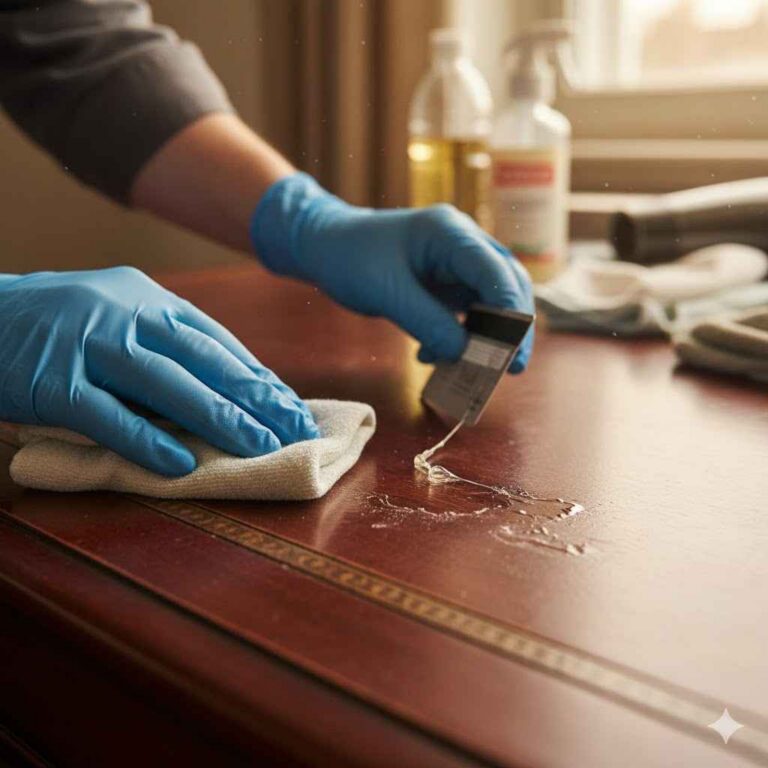
Here’s how to do it: First, ensure the area is clean and dry. Apply a small amount of non-gel white toothpaste directly onto the water ring. Using a soft, lint-free cloth, gently rub the toothpaste into the ring in a circular motion.
Don’t scrub too hard; a light, consistent pressure is best. After rubbing for a minute or two, wipe away the toothpaste with a clean, damp cloth. Finally, dry the area thoroughly with another clean, dry cloth.
You might need to repeat this process a couple of times for stubborn rings.
- Preparation is Key: Always start by cleaning the surface around the water ring. Dust and debris can get mixed with the toothpaste, potentially causing more scratches. Use a soft cloth or a vacuum cleaner with a brush attachment to remove any loose particles. Ensure the wood is completely dry before applying the toothpaste.
- Gentle Application: The goal is to gently lift the moisture. Over-scrubbing can wear down the finish. Think of it as a very mild polish. The fine abrasives in the toothpaste do the work. If you feel you are pressing too hard, ease up.
- Wipe Away Cleanly: Use a slightly damp cloth to remove all toothpaste residue. If you leave any behind, it can dry and become difficult to remove, or even leave its own mark. A final buff with a dry cloth will restore shine.
Using Baking Soda and Water Paste
Baking soda is another gentle abrasive that works wonders on white water rings. When mixed with water to form a paste, it becomes a mild cleaning agent that can lift trapped moisture. This is a safe option for many types of wood finishes, especially if you’re hesitant about using toothpaste.
It’s another readily available item that makes furniture repair accessible.
To use this method, mix two parts baking soda with one part water to create a thick paste. Apply this paste onto a soft cloth and then gently rub it into the water ring using a circular motion. Similar to the toothpaste method, avoid excessive pressure.
Let the paste sit on the ring for a few minutes, then wipe it away with a damp cloth. Dry the area thoroughly with a soft, dry cloth. The baking soda helps to absorb the moisture and gently buff the surface.
- The Right Consistency: Aim for a paste that is not too runny and not too dry. It should be spreadable but thick enough to adhere to the cloth and the ring. Too much water can spread the problem, and too little might not be effective.
- Patience Pays Off: Allow the paste to work for a few minutes before wiping it off. This gives the baking soda time to draw out the moisture and help lift the stain. Sometimes, a bit of waiting makes a big difference.
- Final Polish: After wiping away the paste, a final buff with a dry, soft cloth helps to bring back the natural sheen of the wood. This also ensures no residue is left behind.
The Mayonnaise Trick
Yes, mayonnaise! The oil and vinegar in mayonnaise can help to rehydrate and lift the finish, breaking down the water mark. It sounds odd, but this is a well-known home remedy for white water rings.
The fat content in mayonnaise can replenish the oils in the wood finish that may have been dried out by the moisture. It’s a surprisingly effective and gentle approach for many wood types.
Apply a generous dab of full-fat mayonnaise directly onto the water ring. Let it sit for at least an hour, or even overnight for tougher rings. The oils in the mayonnaise work to penetrate the finish and loosen the trapped moisture.
After the waiting period, wipe away the mayonnaise with a soft cloth. Then, clean the area with a slightly damp cloth and dry it completely with a clean, dry cloth. You should see a significant improvement.
- Fat Content Matters: Use full-fat mayonnaise for this method. The oil is the active ingredient here. Light or fat-free versions won’t have the same effect.
- Longer is Better: For deeply set white rings, don’t rush the process. Leaving the mayonnaise on for an extended period allows the oils to penetrate and work their magic. Overnight treatments are often the most successful.
- Clean Up Thoroughly: Ensure all mayonnaise residue is removed. A final wipe with a clean cloth, followed by drying, will prevent any greasiness.
Using a Hair Dryer
A hair dryer can be a quick and easy way to remove white water rings. The heat from the hair dryer helps to evaporate the trapped moisture from the finish. It’s important to use a low heat setting and keep the dryer moving to avoid damaging the wood or the finish.
This method is fast and uses an appliance most people already own, making it very convenient.
Hold the hair dryer about 6-12 inches away from the water ring. Set it to a low heat or even cool setting. Move the hair dryer back and forth across the ring for a few minutes.
As the moisture evaporates, the ring should start to disappear. You can gently rub the area with a soft cloth while applying heat to help lift the mark. Once the ring is gone, buff the area with a dry cloth.
Be cautious not to overheat the wood.
- Low Heat is Essential: High heat can warp the wood or melt certain finishes. Always start with the lowest setting and increase only if necessary. Keep the dryer moving constantly.
- Constant Motion Prevents Damage: Never hold the hair dryer in one spot for too long. The continuous movement ensures even heat distribution and prevents the wood from overheating.
- Monitor the Ring: Watch the water ring closely as you apply heat. You should see it gradually fade. Stop as soon as the ring is gone to avoid any potential damage to the finish.
Addressing Black Water Rings on Wood Furniture
Black water rings are a more serious issue than white rings. They indicate that moisture has penetrated deeper, potentially reaching the wood itself and causing mildew or staining. These marks are often darker and more stubborn.
Removing them may require more effort and different techniques, but it’s still possible to restore your furniture’s appearance without full refinishing. This section focuses on effective methods for these tougher stains.
Understanding the Deeper Damage
Black water rings signify that the water has moved beyond the finish and interacted with the wood fibers. This can lead to a few problems. First, it can cause the wood to swell, and as it dries, it can create a permanent imprint or distortion.
Second, and more critically, the moisture can promote the growth of mold or mildew within the wood grain. This is what gives the ring its dark, black appearance.
This deeper damage means that simply evaporating moisture from the surface won’t be enough. You need to address the staining or mildew that has occurred. The longer a black ring is left untreated, the more likely it is to become permanent, potentially requiring professional sanding and refinishing of the affected area.
Early intervention is crucial for black rings.
The Oxalic Acid (Wood Bleach) Method
Oxalic acid, commonly sold as wood bleach, is a powerful agent for removing black water stains. It works by chemically lightening the wood fibers, effectively removing the stain caused by mildew or tannins. This method is highly effective but requires careful handling due to the nature of the chemical.
Always follow the product instructions and wear protective gear.
First, prepare the oxalic acid solution according to the product’s instructions. Typically, it involves dissolving crystals in hot water. Once dissolved, apply the solution to the black stain using a brush or cloth.
Let it sit for the time recommended by the manufacturer, usually until the stain has lightened. You may need to apply it multiple times. After treating the stain, neutralize the area with a solution of baking soda and water.
Rinse thoroughly with clean water and allow the wood to dry completely. You will likely need to reapply the finish to the treated area afterward.
- Safety First: Oxalic acid is a chemical. Always wear gloves, eye protection, and work in a well-ventilated area. Read and follow the safety instructions on the product label carefully.
- Targeted Application: Try to apply the oxalic acid only to the stained area. Over-application can lighten the surrounding wood, creating a new discolored patch. A small artist’s brush can be helpful for precise application.
- Neutralization is Crucial: After treating the stain, it’s vital to neutralize the acid. If left on the wood, the acid can continue to damage the finish or the wood itself. The baking soda and water solution effectively stops the chemical reaction.
Steel Wool and Mineral Oil Technique
For black rings that haven’t penetrated too deeply, a combination of fine-grade steel wool and mineral oil can be effective. The fine steel wool acts as a very gentle abrasive, while the mineral oil lubricates the surface and helps to lift the stain. This method is less aggressive than oxalic acid but requires care not to oversaturate the wood or rub too hard.
Use 0000-grade steel wool, which is the finest available. Dampen a small section of the steel wool with mineral oil. Gently rub the steel wool over the black water ring, following the grain of the wood.
Apply light pressure. The oil will help the steel wool glide smoothly. Work in small sections and check your progress frequently.
Wipe away any residue with a soft cloth. Once the stain is gone, clean the area with a slightly damp cloth and then dry thoroughly. You may need to reapply furniture polish or wax afterward.
- Grade of Steel Wool Matters: Only use 0000-grade steel wool. Anything coarser can easily scratch and damage the finish or the wood. It’s the finest grade available and is designed for delicate tasks.
- Lubricate and Glide: Mineral oil is essential for this process. It acts as a lubricant, preventing the steel wool from snagging or scratching. It also helps to lift the stain and protect the surrounding finish.
- Work with the Grain: Always rub in the direction of the wood grain. This helps to blend the treated area and makes any subtle abrasion less noticeable. Going against the grain will cause visible scratches.
Preventing Future Water Rings
The best way to deal with water rings is to prevent them from happening in the first place. Taking simple preventative measures can save you a lot of time and effort in the long run. Protecting your wood furniture from moisture is key to keeping it looking beautiful for years to come.
Use Coasters and Trivets
This is the most straightforward and effective prevention method. Always use coasters for drinks and trivets for hot dishes. Coasters create a barrier between cold, sweating glasses and the wood surface, preventing condensation from forming rings.
Trivets protect the wood from the intense heat of hot items, which can damage the finish and lead to discoloration.
Make it a habit for everyone in the household. Keep coasters readily available on coffee tables, end tables, and dining tables. For hot items, ensure trivets are used every time, without exception.
Educate children and guests about the importance of using these protective items. It’s a small effort that makes a huge difference in preserving your furniture.
- Make Coasters Visible: Have attractive coasters available where drinks are commonly placed. If they are out of sight, people are less likely to use them.
- Educate and Remind: Gently remind family members and guests to use coasters and trivets. A quick, friendly reminder can prevent damage before it happens.
- Invest in Quality: Good quality coasters and trivets are essential. Consider materials like cork, ceramic, or stone that are absorbent and heat-resistant.
Wipe Up Spills Immediately
If a spill does occur, don’t delay in cleaning it up. The longer liquid sits on wood furniture, the more chance it has to penetrate the finish and cause damage. Grab a clean, soft cloth and gently blot up the spill.
For sticky spills, use a slightly damp cloth, then dry the area immediately afterward. Prompt action is crucial.
Keep a few soft cloths handy in convenient locations, like in a drawer in your living room or kitchen. This way, you’re prepared to handle spills the moment they happen. Quick responses are the first line of defense against water rings and other moisture-related damage.
- Keep Cleaning Supplies Accessible: Have soft, absorbent cloths readily available near furniture areas. This makes immediate cleanup easy and convenient.
- Blot, Don’t Rub: When cleaning spills, gently blot the liquid. Rubbing can spread the spill and potentially push moisture further into the finish or wood grain.
- Dry Thoroughly: After any spill cleanup, ensure the area is completely dry. Use a clean, dry cloth to remove any residual moisture.
Regular Furniture Maintenance
Regularly cleaning and conditioning your wood furniture can help maintain its protective finish. Dusting with a soft cloth removes abrasive particles. Applying a good quality furniture polish or wax periodically can add a protective layer and help repel moisture.
This regular care keeps the finish strong and resilient against damage.
Choose polishes and waxes that are suitable for your furniture’s finish. Always test a new product in an inconspicuous area first. Consistent maintenance not only prevents water rings but also keeps your furniture looking its best by enhancing its natural sheen and protecting it from everyday wear and tear.
- Dust Regularly: Use a soft, lint-free cloth for dusting. This removes particles that can scratch the finish over time.
- Condition the Finish: Apply a quality furniture polish or wax every few months. This replenishes the protective layer and adds a beautiful sheen.
- Know Your Finish: Different finishes require different care. For example, waxed finishes need wax, while lacquered finishes might benefit from specific polishes.
When to Seek Professional Help
While many water rings can be fixed with simple home remedies, some situations call for professional expertise. If you have tried the gentle methods and the rings persist, or if you are dealing with very deep or widespread damage, it might be time to call in the experts. Professionals have access to specialized tools and treatments that can address complex issues.
For valuable antique furniture or pieces with delicate finishes, it’s often safer to consult a professional restorer. They can assess the damage accurately and apply the appropriate treatment without risking further harm. Trying to fix severe damage yourself could inadvertently decrease the furniture’s value.
- Valuable or Antique Furniture: If the piece is an heirloom or has significant monetary or sentimental value, it’s best to err on the side of caution and seek professional advice.
- Persistent or Deep Stains: If home remedies fail to remove black stains or white rings after a few attempts, professional intervention may be necessary.
- Extensive Damage: Significant damage, such as warping, deep gouges, or widespread finish breakdown, often requires professional refinishing.
Frequently Asked Questions
Question: Can I use alcohol to remove water rings from wood furniture?
Answer: While some sources might suggest using alcohol, it’s generally not recommended for removing water rings from wood furniture. Alcohol can be a strong solvent and may strip or damage the wood’s finish, leading to more severe problems than the original water ring. It’s safer to stick to gentler, more specific methods for water stain removal.
Question: How long does it take for a water ring to appear on wood?
Answer: Water rings can appear quite quickly, sometimes within minutes of a spill or condensation sitting on the surface. For white rings, the cloudiness can develop as moisture gets trapped. Black rings typically take longer, as they involve a chemical reaction or mildew growth, which needs time to develop.
Question: Are all white water rings the same?
Answer: Not all white water rings are exactly the same. Some are very faint and appear on the surface of the finish, while others might be a bit deeper. The intensity of the ring can depend on the type of finish, how long the moisture was present, and the specific product that caused the ring.
Question: What if the water ring has removed the finish completely?
Answer: If a water ring has removed the finish entirely, it has likely reached the wood itself. In such cases, simple home remedies might not be sufficient. You might need to consider repairing the finish by sanding the affected area and reapplying a matching finish.
For this, professional help is often the best route.
Question: Can these methods damage my furniture’s finish?
Answer: When using gentle methods and appropriate materials, the risk of damage is low. However, using harsh abrasives, excessive heat, or strong chemicals can indeed damage the finish. Always test a method on an inconspicuous area first and follow instructions carefully to minimize any risk.
Wrap Up
Learning how to remove water rings from wood furniture is achievable. Gentle household items like toothpaste, baking soda, mayonnaise, and even a hair dryer can effectively tackle most white rings. For tougher black stains, methods like oxalic acid or fine steel wool with mineral oil can be used with caution.
Prevention through coasters, immediate spill cleanup, and regular furniture care is your best defense. Don’t let water rings stress you; try these simple fixes first.