How to Remove White Water Stains From Wood
Lots of folks wonder How to Remove White Water Stains From Wood Veneer. It can seem tricky when these pale marks show up, especially on nice furniture. But don’t worry!
It’s usually much easier to fix than you might think. We’ll walk through simple steps to get your wood looking good again. You’ll learn safe ways to handle these common spots.
Understanding White Water Stains On Wood
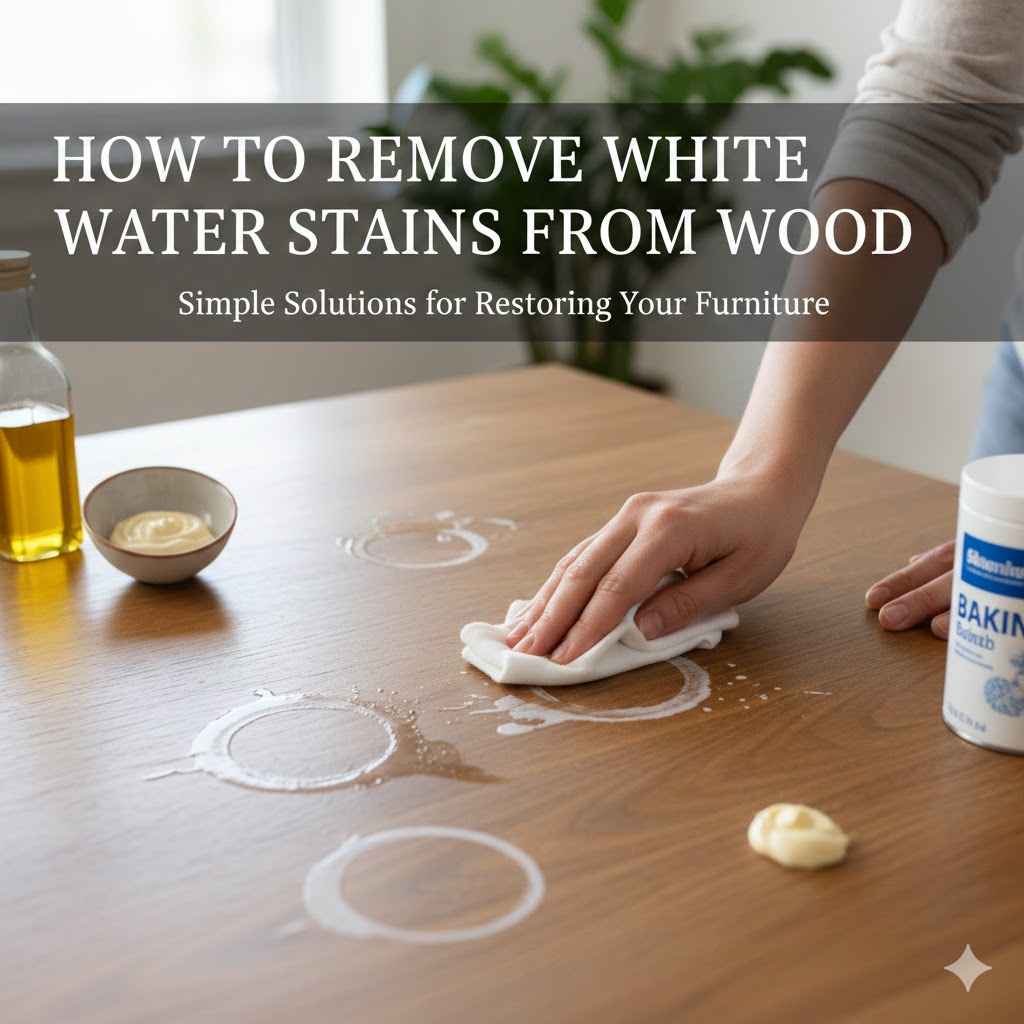
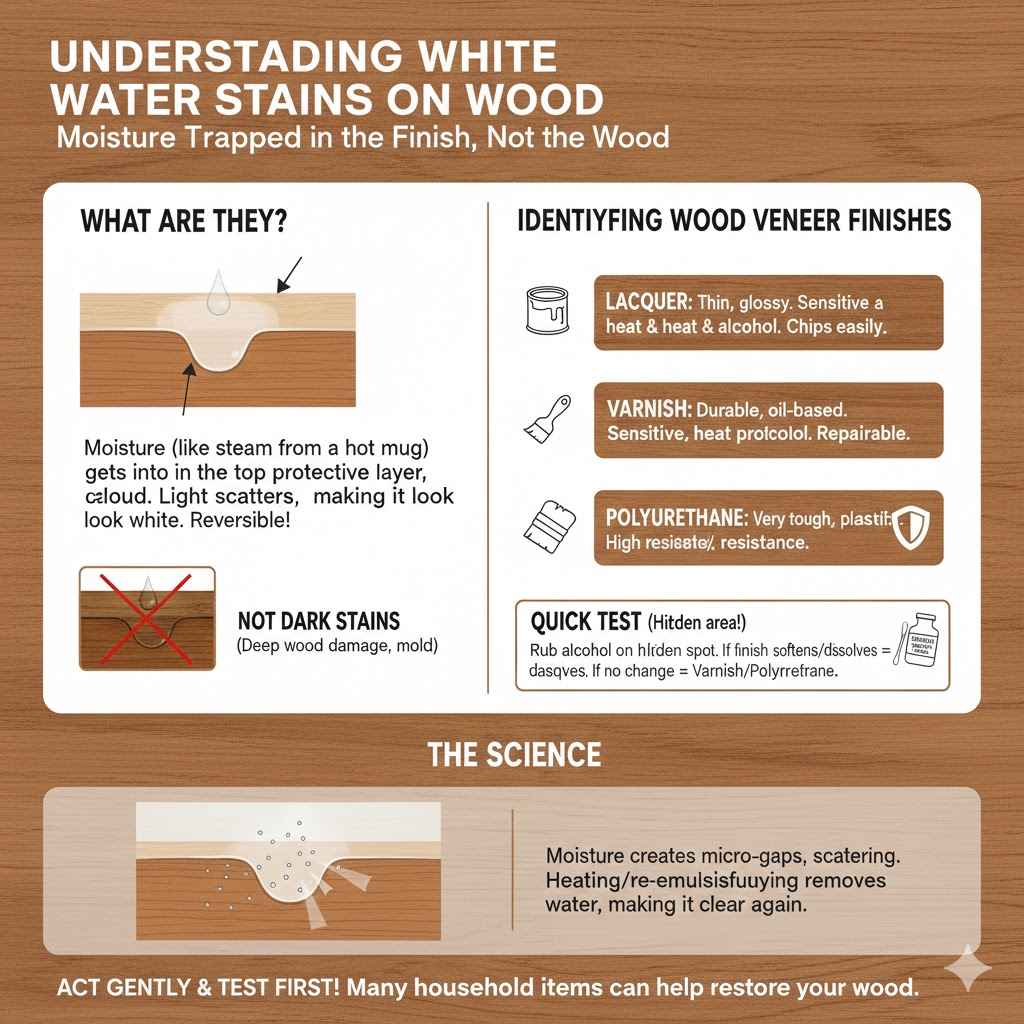
White water stains happen when moisture gets trapped in the finish of the wood, but not deep into the wood itself. Think of it like steam getting under a thin layer of paint. The moisture causes the finish to cloud up, making that white mark you see.
This is different from dark stains, which usually mean the water has soaked into the wood and potentially caused mold or rot. Because the water is only in the finish, these white marks are often reversible.
It’s important to act quickly but gently. Rushing can sometimes make things worse, especially on delicate veneer. Many common household items can help.
The trick is to use the right method for the type of finish and how long the stain has been there. We will explore several easy ways to lift these marks without damaging your beautiful wood.
Identifying Wood Veneer Finishes
Knowing the type of finish on your wood veneer is a key first step. Different finishes react differently to cleaning methods. Most wood furniture has a protective coating, often called a finish.
Common finishes include lacquer, shellac, varnish, and polyurethane. These are usually clear or slightly tinted to add color and protection.
Lacquer and shellac are older finishes that are more sensitive to heat and solvents. Varnish and polyurethane are more durable and resistant to scratches and moisture. You can often tell by looking closely.
Lacquer might chip easily, while polyurethane is very hard. If your furniture is very old or has a very glossy shine, it might be lacquer or shellac. Newer pieces with a matte or satin finish are more likely to have polyurethane.
Knowing this helps you pick the safest and most effective cleaning method. Some methods might be too harsh for delicate finishes, while others are gentle enough for most types.
- Lacquer: Often applied in many thin coats. It dries very fast and can be easily damaged by alcohol or heat.
- Shellac: Made from the lac beetle’s secretions. It’s sensitive to alcohol and heat but can be dissolved and reapplied to repair scratches.
- Varnish: A durable oil-based finish. It takes longer to dry but offers good protection against moisture and wear.
- Polyurethane: A very tough, plastic-like finish. It comes in oil-based and water-based types and is highly resistant to damage.
A simple test can sometimes help. Rub a bit of denatured alcohol on an inconspicuous spot. If the finish softens or dissolves, it’s likely shellac or lacquer.
If it does nothing, it’s probably varnish or polyurethane. Always test any cleaning method in a hidden area first to ensure it doesn’t harm the finish.
The Science Behind White Water Marks
White water marks are essentially trapped moisture within the top layers of the wood’s protective finish. Imagine the finish as a thin, clear plastic shield over the wood. When water sits on this shield, it doesn’t soak into the wood but instead gets between the shield and the wood, or within the shield itself if the finish is porous.
This moisture disrupts the uniform structure of the finish, causing it to scatter light differently.
The visible white or cloudy appearance is due to light refraction. Normally, the smooth finish allows light to pass through uniformly, letting you see the wood’s natural color and grain. When water is present, it creates tiny gaps or altered areas in the finish.
These areas scatter light in all directions, making the spot appear opaque or milky white.
The good news is that if the water hasn’t penetrated the actual wood, this cloudiness can often be reversed. The goal of removing these stains is to gently remove the trapped moisture or to re-emulsify the finish so it dries clear again. It’s like making fog disappear by warming it up; the water vapor is still there, but it disperses.
Gentle Methods For Removing White Water Stains
There are several gentle ways to try and remove white water stains. These methods often involve heat or a mild abrasive to gently lift the moisture or smooth the finish. It’s always best to start with the least invasive method and work your way up if needed.
Patience is key; forcing the issue can lead to damage.
The goal with these methods is to dry out the moisture trapped in the finish without damaging the wood or the finish itself. Many people have success with common household items. We’ll cover techniques that use things like iron, mayonnaise, toothpaste, and even certain oils.
Using Household Heat Sources
One of the most common and effective methods for removing white water stains from wood veneer involves using gentle heat. The idea is to warm the finish just enough to allow the trapped moisture to evaporate. It’s crucial to use caution and not apply too much heat, as this can damage the finish, making it cloudy or sticky.
You can use a common household iron for this. Place a clean, dry cloth or an old t-shirt over the stain. Set your iron to a low heat setting with no steam.
Gently and quickly move the iron over the cloth-covered stain. Do not let the iron sit in one spot. Lift the iron frequently to check progress.
You should see the stain gradually disappear as the moisture evaporates.
- Prepare the area: Ensure the cloth is clean and dry. Any dirt or debris could be pressed into the finish.
- Low heat setting: Never use high heat, as this can melt or bubble the finish.
- Move constantly: Keep the iron moving to avoid overheating one spot. Short bursts of heat are best.
- Check frequently: Lift the cloth and iron often to monitor the stain’s removal.
This method works by warming the finish. The heat helps the trapped water molecules to move and escape from the finish. As the moisture leaves, the finish returns to its clear state.
This is a non-chemical approach, making it a good first option. If the stain is stubborn, you might need to repeat the process a few times.
The Mayonnaise And Oil Method
Believe it or not, mayonnaise and certain types of oil can also be effective at removing white water stains. These methods work on the principle of displacing the trapped moisture with oil, which can then be wiped away, or the oil might help to re-emulsify the finish, allowing it to dry clear.
For mayonnaise, apply a small amount of full-fat mayonnaise directly to the stain. Let it sit for several hours, or even overnight. The oil in the mayonnaise is thought to penetrate the finish and lift the moisture.
After the waiting period, wipe away the mayonnaise with a clean, soft cloth and buff the area. You may need to repeat this if the stain is deep.
Similar to mayonnaise, petroleum jelly (Vaseline) or even olive oil can be used. Apply a thin layer of petroleum jelly or oil to the stain. Let it sit for a few hours.
Wipe it off with a soft cloth. For stubborn stains, some people have had success with using a bit of lemon oil or furniture polish, as these contain oils that can help restore the finish.
- Choose the right product: Full-fat mayonnaise, petroleum jelly, or furniture oils are good options.
- Apply a generous amount: Cover the entire stained area with the product.
- Allow time to work: Let it sit for several hours to give the oil time to act on the stain.
- Wipe and buff gently: Use a soft, clean cloth to remove the product and then buff the area to a shine.
The oils in these products are non-corrosive and can help to gently push out or disperse the moisture trapped in the finish. This is a good alternative if heat methods seem too risky for your particular wood veneer. The process is simple and requires minimal effort, making it a popular choice for beginners.
Using Toothpaste or Baking Soda Paste
A mild abrasive, like toothpaste or a baking soda paste, can sometimes gently buff out white water stains. This method is more about gently abrading the very top layer of the finish where the moisture is trapped, rather than dissolving it.
Use a non-gel, white toothpaste. Avoid toothpastes with harsh whitening agents or crystals. Mix a small amount of toothpaste with a tiny bit of water to form a paste.
Alternatively, mix baking soda with water to create a similar paste. Apply a small amount of the paste to a soft cloth.
Gently rub the paste onto the stain in the direction of the wood grain. Do not scrub hard, as this can scratch the finish. Work slowly and check your progress frequently.
Once the stain appears to be gone, wipe the area clean with a damp cloth and then dry it thoroughly with another soft cloth. You may want to apply a bit of furniture polish afterward to restore shine.
- Select your abrasive: White, non-gel toothpaste or baking soda mixed with water.
- Gentle application: Use a soft cloth and rub in the direction of the wood grain.
- Avoid hard scrubbing: Too much force can damage the finish.
- Clean and dry thoroughly: Remove all paste residue and ensure the area is completely dry.
This method is particularly effective for stains that have slightly etched the finish. The mild abrasiveness helps to smooth out the roughened surface caused by the moisture. It’s a good option when other methods don’t seem to be working, but always proceed with caution to avoid unintended scratching.
The key is to be as gentle as possible.
Commercial Wood Stain Removers
For stubborn stains, there are commercial products designed specifically for removing white water stains from wood. These products are often formulated to safely lift moisture or recondition the finish. It’s important to choose a product that is suitable for wood veneer and for the type of finish you have.
Read the product labels carefully. Some removers are designed for general wood care, while others target specific issues like water rings. Follow the manufacturer’s instructions precisely.
Typically, you will apply the product to a cloth and then gently rub the stained area. Wipe away any residue and buff the surface. Many of these removers also contain conditioners to help restore the wood’s shine.
- Research products: Look for removers specifically for water stains on finished wood.
- Test in an inconspicuous area: Always try the product on a hidden spot first.
- Follow instructions carefully: Adhere strictly to the manufacturer’s usage guidelines.
- Wipe and buff: Remove excess product and restore the finish’s luster.
These commercial solutions can be very effective, especially when DIY methods don’t yield the desired results. They often contain mild solvents or polishing agents that can safely break down the problematic moisture within the finish. It’s often a good idea to have one of these products on hand for unexpected furniture mishaps.
Advanced Techniques and Precautions
While many white water stains can be removed with simple household items, some may require more advanced techniques or careful precautions. Wood veneer is a thin layer of wood, making it more delicate than solid wood. This means you need to be extra careful not to damage it during the cleaning process.
Always test any method in an unseen area first.
Understanding the risks associated with each technique is important. Harsh chemicals or aggressive scrubbing can lead to permanent damage, such as removing the finish entirely, scratching the wood, or even lifting the veneer itself. Therefore, a cautious and step-by-step approach is highly recommended, especially for beginners.
Dealing With Deeper Stains
If simple methods haven’t completely removed the white water stain, it might have penetrated deeper into the finish or even slightly into the veneer itself. In such cases, you might need to try a slightly more aggressive approach or repeat the gentle methods multiple times. Patience is essential here.
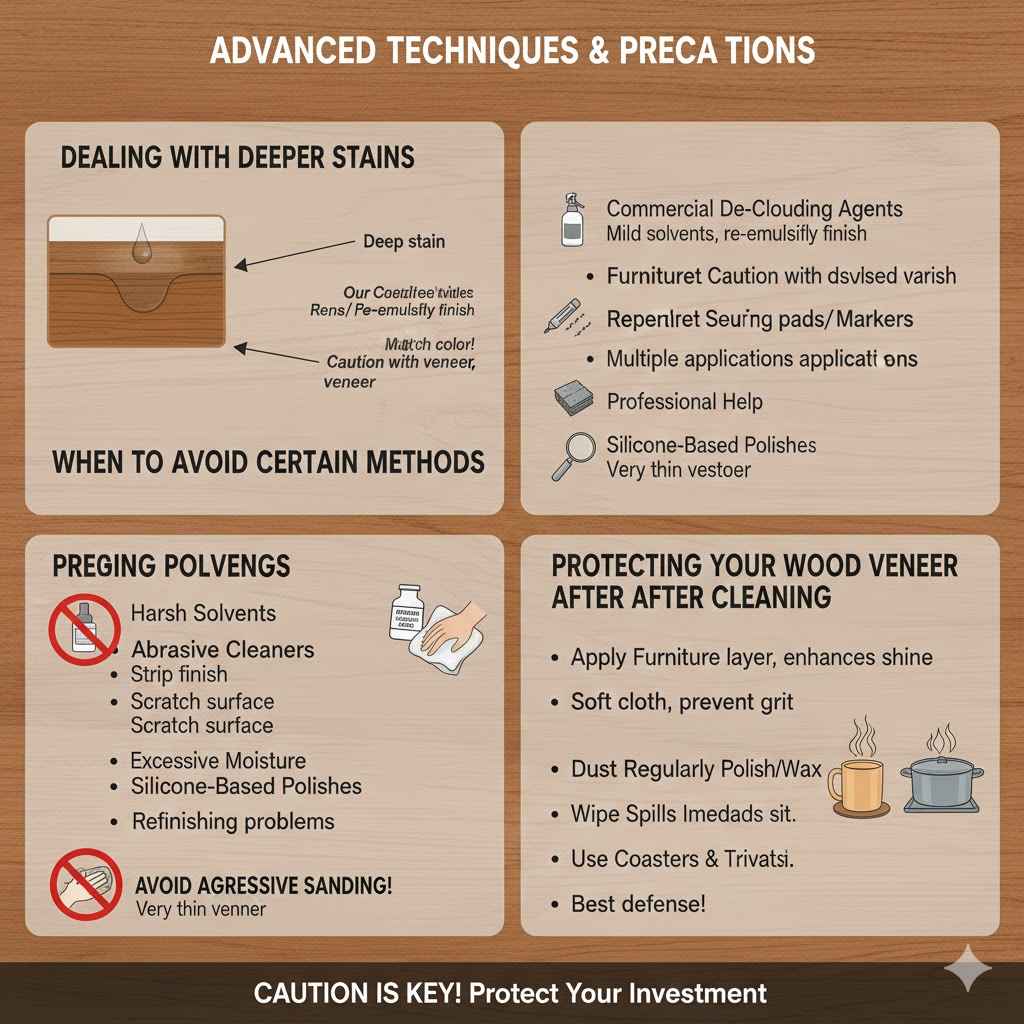
One technique for deeper stains involves using a commercial de-clouding product specifically designed for furniture finishes. These often contain mild solvents that can help re-emulsify the finish. Apply the product to a soft cloth and rub the stained area gently.
You might need to work it in for a few minutes to see results.
Another option is to use a furniture repair kit. These kits often come with touch-up markers or pens that can help to re-color a slightly damaged finish. However, be very careful with these, as it’s easy to make the repair visible if not done correctly.
Always match the color as closely as possible.
- Commercial de-clouding agents: These products are formulated to break down trapped moisture.
- Furniture repair pens/markers: Use these with extreme caution to touch up minor finish damage.
- Repeat gentle methods: Sometimes multiple applications of iron or oil methods can work.
- Consider professional help: For very deep or stubborn stains, a furniture restorer may be the best option.
When dealing with deeper stains, it’s crucial to remember that veneer is very thin. Aggressive sanding or scraping is almost always a bad idea and can quickly go through the veneer layer, exposing the core material underneath. This would require much more extensive repairs.
When to Avoid Certain Methods
It’s just as important to know which methods to avoid as it is to know which ones to use. Some common cleaning agents or tools can cause irreversible damage to wood veneer. Understanding these pitfalls can save your furniture from further harm.
For instance, never use strong solvents like acetone or nail polish remover directly on wood veneer unless you are absolutely certain it’s compatible with the finish and you’ve tested it extensively. These can strip the finish quickly and aggressively. Similarly, abrasive cleaners like scouring pads or steel wool should be avoided.
They will scratch the finish, making the problem worse.
Avoid excessive water. While you’re trying to remove water stains, soaking the veneer can cause it to swell, warp, or the glue holding it to the underlying material to fail. Always use damp, not wet, cloths when cleaning and dry the area thoroughly immediately after.
Also, avoid using furniture polishes that contain silicone if you plan to refinish the piece later, as silicone can interfere with the adhesion of new finishes.
- Harsh solvents: Acetone, nail polish remover, and strong degreasers can damage finishes.
- Abrasive cleaners: Steel wool, scouring pads, and gritty powders will scratch the surface.
- Excessive moisture: Soaking the veneer can cause swelling and delamination.
- Silicone-based polishes: These can create problems if refinishing is needed later.
Always prioritize the gentlest approach. If you are unsure about a method, it’s better to err on the side of caution. Damaging veneer can be a costly and difficult repair, so prevention and careful treatment are key.
Protecting Your Wood Veneer After Cleaning
Once you’ve successfully removed a white water stain from your wood veneer, it’s a good idea to protect the area. This helps to prevent future stains and maintain the beauty of your furniture. Proper care can extend the life of your wood and keep it looking its best for years to come.
After cleaning, you can apply a good quality furniture polish or wax. These products add a protective layer to the finish. They also help to restore the sheen and can make the wood feel smoother.
When applying polish or wax, use a clean, soft cloth and work in the direction of the wood grain.
Regular dusting with a soft, dry cloth is also important. Avoid using harsh chemicals or abrasive cloths for regular cleaning. For spills, wipe them up immediately with a soft, absorbent cloth.
Placing coasters under drinks and trivets under hot dishes will go a long way in preventing future water rings and heat marks.
- Apply furniture polish or wax: This adds a protective layer and enhances shine.
- Dust regularly with a soft cloth: Keep the surface free of dust and grit.
- Wipe up spills immediately: Don’t let liquids sit on the surface.
- Use coasters and trivets: Preventative measures are the best defense against new stains.
Taking these simple steps will help keep your wood veneer furniture looking beautiful and free from damage. It’s a small effort that pays off in the long run, protecting your investment and the aesthetic appeal of your home.
Frequently Asked Questions
Question: Can I use a hairdryer to remove white water stains?
Answer: Yes, a hairdryer on a low heat setting can be used carefully. Hold it at a distance and keep it moving to avoid overheating the finish. It works by gently evaporating the trapped moisture.
Question: How long should I leave mayonnaise or oil on the stain?
Answer: It’s typically recommended to leave mayonnaise or oil on the stain for several hours, or even overnight, for the best results. This gives the oils time to work on the trapped moisture.
Question: What if the white stain is still there after trying these methods?
Answer: If the stain persists, it may have penetrated deeper. You might need to repeat gentle methods, try a commercial de-clouding product, or consider consulting a professional furniture restorer.
Question: Is wood veneer easy to damage with water stains?
Answer: Wood veneer is a thin layer of wood, so it can be delicate. White water stains themselves don’t usually damage the wood, but aggressive cleaning methods can damage the finish or the veneer itself.
Question: Can I sand out a white water stain?
Answer: It is generally not recommended to sand out white water stains on wood veneer. Sanding can easily remove the thin veneer layer, causing permanent damage that is difficult to repair.
Wrap Up
You can successfully remove white water stains from wood veneer with patience and the right methods. Start with gentle options like heat or oil. If those don’t work, try mild abrasives or specific removers.
Always test in a hidden spot and work carefully to protect the delicate veneer finish. Keeping your wood furniture clean and protected helps prevent future issues.