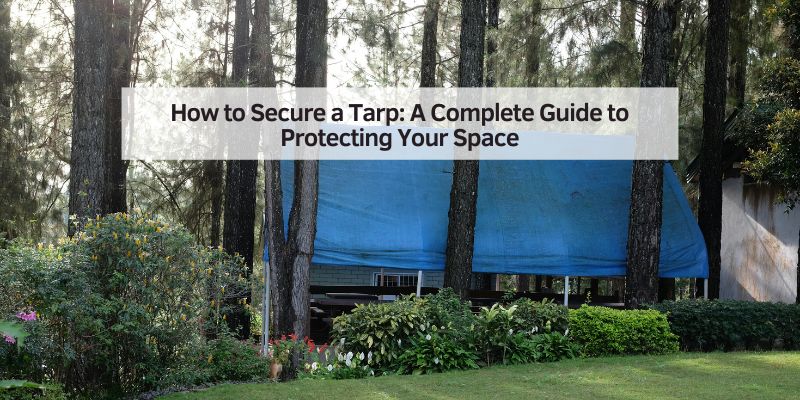
How to Secure a Tarp: A Complete Guide to Protecting Your Space
Hey there! If you’ve ever needed to cover something outdoors—maybe a pile of firewood, a boat, or a construction project—you know a tarp is a lifesaver. But here’s the thing: figuring out how to secure a tarp properly can make or break its usefulness. A loose tarp flapping in the wind is no help to anyone. I’ve spent years tinkering with tarps for home projects, camping, and even emergency repairs, so let me walk you through everything I’ve learned to keep your tarp tight, sturdy, and ready for any weather.
Why Securing a Tarp Matters
Let’s start with the basics. A tarp is only as good as how well it’s secured. If it’s not anchored properly, it can tear, let water pool, or fly off entirely. I’ve seen it happen—a gust of wind turned my poorly tied tarp into a parachute, leaving my patio furniture soaked. Securing a tarp the right way protects your stuff, saves you money on replacements, and gives you peace of mind. Whether you’re covering a leaky roof or shielding garden supplies, a well-secured tarp is your first line of defense against rain, wind, and sun.
Choosing the Right Tarp for Your Needs
Before you even think about tarp securing methods, you need the right tarp. Not all tarps are created equal—I learned this the hard way when a cheap plastic one ripped during a storm. Here’s what to consider:
- Material: Tarps come in polyethylene (light and affordable), vinyl (heavy-duty and waterproof), or canvas (breathable but less water-resistant). I use poly tarps for most outdoor projects because they’re versatile and budget-friendly.
- Size: Measure the area you need to cover and add a few extra feet for overlap. A tarp that’s too small won’t do the job.
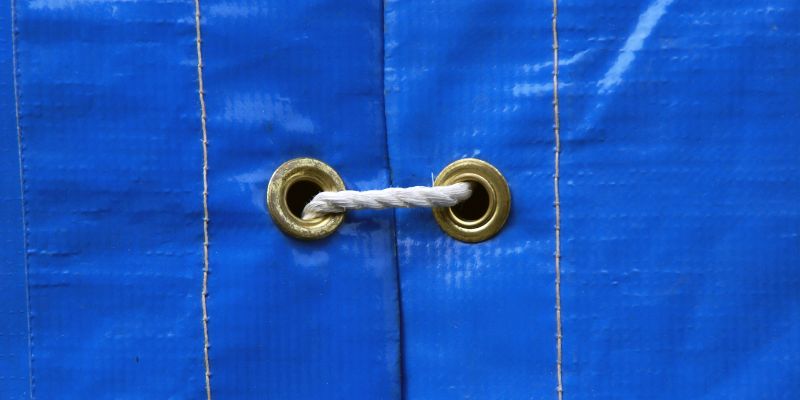
- Grommets: These are the metal or plastic rings along the tarp’s edges. More grommets mean more tie-down points, which makes securing easier.
- Thickness: Measured in mils (thicker is stronger). For heavy-duty jobs, I go for 10-12 mil tarps.
Here’s a quick table to help you pick:
| Tarp Type | Best For | Pros | Cons |
|---|---|---|---|
| Polyethylene | General use, outdoor covers | Lightweight, affordable, waterproof | Can tear under heavy stress |
| Vinyl | Industrial, long-term use | Extremely durable, UV-resistant | Heavy, expensive |
| Canvas | Breathable covers, painting | Breathable, eco-friendly | Not fully waterproof |
Picking the right tarp sets you up for success, so don’t skip this step.

Tools and Materials You’ll Need
Over the years, I’ve built a go-to kit for securing a tarp. Here’s what I keep handy:
- Ropes or Bungee Cords: I prefer bungee cords for quick setups, but ropes give you more control for long-term use.
- Tarp Anchors: Stakes, sandbags, or weights work great, depending on the surface.
- Clips or Tarp Clamps: These grip the tarp tightly without needing grommets.
- Carabiners: Handy for quick connections.
- Pole or Frame (Optional): For creating a sloped tarp to prevent water pooling.
Having these ready makes the process smoother and faster.
Step-by-Step Guide to Securing a Tarp
Now, let’s get to the meat of it—how to actually secure a tarp. I’ll break it down into steps that work for most situations, whether you’re covering a car, a woodpile, or a campsite.
Step 1: Prepare the Area
Before you lay out your tarp, clear the area of sharp objects like sticks or rocks. I once tore a brand-new tarp because I didn’t notice a jagged rock underneath. If you’re covering something like a boat, pad any sharp edges with foam or towels to prevent punctures.
Step 2: Position the Tarp
Drape the tarp over whatever you’re covering. Make sure it’s centered, with enough overhang on all sides. I like to leave at least a foot of extra tarp to ensure full coverage. If you’re using it as a shelter, angle it to let rainwater run off—pooling water is a tarp’s worst enemy.
Step 3: Secure the Corners First
Start with the corners. This keeps the tarp taut from the get-go. Thread a rope or bungee cord through the corner grommets and tie them to tarp anchors like stakes driven into the ground or heavy weights like cinder blocks. I use a simple bowline knot for ropes because it’s strong and easy to undo later. Pull tight, but not so tight you strain the grommets.
Step 4: Add Tie-Downs Along the Edges
Once the corners are secure, work your way along the edges. Space your tie-downs every 2-3 feet, depending on the tarp’s size and the weather conditions. For windy areas, I add more tie-downs to keep things snug. If your tarp doesn’t have enough grommets, use tarp clips—they’re a game-changer.
Step 5: Check for Tension and Slope
Walk around and tug gently on the tarp to ensure it’s evenly tensioned. A loose tarp flaps and tears; an overly tight one can rip at the grommets. If you’re using the tarp as a cover, make sure it slopes slightly so water doesn’t collect. I once had a tarp collapse under the weight of pooled rainwater—trust me, it’s a mess you want to avoid.
Step 6: Reinforce for Windy Conditions
If you’re expecting wind, double up on your tarp anchors. I’ve found that adding sandbags or heavy rocks on top of stakes works wonders. You can also crisscross ropes over the tarp for extra hold. For temporary setups, bungee cords with strong hooks are my go-to because they flex with the wind.
Step 7: Inspect and Adjust Regularly
Tarps loosen over time, especially after heavy rain or wind. I make it a habit to check mine every few days. Tighten any loose ropes, replace worn bungees, and patch small tears with tarp repair tape before they get worse.
Securing Tarps for Specific Uses
Not every tarp job is the same. Here are some tips for common scenarios I’ve tackled:
Covering Outdoor Furniture
When winter hits, I cover my patio set with a heavy-duty poly tarp. Use bungee cords for quick setup and removal, and make sure the tarp is tight to prevent water from pooling. I also tuck the edges under the furniture to reduce flapping.
Protecting a Construction Site
For construction projects, like when I was renovating my deck, a vinyl tarp is best for durability. Use sandbags or cinder blocks as tarp anchors on hard surfaces like concrete. If you’re covering a large area, build a simple frame with PVC pipes to create a sloped roof.
Camping and Temporary Shelters
Camping is where I’ve used tarps the most. For a quick shelter, I tie a tarp between two trees with ropes, using stakes to secure the bottom edges. Angle it steeply to shed rain, and add a smaller tarp underneath as a ground cover to stay dry.
Emergency Roof Repairs
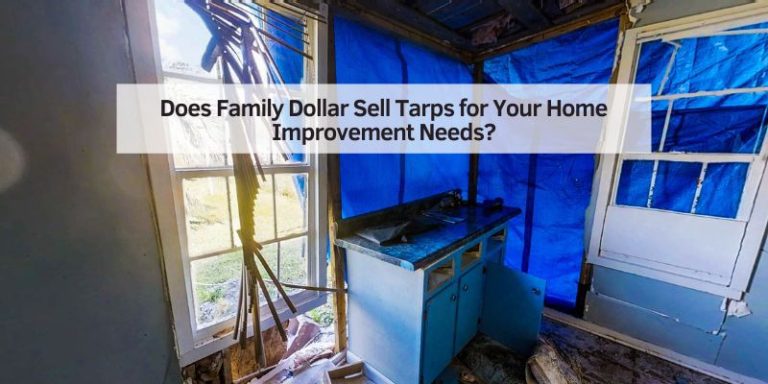
After a storm damaged my roof, I used a tarp as a temporary fix. Spread the tarp over the damaged area, overlapping the roof’s peak. Secure it with ropes tied to heavy weights or nailed boards. Check it daily, as wind can wreak havoc on roof tarps.
Common Mistakes to Avoid
I’ve made plenty of mistakes with tarps, so let me save you some trouble:
- Skipping Grommets: Don’t just poke holes in a tarp—it’ll tear. Use clips or buy a tarp with enough grommets.
- Ignoring Weather: A tarp that’s fine in calm weather might fail in a storm. Always plan for worse conditions than you expect.
- Over-Tightening: Pulling too hard can rip the tarp or bend the grommets. Aim for snug, not strained.
- No Slope: Flat tarps collect water, which leads to sagging or tearing. Always angle your tarp.
Maintaining Your Tarp for Longevity
A good tarp can last years if you treat it right. After each use, I clean mine with mild soap and water to remove dirt or sap. Let it dry completely before folding to prevent mold. Store it in a dry, cool place, and check for tears before reusing. I keep a roll of tarp repair tape handy for quick fixes—it’s saved me more than once.
Why I Love Using Tarps
Tarps are one of those tools that seem simple but are incredibly versatile. I’ve used them for everything from protecting my kids’ sandbox to creating a makeshift greenhouse. Once you master tarp securing methods, you’ll find endless ways to use them around your home. They’re affordable, easy to store, and can handle almost any weather if secured properly.
Conclusion
There you go—a complete guide to secure a tarp like a pro. Whether you’re shielding your belongings from a storm, setting up a campsite, or tackling a home project, a well-secured tarp is your best friend. I’ve shared the tricks I’ve learned from years of trial and error, and I hope they help you avoid the mistakes I made.
Pick the right tarp, use strong tarp anchors, and check it regularly to keep everything safe and dry. Now, grab your tarp and get to work—you’ve got this!
FAQs
How do I choose the right size tarp?
Measure the area you want to cover and add 1-2 feet on each side for overlap. For example, a 10×10 area needs at least a 12×12 tarp to ensure full coverage.
Can I secure a tarp without grommets?
Yes! Use tarp clips or clamps to create anchor points. They grip the tarp tightly and work just as well as grommets.
What’s the best way to secure a tarp in high winds?
Double up on tarp anchors like stakes or sandbags, and crisscross ropes over the top for extra hold. Bungee cords also help because they flex with the wind.
How do I prevent water from pooling on my tarp?
Always angle the tarp so water can run off. Use poles, a frame, or trees to create a slope, and check that the tarp stays taut.
How often should I check my tarp?
Inspect it every few days, especially after heavy rain or wind. Tighten loose tie-downs and patch any tears to keep it secure.