How to Set Up a Tie Down: A Step-by-Step Guide for Homeowners
Hey there! If you’re looking to secure something in your yard, garage, or even on your truck, knowing how to set up a tie down is a game-changer. I’ve spent years tinkering around my home, setting up tie downs for everything from securing a tarp over firewood to keeping my boat steady on its trailer. It’s a simple skill, but it can save you a lot of headaches. Whether you’re a DIY newbie or a seasoned pro, I’m excited to walk you through this process. Let’s dive into how to set up a tie down the right way, with tips I’ve learned from trial and error.
What Is a Tie Down and Why Does It Matter?
A tie down is a method or device used to secure an object in place, preventing it from moving or tipping over. Think of it as a strong anchor that keeps things stable, whether it’s a tent in your backyard, a load on your truck, or even a mobile home during a storm. I’ve used tie downs to keep my outdoor furniture from flying away during windy days, and let me tell you, it’s a lifesaver.
Tie downs are crucial because they provide safety and stability. A poorly secured load can shift, causing accidents or damage. For homeowners, tie downs are handy for securing heavy objects, protecting property, and even ensuring safety during extreme weather. The best part? They’re versatile and easy to set up once you know the basics.
Types of Tie Downs You Should Know About
Before we get into the how-to, let’s talk about the types of tie downs. Over the years, I’ve worked with a few different kinds, and each has its own use. Here’s a quick rundown:
| Type | Best For | Pros | Cons |
|---|---|---|---|
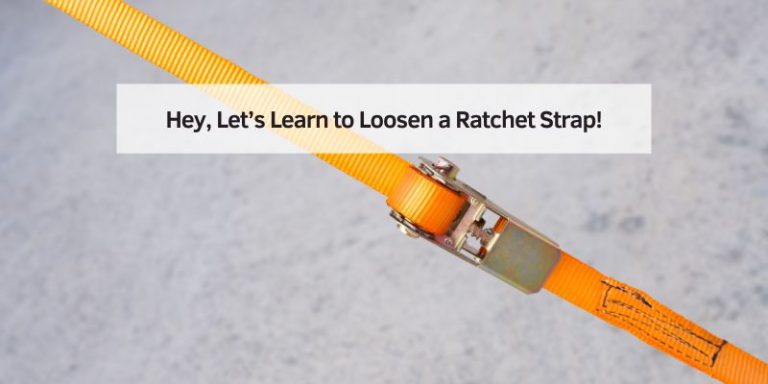
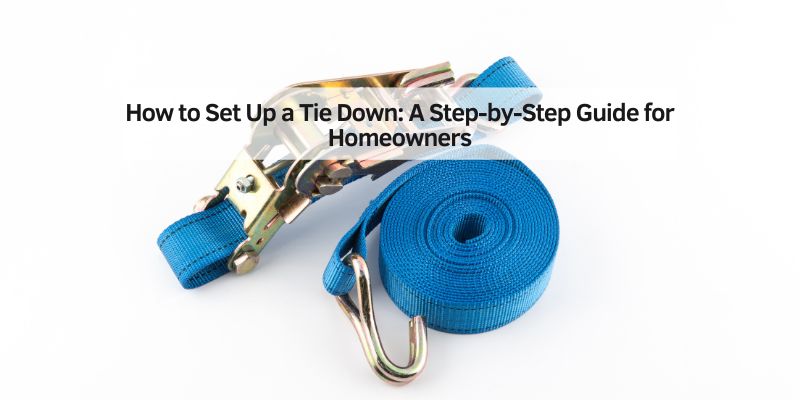
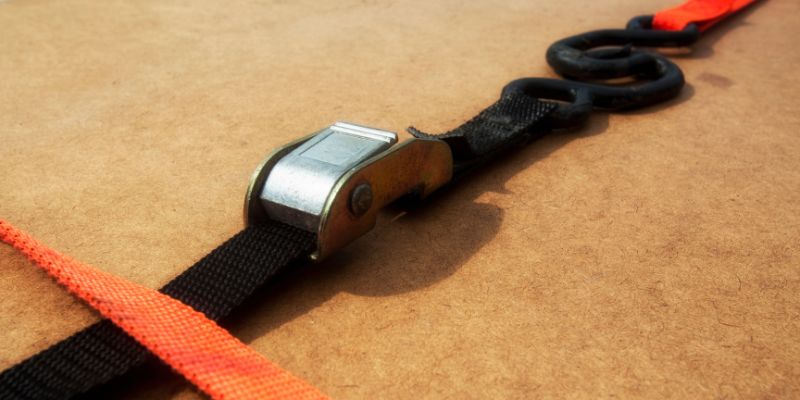
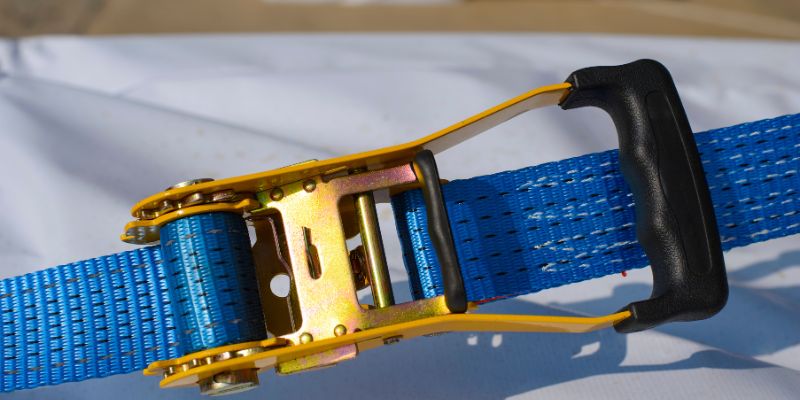
| Ratchet Straps | Securing heavy loads on trucks or trailers | Strong, adjustable, easy to use | Can be bulky, may wear out over time |
| Rope Tie Downs | Lightweight items like tarps or tents | Affordable, versatile | Requires knot-tying skills |
| Bungee Cords | Quick, temporary tie-downs | Stretchy, easy to attach | Not suitable for heavy loads |
| Anchor Tie Downs | Permanent setups like mobile homes | Extremely secure, weather-resistant | Requires installation, costly |
I’ve found ratchet straps to be my go-to for most projects because they’re strong and adjustable. But if I’m just tying down a tarp over my grill, a good rope does the trick. Knowing your options helps you pick the right tool for the job.
Tools and Materials You’ll Need
Setting up a tie down doesn’t require a ton of gear, but having the right tools makes it easier. Here’s what I keep in my toolbox for tie-down projects:
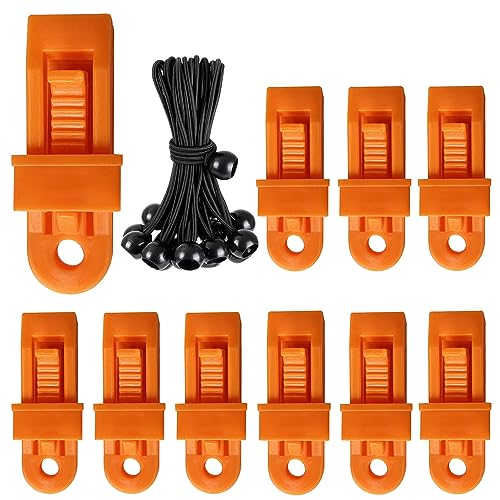
- Tie-down straps or ropes: Choose based on your project. I prefer ratchet straps for heavy items and ropes for lighter tasks.
- Anchors or stakes: For ground tie downs, metal stakes or screw-in anchors work great.
- Hooks or carabiners: These make attaching straps or ropes easier.
- Measuring tape: To ensure even spacing and tension.
- Drill or hammer: If you’re installing permanent anchors.
- Scissors or knife: For cutting rope to size.
- Gloves: To protect your hands, especially with ratchet straps.
I always double-check my materials before starting. There’s nothing worse than being halfway through a project and realizing you’re missing a key item!
Step-by-Step Guide to Setting Up a Tie Down
Now, let’s get to the fun part: actually setting up the tie down. I’ve broken this down into simple steps based on my own experience. Whether you’re securing a tarp, a trailer load, or something else, this process works for most setups.
Step 1: Assess Your Needs
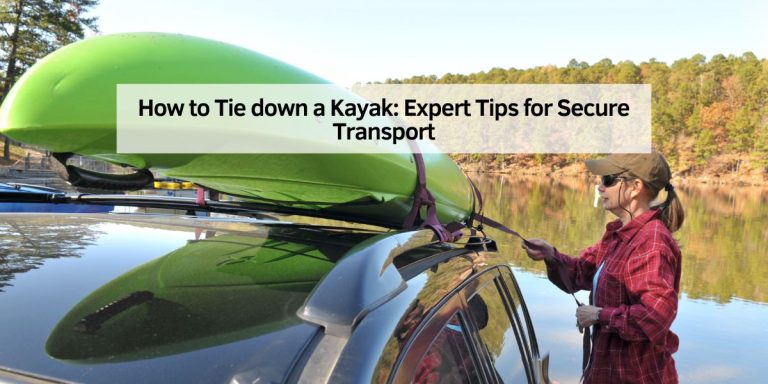
First, figure out what you’re securing and where. Are you tying down a load on a truck bed or anchoring a tent in your backyard? The location and weight of the object will determine the type of tie down you need. For example, when I was securing my kayak to my truck, I knew ratchet straps were the best choice because of the kayak’s weight and the need for a tight hold.
Take a moment to check the environment too. If you’re working outdoors, consider the weather. A windy day might require stronger anchors. I learned this the hard way when a flimsy stake failed during a stormy night, leaving my tarp flapping in the wind!
Step 2: Choose Your Tie-Down Method
Pick the right tie-down type based on your project. For lightweight items like a picnic canopy, bungee cords or ropes might be enough. For heavier loads, like furniture on a trailer, go for ratchet straps or anchor systems. I once used bungee cords for a tarp over my firewood, only to find them stretched out after a week. Now, I stick to ropes or straps for anything that needs to stay put for a while.
Step 3: Identify Anchor Points
Anchor points are where your tie downs will connect to hold the object in place. For a truck bed, this might be built-in hooks or rails. For ground setups, you’ll need to install stakes or anchors. When I set up a tie down for my kids’ trampoline, I used screw-in ground anchors to keep it stable. Make sure your anchor points are strong enough to handle the load. Weak anchors can pull out, and trust me, that’s a mess you don’t want to clean up.
Step 4: Install Anchors (If Needed)
If you’re working on a ground-based project, like securing a tent or shed, you’ll need to install anchors. I use a hammer or drill to drive stakes or screw-in anchors into the ground. Place them at equal distances around the object for even tension. For my trampoline, I placed four anchors at the corners, which kept it rock-solid even in strong winds. Make sure the anchors are deep enough to hold firm—about 12-18 inches for most ground stakes.
Step 5: Attach the Tie Down
Now it’s time to connect your straps or ropes. If you’re using ratchet straps, thread them through the anchor points and the object’s tie-down loops or hooks. Pull the strap tight and use the ratchet mechanism to secure it. For ropes, tie a strong knot like a bowline or trucker’s hitch. I’ve found the trucker’s hitch to be a lifesaver for getting a tight hold without much effort. Double-check that everything is secure before moving on.
Step 6: Test the Tension
Once your tie down is in place, give it a gentle tug to check the tension. It should feel snug but not so tight that it strains the material. When I tied down my boat trailer, I made the mistake of over-tightening the straps, which put too much pressure on the hull. Now, I aim for firm but not excessive tension. Walk around and check all sides to ensure the object is evenly secured.
Step 7: Regular Maintenance
Tie downs aren’t a “set it and forget it” deal. Over time, straps can loosen, ropes can fray, and anchors can shift. I check my tie downs every few weeks, especially after heavy rain or wind. For my outdoor furniture, I tighten the straps monthly to keep everything in place. If you notice any wear or damage, replace the tie down immediately to avoid accidents.
Tips for a Successful Tie-Down Setup
After years of setting up tie downs, I’ve picked up a few tricks that make the process smoother:
- Use quality materials: Cheap straps or ropes can break under pressure. Invest in heavy-duty options for long-term use.
- Check the weather: If you’re setting up outdoors, make sure your tie downs can handle rain, wind, or snow.
- Practice your knots: If you’re using ropes, learn a few basic knots like the bowline or trucker’s hitch. They’re easy and super effective.
- Label your straps: For big projects, I label my straps with tape to keep track of which goes where. It saves time during setup.
- Store properly: Keep your tie downs in a dry, cool place to prevent wear. I learned this after leaving my ratchet straps outside, and they rusted!
Common Mistakes to Avoid
I’ve made plenty of mistakes over the years, and I want to help you avoid them. Here are some common pitfalls:
- Using the wrong tie down: Don’t use bungee cords for heavy loads. They’re not strong enough and can snap.
- Skipping anchor checks: Always test your anchors before attaching the tie down. A weak anchor can ruin your setup.
- Over-tightening: Too much tension can damage your object or the tie down itself. Aim for snug, not super tight.
- Ignoring maintenance: Check your tie downs regularly. A loose strap or frayed rope can cause big problems.
Tie Downs for Specific Projects
Let’s talk about some specific ways I’ve used tie downs around my home. These examples might spark ideas for your own projects.
Securing a Tarp
Tarps are great for covering firewood, grills, or outdoor furniture. I use ropes or bungee cords to tie down tarps, attaching them to ground stakes or nearby structures. Make sure the tarp is taut to prevent water pooling, which can lead to tears.
Tying Down a Trailer Load
When I haul furniture or equipment on my trailer, ratchet straps are my go-to. I attach them to the trailer’s anchor points and crisscross them over the load for extra stability. Always double-check the straps before hitting the road.
Anchoring a Mobile Home
For permanent setups like mobile homes, heavy-duty anchor tie downs are a must. I’ve helped friends install these, and they require deep ground anchors and strong straps. It’s a bigger project, so consider hiring a professional if you’re not confident.
Setting Up a Tent or Canopy
For backyard parties, I use ground stakes and ropes to secure tents or canopies. Place stakes at an angle for better hold, and check the tension after setup to ensure the tent stays upright.
Safety First: Why Tie Downs Matter
I can’t stress enough how important tie downs are for safety. A loose load on a trailer can cause accidents, and an unsecured tent can collapse in the wind. When I was new to tie downs, I once had a tarp fly off my truck because I didn’t secure it properly. Luckily, no one was hurt, but it was a wake-up call. Always take the time to set up your tie downs correctly, and check them before leaving them unattended.
Wrapping It Up
Setting up a tie down might seem simple, but it’s a skill that can make a big difference in your home projects. From securing a load on your truck to keeping your outdoor gear safe, tie downs are versatile and reliable. I’ve loved sharing my experiences with you, from the mistakes I’ve made to the tricks I’ve learned. With the right tools, a bit of practice, and some attention to detail, you’ll be a tie-down pro in no time. So grab your straps or ropes, and get started on your next project. You’ve got this!
Frequently Asked Questions
What’s the best type of tie down for heavy loads?
For heavy loads, like furniture or equipment on a trailer, ratchet straps are your best bet. They’re strong, adjustable, and easy to use. I’ve used them for years to secure everything from boats to lumber, and they’ve never let me down.
Can I use bungee cords for permanent setups?
No, bungee cords are better for temporary, lightweight setups. They stretch over time and aren’t strong enough for heavy or long-term use. For permanent setups, go for ropes or anchor systems.
How do I know if my anchor points are strong enough?
Test your anchor points by giving them a firm tug. If they move or feel loose, they’re not secure enough. For ground anchors, make sure they’re deep in the soil—about 12-18 inches for most projects.
How often should I check my tie downs?
Check your tie downs every few weeks, especially after bad weather. I’ve had straps loosen after heavy rain, so it’s worth taking a quick look to ensure everything’s still tight.
Can I reuse tie downs for different projects?
Yes, as long as they’re in good condition. Inspect them for wear, fraying, or rust before reusing. I’ve reused my ratchet straps for years, but I replace them if I see any damage.