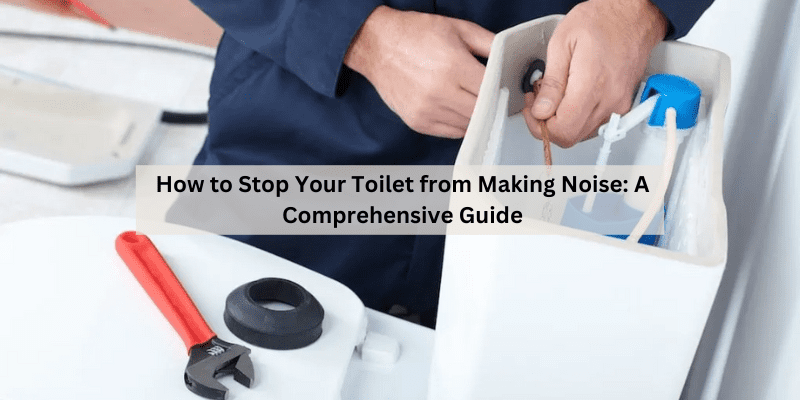
How to Stop Your Toilet from Making Noise: A Comprehensive Guide
Hey there! If you’re reading this, chances are your toilet is making some weird noises that are driving you up the wall. Maybe it’s a hiss, a gurgle, or that annoying running sound that just won’t quit. I’ve been there, and trust me, it’s frustrating! A noisy toilet can disrupt your peace and make you wonder if something’s seriously wrong. The good news? Most toilet noises are fixable with a little know-how and some basic tools. In this guide, I’m going to walk you through everything I’ve learned about silencing a noisy toilet. I’ve rolled up my sleeves, tinkered with my toilet, and figured out what works. So, let’s dive in and get that toilet quiet again!
Understanding Why Your Toilet Is Making Noise
Before we fix the problem, we need to know what’s causing it. Toilets are simple machines, but they have a few parts that can go haywire. When I first started hearing strange sounds from my toilet, I thought it was haunted! Turns out, it was just a few common issues. Here’s what I found out about the most common noises and their causes:
- Running Water: This is that constant trickle or hiss you hear. It usually means water is leaking from the tank into the bowl, often because of a faulty flapper or fill valve.
- Gurgling: This sound happens when air gets trapped in the pipes or there’s a partial clog.
- Hissing: A hissing toilet often points to a problem with the fill valve or water pressure.
- Whistling or Screeching: High-pitched noises usually come from a worn-out ballcock or fill valve.
- Banging or Knocking: This could be water hammer, where water suddenly stops or changes direction in the pipes.
Each noise gives us a clue about what’s wrong. Once you pinpoint the sound, you’re halfway to fixing it. Let’s break down how to tackle each issue.
Tools You’ll Need to Fix a Noisy Toilet
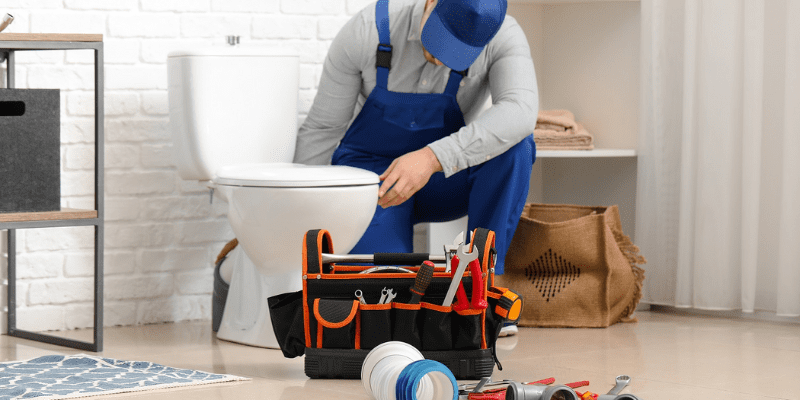
I’m no plumber, but I’ve learned you don’t need a ton of fancy tools to fix a toilet. Here’s what I keep in my toolbox for these jobs:
| Tool | Purpose |
|---|---|
| Adjustable wrench | Tightening or loosening bolts and nuts |
| Screwdriver | Removing screws on the tank or valve |
| Replacement flapper | Fixing leaks in the tank |
| Replacement fill valve | Addressing hissing or running issues |
| A pipe cleaner or a brush | Cleaning out mineral buildup |
| Plunger | Clearing minor clogs |
| Bucket and towel | Catching water and keeping things dry |
These tools are affordable and easy to find at any hardware store. I got most of mine for under $20, and they’ve saved me from calling a plumber more than once!
Step-by-Step Fixes for Common Toilet Noises
Let’s get to the good stuff—fixing those noises! I’ll walk you through the most common problems and how I solved them in my bathroom. Follow these steps, and you’ll be amazed at how quiet your toilet can be.
Stopping a Running Toilet
A running toilet was the first issue I tackled. That constant trickle sound was keeping me up at night! Here’s what I did:
- Turn Off the Water Supply: Find the shut-off valve behind the toilet and turn it clockwise. This stops water from flowing into the tank.
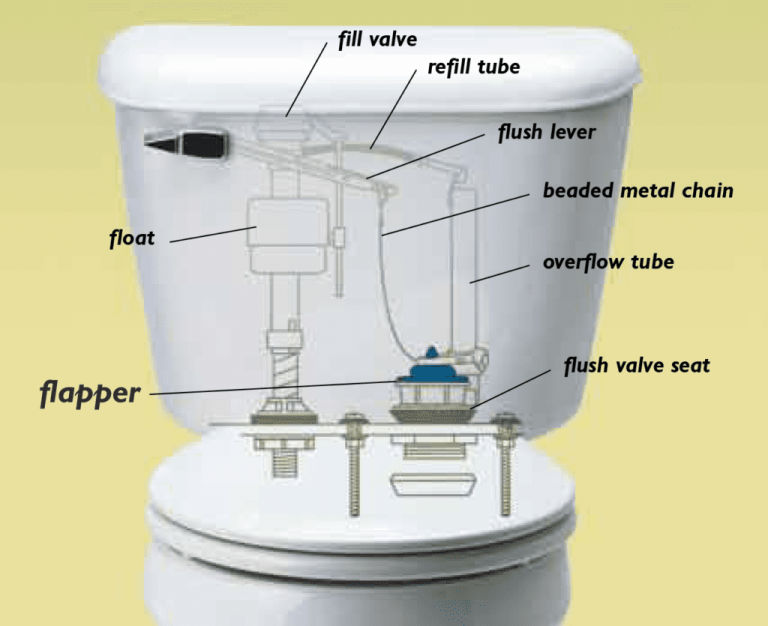
- Check the Flapper: Lift the tank lid and look at the flapper (the rubber piece at the bottom). Mine was warped and wasn’t sealing properly. If yours looks worn or doesn’t close tightly, replace it. A new flapper costs about $5.
- Inspect the Chain: The chain connecting the flapper to the flush handle can be too long or too short. Adjust it so there’s just a little slack. I had to shorten mine by a link to stop the leak.
- Test the Fix: Turn the water back on and flush. If the flapper seals tightly and the tank fills without running, you’re golden!
If the flapper isn’t the issue, the fill valve might be. I’ll cover that next.
Fixing a Hissing Toilet
A hissing toilet is super common, and it drove me nuts until I figured it out. The culprit is usually the fill valve, which controls water flowing into the tank. Here’s how I fixed it:
- Shut Off the Water: Same as before, turn off the water supply.
- Check the Fill Valve: Look inside the tank. The fill valve is the tall part with a float. If it’s old or clogged with mineral buildup, it can hiss. Mine had some calcium deposits from hard water.
- Clean the Valve: Use a pipe cleaner or brush to scrub away buildup. I also soaked the valve in vinegar for 10 minutes to dissolve the gunk.
- Replace if Needed: If cleaning doesn’t work, replace the fill valve. I bought a universal fill valve for $10, and it came with clear instructions. It took me about 20 minutes to install.
- Test It: Turn the water on and let the tank fill. If the hissing stops, you’re done!
Silencing a Gurgling Toilet
Gurgling sounds are tricky because they can come from a few places. When my toilet started gurgling, I thought it was a major plumbing issue. Turns out, it was simpler than that. Here’s what I tried:
- Check for Clogs: Use a plunger to clear any blockages in the bowl or drain. I gave mine a few good plunges, and the gurgling stopped.
- Inspect the Vent Pipe: Toilets have a vent pipe on the roof to let air into the plumbing system. If it’s clogged with leaves or debris, it can cause gurgling. I climbed up with a ladder and cleared out some twigs—problem solved!
- Flush Valve Check: If the flush valve (the part the flapper sits on) is dirty, it can cause air bubbles and gurgling. Clean it with a sponge and some vinegar.
If gurgling persists, you might need a plumber to check for deeper blockages, but these steps worked for me.
Stopping Whistling or Screeching Noises
A whistling toilet is like nails on a chalkboard. Mine started doing this randomly, and I found it was the old ballcock valve. Here’s how I handled it:
- Locate the Ballcock: This is an older type of fill valve with a floating ball. If your toilet is newer, it might have a modern fill valve instead.
- Adjust the Valve: Sometimes, tightening the screws on the ballcock stops the noise. I tried this first, but my valve was too old.
- Replace the Valve: I swapped out the ballcock for a new fill valve. It’s a straightforward job—unscrew the old one, attach the new one, and connect the water line. Took me 30 minutes.
- Test the Flush: After installing, I flushed a few times to make sure the whistling was gone. It was!
Addressing Banging or Knocking (Water Hammer)
Banging noises freaked me out the first time I heard them. It sounded like someone was hitting my pipes with a hammer! This is called water hammer, and it happens when water flow stops suddenly. Here’s how I fixed it:
- Turn Off the Water: Always start here to stay safe.
- Drain the Pipes: Open all faucets in your house to drain water from the pipes. This relieves pressure that causes banging.
- Check the Shut-Off Valve: Make sure it’s fully open. Partially closed valves can cause water hammer. Mine was slightly closed, so I opened it fully.
- Install a Water Hammer Arrestor: If the problem persists, you can buy a water hammer arrestor for about $15. It’s a small device that absorbs shock in the pipes. I didn’t need one, but it’s a good option for stubborn cases.
Preventative Maintenance to Keep Your Toilet Quiet
Once I got my toilet quiet, I wanted to keep it that way. Here are some tricks I’ve learned to prevent noises from coming back:
- Regular Cleaning: Hard water can cause mineral buildup, so I clean my tank with vinegar every few months.
- Check Parts Annually: Flappers and fill valves wear out over time. I mark my calendar to inspect them once a year.
- Avoid Harsh Chemicals: Those blue toilet bowl tablets can damage tank parts. I stick to natural cleaners like vinegar or baking soda.
- Listen for Changes: If your toilet starts making new noises, don’t ignore them. Catching problems early saves time and money.
When to Call a Plumber
I’m all about DIY, but sometimes you need a pro. If you’ve tried everything and the noise won’t stop, or if you suspect a major issue like a sewer line problem, call a plumber. I had to do this once when my gurgling turned out to be a partial sewer clog. It cost me $150, but it was worth it for peace of mind.
Why Fixing a Noisy Toilet Matters
A noisy toilet isn’t just annoying—it can waste water and money. A running toilet can leak up to 200 gallons a day, which adds up on your water bill. Plus, fixing it yourself feels amazing! I was so proud when I silenced my toilet for the first time. It’s like solving a puzzle and saving cash at the same time.
Conclusion
There you have it—everything I’ve learned about stopping a noisy toilet! From running water to hissing, gurgling, and banging, I’ve tackled it all in my own home. With a few tools and some patience, you can fix most toilet noises yourself. Start by identifying the sound, then follow the steps I’ve laid out. If you’re like me, you’ll feel a huge sense of accomplishment when your bathroom is quiet again. Plus, you’ll save water and avoid pricey plumber bills. So, grab your wrench, roll up your sleeves, and get to work. Your peaceful bathroom is waiting!
Frequently Asked Questions
Why does my toilet keep running after I flush it?
A running toilet usually means the flapper isn’t sealing properly or the fill valve is faulty. Check the flapper for wear and tear, adjust the chain, or replace the fill valve if needed.
Can a noisy toilet increase my water bill?
Yes! A running or leaking toilet can waste hundreds of gallons of water a day, which can add up fast on your bill.
How do I know if I need to replace the fill valve?
If your toilet hisses or runs even after cleaning the valve, it’s probably time to replace it. Most fill valves are inexpensive and easy to install.
What causes a toilet to gurgle?
Gurgling is often caused by a clog in the drain or a blocked vent pipe. Try plunging first, then check the vent pipe on your roof.
Is it safe to fix a toilet myself?
Absolutely, for most issues! Just turn off the water supply before starting, and follow the steps carefully. If you’re unsure, a plumber can help.
How often should I check my toilet for maintenance?
I check mine once a year. Look at the flapper, fill valve, and clean the tank to prevent buildup.
Can hard water cause toilet noises?
Yes, hard water can leave mineral deposits that mess with the fill valve or flapper, causing noises like hissing or running.
What’s a water hammer, and how do I stop it?
Water hammer is a banging noise when water flow stops suddenly. Open all faucets to drain pipes, check the shut-off valve, or install a water hammer arrestor.