I used to wake up every night to pee. Here’s how I stopped.
I used to wake up every night to pee. Here’s how I stopped.I remember tossing and turning, waking up three times a night to use the bathroom. It was so annoying! I felt tired all day because my sleep was broken. If you’re dealing with this, don’t worry. This article will show you how to stop urinating at night with easy tips. I’ll share what worked for me and simple steps you can try. You’ll learn why it happens, how to fix it, and mistakes to avoid. Let’s get started so you can sleep better!
What Is Nighttime Urination?
Waking up to pee at night is called nocturia. It’s common, especially as you get older. Your body makes less of a hormone that holds in pee when you sleep. Things like drinking too much water or caffeine can make it worse. About one in three adults over 30 deal with this. It’s not just annoying—it can mess up your sleep and make you tired. Understanding why it happens helps you fix it.
Why Does It Happen to Me?
Lots of things can make you pee at night. Drinking water or soda before bed fills your bladder fast. Caffeine and alcohol act like diuretics, which means they make you pee more. Some medicines, like water pills, do this too. Health issues like diabetes or a weak bladder can also cause nocturia. Even habits, like always getting up to pee, can train your body to do it. Knowing the cause helps you pick the right fix.
How to Stop Urinating at Night: Easy Steps
You can reduce nighttime peeing with simple changes. I tried these steps, and they helped me sleep through the night. Here’s a clear plan to try:
-
Cut Back on Drinks Before Bed
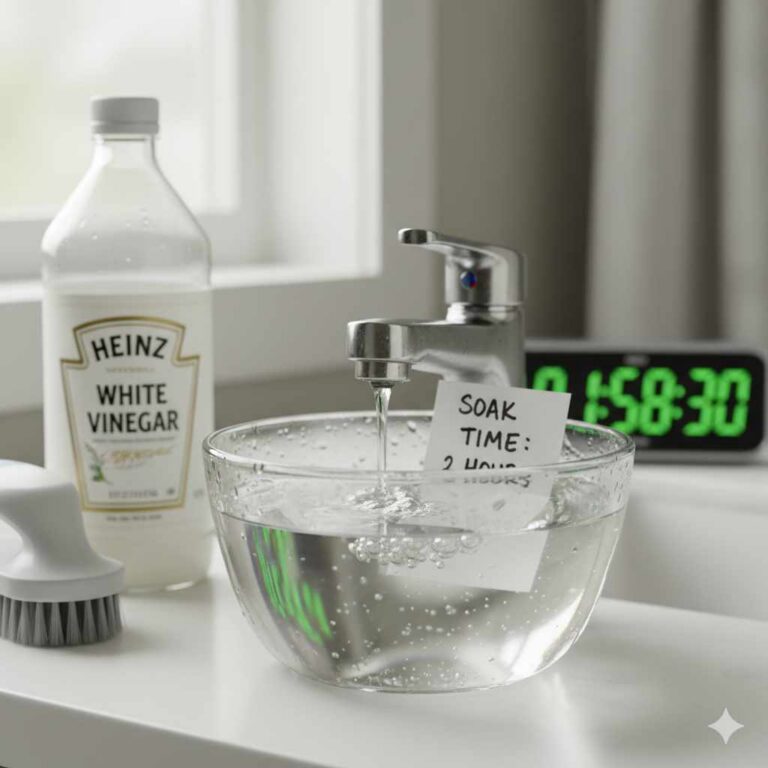
Stop drinking water or other drinks two hours before sleep. This gives your bladder time to empty before bed. I used to sip tea at night, but stopping helped a lot. -
Avoid Caffeine and Alcohol
Drinks like coffee, soda, or wine make you pee more. Try to skip them after noon. I switched to water in the afternoon, and it made a big difference. -
Try Compression Socks
Fluid can build up in your legs during the day. At night, your kidneys turn this into pee. Wearing knee-high compression socks during the day helps. They keep fluid moving so you pee less at night. -
Do Pelvic Floor Exercises
Strong pelvic muscles help control your bladder. Simple exercises like Kegels can make a difference. Squeeze your pelvic muscles for five seconds, then relax. Do this 10 times, three times a day. -
Keep a Bathroom Diary
Write down when you pee and what you drink for three days. This shows patterns. For example, I noticed I peed more after drinking soda late. This helped me change my habits.
Common Mistakes to Avoid
- Drinking Too Much at Night: Even water can fill your bladder if you drink close to bedtime.
- Ignoring Health Issues: Nighttime peeing can signal diabetes or infections. See a doctor if it’s frequent.
- Skipping Exercises: Pelvic exercises take time but really help. Don’t give up too soon.
Tools and Habits You’ll Need
You don’t need fancy tools to stop peeing at night. Here are simple things to try:
- Notebook for a Bathroom Diary: Any small notebook works to track your habits.
- Compression Socks: Affordable pairs cost $10-20 at stores like Amazon or Walmart.
- Water Bottle with Time Marks: These help you drink water earlier in the day, not at night.
- Alarm for Kegels: Set a phone reminder to do pelvic exercises daily.
I found a water bottle with time marks super helpful. It reminded me to drink during the day, so I didn’t chug water before bed.
Table 1: Comparing Fluid Intake Strategies
| Strategy | Pros | Cons |
|---|---|---|
| Stop Drinking 2 Hours Before Bed | Reduces nighttime pee; easy to do | Thirsty at night |
| Skip Caffeine After Noon | Less bladder irritation; better sleep | Hard to avoid coffee or soda |
| Use a Timed Water Bottle | Spreads out drinking; builds habit | Costs $10-20 |
Caption: This table shows easy ways to manage fluid intake to reduce nighttime urination.
Benefits and Drawbacks of These Tips
These steps are simple and cheap, which is great. Cutting back on drinks and caffeine improved my sleep in just a week. Compression socks are comfy and help with leg swelling too. Pelvic exercises are free and make your bladder stronger over time. But some tips take effort. Skipping coffee after noon was tough for me at first. Also, compression socks might feel weird if you’re not used to them. If these don’t work, talk to a doctor for other options like medicine.
Table 2: Day vs. Night Drinking Habits
| Time of Day | What to Drink | Why It Helps |
|---|---|---|
| Morning | Water, juice | Hydrates you early |
| Afternoon | Water, herbal tea | Avoids diuretics |
| Evening | Nothing or small sips | Keeps bladder empty |
Caption: This table shows when to drink to avoid peeing at night.
Other Ways to Reduce Nighttime Peeing
If the steps above don’t work, try these:
- Elevate Your Legs: Lie down with your legs up for 30 minutes in the afternoon. This moves fluid out of your legs before bed.
- Check Your Medicines: Some pills, like diuretics, make you pee more. Ask your doctor if you can take them earlier.
- See a Doctor: If you pee more than twice a night, it might be a health issue. A doctor can check for things like diabetes or infections.
I tried elevating my legs, and it felt relaxing. It also cut my bathroom trips by one per night!
Table 3: Pelvic Exercise Plan
| Exercise | How to Do It | How Often |
|---|---|---|
| Kegels | Squeeze pelvic muscles for 5 seconds, relax | 10 reps, 3 times daily |
| Bridge Pose | Lie on back, lift hips, hold 5 seconds | 5 reps, twice daily |
Caption: This table shows simple pelvic exercises to strengthen your bladder.
My Personal Tips for Success
When I started, I was frustrated because I kept waking up. Here’s what worked for me:
- Start Small: Try one tip, like cutting out evening drinks, for a week.
- Be Patient: Pelvic exercises take a month to show results. Keep going!
- Talk to a Doctor: I didn’t realize my blood pressure medicine was making me pee more. My doctor changed the timing, and it helped.
I also set a phone alarm to remind me not to drink after 7 p.m. It sounds simple, but it made a big difference.
Visual Ideas for Better Understanding
- Fluid Intake Schedule: A chart showing when to drink water during the day.
- Kegel Exercise Diagram: A simple drawing of how to do pelvic exercises.
-
Compression Sock Guide: A picture showing how to wear socks correctly.
Note: These visuals are not included but would help explain the steps.

Frequently Asked Questions
What Is Nocturia?
Nocturia is when you wake up to pee more than once a night. It happens because your bladder fills up too fast or your body makes too much pee. It’s common in older adults, but anyone can have it. Things like drinking too much or health issues can cause it. Talk to a doctor if it happens a lot.
Why Do I Pee So Much at Night?
Your body might make more pee at night because of drinks, caffeine, or medicines. Fluid in your legs can also move to your bladder when you lie down. Health issues like diabetes or a weak bladder can cause it too. Keeping a diary of what you drink and when you pee can help find the reason.
Can I Stop Nighttime Peeing Without a Doctor?
Yes, you can try simple changes first. Stop drinking two hours before bed, skip caffeine after noon, and try pelvic exercises. Compression socks can help too. These worked for me, but if you still pee a lot, see a doctor to check for health problems.
Are There Foods That Help?
Some foods, like bananas or plain yogurt, might calm your bladder. Avoid spicy foods, soda, or alcohol, as they can irritate it. I found that eating lighter dinners helped me pee less at night. Always check with a doctor if you’re unsure about diet changes.
How Long Do These Tips Take to Work?
Some tips, like cutting out evening drinks, can help in a few days. Pelvic exercises might take a month to make a difference. Compression socks can work in a week. Be patient and try one thing at a time. Track your progress with a diary to see what helps most.
Can Kids Have Nocturia?
Yes, kids can wake up to pee, often from drinking too much before bed or habits. Bedwetting is common in young kids and usually goes away. For older kids, try limiting drinks and talking to a doctor if it’s frequent. My nephew stopped bedwetting by cutting out soda at night.
When Should I See a Doctor?
If you pee more than twice a night or these tips don’t help, see a doctor. It could be a sign of diabetes, infections, or other issues. I saw a doctor when my peeing didn’t stop, and they found a medicine was causing it. Always check if you’re worried.
Conclusion
Waking up to pee at night is frustrating, but you can fix it. Try simple steps like cutting out drinks before bed, skipping caffeine, or doing pelvic exercises. Keep a diary to track what works. These changes helped me sleep better, and I hope they help you too. Start with one tip tonight, like drinking water earlier. Share your results in the comments—I’d love to hear what works! For more health tips, check trusted sites like Cleveland Clinic or Mayo Clinic.