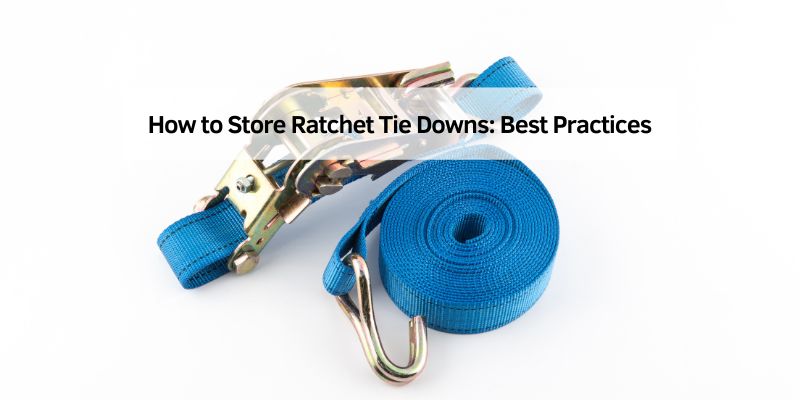
How to Store Ratchet Tie Downs: Best Practices
Are you tired of rummaging through your garage or storage shed, struggling to find your ratchet tie downs when you need them most? You’re not alone.
Proper storage of these essential tools can save you time, protect your investment, and keep your space clutter-free. Imagine the peace of mind knowing exactly where your ratchet tie downs are, ready to tackle any job. In this guide, you’ll discover simple yet effective strategies for storing your ratchet tie downs, ensuring they remain in top condition and are always within easy reach.
Don’t let chaos reign in your storage areas; take control with these practical tips. Keep reading to unlock the secrets to hassle-free organization and maximize the lifespan of your ratchet tie downs.
Choosing The Right Storage Location
Sunlight can damage ratchet tie downs. UV rays weaken the straps over time. Store them in a dark place. A garage or shed works well. This keeps them safe from the sun.
Extreme temperatures affect tie downs. Cold makes them stiff. Heat can weaken them. Keep them in a moderate climate. A basement is a good option. It helps protect them from temperature changes.
Moisture causes mold and rot. Damp places are harmful. Use a dry area for storage. A sealed container is great. It keeps out water and humidity. This extends the life of your tie downs.

Credit: www.homedepot.com
Preparing Tie Downs For Storage
Start by wiping the straps with a clean cloth. Dirt and grime weaken the material. Use warm water and mild soap for stubborn spots. Rinse thoroughly to remove soap residue. Allow straps to air dry completely. Wet straps can grow mold.
Check the straps for frays or cuts. Damaged straps should be replaced. Look at the hooks and buckles. Rust or bending weakens their hold. Safety is key. Keep your tie downs strong and secure.
Let the straps dry in a well-ventilated area. Moisture can cause straps to rot. Avoid direct sunlight. Sunlight makes straps brittle. Proper drying prevents damage. Store straps in a dry place.
Proper Coiling Techniques
Preventing Knotsis easy with the right technique. Begin by holding the strap’s end. Make a small loop. Keep looping, making sure each one is neat. This stops knots from forming. A clean coil is always easier to use later. Take your time. It makes a difference.
Maintaining Strap Integrityis important. Avoid sharp bends. They can weaken the strap. Store in a dry place. Moisture can damage the material. Check for frays often. Replace if needed. A good strap lasts longer with care. Be gentle when coiling.
Using Storage Containers
Ratchet tie downsneed safe storage. Containers are perfect for this. Choose containers that are strongand weatherproof. This keeps tie downs safe from damage. Use boxes that seal tightly. This helps protect from dust and water. Containers should be easy to open and close. This makes it simple to access tie downs. Choose sizes that fit your tie downs well. Avoid containers that are too small or too big.
Label containers clearly. Use large labelswith simple words. This makes finding tie downs easy. Colorful labels help too. They make containers stand out. Labels should show what is inside. Use words like “ratchet tie downs” or “straps”. Keep labels neat and readable. This helps everyone find things fast.
Avoiding Common Storage Mistakes
Properly storing ratchet tie downs prevents damage and extends their lifespan. Keep them dry and away from direct sunlight to avoid material degradation. Hang or roll them neatly to prevent tangling, ensuring they are ready for future use.
Overstacking
Overstacking ratchet tie downs can cause them to tangle. This makes them hard to use later. Avoid stacking them too high. Find a spot where they can lie flat. Ensure each tie down is visible. This helps you pick the one you need fast. Organizing them properly saves time. It also keeps them in good condition.
Exposure To Chemicals
Chemicals can damage ratchet tie downs. They can make them weak. Keep tie downs away from cleaning agents and oils. Find a dry place for storage. Avoid areas with spills or leaks. Inspect ties for damage regularly. This will help them last longer.
Tips For Long-term Storage
Inspect straps every few months. Look for damage or wear. Check for fraying on edges. Rust can harm metal parts. Clean them to prevent rust. Replace any damaged strap immediately. Broken straps can cause accidents. Store straps in a cool, dry place. Avoid sunlight exposure. Sunlight can weaken straps.
Cleaning is important for strap health. Use a soft cloth to clean dirt. Avoid using harsh chemicals. Mild soap works best. Dry straps completely before storing. Wet straps can grow mold. Mold weakens the material. Lubricate moving parts. Use oil to keep them smooth. Prevent rust and keep them working well.

Credit: www.youtube.com
Frequently Asked Questions
How To Clean Ratchet Tie Downs Properly?
To clean ratchet tie downs, use mild soap and water. Gently scrub with a soft brush to remove dirt. Rinse thoroughly and let them air dry completely before storing. Avoid using harsh chemicals as they can damage the material and reduce the lifespan of the tie downs.
What Is The Best Way To Store Them?
Store ratchet tie downs in a cool, dry place away from sunlight. Coil them neatly to prevent tangling and use a storage bag or container. Keeping them organized prevents wear and tear, ensuring they are ready for use when needed.
Proper storage extends their lifespan and maintains functionality.
Can Moisture Damage Ratchet Tie Downs?
Yes, moisture can damage ratchet tie downs over time. It can cause mold, mildew, and rust on metal components. Always ensure they are completely dry before storing. Moisture exposure can weaken the material, compromising the safety and performance of the tie downs during use.
How Often Should I Inspect My Tie Downs?
Inspect your ratchet tie downs before each use. Check for fraying, cuts, or damage to the webbing and metal parts. Regular inspection ensures they are safe and reliable for securing loads. If any damage is found, replace them immediately to prevent accidents or load shifting.
Conclusion
Storing ratchet tie downs properly extends their lifespan. Keep them clean and dry. Avoid direct sunlight and extreme temperatures. Wrap them neatly to prevent tangling. Use a dedicated storage box or bag. This protects them from dust and moisture. Regular checks ensure they remain in good condition.
Replace damaged straps immediately. Proper care saves money and ensures safety. A little effort goes a long way. Organized storage means easy access when needed. Your equipment stays ready for action. Enjoy peace of mind with well-maintained tie downs. Simple steps make a big difference in their durability.