How to Straighten Wooden Fence Post: Proven Fix
Straighten a leaning wooden fence post effectively with simple tools and techniques, often without needing to remove it. This guide provides proven, beginner-friendly methods to restore your fence’s stability and appearance, ensuring a sturdy and attractive boundary.
Why Your Fence Post Might Be Leaning (And How to Fix It!)
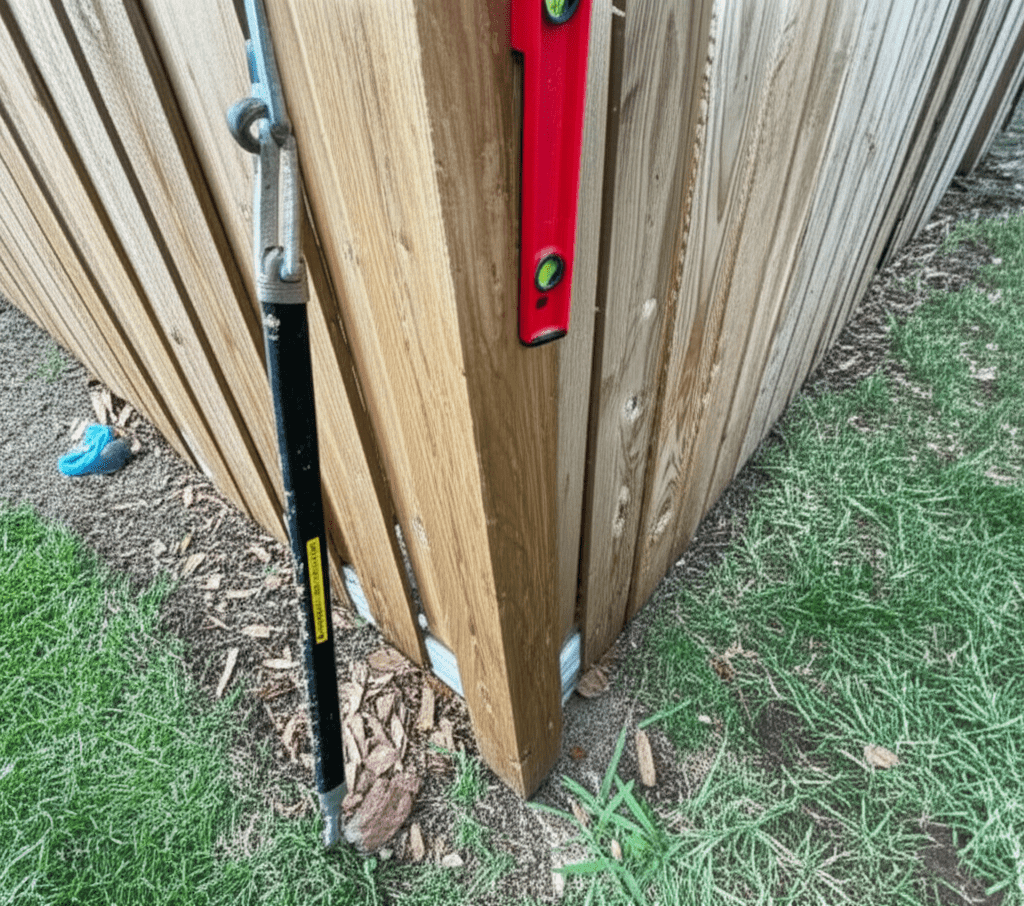
Ever notice a fence post starting to lean? It’s a common sight, and frankly, a bit of a headache for any homeowner. Over time, the ground around your fence posts can shift due to weather, moisture, or even just the natural settling of the soil. This can cause those sturdy uprights to tilt, making your fence look a little sad and, more importantly, less secure.
A leaning post isn’t just an eyesore; it compromises the entire structure of your fence. It can lead to further damage, affecting neighboring posts and panels, and potentially creating entry points for pests or unwanted visitors. But don’t worry! You don’t need to be a master carpenter to tackle this. With a few basic tools and a little know-how, you can bring that leaning post back to attention.
In this guide, I’ll walk you through proven methods to straighten a wooden fence post, focusing on techniques that are straightforward, effective, and can often be done without the hassle of digging the post out entirely. Get ready to give your fence a new lease on life!
Understanding the Cause of a Leaning Post
Before we grab our tools, it’s helpful to understand why a fence post might be leaning. Knowing the root cause can help us choose the best fix and prevent future issues. Here are the most common culprits:
- Soil Erosion and Water Damage: When rain or melting snow washes away soil from around the base of the post, it leaves the post unsupported, making it prone to leaning. Water saturation can also weaken the soil, making it less able to hold the post upright.
- Freeze-Thaw Cycles: In colder climates, water in the soil around the post can freeze and expand, pushing the post outward. When it thaws, the soil settles, leaving the post in a new, often leaning, position. This cycle can gradually worsen over time.
- Uneven Ground Pressure: If one side of the post has more soil pressure than the other (perhaps due to a heavy gate, a slope, or even a large rock buried nearby), it can cause the post to lean.
- Rotten Base: Wood naturally degrades over time, especially when in contact with soil. If the bottom of the post has started to rot, it loses its structural integrity and can no longer support the fence, leading to leaning.
- Improper Installation: Sometimes, a post leans because it wasn’t set deep enough or wasn’t properly compacted with gravel and soil when it was initially installed.
Identifying the primary reason for your leaning post will guide you in selecting the most appropriate straightening method. For instance, if rot is the issue, a simple straightening might be a temporary fix, and replacement might be the better long-term solution. We’ll touch on this as we go.
Tools and Materials You’ll Need
Gathering your tools before you start is key to a smooth and efficient project. You don’t need a professional workshop for this; most of these items are readily available at your local hardware store. Here’s a handy list:
- Shovel or Spade: For digging and moving soil.
- Post Puller or Lever Bar: Essential for leverage to pull the post upright. A sturdy piece of lumber can also work in a pinch.
- Stakes (Wooden or Metal): To temporarily brace the post once it’s upright.
- Hammer: For driving stakes.
- Level: To ensure the post is perfectly vertical.
- Measuring Tape: To check post depth and height.
- Gravel: For drainage and to help secure the post.
- Soil or Concrete Mix: To backfill the hole.
- Work Gloves: To protect your hands.
- Safety Glasses: Always protect your eyes!
- Optional: String and a Plumb Bob, Saw (if post needs trimming), Carriage Bolts and Washers (for extra bracing).
Having everything on hand means you can focus on the task at hand without interruptions. It’s always better to have a few extra supplies than to run out mid-job.
Method 1: The Lever and Brace Technique (For Minor Leans)
This is often the simplest and most effective method for posts that have only started to lean slightly. It leverages basic physics to gently persuade the post back into position.
Step 1: Expose the Base
Use your shovel to carefully dig away the soil from the side of the post that is leaning outwards. You want to expose enough of the base to get some leverage underneath it, but be careful not to destabilize it further. Aim to clear about 6-12 inches of soil around the base.
Step 2: Create Your Leverage Point
Take your post puller, lever bar, or a strong piece of scrap lumber. Wedge one end firmly under the base of the fence post. You might need to dig a small notch in the soil under the post to get a good grip.
Step 3: Apply Gentle Pressure
Place a sturdy block of wood or a flat stone on the ground where you’ll be pressing down on your lever. This acts as a fulcrum and prevents the lever from sinking into the soil. Now, press down on the end of the lever. As you push down, the post should start to move upright.
Step 4: Brace the Post
As you lift the post, have a helper (if possible) or quickly place a stake on the opposite side of the lean. Drive the stake into the ground firmly with your hammer, angled slightly away from the post, to support it in its new, straighter position. You might need two stakes on opposite sides for good stability.
Step 5: Check with a Level
Use your level to ensure the post is perfectly vertical. Make any necessary adjustments by slightly repositioning the stakes or applying more leverage.
Step 6: Backfill and Compact
Once the post is straight and securely braced, backfill the excavated area. It’s a good idea to add a few inches of gravel at the bottom of the hole for drainage before you start backfilling with soil. Compact the soil firmly as you go by tamping it down with your shovel or the end of a piece of wood. This helps prevent future leaning.
Step 7: Secure the Braces
You can leave the stakes in place for a few days to a week to allow the soil to settle and firm up around the post. For a more permanent solution, you can attach the stakes to the post using screws or nails, or even use additional bracing lumber.
Method 2: The “Pull and Brace” Method with Rope or Chain (For Moderate Leans)
If the post is leaning more significantly, or if you need more controlled pulling power, using a rope or chain can be very effective. This method is great for pulling a post straight and then securing it.
Step 1: Secure the Rope/Chain
Wrap a strong rope or chain securely around the fence post. Position it about 1-2 feet from the ground, at a height that gives you good leverage. Ensure it’s tied tightly so it won’t slip.
Step 2: Anchor Your Pulling Point
You need a strong anchor point to pull against. This could be another sturdy fence post, a vehicle (use with extreme caution and a spotter!), or a heavy-duty anchor stake driven deep into the ground on the opposite side of the lean. If you’re using another fence post, make sure it’s solid and can handle the strain.
Step 3: Dig and Lever
Similar to Method 1, dig out the soil on the side the post is leaning towards. You’ll also want to dig a bit on the opposite side to allow the post to move freely as you pull it upright. Place a sturdy block of wood or stone to act as a fulcrum for your lever.
Step 4: Apply Pulling Force
Attach the other end of your rope or chain to your anchor point. Now, use your lever bar under the post and push down to start lifting. Simultaneously, you or a helper will need to pull on the rope/chain attached to the anchor to help draw the post upright. You’re essentially pulling and lifting at the same time.
Step 5: Brace and Secure
As the post moves towards vertical, immediately brace it with stakes on the sides that need support. Use your level to ensure it’s perfectly plumb. Once it’s straight, drive your stakes firmly into the ground, angled to provide maximum support.
Step 6: Reinforce the Base
After the post is braced, you’ll want to reinforce the base. Fill the hole with gravel for drainage, then backfill with soil or a concrete mix. If using concrete, follow the manufacturer’s instructions for mixing and curing. Ensure the concrete is sloped away from the post at the top to prevent water from pooling.
Step 7: Temporary Bracing Duration
Leave the temporary stakes in place for at least a week, or until any concrete has fully cured. If you used concrete, you might not need the stakes permanently, but they help keep the post perfectly straight during the critical curing period.
Method 3: The “Dig and Backfill” with Gravel (For More Stubborn Leans or Rot Prevention)
This method involves a bit more digging but offers excellent stability and improved drainage, which can prevent future leaning. It’s particularly useful if the original installation lacked proper drainage.
Step 1: Dig Around the Post
Using your shovel, dig a wide circle around the base of the leaning post. You want to go deep enough to expose the entire base of the post and a bit beyond. The goal is to create a space where you can reposition the post and fill it with gravel.
Step 2: Loosen and Straighten
Once the base is exposed, use your lever bar or post puller to gently lift and straighten the post. You might need to wiggle it a bit to loosen it from compacted soil. Use stakes and bracing as described in Method 1 to hold it in its upright position.
Step 3: Add Gravel for Drainage
This is the crucial part for longevity. Fill the excavated hole around the post with coarse gravel. Ensure the gravel goes all the way down to the bottom and surrounds the post. The gravel will allow water to drain away from the wood, significantly reducing the risk of future rot and leaning caused by water saturation. Leave about 4-6 inches of space at the top for soil.
Step 4: Backfill with Soil
Once the gravel is in place, backfill the remaining space with soil. Compact the soil thoroughly as you go, tamping it down to create a firm base.
Step 5: Final Bracing and Checking
Ensure the post is perfectly vertical using your level. If needed, adjust your temporary stakes. You can also add a layer of concrete around the very top of the gravel layer for extra stability, ensuring it slopes away from the post. Leave the temporary braces in place for at least a week.
When to Consider Replacing the Post
While these methods are excellent for fixing leaning posts, there are times when replacement is the smarter, longer-term solution. It’s important to recognize these signs:
- Significant Rot: If the wood at the base of the post feels soft, crumbly, or shows extensive decay, it has lost its structural integrity. No amount of straightening will make it truly sound again. You can check for rot by probing the wood with a screwdriver or awl.
- Multiple Leaning Posts: If several posts in your fence line are leaning, it might indicate a more widespread issue with the soil or installation, or that the fence itself is nearing the end of its lifespan.
- Severe Damage: Cracks, splits, or insect damage that goes deep into the wood can also compromise the post’s strength.
- Post is Severely Damaged by Leaning: If the post has been leaning for a long time and the wood has been stressed and potentially split on one side, it might be too weakened to reliably straighten.
Replacing a fence post involves digging out the old one and setting a new one. This is a more involved process, but it ensures your fence will be strong and stable for years to come. Resources like the This Old House guide on replacing a fence post offer excellent advice if you decide this is the best route.
Table: Comparing Straightening Methods
Here’s a quick comparison to help you decide which method might be best for your situation:
| Method | Best For | Tools Needed | Difficulty | Pros | Cons |
|---|---|---|---|---|---|
| Lever and Brace | Minor leans (less than 10-15 degrees) | Shovel, Lever Bar, Stakes, Hammer, Level | Easy | Quick, simple, minimal digging | May not be strong enough for severe leans |
| Pull and Brace (Rope/Chain) | Moderate leans (15-30 degrees) | Shovel, Rope/Chain, Anchor, Lever Bar, Stakes, Hammer, Level | Medium | More pulling power, good control | Requires a strong anchor, can be more strenuous |
| Dig and Backfill with Gravel | Moderate to significant leans, or for improved drainage | Shovel, Lever Bar, Stakes, Hammer, Level, Gravel | Medium | Excellent stability, prevents future water issues | More digging involved |
Tips for a Lasting Fix
Once you’ve got your post standing tall and proud again, here are a few extra tips to ensure your fix lasts:
- Proper Compaction: Really pack that soil or concrete around the base. Loose soil is the enemy of a straight post.
- Drainage is Key: As mentioned, gravel at the base is a game-changer for preventing future issues. Ensure the ground slopes away from the post so water runs off.
- Consider Bracing: For extra peace of mind, you can add permanent diagonal braces from the post to the ground or to a horizontal rail.
- Regular Inspection: Keep an eye on your fence posts, especially after heavy rain or frost. Early detection of leaning can save you a lot of work.
- Protect the Wood: Apply a good quality wood preservative or sealant to the exposed parts of the post, especially the base, to protect it from moisture and rot. Organizations like the Forest Products Laboratory (FPL), a part of the U.S. Forest Service, offer valuable research on wood protection.
Frequently Asked Questions (FAQ)
Q1: How deep should a fence post be set?
A: A general rule of thumb is to set posts at least one-third of their total above-ground length into the ground, plus an additional 6 inches for gravel. For a 6-foot fence, a post might be 8 feet long, meaning you’d bury about 2.5 to 3 feet.
Q2: Can I straighten a fence post without digging it out?
A: Yes! The methods described in this article, particularly the lever and brace technique, are designed to straighten posts without full removal. However, if the post is severely rotted or damaged, digging it out and replacing it might be necessary.
Q3: How long should I leave temporary braces on a straightened post?
A: It’s best to leave temporary stakes and braces in place for at least a week, or longer if you’ve used concrete and need it to fully cure. This allows the soil to settle and firm up around the post, providing stable support.
Q4: What’s the best material to backfill a fence post hole with?
A: A combination of gravel at the bottom for drainage, followed by well-compacted soil, is excellent. For maximum stability, especially for gate posts, a concrete mix can be used. Always ensure the surface slopes away from the post to shed water.
Q5: My post is leaning because of rot. Can I just fix the lean and ignore the rot?
A: While you can straighten a post with a rotted base, it’s a temporary fix at best. The rot will continue to spread, weakening the post further. It’s highly recommended to replace severely rotted posts for long-term fence stability and safety.
Q6: How can I prevent my fence posts from leaning in the future?
A: Proper installation is key: set posts deep enough, use gravel for drainage, and compact the soil or concrete thoroughly. Protecting the wood with sealants and regularly inspecting for ground erosion around the base will also help.
Conclusion
There you have it! Straightening a leaning wooden fence post doesn’t have to be an overwhelming task. With the right approach and a few basic tools, you can effectively restore your fence’s integrity and appearance. Remember, whether you choose the simple lever and brace, the controlled pull of a rope, or the robust stability of gravel backfilling, the key is to work patiently and ensure the post is well-supported as the soil settles.
By tackling this common woodworking challenge, you’re not only improving your home’s curb appeal but also ensuring the security and longevity of your fence. You’ve got this! Keep those hands busy, and enjoy the satisfaction of a job well done.