How to Tarp a Truck Bed: Step-by-Step Guide
Tarping a truck bed can protect your cargo from the elements. It ensures safe transport without damage.
Whether you’re hauling furniture, tools, or garden supplies, a tarp keeps everything secure and dry. Understanding the right way to tarp your truck bed is essential for every truck owner. It’s not just about throwing a tarp over your load.
You need to know how to secure it properly. This prevents flapping or flying off during your journey. A well-tarped truck bed offers peace of mind. It allows you to focus on driving rather than worrying about your cargo. In this guide, you’ll learn the steps to tarp a truck bed effectively. Keep reading to discover simple tips and tricks for a hassle-free experience.

Credit: canvasandcanopy.com
Choosing The Right Tarp
Canvas tarps are strong and last long. They resist water well. Vinyl tarps are heavy-duty and great for keeping things dry. They are best for tough jobs. Polyethylene tarps are light and easy to use. They are cheap and work for everyday use. Each material has its own benefits. Pick the right one for your needs.
Measure the truck bed before buying a tarp. A tarp that is too small won’t cover everything. A tarp that is too big can be hard to manage. Look for tarps that have grommets. They help secure the tarp well. Make sure the tarp covers the load completely. Safety is important.
Preparing The Truck Bed
Start by removing any loose dirt and debris. Use a broom to sweep the truck bed. A clean surface helps the tarp fit better. Next, wash the bed with soap and water. This removes any sticky residue. Dry the bed completely. Wet surfaces can lead to rust. A dry surface keeps the tarp in place.
Check the truck bed for any dents or holes. These can cause problems when you tarp. Use a flashlight to see clearly in dark spots. If there is damage, fix it before tarping. A smooth surface is best. This ensures the tarp doesn’t tear. Small repairs save time later.
Positioning The Tarp
Place the tarp flat on the truck bed. Make sure it covers all sides. The tarp should not hang too low. It might get caught on wheels. A straight line is best for a good fit.
Check each corner of the truck bed. The tarp must cover everything inside. No gaps should be visible. Use a bungee cord to hold it tight. This prevents the tarp from flapping in the wind.
Securing The Tarp
Securing the tarp on a truck bed is crucial for safe transportation. Ensure the tarp covers the entire load tightly. Use strong ropes or bungee cords to fasten the tarp securely to prevent shifting or flying off during travel.
Using Tie-downs
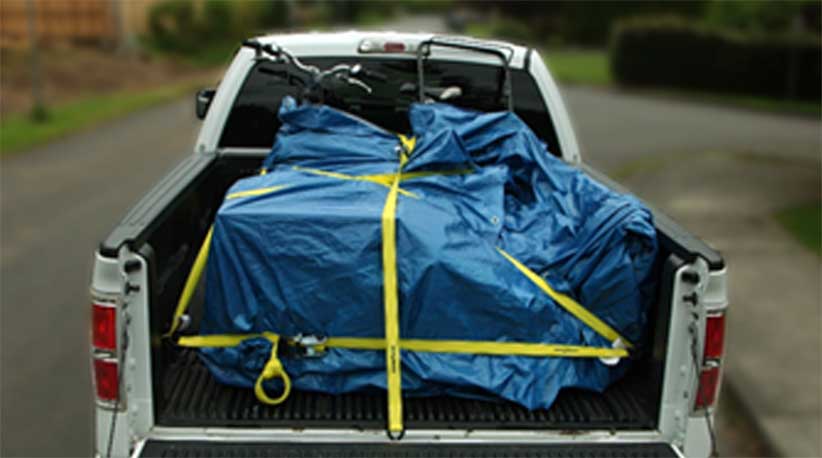
First, ensure the tarp covers the entire truck bed. Use strong tie-downs for safety. Attach the tie-downs to the grommets on the tarp. Secure them tightly to the truck. Check each tie-down. Make sure they are firm. Loose tie-downs can cause problems.
Checking Tension
After securing, check the tarp’s tension. Pull on the tarp gently. It should not move much. If it moves, tighten the tie-downs again. A tight tarp keeps the load safe. Ensure no wrinkles or loose areas. Adjust as needed. Proper tension prevents damage. Check tension regularly. Safety first!
Creating A Waterproof Seal
Water can damage your truck bed. A good waterproof seal is important. First, lay the tarp on your truck bed. Make sure it covers every part.
Use a heavy-duty tarp for best results.
Secure the edges with bungee cords. This will stop water from getting in.
Loose edges can cause problems. Wind can lift the tarp. Tighten all edges to prevent this.
Use hooks to keep the tarp in place. Strong ropes can help too.
Check the tarp regularly. Make sure everything is tight. This will keep your truck bed dry.

Credit: www.amazon.com
Managing Wind Resistance
Flapping can damage the tarp. It also increases noise. Use bungee cords to secure the tarp tightly. Elastic straps reduce movement. Attach them to the truck bed’s hooks.
Check if the tarp is smooth. No loose edges should be present. Tight tarps are less noisy. They also last longer.
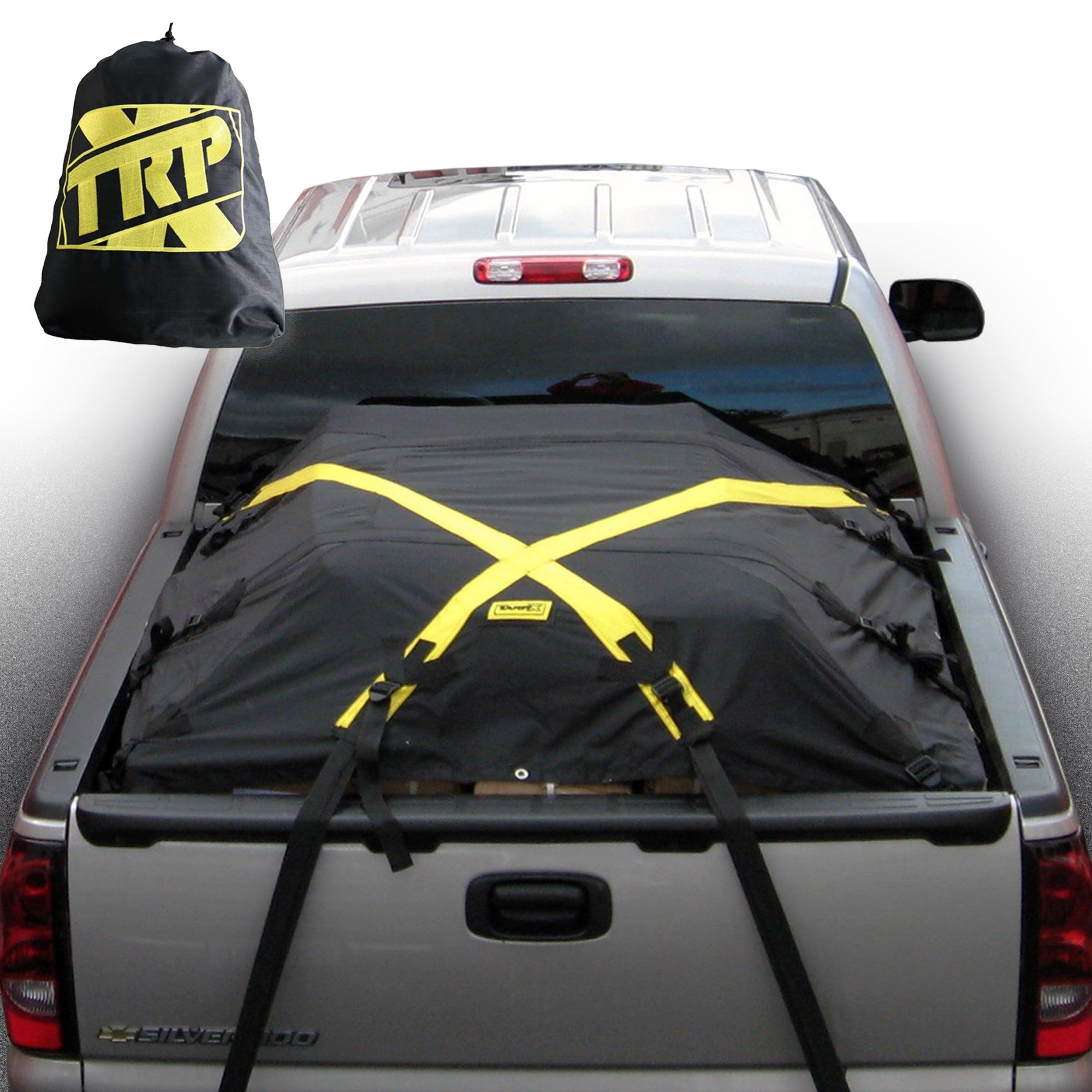
Stability keeps the tarp in place. Cross tie-downs help in this. Use ropes in a criss-cross pattern. This holds the tarp better.
Weights at the edges help too. Place heavy items on the tarp’s corners. This prevents it from moving. Always check the tarp before driving.
Safety Tips
Covering a truck bed safely with a tarp prevents damage and loss. Securely tie down the tarp with strong ropes or bungee cords. Ensure the tarp is evenly spread, avoiding any loose ends that could flap in the wind.
Avoiding Hazards
Keep your eyes open for sharp edges. These can rip the tarp. Loose tarps can fly away. They can cause accidents. Secure the tarp tightly. Use strong ropes or straps. Avoid standing on the tarp. It’s slippery and can cause falls. Check weather reports. Strong winds can make it hard to tarp safely. Wear gloves to protect your hands. Make sure the truck is parked on a flat surface. This keeps it stable while you work.
Regular Inspections
Check the tarp for holes or tears. Fix them before using. Look at the ropes and straps. Are they frayed? Replace them if needed. Inspect the truck bed for debris. Clear it before tarping. Ensure that the tarp is big enough. A small tarp will not cover everything. Check the tarp after each use. Store it in a dry place. This helps it last longer.
Maintenance And Storage
Securely covering a truck bed with a tarp ensures protection from weather elements. First, choose a durable tarp that fits well. Fasten it tightly using bungee cords or ropes to prevent shifting while driving. This simple method keeps your cargo safe and dry.
Cleaning The Tarp
Keeping the tarp clean is very important. Dirt and grime can damage it over time. Use a soft brush to remove loose dirt. Next, wash the tarp with mild soap and water. Avoid harsh chemicals as they can harm the material. Rinse it well with clean water. Then, let it dry completely before storing. Drying prevents mold and bad smells.
Proper Storage Techniques
Storing the tarp properly helps it last longer. First, fold it neatly to avoid wrinkles. Wrinkles can weaken the fabric. Store it in a cool and dry place. Keep it away from sunlight and heat. Use a storage bag to protect it from dust. Check it regularly for signs of wear or tear. Fix small damages quickly.
Credit: www.dualliner.com
Frequently Asked Questions
How To Secure A Tarp To A Truck Bed?
Secure a tarp to a truck bed using bungee cords or ratchet straps. Hook them to the tarp’s grommets and truck’s anchor points. Ensure the tarp is tightly stretched, covering the load completely. Check for any loose areas, and adjust as needed to prevent flapping or water pooling.
How Do You Keep A Truck Bed Dry With A Tarp?
Secure the tarp tightly over the truck bed using bungee cords or straps. Ensure it covers all sides completely. Choose a waterproof tarp for better protection against rain. Check for gaps and adjust as needed to prevent water from seeping through.
Regularly inspect for wear and replace if necessary.
What Is The Cheapest Way To Cover A Truck Bed?
Use a tarp and bungee cords for the cheapest truck bed cover. It’s affordable, easy to install, and provides basic protection. This method shields your truck bed from weather and debris. Ensure the tarp fits securely to prevent it from coming loose while driving.
What Size Tarp Do You Need To Cover A Truck Bed?
Choose a tarp slightly larger than your truck bed’s dimensions. Most truck beds require a tarp size of 6×8 feet or 8×10 feet. Ensure it extends beyond the bed for adequate coverage. Measure your bed and select a tarp accordingly for best protection against weather elements.
Conclusion
Tarping a truck bed protects your cargo from weather. It’s simple with the right steps. Start by choosing the correct tarp size. Secure it tightly to avoid flapping. Use bungee cords or rope for extra hold. Check for any gaps that might expose your load.
Practice makes it easier over time. Your cargo stays safe and dry with proper tarping. Ensure every trip is hassle-free by securing your load well. Enjoy peace of mind, knowing your items are protected. Now, you’re ready to hit the road with confidence.