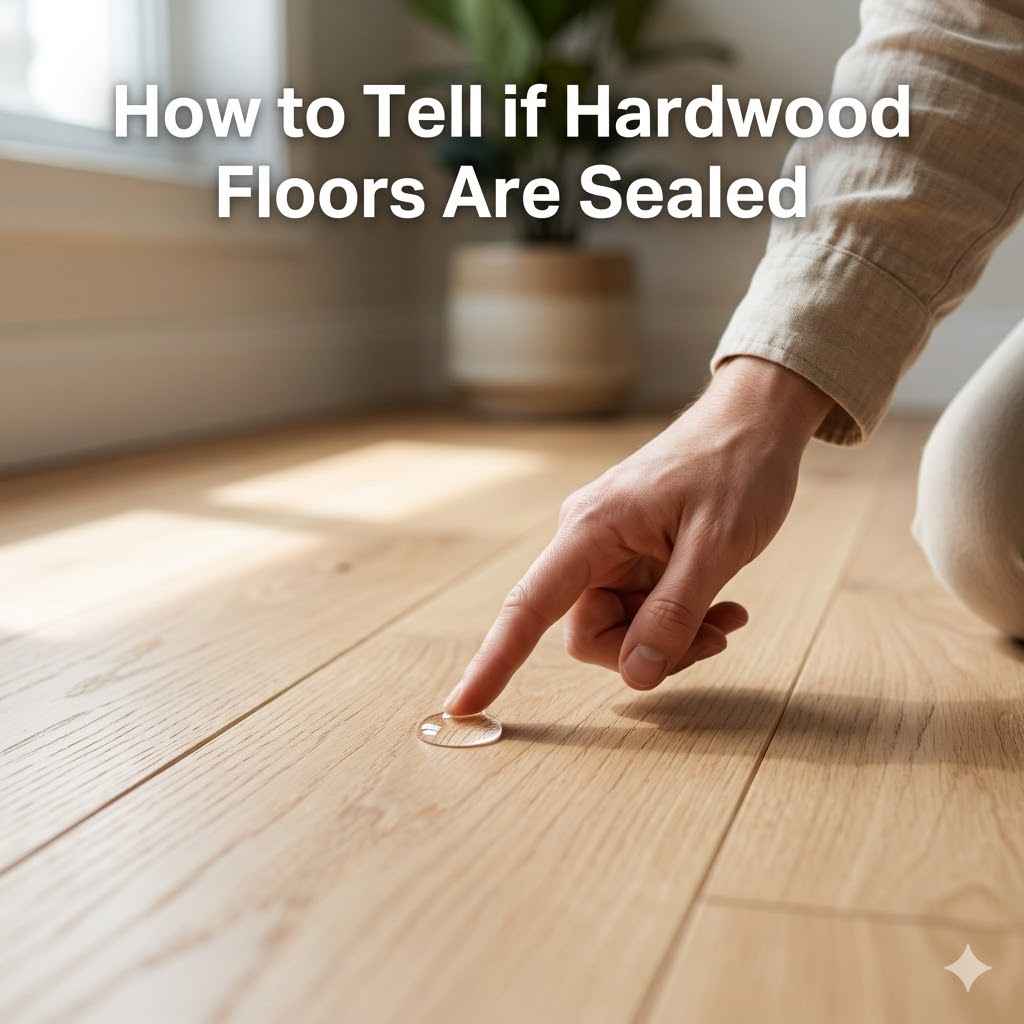
How to Tell if Hardwood Floors Are Sealed
Figuring out if your wooden floors have a protective seal can be a bit tricky, especially for folks who are new to home maintenance. You might wonder, “Is my floor protected from spills and wear?” It’s a common question, and finding the answer can feel like a puzzle. But don’t worry, this guide will make it super simple.
We’ll walk through easy steps to help you see if your hardwood floors are sealed, so you can take care of them better.
Discovering Your Hardwood Floor Sealant
This section helps you learn the basics of identifying sealant on your hardwood floors. Understanding if your floors are sealed is important for cleaning and maintaining their look. It protects them from damage.
We will explore simple tests and visual cues that make this process clear for everyone.
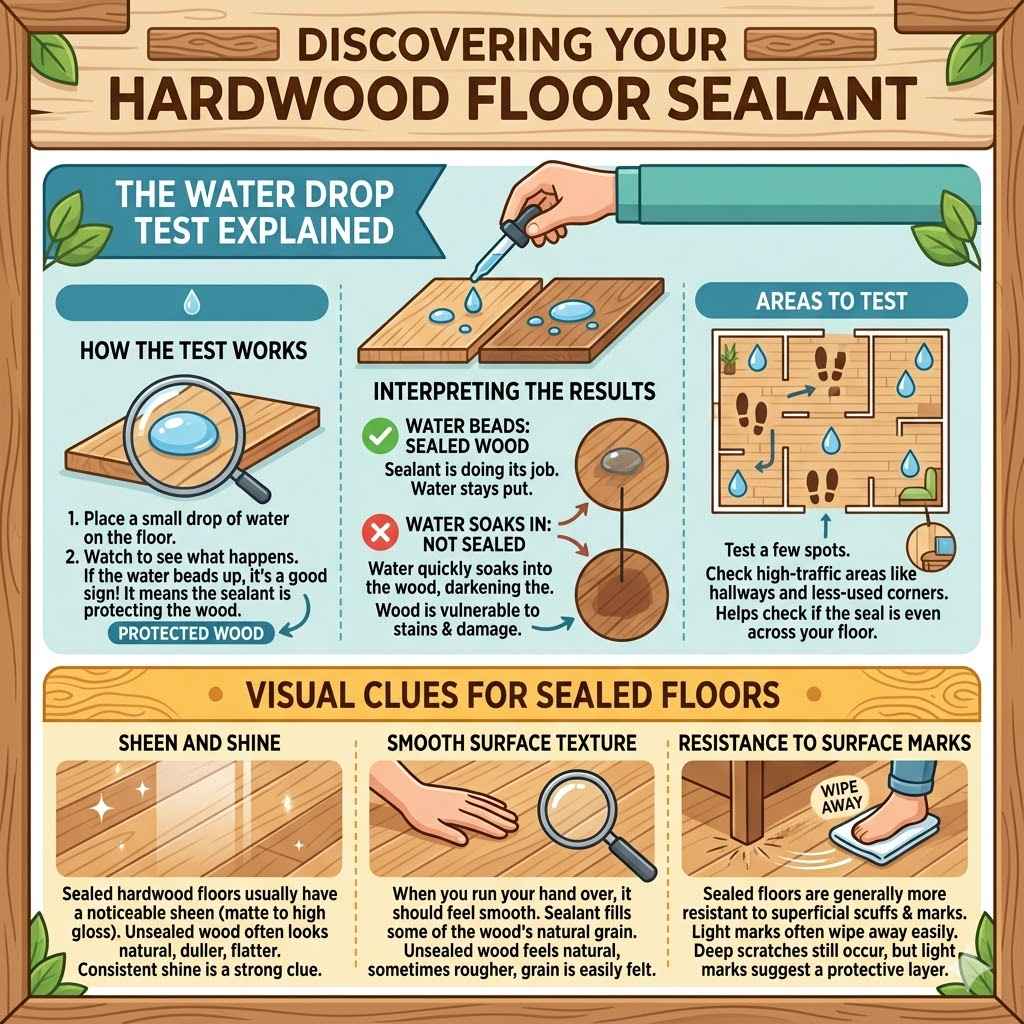
The Water Drop Test Explained
The water drop test is one of the easiest ways to check for sealant. It’s a practical method that uses a common household item.
How the Test Works
You place a small drop of water on the floor. Then you watch to see what happens. If the water beads up and sits on the surface, this is a good sign.
It means the sealant is doing its job. The water has nowhere to go, so it stays put. This is a quick indicator of a protective layer.
Interpreting the Results
If the water quickly soaks into the wood, spreading out and darkening the area, the floor is likely not sealed or has a worn-out seal. This shows the wood is directly absorbing moisture. It means it’s more vulnerable to stains and water damage.
You want to see that water tension.
Areas to Test
It’s a good idea to test in a few different spots. Try an area that gets a lot of traffic, like a hallway. Also, test a less-used corner.
This helps you see if the seal is even across your floor. Some parts might be more worn than others.
Visual Clues for Sealed Floors
Sometimes, you can tell if a floor is sealed just by looking at it. Sealed floors often have a distinct appearance.
Sheen and Shine
Sealed hardwood floors usually have a noticeable sheen. This can range from a matte or satin finish to a high gloss, depending on the type of sealant used. Unsealed wood tends to look more natural and often has a duller, flatter appearance.
A consistent shine across the floor is a strong clue.
Smooth Surface Texture
When you run your hand over a sealed floor, it should feel smooth. You won’t feel the grain of the wood as much. The sealant creates a barrier that fills in some of the wood’s natural texture.
Unsealed wood feels more natural and sometimes a bit rougher, with the grain easily felt.
Resistance to Surface Marks
Sealed floors are generally more resistant to superficial scuffs and marks from furniture or shoes. While deep scratches can still occur, light marks often wipe away easily. If minor scuffs disappear with a simple wipe, it suggests a protective layer is present.
Understanding Types of Wood Sealants
Different sealants affect how hardwood floors look and behave. Knowing about these types helps you better understand how to tell if hardwood floors are sealed. Each sealant offers different levels of protection and appearance.
Polyurethane Finishes
Polyurethane is a very common sealant for hardwood floors. It forms a hard, protective layer on top of the wood. This makes it durable and water-resistant.
Oil-Based Polyurethane
This type of sealant has been around for a long time. It offers excellent durability and water resistance. Oil-based polyurethane tends to give wood a warmer, amber tone, which can deepen over time.
It also has a strong odor during application and requires mineral spirits for cleanup. The curing time is longer.
Water-Based Polyurethane
Water-based polyurethane is known for its clear finish. It doesn’t yellow the wood as much as oil-based versions. It dries much faster and has less odor.
While it may not be quite as durable as oil-based in some aspects, modern water-based finishes are very tough. They are easier to apply for DIYers.
Maintenance
Both types of polyurethane offer good protection. Regular cleaning with a pH-neutral cleaner is key. Avoid using harsh chemicals or too much water, as this can damage the sealant over time.
When the sealant wears down, recoating or refinishing is necessary.
Penetrating Sealers
Unlike surface sealants like polyurethane, penetrating sealers soak into the wood. They offer a more natural look and feel.
How They Work
Penetrating sealers, often called “oils” or “waxes,” penetrate the wood fibers. They harden within the wood to create protection. This process preserves the natural look and feel of the wood.
It doesn’t form a hard shell on top.
Appearance and Feel
Floors treated with penetrating sealers look very natural. They often feel slightly softer and warmer underfoot. The grain of the wood is more visible.
You don’t get the same level of shine as with polyurethane.
Durability and Upkeep
These finishes are less resistant to surface damage and staining than polyurethane. They require more frequent maintenance. Reapplication is often needed annually or biannually, depending on traffic.
This helps maintain the wood’s protection and appearance.
Wax Finishes
Wax finishes provide a classic look and a smooth feel. They offer a different type of protection.
Application and Look
Wax is applied in thin layers and buffed to a soft sheen. It gives floors a beautiful, antique look. It feels smooth to the touch.
Wax fills in the pores of the wood and creates a protective barrier.
Protection Level
Wax finishes offer some protection against spills, but they are not as waterproof as polyurethane. They are susceptible to heat and can be scratched. If you spill something on a waxed floor, you need to wipe it up quickly.
Maintenance Needs
Maintaining a waxed floor involves regular buffing to keep up the shine. Periodically, a new coat of wax is needed. This process is more labor-intensive than caring for polyurethane.
It’s often a DIY project that people enjoy.
Advanced Testing Methods
Beyond simple visual checks and water tests, there are other ways to confirm your floor’s sealant. These methods can offer more certainty, especially if the initial tests are unclear. They help you get a complete picture of your floor’s protective layer.
The Rubbing Alcohol Test
Rubbing alcohol can react differently with sealed and unsealed wood. This test is another useful tool for identifying a sealant.
Performing the Test
Dampen a clean white cloth with isopropyl alcohol (rubbing alcohol). Gently rub a small, inconspicuous area of the floor. Do not soak the wood.
Observing the Reaction
If the floor is sealed, the alcohol should not affect the finish or the wood. You might notice a slight shine on the cloth if there’s a wax or polish residue, but the wood itself should remain unchanged. If the alcohol removes color, darkens the wood, or causes the finish to become hazy, it suggests the floor is unsealed or has a very weak sealant.
Why it Works
Many sealants, especially polyurethane, form a barrier that alcohol cannot easily penetrate. Unsealed wood, or wood with an oil/wax finish that isn’t fully cured or maintained, may absorb the alcohol. This absorption can cause the wood fibers to swell slightly or the finish to dissolve.
Checking for Scuff Marks
The way your floor handles everyday wear and tear can also be a clue. How it resists scuffs tells a story.
Resilience to Surface Marks
Try to gently scuff a small area with a rubber-soled shoe or a similar material. If the marks rub off easily with a dry cloth, it usually means the floor has a good sealant layer. This protective coating prevents minor scuffs from bonding with the wood surface.
Stubborn Marks
If scuff marks are difficult to remove, or if they seem to embed into the wood, it might indicate that the sealant is worn or non-existent. Unsealed wood is more porous and can absorb these marks, making them harder to lift.
Test Location
It’s best to perform this test in a hidden area. This way, if you do leave a mark, it won’t be noticeable. Think under a rug or in a closet.
Consulting Your Home’s History
Sometimes, the answer to how to tell if hardwood floors are sealed lies in information you already have. Looking into the past of your home can provide clues.
Previous Owners or Builders
If you recently purchased your home, ask the previous owners about the flooring. They may have records or recall when the floors were last refinished or sealed. Builders often leave information about materials used in construction.
Original Documents
Check any home improvement records, warranties, or renovation plans. Sometimes, details about the type of finish applied to hardwood floors are documented. This can save you a lot of guesswork.
Professional Opinions
If you are still unsure, consider hiring a flooring professional. They can assess your floors and tell you definitively if they are sealed and what type of sealant was used. This is a reliable option for peace of mind.
Maintaining Your Sealed Hardwood Floors
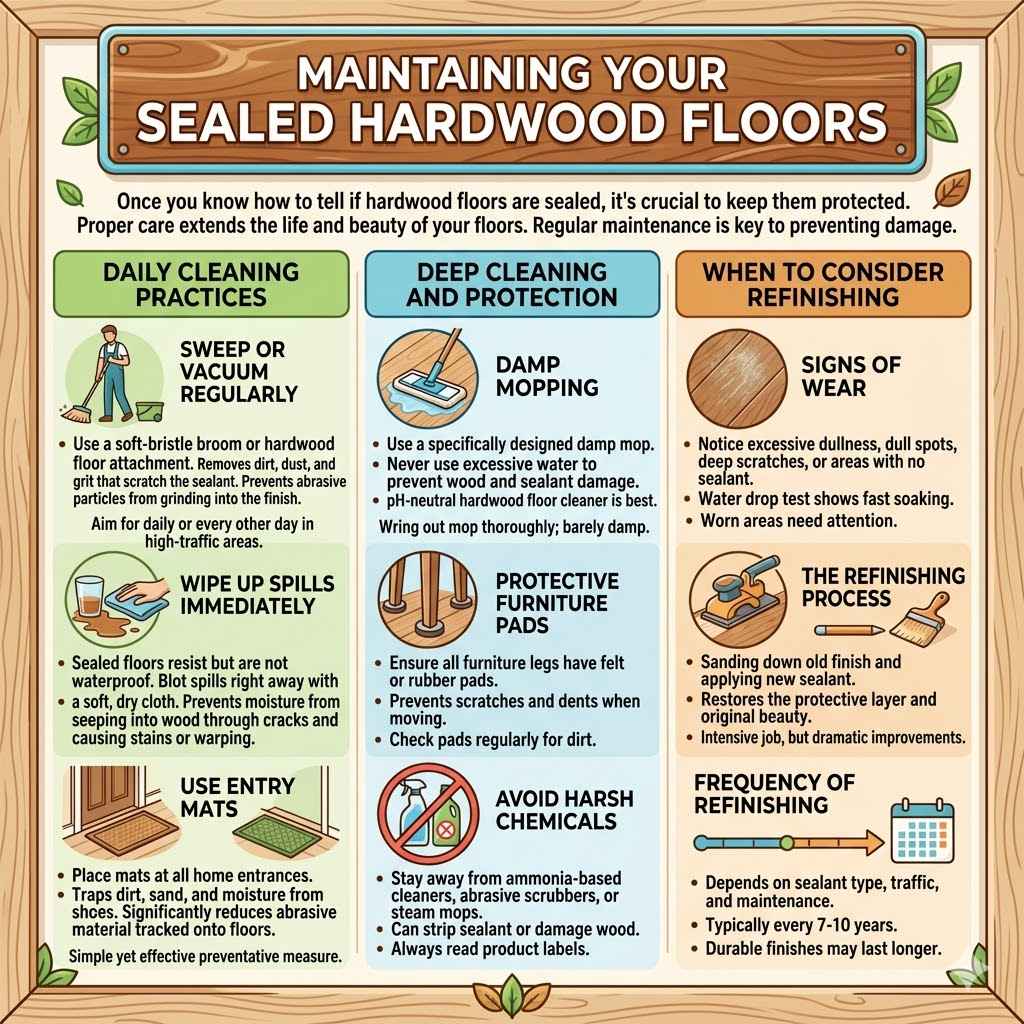
Once you know how to tell if hardwood floors are sealed, it’s crucial to keep them protected. Proper care extends the life and beauty of your floors. Regular maintenance is key to preventing damage.
Daily Cleaning Practices
Simple daily actions make a big difference in protecting your sealed floors. These habits prevent buildup and minor damage.
Sweep or Vacuum Regularly
Use a soft-bristle broom or a vacuum cleaner with a hardwood floor attachment. This removes dirt, dust, and grit that can scratch the sealant. Frequent sweeping prevents abrasive particles from being ground into the finish.
Aim to do this daily or every other day in high-traffic areas.
Wipe Up Spills Immediately
As we’ve seen, sealed floors are more resistant but not entirely waterproof. Any spills should be blotted up right away with a soft, dry cloth. This prevents moisture from seeping into the wood through microscopic cracks in the sealant, which can cause stains or warping.
Use Entry Mats
Place mats at all entrances to your home, both inside and out. These mats trap dirt, sand, and moisture from shoes. This significantly reduces the amount of abrasive material tracked onto your floors.
Mats are a simple yet effective preventative measure.
Deep Cleaning and Protection
Beyond daily upkeep, periodic deep cleaning and protective measures are vital. These steps address wear and tear.
Damp Mopping
Use a damp mop specifically designed for hardwood floors. Never use excessive water, as this can damage the wood and the sealant. A pH-neutral cleaner formulated for hardwood floors is best.
Wring out the mop thoroughly so it’s barely damp.
Protective Furniture Pads
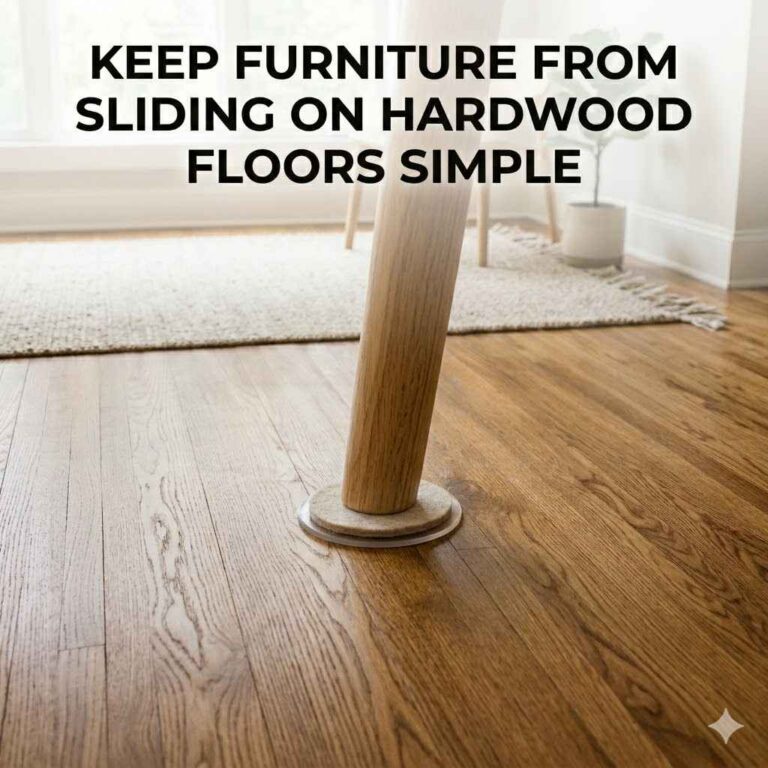
Ensure all furniture legs have felt or rubber pads. These prevent scratches and dents when furniture is moved. Check these pads regularly to ensure they are clean and secure, as dirt can get trapped on them.
Avoid Harsh Chemicals
Stay away from ammonia-based cleaners, abrasive scrubbers, or steam mops. These can strip the sealant or damage the wood itself. Always read the labels of cleaning products to ensure they are safe for sealed hardwood.
When to Consider Refinishing
Even with the best care, hardwood floor sealants wear down over time. Knowing when to refinish is important for long-term protection.
Signs of Wear
If you notice excessive dullness, significant dull spots, deep scratches, or areas where the sealant appears to be completely gone, it’s time to consider refinishing. The water drop test might show water soaking in quickly in these worn areas.
The Refinishing Process
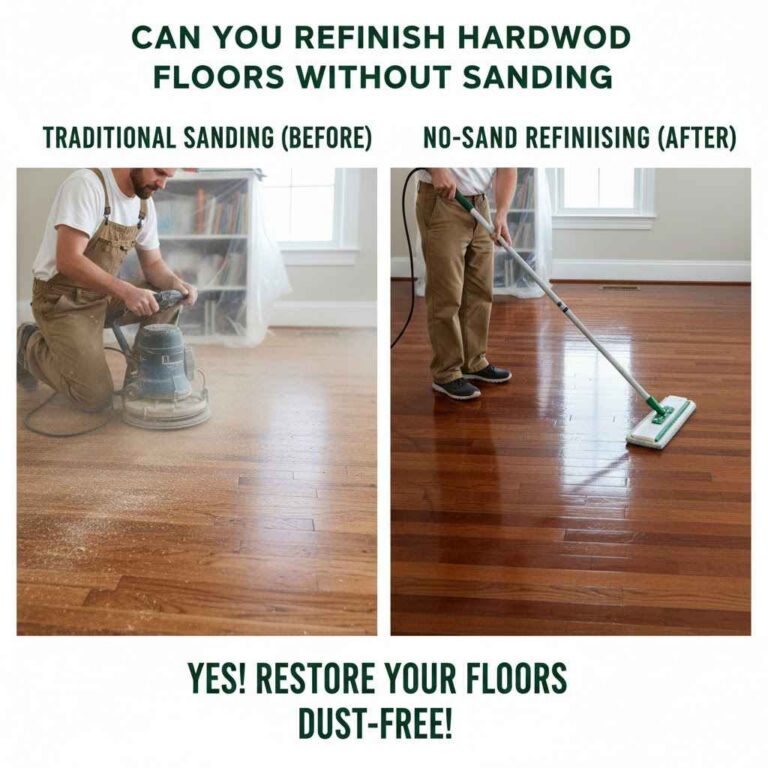
Refinishing involves sanding down the old finish and applying a new sealant. This process restores the floor’s protective layer and its original beauty. It’s a more intensive job than cleaning but can dramatically improve your floors.
Frequency of Refinishing
How often you need to refinish depends on the type of sealant, the amount of traffic, and how well the floors are maintained. Typically, floors might need refinishing every 7-10 years. Some durable finishes can last longer.
Frequently Asked Questions
Question: How can I tell if my hardwood floor is sealed without doing a water test?
Answer: You can often tell by looking at the floor’s sheen. Sealed floors typically have a noticeable shine, from matte to glossy, while unsealed floors look duller. Also, sealed floors usually feel very smooth to the touch, and minor scuff marks often wipe away easily.
Question: What does it mean if water soaks into my hardwood floor quickly?
Answer: If water soaks into your hardwood floor quickly and darkens the wood, it means the floor is likely unsealed or the sealant has worn away. This makes the wood vulnerable to stains and water damage.
Question: Is it possible for some areas of my floor to be sealed and others not?
Answer: Yes, it is possible. Over time, high-traffic areas or spots that experience more wear and tear can lose their sealant faster. This can lead to uneven protection across your floor.
Question: Can I put a new sealant over an old, worn-out seal?
Answer: If the old sealant is still in decent condition but just dull, you might be able to recoat it. However, if the old sealant is peeling or severely damaged, it’s usually best to sand it down completely and then apply a new seal for proper adhesion and a good finish.
Question: How often should I reapply sealant to my hardwood floors?
Answer: This depends on the type of sealant. Polyurethane finishes can last many years, while oil or wax finishes may need reapplying annually or biannually. Regular maintenance and careful cleaning will help extend the life of any sealant.
Summary
Knowing how to tell if hardwood floors are sealed is key to their upkeep. Simple tests like the water drop and rubbing alcohol methods clearly show protection. Visual checks for shine and smoothness also give clues.
Understanding different sealants helps explain these signs. Proper cleaning and maintenance, including prompt spill cleanup and damp mopping, preserve the seal. When wear becomes evident, refinishing restores protection.