How to Tell Solid Wood From Veneer Furniture
Figuring out if furniture is made of solid wood or veneer can sometimes feel tricky, especially when you’re just starting out. Many people wonder about this because it can affect how furniture looks, how it lasts, and how much it costs. You might see beautiful pieces and want to know their true makeup.
Don’t worry, this guide breaks it down with simple steps so you can be sure. We will walk through easy ways to check.
Identifying Solid Wood vs. Wood Veneer
This section will guide you through the main differences between solid wood furniture and furniture made with wood veneer. Understanding these distinctions is key to making smart choices when buying furniture. It helps you appreciate the craftsmanship involved in each type.
We’ll explore what makes them unique and how those differences show up in the finished product. This knowledge will empower you to look at furniture and know what you’re seeing.
What is Solid Wood Furniture
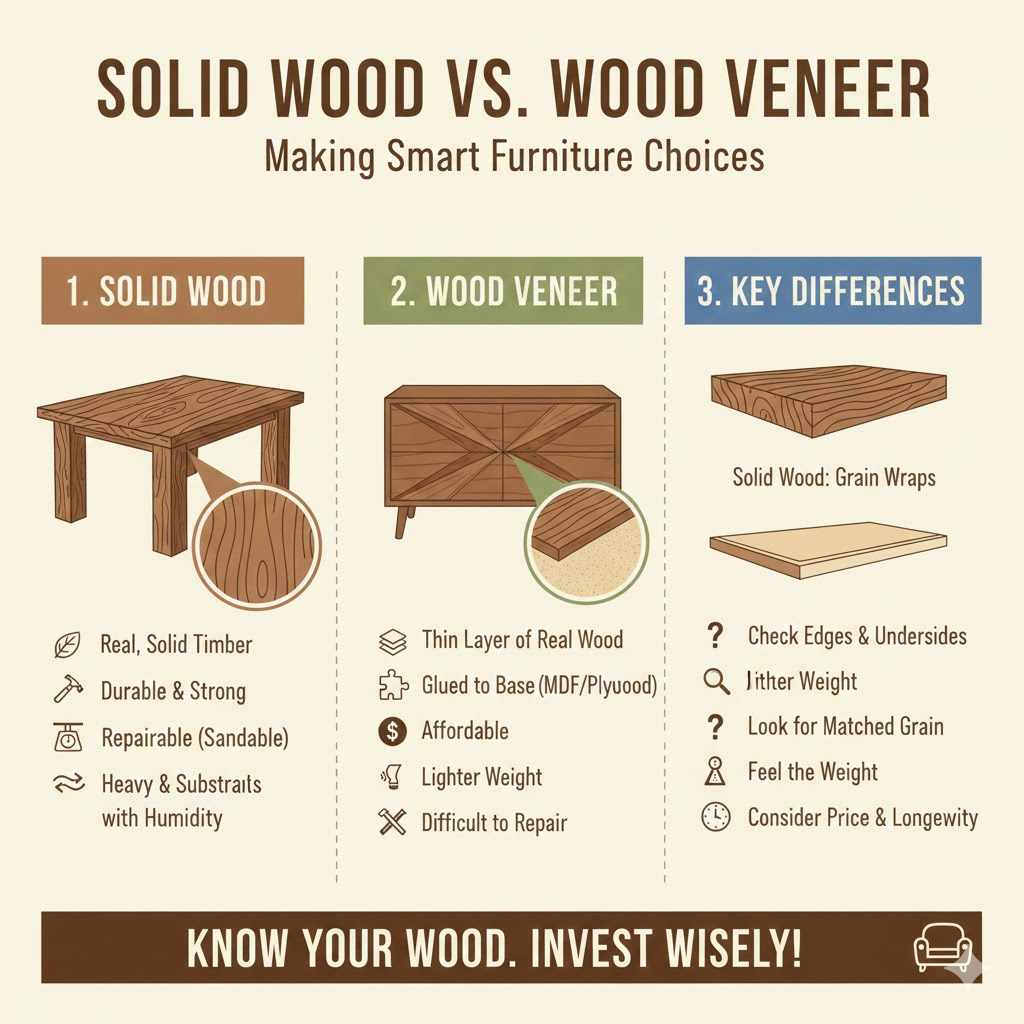
Solid wood furniture is made entirely from pieces of solid timber. Think of it as a thick plank of wood that has been shaped and joined to create a furniture piece. Unlike other types of wood products, there are no layers or composites involved.
Each part of the furniture, like the table legs, drawer fronts, or chair seats, is cut from a single, solid piece of wood. This makes it strong and durable.
When furniture is described as “solid oak” or “solid pine,” it means exactly that. The entire piece is constructed from that specific type of wood. This is often seen as the highest quality and most traditional way to make wooden furniture.
It carries a certain prestige and offers a classic appeal that many people admire. The natural grain patterns and unique characteristics of the wood are fully visible and untouched by artificial layering.
Characteristics of Solid Wood
Solid wood furniture has a natural beauty. The grain patterns are continuous across the surface and any edges. If you look closely at a drawer front, you’ll see the grain flows smoothly from one side to the other.
This unbroken grain is a strong sign of solid wood. The wood also has a certain weight and density that feels substantial. It often has a warm, inviting look and feel.
Solid wood can expand and contract with changes in humidity. This is a natural property of wood. Because of this, you might see small gaps appear or disappear between boards over time, especially in humid or dry environments.
However, for high-quality solid wood furniture, these movements are usually minimal and don’t affect the structural integrity. It’s a sign the wood is breathing and behaving naturally.
- Uninterrupted Grain Patterns: The wood grain runs consistently across the entire piece, including edges and corners. This indicates that the surface is a single piece of wood, not a thin layer applied to another material.
- Weight and Density: Solid wood furniture typically feels heavier and more substantial than veneered furniture of the same size. This is because it’s made from dense, solid timber throughout.
- Natural Imperfections: Solid wood may have natural knots, mineral streaks, or slight variations in color and grain. These are considered signs of authenticity and natural beauty rather than defects.
- Repairability: Solid wood can often be repaired and refinished more easily than veneered pieces. Dents or scratches can sometimes be sanded out and the surface re-coated.
Understanding Wood Veneer
Wood veneer involves taking a thin slice of real wood and gluing it onto a base material. This base material is often a less expensive wood, like particleboard or plywood. Think of it like a beautiful wood skin applied over a sturdy, less attractive core.
This technique allows manufacturers to use the attractive grains of expensive hardwoods without using solid pieces of them. It’s a way to get the look of luxury wood at a more affordable price.
Veneer is essentially a decorative surface. The primary purpose is to provide the visual appeal of solid wood. The core material provides the structure and strength.
This method is very common in furniture making today. It’s used in everything from tables and dressers to cabinets and desks. The quality of veneer can vary greatly, from very thin and fragile layers to thicker, more durable ones.
How Veneer Is Made
Veneer is made by slicing or peeling logs into very thin sheets. This process is done with specialized machines. The resulting sheets are beautiful, showcasing the natural grain patterns of the wood species.
These thin sheets are then carefully matched and glued onto a substrate, which is the foundation of the furniture piece. This substrate can be plywood, medium-density fiberboard (MDF), or even solid wood itself, though using solid wood as a core for veneer is less common for cost savings.
The way the veneer is cut and applied significantly impacts the final look. Different slicing methods, like rotary, quarter, or rift slicing, produce different grain patterns. “Bookmatching” is a popular technique where two veneer leaves are opened like a book to create a symmetrical pattern.
This careful selection and arrangement of veneer sheets contribute to the aesthetic quality of the finished furniture. It’s an art form in itself.
- Thin Wood Layers: Veneer is a very thin layer of real wood applied over a core material. This core is usually particleboard, MDF, or plywood.
- Grain Matching: Manufacturers often match veneer pieces to create attractive, continuous patterns on the furniture surface, especially on large areas like tabletops.
- Edge Banding: The edges of veneered furniture are often covered with edge banding, which is another strip of veneer or a synthetic material designed to match the surface.
- Cost-Effectiveness: Veneer allows manufacturers to use less expensive woods for the core and still achieve the look of costly hardwoods, making furniture more affordable.
How to Tell If Furniture Is Solid Wood or Veneer
Now, let’s get to the practical side of things. You’re at a furniture store, or maybe looking at a piece in someone’s home, and you want to know for sure. There are several straightforward tests you can do.
These checks are simple and don’t require special tools. They rely on careful observation and a bit of common sense. We will go through them one by one.
Checking the Edges
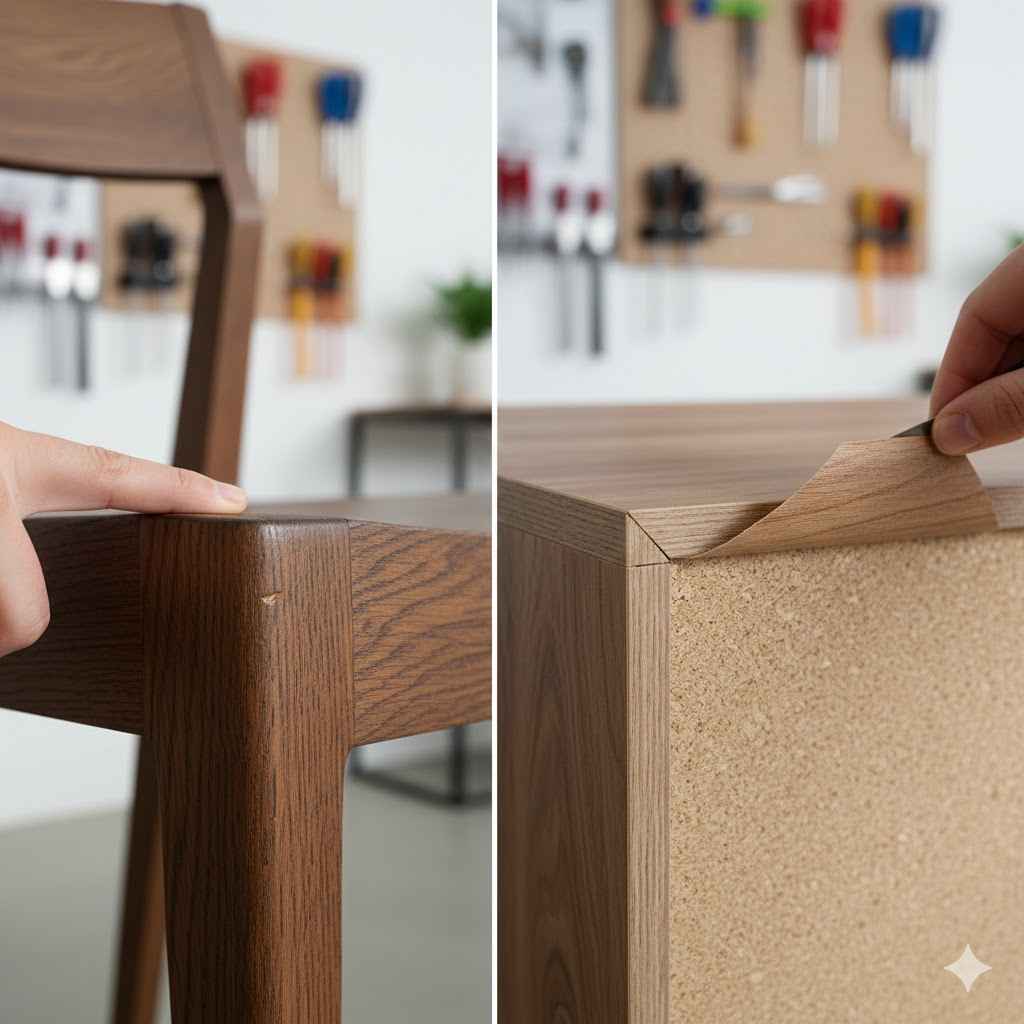
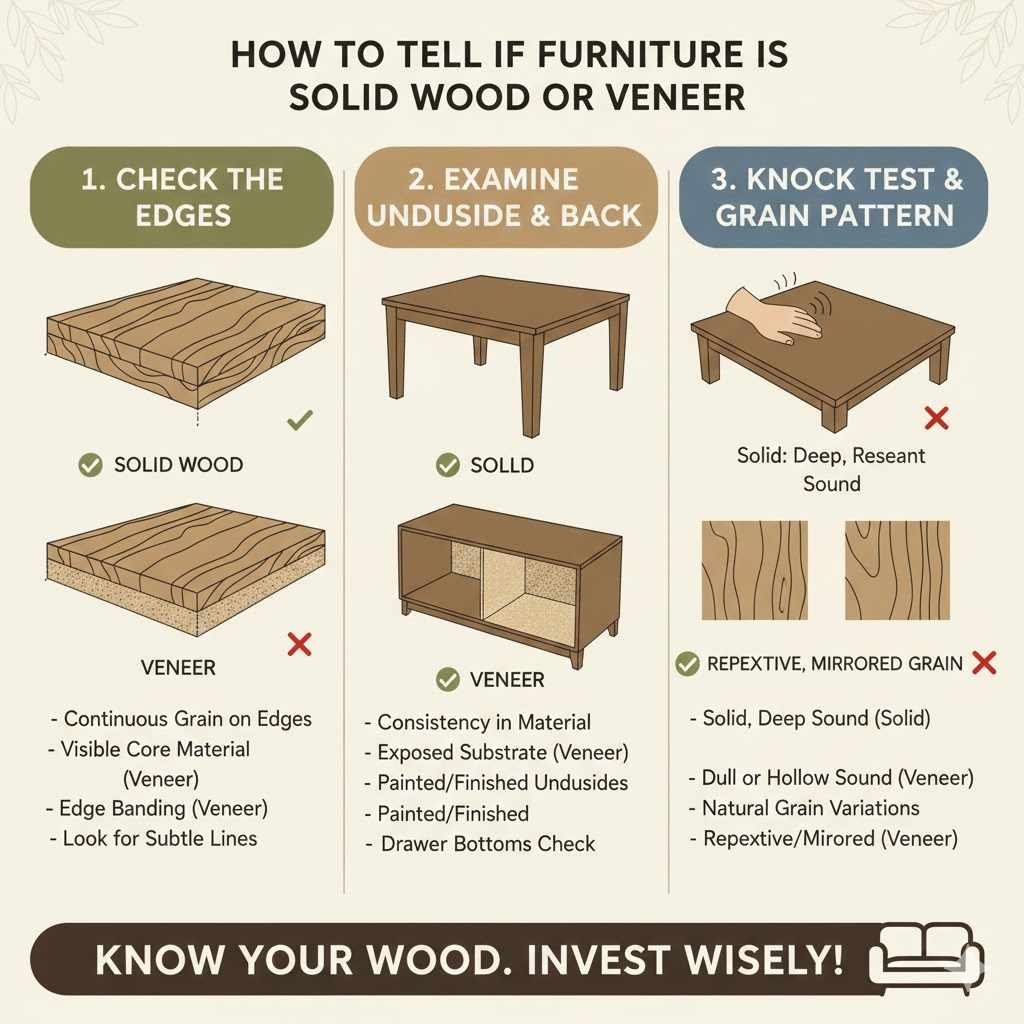
The edges of furniture pieces are often the best place to start when trying to determine if it’s solid wood or veneer. With solid wood, the grain pattern you see on the surface will continue smoothly around the edge and onto the underside. It will look like one continuous piece of wood.
There won’t be any visible lines where a thin layer meets a base material.
For veneered furniture, the edges can tell a different story. Look closely at the sides of tabletops, drawer fronts, or cabinet doors. If you see a very fine line, especially if it’s a different color or texture than the main surface, it could be where the veneer ends and the particleboard or plywood core begins.
Sometimes, this edge might be covered with a thin strip of veneer or a plastic edge banding to hide the core material.
- Continuous Grain on Edges: For solid wood, the wood grain pattern should flow without interruption around the edges of the furniture piece.
- Visible Core Material: If you can see a different material, like particleboard or layered wood, exposed on the edge, it is likely veneer.
- Edge Banding: The presence of a separately applied strip of material along the edge, meant to match the surface, often indicates veneer construction.
- Look for Subtle Lines: Tiny, fine lines on the edges can sometimes reveal the seam between the veneer and the substrate.
Examining the Underside and Back
The underside of tabletops, the back of cabinets, and the bottoms of drawers are often unfinished or less carefully treated. This can make them easier to inspect for clues. If you find solid wood on these less visible areas, it’s a good sign that the rest of the piece is also solid wood.
However, manufacturers sometimes use less expensive wood or even plywood for the undersides to save costs, even on solid wood furniture.
On veneered furniture, the underside might reveal the core material more clearly. You might see the grain of the plywood, the texture of particleboard, or even saw marks from the manufacturing process that are different from the finished surfaces. If the underside is painted or has a different finish, it can sometimes hide what’s underneath, making it harder to tell.
But look for any inconsistencies in the wood grain or material itself.
- Consistency in Material: If the underside appears to be made of the same solid wood as the visible surfaces, it’s a strong indicator of solid wood construction.
- Exposed Substrate: Seeing particleboard, MDF, or layers of plywood on the underside is a common sign of veneered furniture.
- Painted or Finished Undersides: Be aware that a finish on the underside can sometimes mask the true material. Look for inconsistencies or areas where the finish might be worn.
- Drawer Bottoms: Check the bottoms of drawers. If they are solid wood that matches the rest of the drawer, it’s a good sign. If they are thin plywood or particleboard, the rest of the piece might also be veneered.
The Knock Test and Sound
This is a less common but sometimes useful method. Gently tap different parts of the furniture with your knuckles. Solid wood tends to produce a solid, deep sound.
It might feel firm and resonant. Think of knocking on a thick wooden door. The sound is usually consistent across the entire piece if it’s solid wood.
Veneered furniture, especially pieces with particleboard or MDF cores, might produce a duller, flatter sound. If you tap an area and hear a hollow sound, it could mean there’s a hollow space or a different, less dense material underneath. This isn’t always foolproof, as some well-made veneered pieces can still sound quite solid.
However, a noticeable difference in sound between areas can be a clue.
- Solid, Deep Sound: Solid wood generally produces a firm, resonant sound when tapped.
- Dull or Hollow Sound: A duller or hollower sound might indicate a hollow construction or a core material like particleboard or MDF.
- Consistency of Sound: If the sound is consistent across all surfaces, it leans towards solid wood. Variations in sound could suggest different materials.
- Cautionary Note: This test is less reliable than visual inspection, as construction methods can vary. Use it as a supplementary clue.
Looking for Grains and Patterns
The way wood grain appears on furniture is a significant indicator. In solid wood, especially on larger surfaces like tabletops, you’ll often see the grain pattern change naturally. It might curve, swirl, or form unique shapes as it flows across the wood.
If you have multiple pieces of solid wood joined together, like in a planked tabletop, you’ll see the grain lines continue from one board to the next, though they might not always perfectly align.
With veneer, the grain patterns can sometimes appear too perfect or repetitive. This is because the thin slices are often cut from the same log and carefully matched. On very large surfaces, a veneer pattern might be bookmatched perfectly, creating a symmetrical design that’s less likely to occur naturally in solid wood.
Also, if the grain pattern stops abruptly at an edge or seems to be printed on rather than flowing, it’s a strong sign of veneer.
- Natural Grain Variations: Solid wood exhibits natural, often irregular, grain patterns that change across the surface and around edges.
- Repetitive or Mirrored Patterns: Veneer can sometimes show patterns that are too uniform, mirrored (bookmatched), or repeated, which is less common in solid wood.
- Grain on Edges and Undersides: Check if the grain on the surface matches what’s visible on the edges and undersides. Inconsistency suggests veneer.
- “Perfect” Patterns: While beautiful, overly perfect or staged grain patterns on large surfaces might be achieved through veneer.
Checking for Damage and Wear
How furniture ages can also offer clues. Solid wood, when damaged, often shows wear in a way that’s consistent with its solid nature. For example, if a solid wood table gets a deep dent, the wood fibers are compressed or torn.
If a scratch occurs, you might see lighter wood underneath. Over time, solid wood can develop a patina, a rich sheen from use and age, which is uniform across its surface.
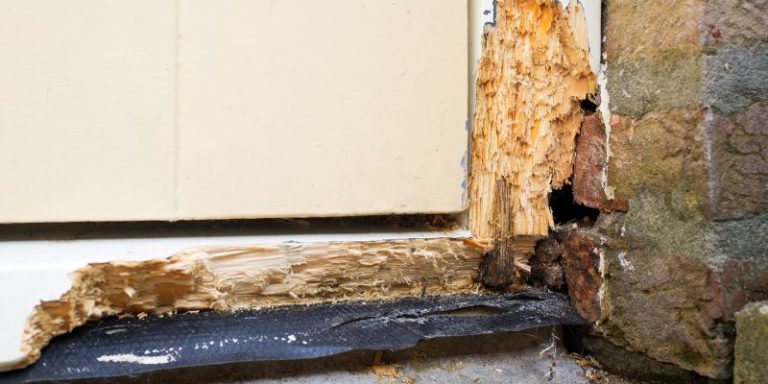
Veneered furniture can be more susceptible to chipping or peeling, especially at the edges or corners. If the veneer layer gets damaged, you might see the core material exposed, which looks very different from the veneer. Small chips can reveal the substrate underneath.
Also, if the veneer starts to delaminate, meaning the thin layer starts to lift away from the core, it’s a clear sign of veneer. This damage often looks like bubbling or peeling.
- Denting and Scratching Behavior: Solid wood dents and scratches differently than veneer. Dents compress the wood, while veneer chips can expose the core.
- Chipping at Edges: Veneer is more prone to chipping or peeling at edges and corners, revealing the underlying material.
- Delamination or Peeling: Look for signs of the veneer layer lifting or peeling away from the core material, especially on flat surfaces or edges.
- Uniform Patina vs. Surface Wear: Solid wood develops a uniform patina. Veneer wear might be localized, showing the core material through damage.
The Role of Hardware and Joinery
While not a direct indicator of the wood type, the quality of hardware and joinery can sometimes hint at the overall construction quality, which might correlate with the use of solid wood. For instance, solid wood furniture often uses robust joinery techniques like dovetails or mortise and tenons for drawers and connections. These methods are strong and durable, fitting for solid wood.
On the other hand, furniture that relies heavily on veneer might use simpler joinery or even just screws and glue on particleboard or MDF. If you see very basic connections or drawers that feel less sturdy, and the piece is veneered, it’s part of the overall picture. High-end veneered pieces will still have good joinery, but the wood material itself is the primary focus for identification.
- Drawer Joinery: Dovetail joints are a sign of quality craftsmanship often found in solid wood drawers, though some high-end veneered pieces also use them.
- Drawer Slides: Metal drawer slides attached directly to particleboard or thin wood can sometimes be seen in veneered furniture.
- Overall Sturdiness: The general feeling of weight and stability can hint at the material. Solid wood is generally heavier.
- Hidden Joinery: Sometimes joinery is hidden. If you can see screws directly into a composite material, it’s usually not solid wood.
What About Engineered Wood Products?
It’s worth noting that not all non-solid wood furniture is necessarily poor quality. Plywood, for example, is made of thin layers of wood glued together. High-quality plywood can be very strong and stable, and it is sometimes used as a core for veneer or even as a structural component itself.
Medium-density fiberboard (MDF) and particleboard are also common. MDF is made from wood fibers, while particleboard uses wood chips and shavings. These are often used as the base for veneers because they are stable and inexpensive.
When furniture is described as “wood composite” or “manufactured wood,” it typically refers to these materials. They are engineered to be dimensionally stable, meaning they don’t expand or contract as much with humidity changes as solid wood does. While they don’t have the same natural beauty or longevity as solid wood in terms of repairability, they can be durable and are a common choice for many furniture items, especially when paired with a nice veneer.
- Plywood: Made of thin layers of wood glued together, it’s strong and stable, often used as a core for veneer or in drawer bottoms.
- MDF (Medium-Density Fiberboard): Made from wood fibers and resin, it’s dense and smooth, ideal for painting and as a base for veneer.
- Particleboard: Made from wood chips and resin, it’s the least expensive and least dense, often used as a core, but can be susceptible to moisture damage.
- Stability and Cost: These engineered woods offer stability and cost savings, making them practical choices for many furniture applications.
Real-Life Scenarios and Examples
Let’s look at a couple of everyday furniture items to see these points in action.
- A beautiful oak dining table with a large, smooth top. When you look at the edges, the wavy grain pattern of the oak flows seamlessly around all sides. The underside of the tabletop reveals more of the same oak grain, looking solid and consistent. Tapping the top produces a deep, resonant sound. This table is almost certainly made of solid oak.
- A modern-looking TV stand with a dark wood finish. The top surface looks like rich walnut, with a perfectly symmetrical grain pattern. However, when you examine the side edges, you can see a thin dark line, and under that, a lighter, particle-like material. The bottom of the stand is a plain, unfinished composite board. This TV stand is likely made with a walnut veneer over a particleboard core.
Another scenario:
- A vintage dresser with ornate carved details. The drawer fronts appear to be solid cherry wood, with a warm, deep color and natural grain variations. However, if you inspect the inside of the drawers, you might find they are made of a lighter wood, perhaps pine, and the drawer bottoms are thin plywood. This is common; the most visible parts might be solid, while less visible or structural parts use less expensive materials.
Frequently Asked Questions
Question: How can I tell if a piece of furniture is solid wood just by looking?
Answer: Look for continuous grain patterns on the surface and edges. Solid wood grain flows uninterrupted. Also, solid wood usually feels heavier and more substantial than veneered furniture.
Question: What does it mean if the wood grain looks too perfect or is exactly the same on two sides?
Answer: This often indicates veneer. Veneer layers are thin slices of wood that can be precisely matched to create symmetrical or repeating patterns, which is harder to achieve with solid wood.
Question: Can solid wood furniture get damaged easily?
Answer: Solid wood is durable, but it can get dents, scratches, and water stains. However, solid wood can often be repaired and refinished, making it last for generations.
Question: Is veneer considered bad quality?
Answer: Not necessarily. High-quality veneer can be beautiful and durable when properly applied over a stable core like plywood or MDF. It allows for the look of expensive wood at a lower cost.
Question: What’s the best way to check the underside of furniture?
Answer: Flip the furniture over if possible. Look for exposed particleboard, MDF, or layered plywood. If it looks like solid wood similar to the top surface, it’s more likely solid wood throughout.
Summary
Distinguishing between solid wood and veneer furniture is about careful observation. Focus on the edges, undersides, and grain patterns. Solid wood shows continuous grain and feels dense.
Veneer has thin wood layers over a core, often revealing seams or different materials. Simple checks help you make informed choices about quality and value.