How to Thread a Tie down: Master the Art Effortlessly
Do you ever find yourself struggling to secure your cargo safely? Whether you’re moving furniture, transporting outdoor gear, or securing items for travel, knowing how to properly thread a tie down can make all the difference.
Imagine driving down the road with peace of mind, knowing your load is secure and won’t shift or fall. Sounds great, right? In this guide, you’ll discover the simple steps to mastering the art of threading a tie down. Say goodbye to the frustration of tangled straps and hello to confidence in your cargo’s safety.
Let’s dive in and ensure you’re always prepared for the road ahead!
Credit: www.youtube.com
Choosing The Right Tie Down
Tie downs help in securing loads. Ratchet straps are very strong and easy to use. Cam buckle straps are good for lighter loads. Rope tie downs are flexible and adjustable. Always pick the right type for your needs.
Nylon is strong and durable. Polyester resists water and sunlight. Polypropylene is cost-effective but less durable. Choose the material based on weather and load type. A good material choice ensures safety.
Preparing Your Tie Down
Check your tie down for any frays or tears. These can make it weak. Inspect the hooks and buckles. They should be secure and not loose. A damaged tie down can break easily. It’s important to replace if you find any damage.
Make sure your tie down is the right length. It should fit snugly around your item. Not too long or too short. Measure the length before use. Adjust if needed to fit your cargo. Proper length keeps items secure during travel.
Threading Techniques
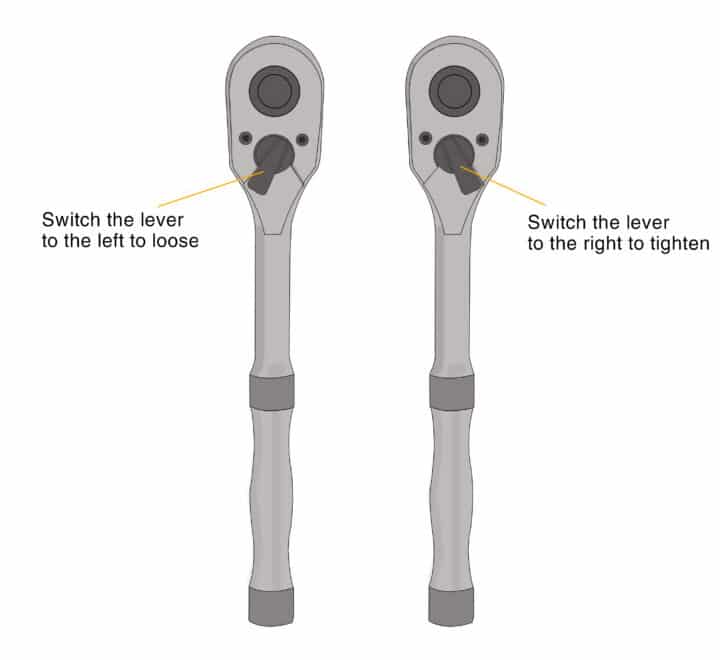
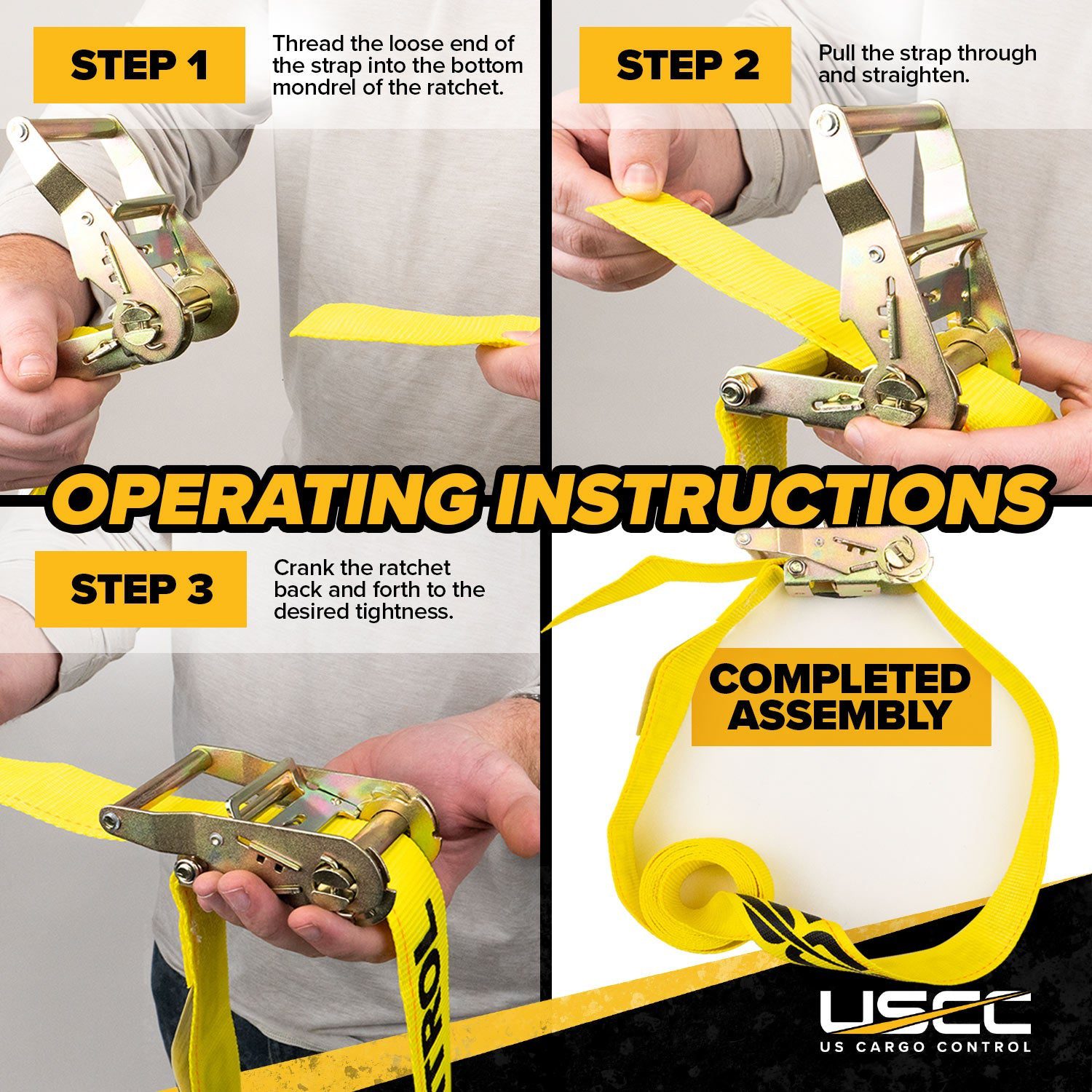
Ratchet straps hold items tightly. First, pull the strap through the ratchet. Next, tighten by moving the handle up and down. This locks the strap. Make sure the strap is straight. No twists. Twists can make it loose. Check the ratchet is secure. It should not move. If it moves, check the handle. Repeat if needed.
Cam buckle straps are easy. They have a simple buckle. Slide the strap through the buckle. Pull until tight. Push the cam lever down. This locks the strap. Always keep the strap flat. Twists make it weak. Check the buckle is firm. It should not open. If it opens, adjust the lever. Try again if needed.

Credit: www.wikihow.com
Securing Your Load
Balancing weight is very important for a safe trip. Heavy items should sit on the bottom. Light items go on top. This keeps the load steady. Check the load often. Make sure nothing moves. A moving load can be dangerous.
Avoid mistakes when tying down. Do not use old or weak ropes. They can break. Make sure the knots are tight. Loose knots can come undone. Use enough tie downs. Too few can cause problems. Always double-check your work. Safety first!
Testing The Tie Down
Always ensure your tie down is secure. Check for any frays or damage on the strap. The buckle should work smoothly. No rust or cracks should be present. Test the strength by pulling the strap. It should not stretch or snap. Look for any loose threads. These can weaken the strap. Make sure all hooks are firmly attached. They should not bend or break.
The tension should be even across the strap. Make sure it is not slipping. Adjust the strap to remove slack. The load should be steady and not shift. Check if the strap stays tight during transport. If it loosens, adjust again. A tight strap ensures the load is safe. Always double-check before moving. This prevents accidents and keeps everything secure.
Maintenance Tips
Threading a tie-down correctly ensures safety and efficiency. Start by inserting the strap through the buckle. Pull it tight for a secure hold. Make sure the strap is flat and not twisted. This prevents slipping and ensures firm grip. Double-check the tension to maintain stability during transport.
Storing Tie Downs Properly
Store tie downs in a cool, dry place. Keep them away from sunlight and moisture. Use hooks or shelves for neat storage. This prevents tangling. Clean them before storing. Dirt can damage the material. Always check for wear and tear. Replace if needed. Store them in a bag or box. This keeps them safe from dust. Proper storage keeps them strong and ready for use.
Regular Inspection Guidelines
Check tie downs every time before use. Look for cuts or frays. These can make them weak. Hold the tie down in your hand. Feel for any bumps or rough spots. Make sure the hooks are not bent. Bent hooks can slip during use. Test the buckle. It should lock tightly. If it does not, replace it. Regular checks make sure your tie downs are safe.

Credit: www.youtube.com
Frequently Asked Questions
How To String A Tie-down Strap?
Thread the strap through the buckle. Pull it tight to secure your load. Ensure the strap is not twisted.
How To Loop A Tie-down Strap?
Feed the strap through the buckle, creating a loop. Pull the strap tight, securing your load. Ensure it’s properly fastened by checking the tension. Adjust as needed for safety.
How To Thread A Keeper Ratchet Tie Down?
To thread a keeper ratchet tie down, insert the strap through the ratchet’s slot. Pull the strap to remove slack. Engage the ratchet by pumping the handle. Ensure the strap is tight and secure. Release by pulling the release lever.
Always check tension before transport for safety.
How To Thread A Strap?
To thread a strap, insert it through the buckle. Pull it through the loop. Adjust for tightness. Secure by threading the strap back through the buckle. Ensure it’s firmly in place for safety.
Conclusion
Threading a tie-down is simple with practice. Follow the steps for success. Start by placing the strap correctly. Ensure the buckle is positioned right. Tighten securely for safe transport. Regular checks prevent loose tie-downs. This method ensures items stay secure.
Always double-check your work. Adjust straps if needed. With these tips, feel confident threading tie-downs. Proper technique saves time and hassle. Keep practicing for best results. Safety is key when securing loads. Happy transporting!