How to Hang a Tarp for Shade: 4 Ways That Actually Hold
A taut ridgeline with 15-foot corner guy lines and stakes driven a few inches taller than you creates the most stable shade tarp setup — but wind above 25 mph (a National Weather Service “strong breeze”) can lift a loosely staked tarp regardless of knot skill. This guide covers the ridgeline, A-frame, and four-pole methods, plus how to hang a tarp with no grommets at all.
Insert your Affiliate Disclosure reusable block here.
Choosing the Right Tarp Material and Size
Canvas (cotton duck) tarps are the most durable choice for shade that stays up all season — they resist UV breakdown better than plastic but weigh more, especially once damp. Polyethylene tarps are the lightest and cheapest option, good for a weekend event but prone to becoming brittle after a summer of direct sun. Vinyl tarps shed rain the best of the three, making them the pick for a shade structure that also needs to double as rain cover.
Measure the actual footprint you want shaded, then add roughly a foot of overhang on each side so the shadow doesn’t shrink to nothing once the sun moves — a tarp bought off the rack rarely matches a custom-measured space exactly. Darker tarps block more visible light but also run hotter to the touch; if UV protection is the main goal, look for a tarp labeled with a UV-resistant coating rather than judging by color alone.
Tools and Anchors You’ll Need
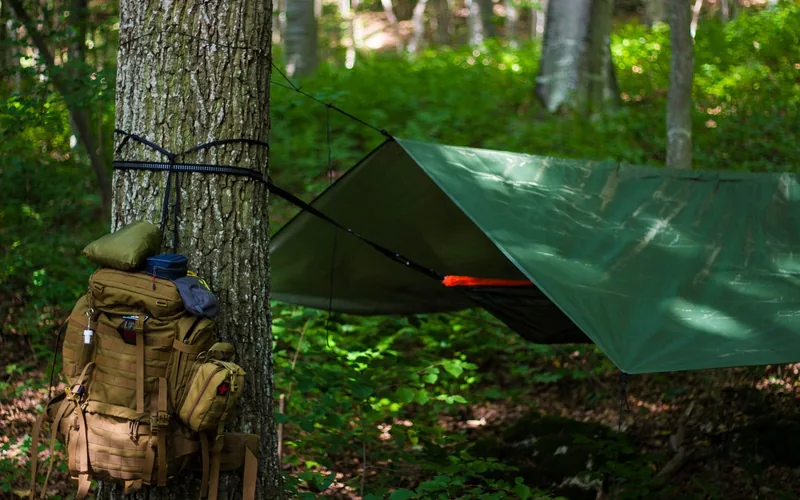
Polypropylene rope handles UV exposure and repeated wetting better than plain nylon cord, and paracord is a lighter option for the corner guy lines if you don’t need the main ridgeline’s full strength. For the main ridgeline, roughly 100 feet of rope gives enough length to span two anchor points with slack to spare; each corner guy line typically needs about 15 feet to reach a stake set out from the tarp’s edge.
Metal stakes driven into soil hold best; on a deck or patio, sandbags or a weighted base substitute for ground anchors. Telescopic poles adjust the tarp’s height without cutting anything, while PVC pipe is a cheap fixed-height alternative — either beats leaning on a tree branch, which can snap under sustained tension.
Best No-Grommet Tarp Anchor Pick
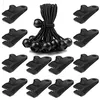
24 Pcs Tarp Clips Heavy Duty Lock Grip with 6 Inch Bungee Ball Cords – $13.99
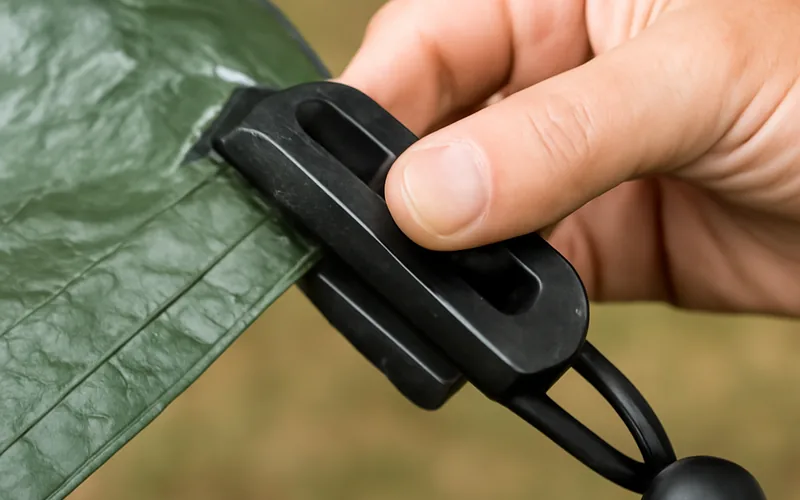
Lets you create an anchor point anywhere along a tarp edge without a grommet — the toothed clamp grips the fabric directly, exactly the no-grommet method covered later in this guide.
- Best for: tarps with missing, torn, or too-few grommets
- Why we picked it: combines the clamp and bungee in one piece, so there’s nothing extra to buy
- Main drawback: the plastic jaw can slip on very stiff or icy-cold vinyl tarps
Compare more tarp anchor options
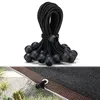 Option 1 Aulock 30pcs Bungee Cords with Balls – $9.99
|
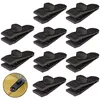 Option 2 Tarp Clips, 10 Pack – $9.99
|
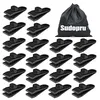 Option 3 Tarp Clamps 20 Pack + Bag – $14.99
|
As an Amazon Associate we earn from qualifying purchases.
Choosing the Right Location
Watch how the sun tracks across the intended spot for a day before committing to anchor points — afternoon sun angle is usually lower and harsher than midday, so a tarp that only blocks overhead sun may leave you exposed by 4 p.m. Flat, dry ground holds stakes far better than sand or soft turf; if the only flat option is sandy, plan on sandbags or deeper stakes instead.
Leave clearance from trees and structures that could drop branches or debris onto the tarp, and route ropes away from any path people actually walk — a taut guy line at shin height is the single most common tripping hazard reported around backyard tarp setups.
How to Hang a Tarp for Shade (Step-by-Step)
The ridgeline method is the fastest reliable setup for two solid anchor points such as trees or posts:
- Set the ridgeline: Tie roughly 100 feet of polypropylene rope between two anchor points, pulling it as tight as you can by hand before tying off.
- Drape the tarp: Lay the tarp over the ridgeline so it falls into a tent-like peak, centering it so both sides overhang evenly.
- Stake the corners: Run a roughly 15-foot guy line from each corner grommet out to a stake, driving stakes deep enough that only a few inches show above ground.
- Set stake height for headroom: If you need to walk underneath, drive corner poles or center supports a few inches taller than your own height before tying off the guy lines.
- Tension and recheck: Walk the perimeter and re-tighten any guy line that sags — a loose tarp flaps in wind and works its stakes loose over time.
A-Frame Setup
Two poles or trees pitched as an A-frame give the most wind resistance of the three configurations because the triangle shape sheds gusts instead of catching them broadside. Keep the peak tight and the stake-out angle wide for the most stable result.
Lean-To Style
A lean-to uses a single high anchor point with the opposite edge staked low, creating a slope that sheds rain off the back instead of pooling on top. It’s the quickest of the three to pitch and works well as a quick wind or sun block along one side of a patio.
Canopy (Four-Pole) Design
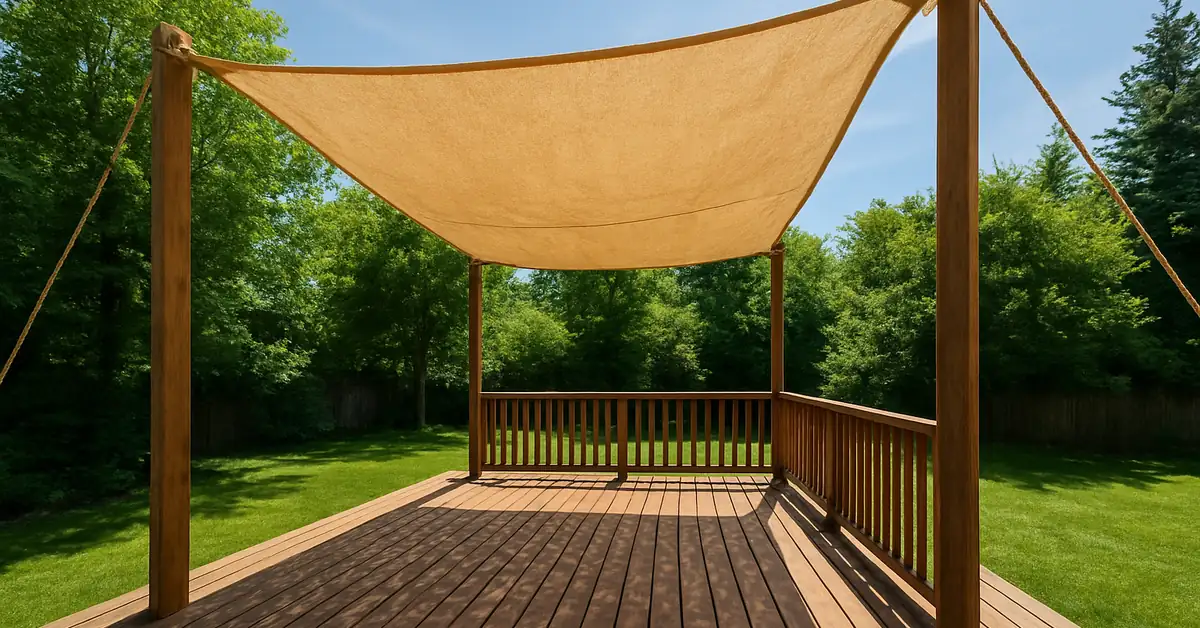
Four corner supports spread the tarp flat overhead, which is the best layout for covering an open gathering space like a full patio canopy rather than a single seating spot. Because it’s flat rather than sloped, check the forecast — standing water can pool in the middle during heavy rain unless one corner is set slightly lower.
How to Hang a Tarp Without Grommets or Knots
A tarp with torn-out, missing, or too-few grommets can still be hung securely — you don’t need to re-buy the whole tarp. Three practical fixes work without tying a single traditional knot.
- Tarp clips (toggle method): a toothed clamp grips the fabric directly and gives you an instant anchor point anywhere along an edge, grommet or not.
- Grommet punch kit: a punch, die, and grommet set lets you add new grommets anywhere the fabric is still intact, in the exact spot you need one.
- Bungee ball cords: feed the cord’s loop through any existing grommet or clip and snap the ball into place — no knot required, and it self-adjusts as the tarp shifts in wind.
📊 Wind gusts of 25–31 mph — a “strong breeze” on the Beaufort scale — are strong enough to make handheld umbrellas unusable outdoors, and the same gusts will lift a loosely staked tarp. — Source: National Weather Service, Beaufort Wind Scale
Safety Tips
Clear rocks and sticks from the footprint before staking, and route every guy line away from walking paths — a taut rope at ankle height is the setup’s biggest everyday tripping hazard. Push stakes deep and check knots or clips for slack after the first hour, since new rope stretches slightly under initial tension.
Check the forecast before setup. Rain softens ground and lets stakes pull loose, and sustained wind above the 25 mph “strong breeze” threshold noted above can lift an entire tarp free of its stakes. Take the tarp down ahead of any storm warning rather than betting on the anchors holding.
Maintenance and Care
A tarp anchored with proper tension at every corner, checked periodically for stake and grommet wear, will outlast one that’s simply thrown up and left alone for a season.
Cleaning Tips
Scrub with mild soap and water, rinse fully, and let the tarp dry completely before folding or rolling it — packing it away damp is the most common cause of mildew. Treat any mold spots with a diluted vinegar solution rather than harsh bleach, which can weaken coated fabrics over time.
Storage Solutions
Roll rather than fold for storage — folds crease the same lines every time and eventually crack the coating. Store in a cool, dry bag away from anything sharp, and label it if you own more than one size.
Repairing Damage
Small tears are patchable with a tarp repair kit applied to both sides of the hole for a stronger bond. For a badly torn grommet, a punch-and-die kit (mentioned above) resets a new anchor point next to the damaged one instead of replacing the whole tarp.
Frequently Asked Questions
How do you make a sun shade with a tarp?
Secure the tarp with rope or bungee cords tied to trees, poles, or posts, keeping every line taut so the fabric can’t sag or flap. Angle the tarp so it blocks the sun’s path during the hours you’ll actually be outside, and stake every corner — a UV-resistant canvas or vinyl tarp holds up to repeated sun exposure better than an untreated one.
How do you hang a tarp?
Tie or clip the tarp’s corners to two or more anchor points using rope, bungee cords, or tarp clips, keeping the fabric taut enough to prevent sagging. Stake the edges to the ground for stability, angle one side lower for rain runoff, and recheck tension after the first hour since new rope stretches.
How do you secure a tarp to a canopy frame?
Attach each corner and mid-edge point to the frame with bungee cords, zip ties, or tarp clips, pulling enough tension to keep the fabric from billowing in wind. Check every connection point after storms, since repeated flexing works zip ties and cord loose faster than it does clips.
How do you hang a tarp like a curtain without grommets?
Clip hooks or tarp clips along the top edge of the tarp instead of relying on grommets, then run those hooks onto a rod or taut wire so the tarp hangs and slides like a curtain panel. See our full guide to hanging a tarp like a curtain for hardware-specific spacing tips.
Can you hang a tarp for shade without grommets?
Yes — heavy-duty tarp clips clamp directly onto the fabric at any point along the edge, giving you an anchor point without a grommet, punch kit, or knot. Bungee ball cords then attach to those clips the same way they’d attach to a grommet, which is the fastest no-tools fix for a tarp with damaged edges.
Conclusion
A taut ridgeline, properly staked corners, and stakes set a few inches taller than head height cover most backyard and camping shade needs. If the tarp’s grommets are torn or missing, clips and bungee balls solve that without buying a replacement.
Recheck every connection point after the first hour and again after any storm — that single habit prevents most of the flapping, sagging, and stake pull-out problems reported with backyard tarp setups.
Sponsored / affiliate links. As an Amazon Associate I earn from qualifying purchases. I may earn additional commission from eligible campaigns.